
Dennis House | Olaver Architecture
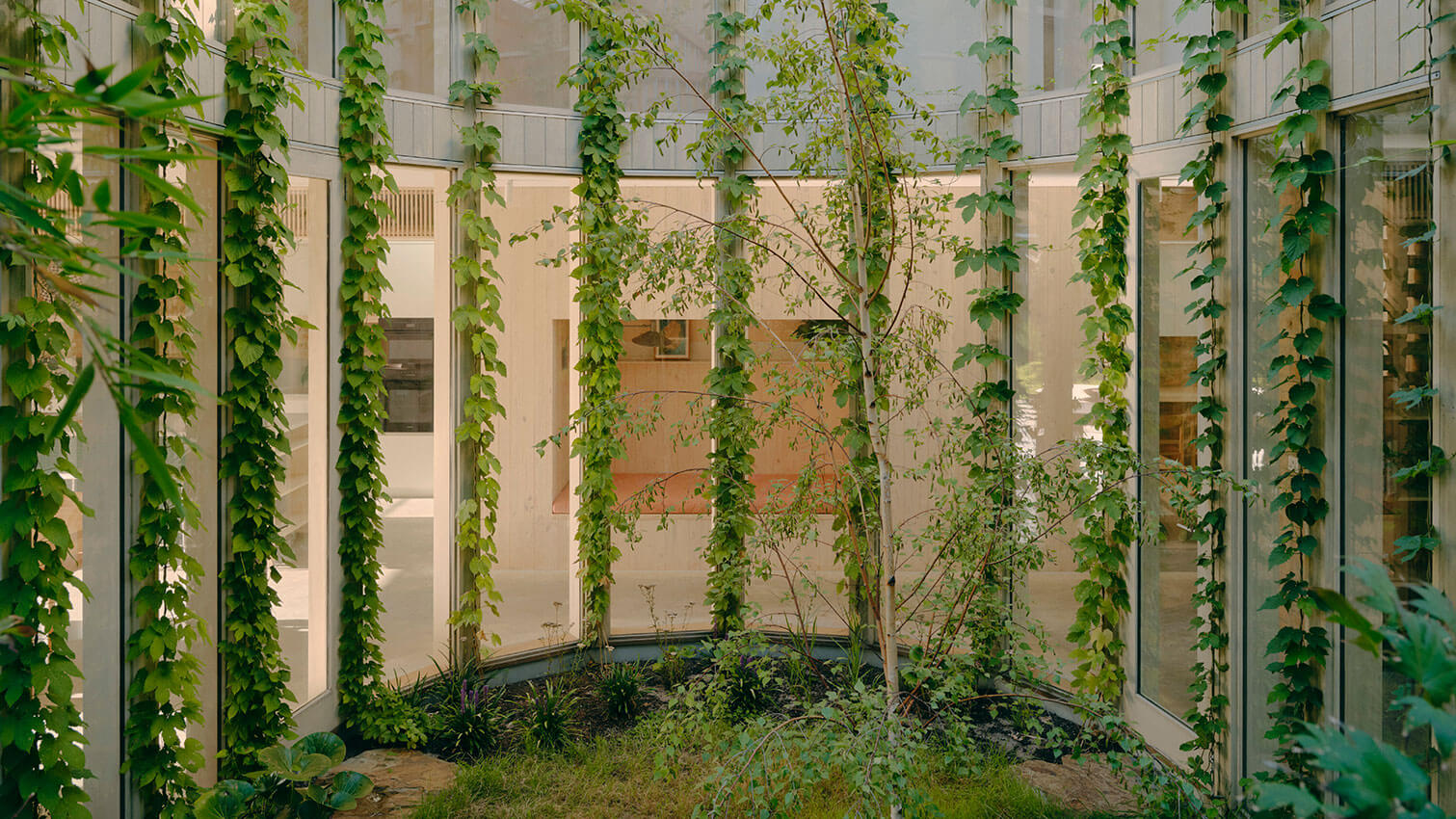
Dennis House is a courtyard house which is robust for its layers in planning, section, structural resolution and material choices. Every element of Dennis house is considered for its contribution to the whole and there is a richness in the resultant simplicity which is deeper than the sum of its parts. The CLT and recycled brick structure is both cost effective and sustainable, with richness in texture and a calming interior. Dennis House supports family life and fosters a sense of togetherness extending to the gardens and neighborhood beyond. The careful balance of simplicity, sustainability, and functionality sets Dennis House apart as a home that enriches the lives of its inhabitants.
Charles Street Square | lahznimmo architects with SMM
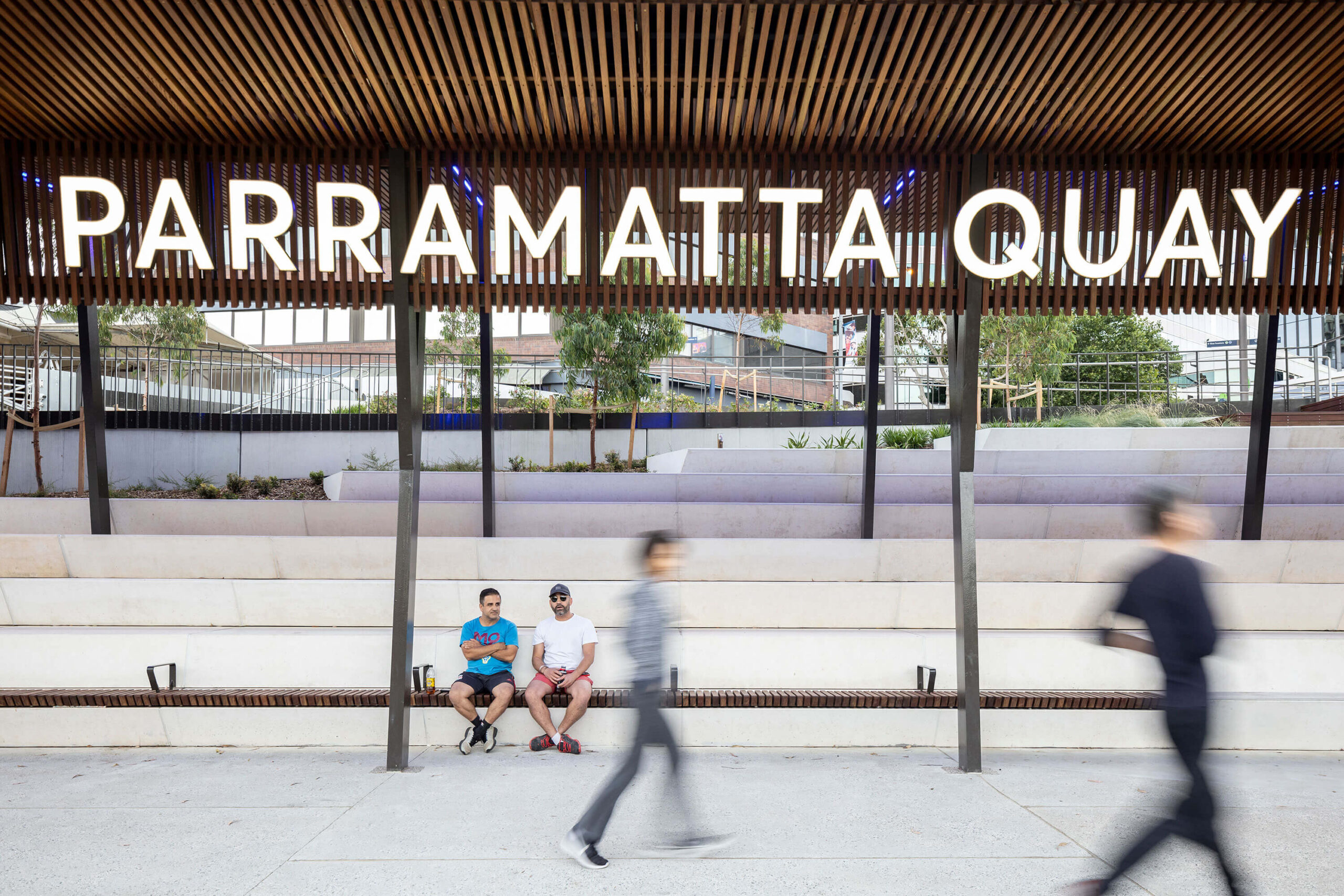
lahznimmo architects, with landscape architects Spackman Mossop Michaels, were engaged by the City of Parramatta to design Charles Street Square. The design resolves complex spatial issues including steep level changes, challenging flooding constraints, retention of mature trees, numerous stakeholders, indigenous and recent heritage and large volumes of pedestrians navigating between the river and city.
A series of sweeping curves respond to the fluid form of Parramatta River at the point it transitions from tidal and brackish to running fresh water at the Charles Street Weir. The curves form a series of terraces and ramps that mediate three distinct levels: Riverfront, Mid terrace and Street level providing a continuous accessible path and river facing Amphitheatre.
The Architectural elements take their cues from traditional maritime structures the timber and painted steel shade shelter bows towards the riverfront, echoing the curving terraces and responding to the bowl like cross section of the site.
City Beach House | MORQ Architecture
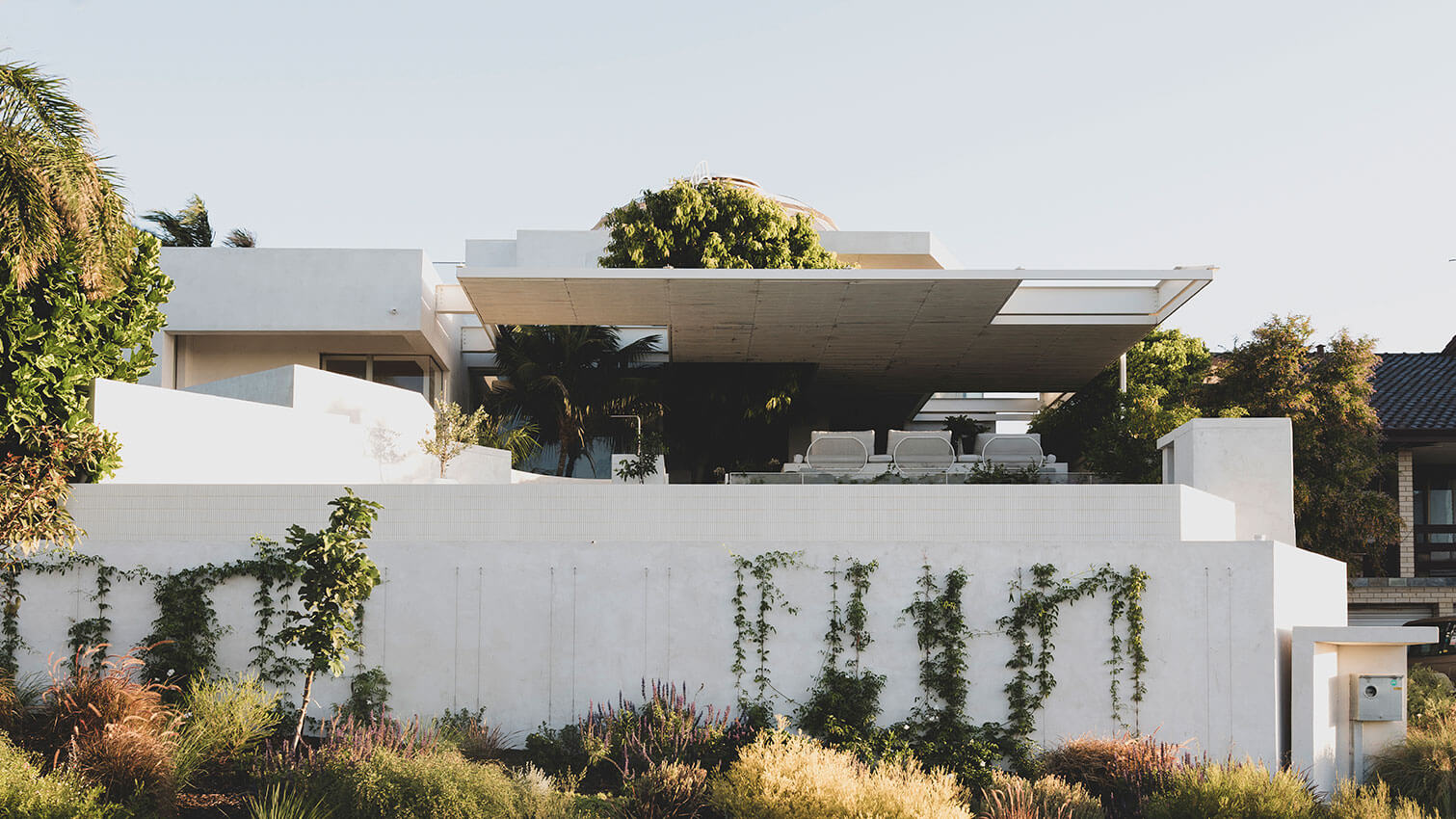
The first act of design was to answer the Clients needs through adaptivereuse rather than a newbuild.
Such an approach is exemplary from an environmental and resourcing perspective, and highly beneficial to the memory and meaning of the neighbourhood.
Equally exemplary is the ability to generate significant enhancements through limited alterations: a philological design strategy.
All requirements were accommodated within the original envelope, with newly designed outdoor living spaces: a terraced landscape and pool area under a large, suspended canopy.
Light earthen render and rich Cotto floor define the material palette, extending the interior onto the exterior, creating a refined Mediterranean atmosphere.
The project embodies longstanding principles of passive design, creating a comfortable living environment with low energy requirements.
Existing vegetation on the site was retained and expanded as a layer of sun protection, while providing mutual amenity, respite, and privacy to the house, the neighbouring properties, and the street.
Clifton Hill Primary School | Jackson Clements Burrows Architects
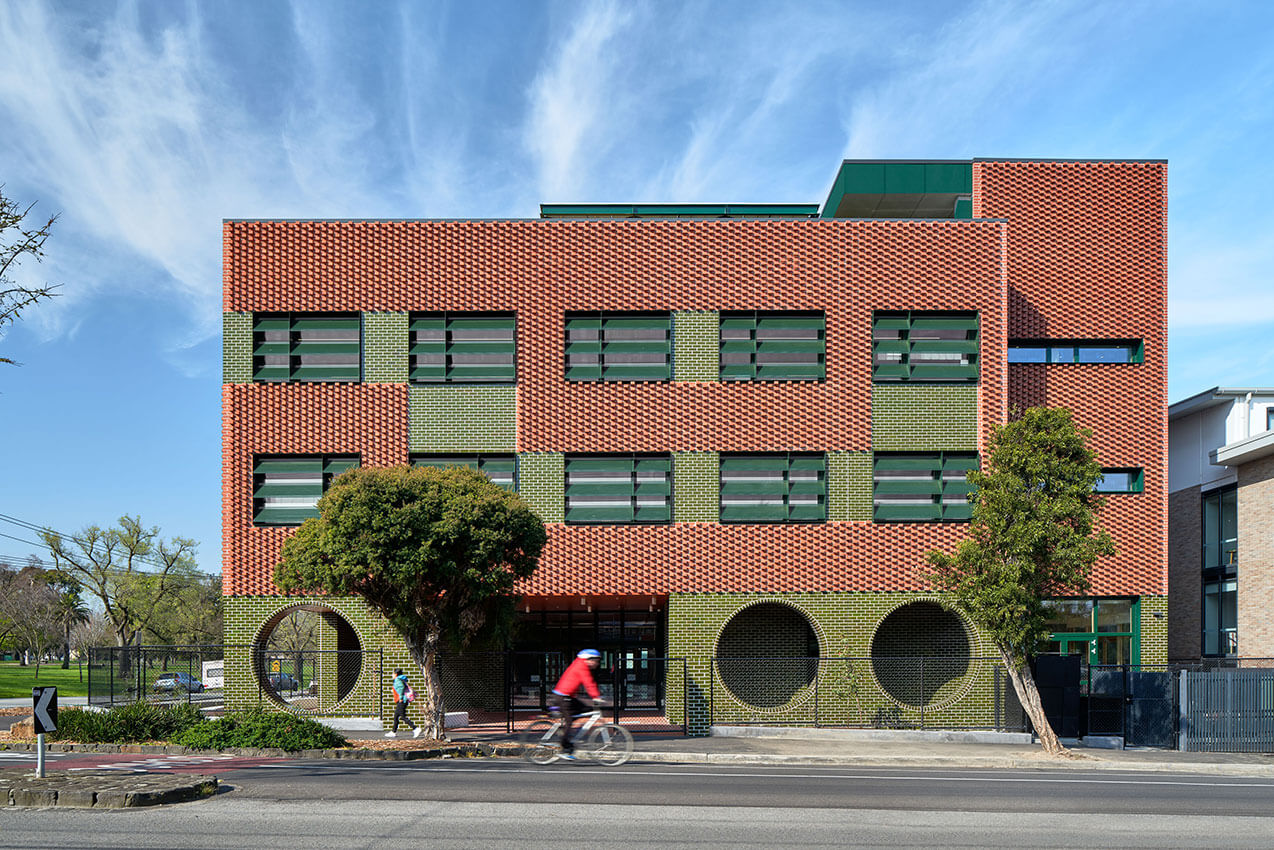
This dynamic vertical campus for grade 5 and 6 students creates exemplary learning, teaching, staff working and multipurpose community environments for a muchloved innercity school. Spanning three levels, the building adopts a simple but rigorous floorplan that accommodates a large program on a constrained site. Located opposite the Darling Gardens, the design response references the existing heritage campus buildings while also drawing inspiration from Eric Carles The Very Hungry Caterpillar. A ribbon band of glazed green bricks and use of circular bite like apertures bring a whimsical quality to the design. Exposed structural elements including mass timber and articulated services enable the building to serve as an explanatory teaching tool for students. Designed utilising a mass timber hybrid construction to achieve Passivhaus Certification, a first for the VSBA, the building integrates a PV array on the playground roof terrace to provide power and a visual learning opportunity.
Clifton House | Anthony Gill Architects
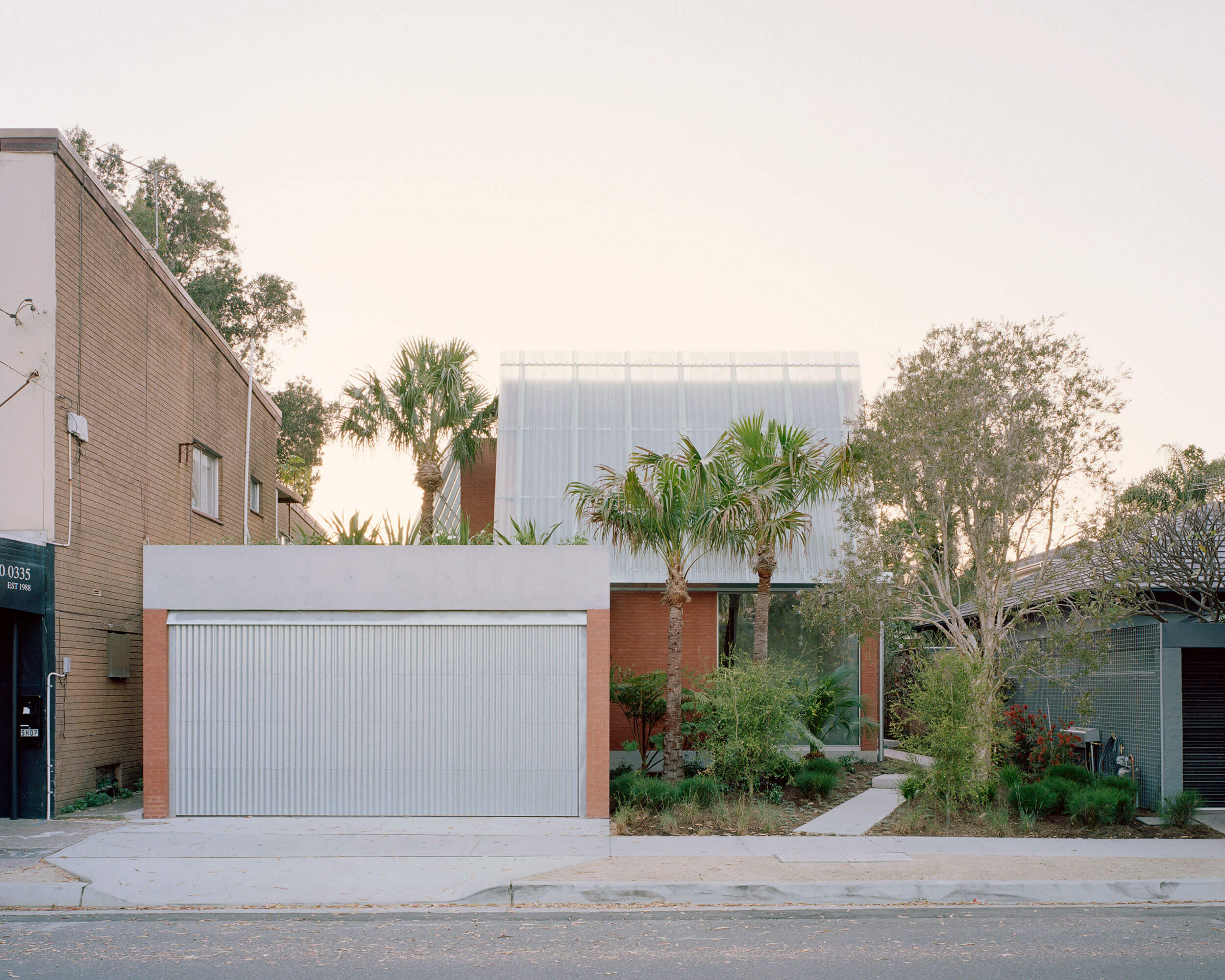
Replacing an existing bungalow on a suburban block in North Bondi, this new family house is located on the sandy flat that runs from the beach through to Sydney Harbour at Rose Bay.
The surroundings are relatively dense for suburban Sydney with the site sharing boundaries with a mix of housing types, posing a significant challenge in terms of privacy.
The house is carefully planned around a series of courtyards with dense planting to help filter these neighbouring conditions.
The ground floor living rooms open up onto several distinct garden spaces that bring light and ventilation deep into the plan while the upper level relies on the use of fiberglass screens to ensure privacy to the bedrooms. Behind these screens, gardens provide a softness to this strategy and the overall materiality of the house that references the red brick houses and apartment buildings common to the suburb.
Clinker House | Archaea
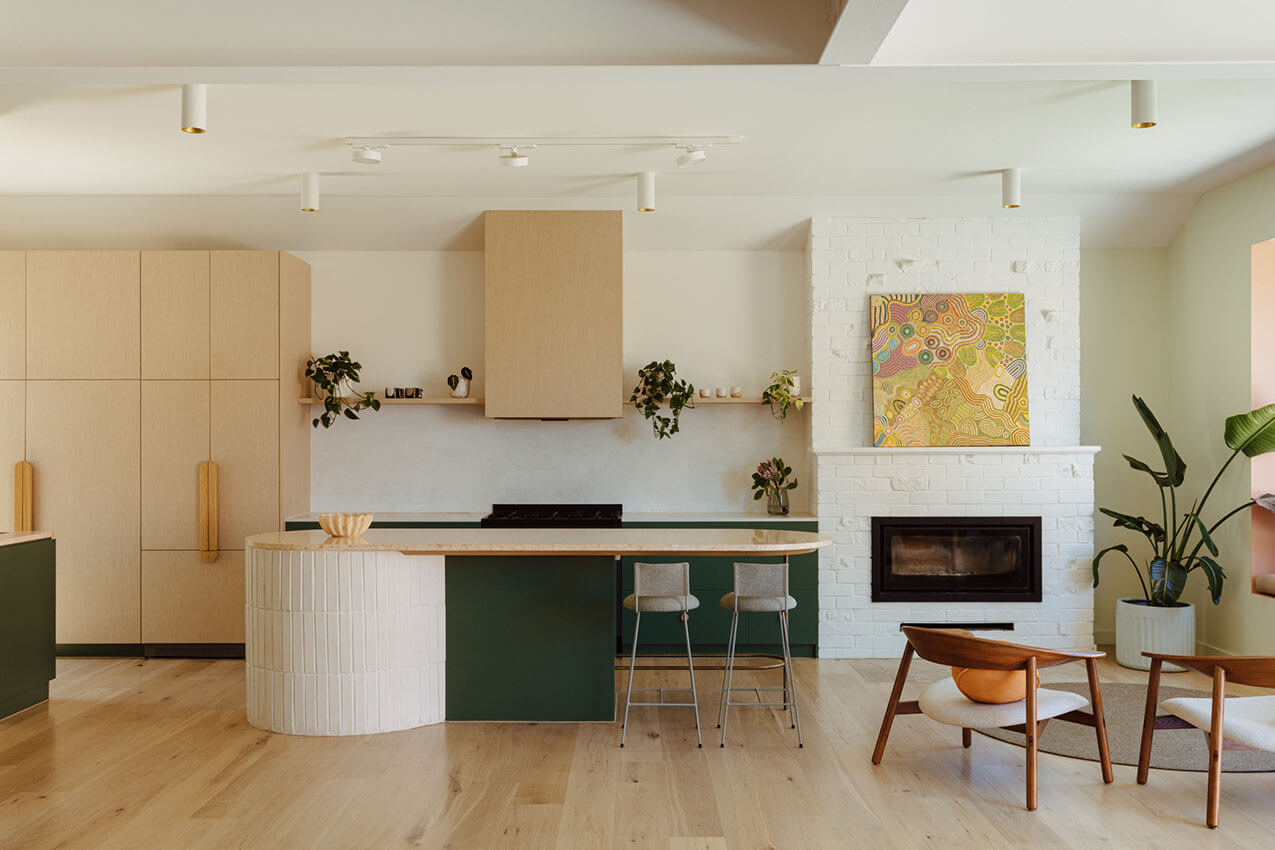
Standing on a corner allotment, the original 1930’s Kentish-Gable Tudor at Somerton Park presented an opportunity for refurbishment for a young, growing family. For Charmaine, Marshall and their children, the home called for an interior not afraid of colour, a functional and joyful home that supported busy family life.
Extensive internal renovation saw a reopening of the main space with freedom in colour and texture to breathe new life into the home throughout. Palettes were carefully considered to support and celebrate the family’s collection of indigenous art. The art reflects both Marshall’s heritage and the journey of their family.
‘Clinker House’ enhances existing generous proportions with a contemporary, colourful new face. A home not shy of colour, it is a juicy delight of furniture and art curated in harmony with one another, and a reflection of the joyful family that call it home.
Coast House | Skein
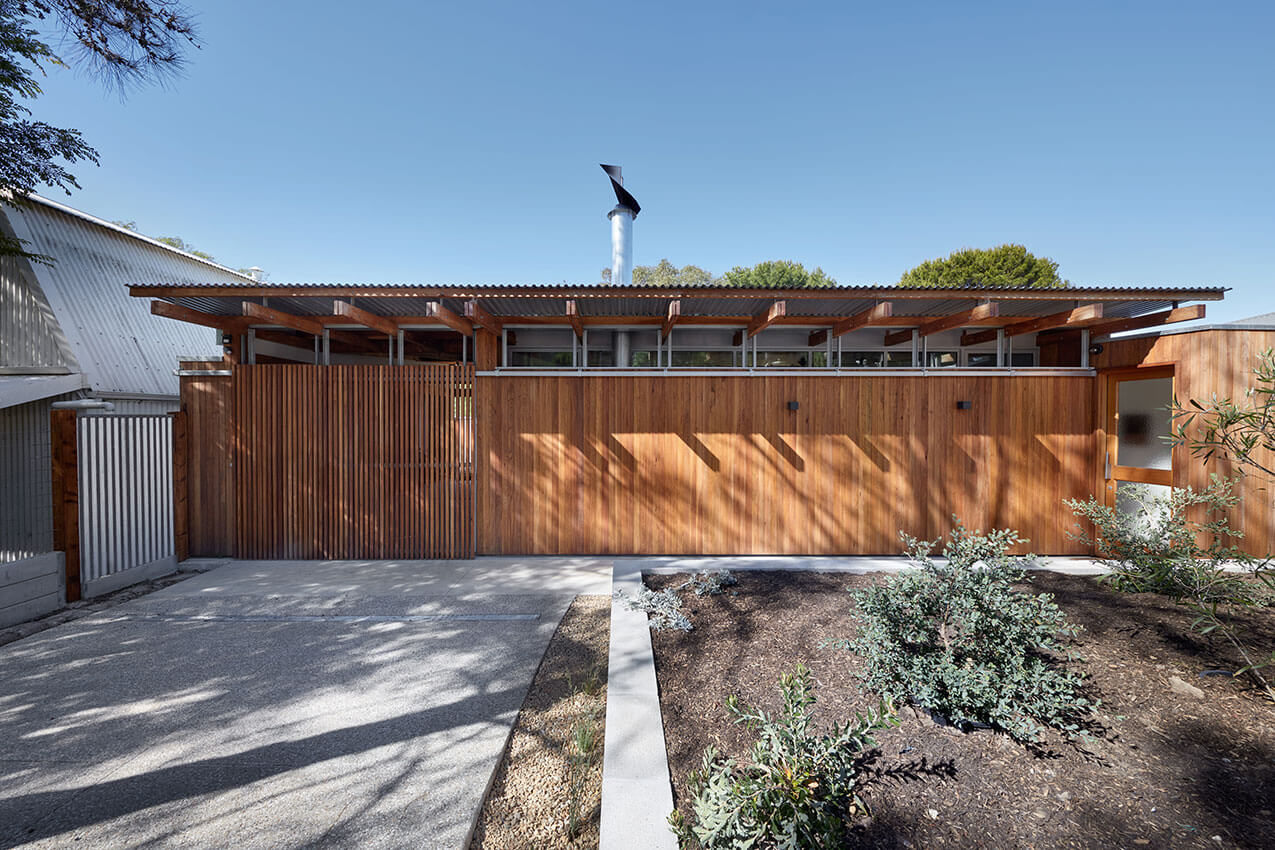
Coast House is a family home that echoes the aesthetic of the surrounding southern coastal landscapes. The design celebrates natural materials and showcases the beauty of pure and considered architectural form and detailing.
Front and centre to the design is a focus on temporal lighting qualities and weathering materials. An large-format timber garage screen door and operable, external window screens give the project a strong visual identity. The screens allow for the building to transform from an austere and solid object into an open and light-filled set of spaces that connect the garden to the charming and colourful interiors.
Coast Houses’ 165m2 of internal living space comfortably accommodates a family of four and is the product of careful planning which has delivered a home that not only functions extremely efficiently but allows privacy and separation between private spaces and living areas.
Cobden Terrace | Matt Gibson Architecture + Design
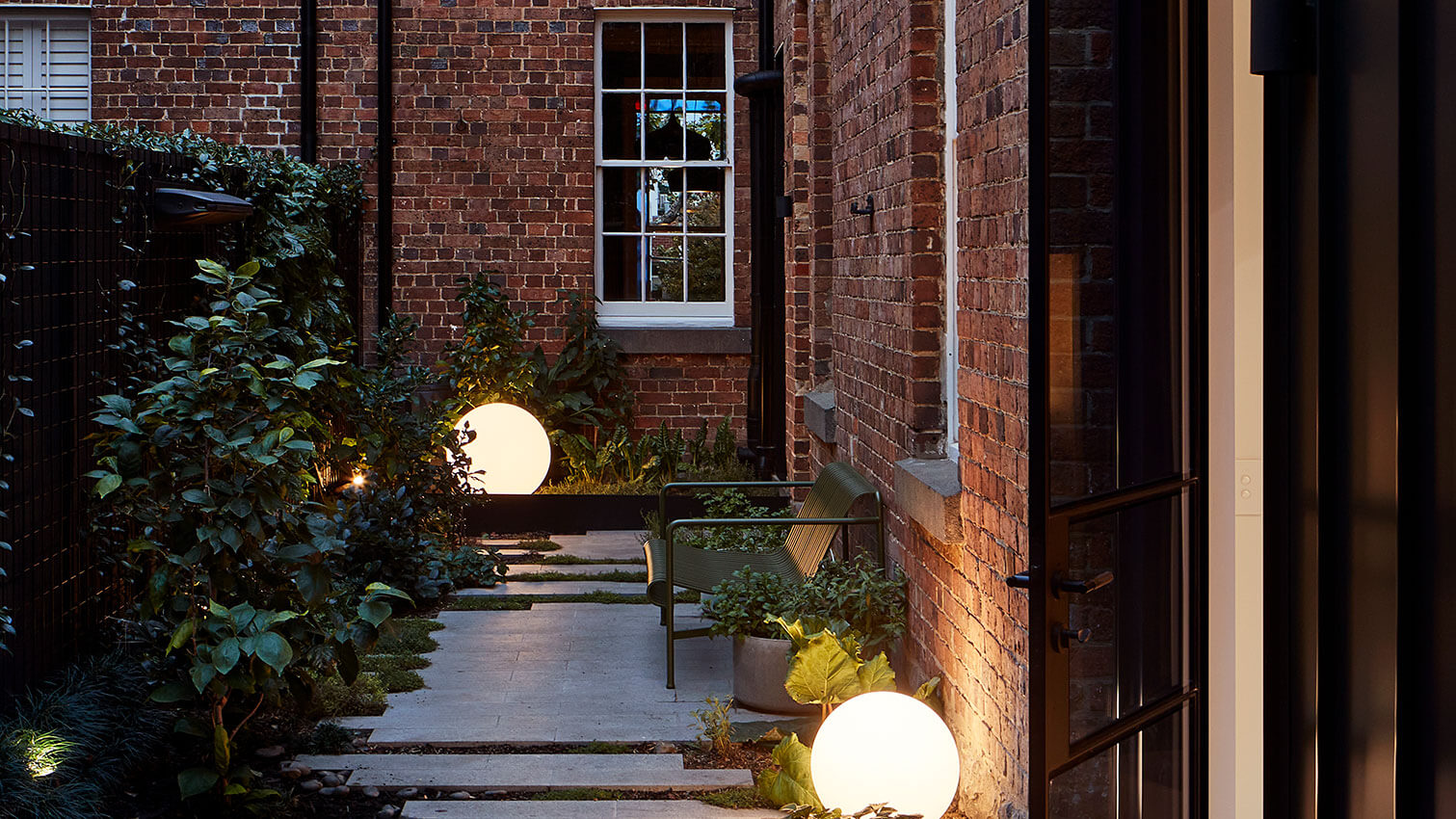
Cobden Terrace is a heritagesensitive adaptation of an 1868 statelisted terrace house in Fitzroy. The project applies adaptive reuse through minimal but impactful change to meet a host of social, environmental and functional aspects, whilst enabling a joyous, personalityfilled family living environment.
Heritage, sustainability and budget principles have converged with equal influence. Adaptive reuse, through doing less, helps retains the history of the place for its social and cultural imperatives as well as enable a functioning family layout that will sustain.
Externally, a small rigorously detailed yet rationally conceived ground level addition is however provided in sympathy with the existing building. Inside, we sought to celebrate and emphasise the best aspects of the Victorian home. The result is celebratory of the sites legacy and neighbourhood at large preserving its integrity whilst making subtle adaptations enabling greater livability.
Coconut Crab | ASA in collaboration with Casa Adams Fine Wares
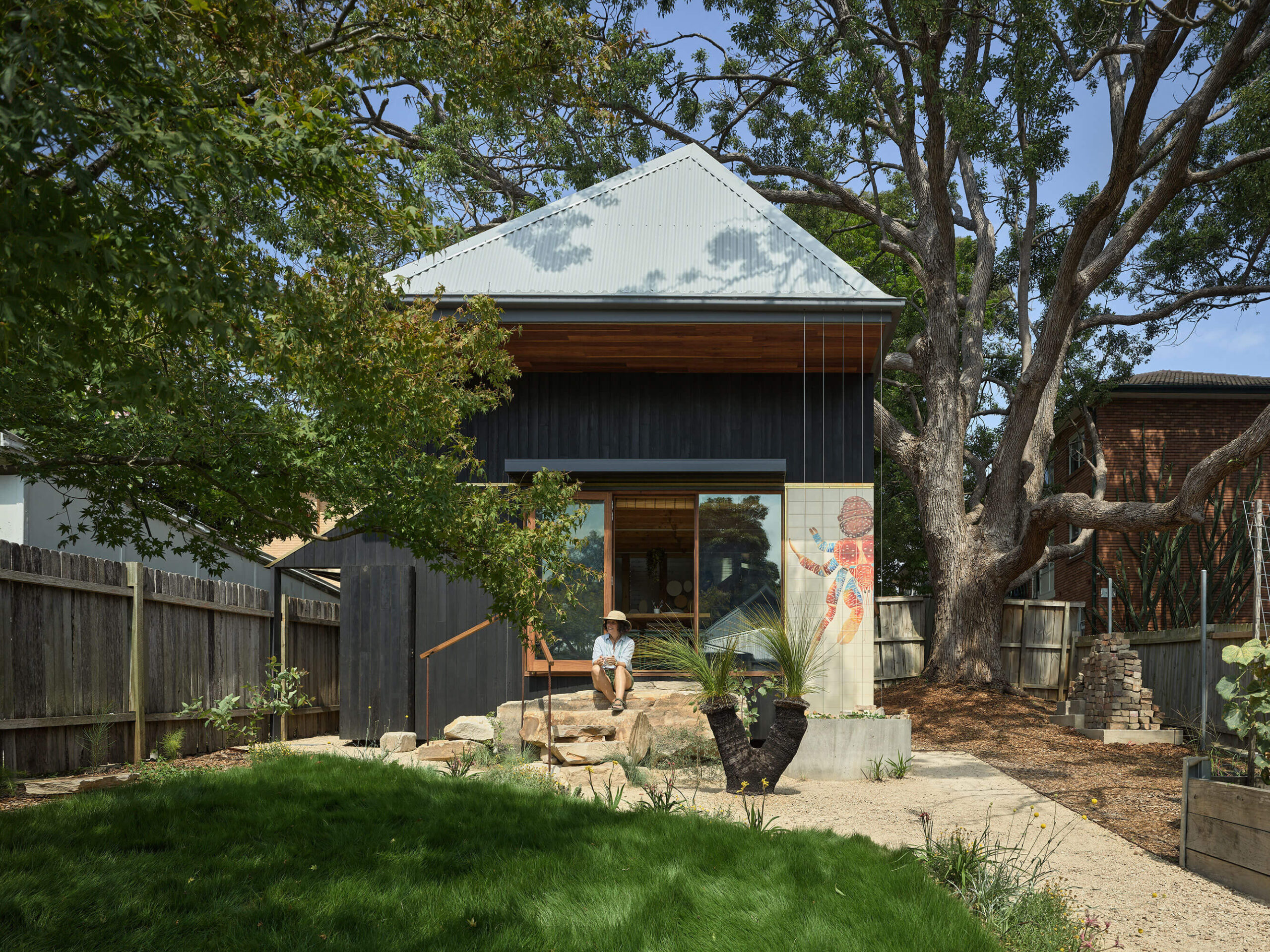
Coconut Crab is a ceramic studio designed in collaboration with the client, Casa Adams Fine Wares. Their aim is to encourage preservation and curiosity of marine life through meticulously painted, handmade porcelain plates. The biggest example being the giant tiled Coconut Crab climbing the facade. The studio design flexibly caters to ceramic production, educational workshops and business administration. It is located to the rear of the site, across from their existing family home.
The dwellings equally share a thriving native landscape which supports vulnerable endemic frog, bird and insect species and an edible garden. The strategic planning and placement was further complemented by the use of recycled materials, recycled double glazed doors and windows, along with a highly insulated and an airtight building envelope and HRV system. This ensures the users have a comfortable and durable working environment which can be easily readapted for future uses such as a secondary dwelling.
Collector House | Open Principle Architects
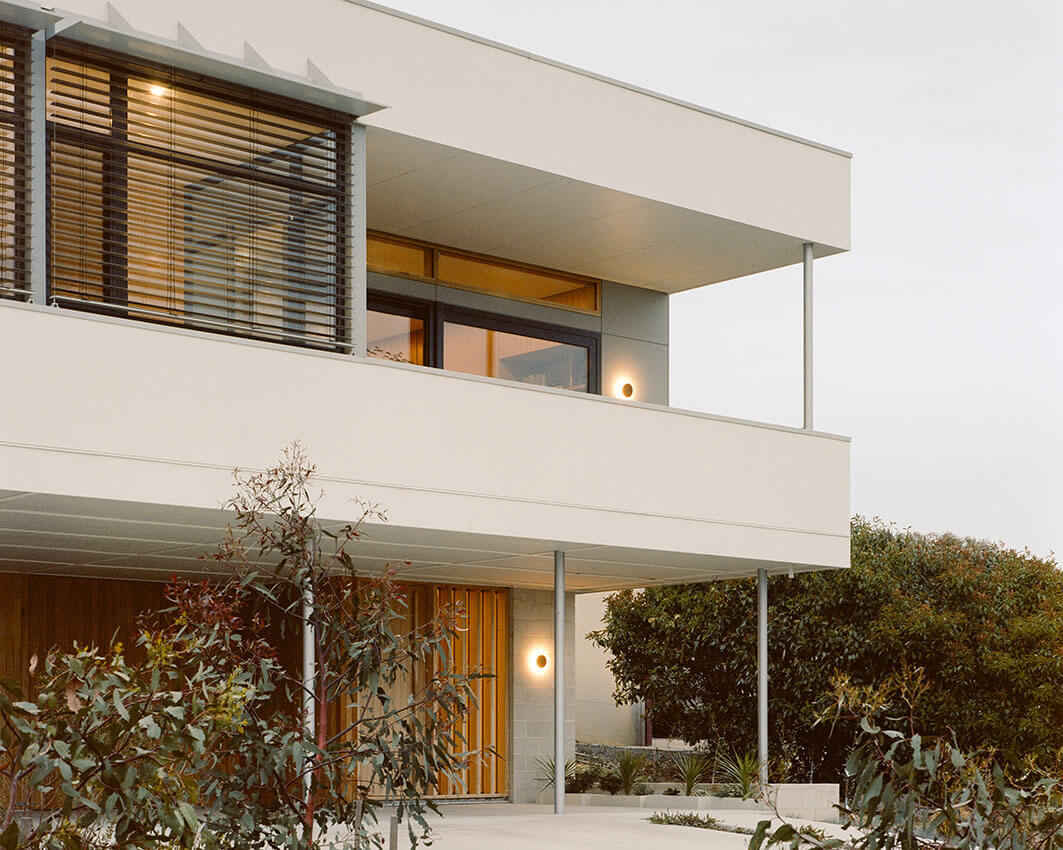
Collector House is designed as a 4 bedroom family home using Open Principle Architects philosophy of low consumption housing. The house wraps the existing significant vegetation in plan, whilst using the natural gradient in section to elevate the primary private living function, optimising views and natural northern light gain. Water tanks that service the project are concealed under the elevated rear section of the house leaving the remaining block for land and playscaping. Construction utilises highly insulated wall, floor and roof systems. Air tightness is achieved through internal vapour barrier and fresh air provided by ERV systems.