
Courtyard House | Clare Cousins Architects
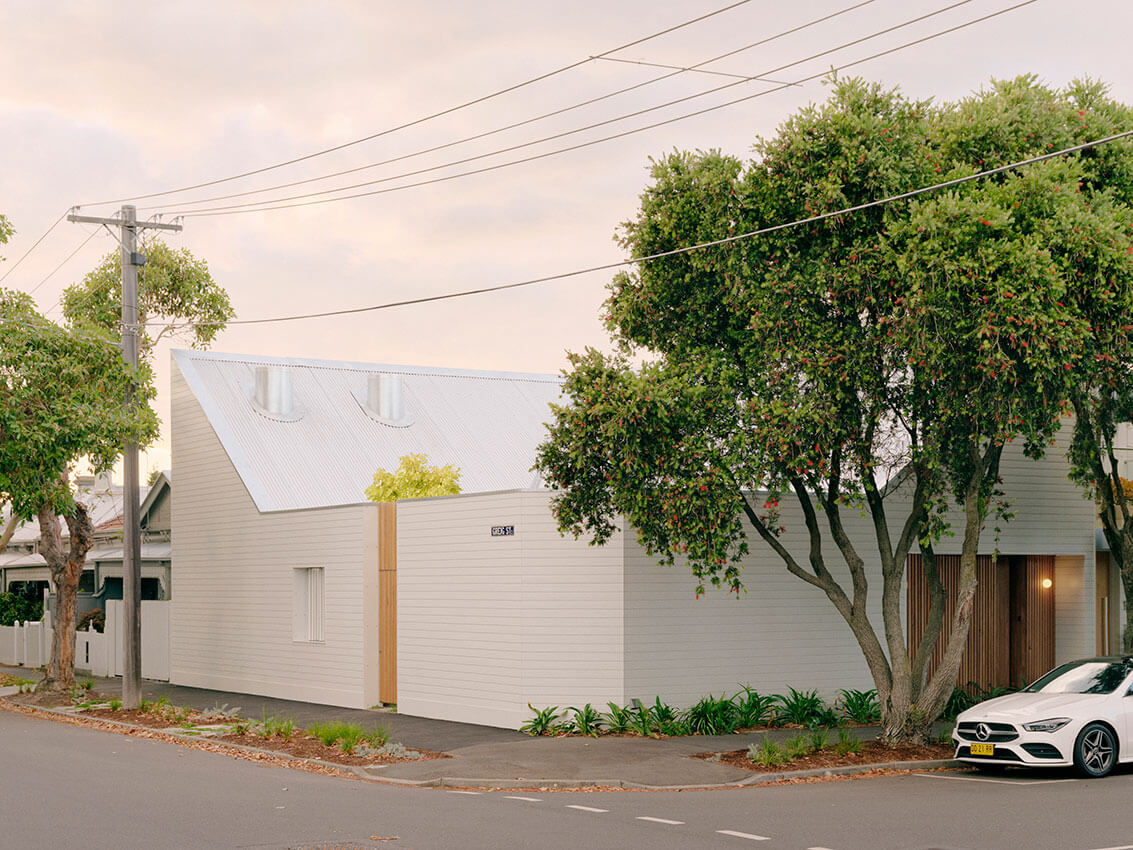
Careful to consider its sensitive heritage context, Courtyard House reinterprets the previous condemned 1885 cornerstores scale, materiality, and modest street presence. The building is directly informed by the sites history, the shiplap cladding and galvanised roof establishing a contemporary expression of the past.
Unusually located at the centre of the street frontage, the southern courtyard enables a more dynamic interface between private outdoor space and the public realm.
Courtyard House is shaped from within, dissecting the traditional gable form for a home that is private yet open, contemporary yet figurative, modest but generous.
Courtyard House 3 | Stanic Harding Architects
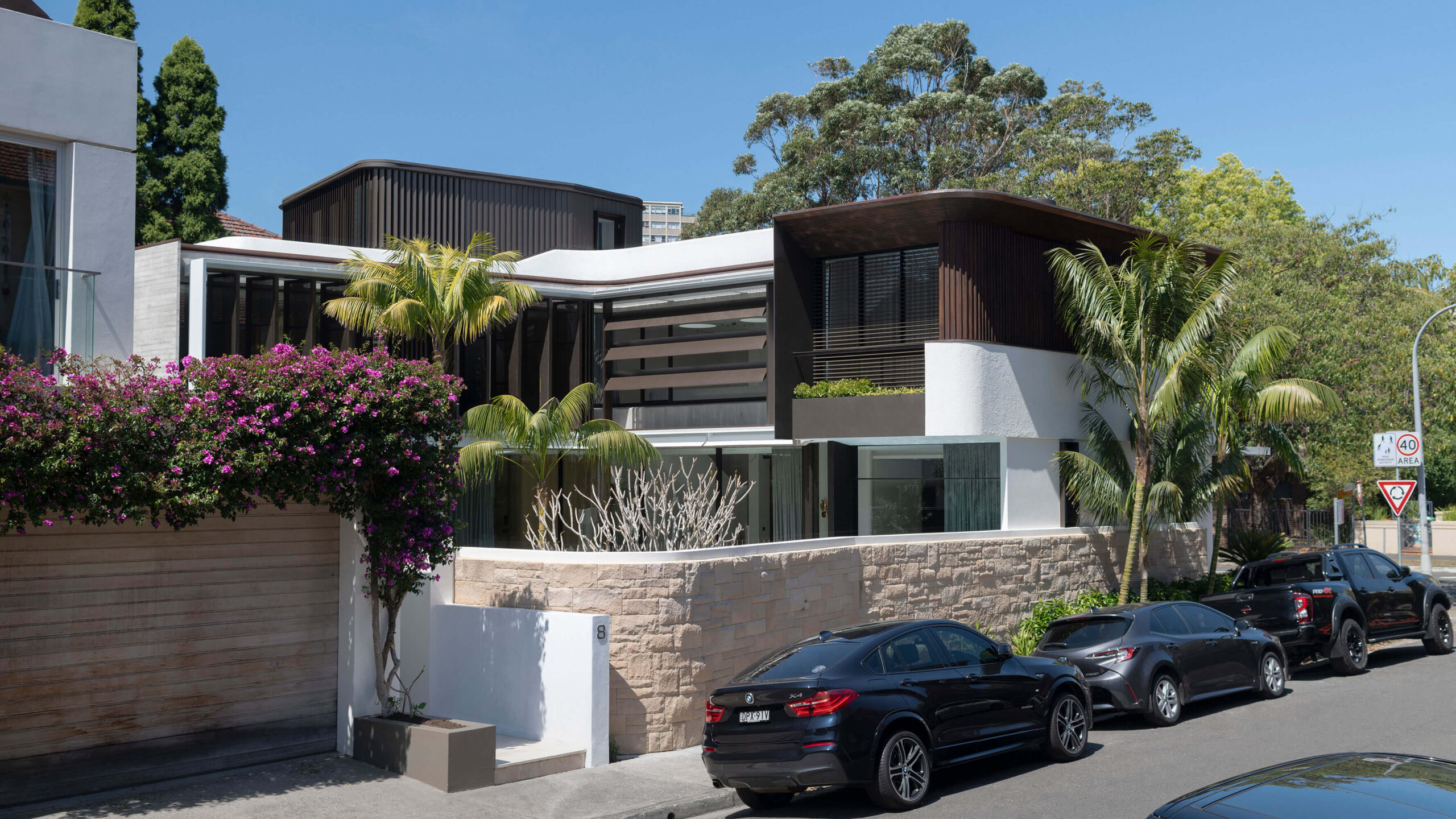
The primary design strategy was to open the house and the courtyard to the northwestern sky.
The living spaces wrap around the courtyard offering direct visual and physical connections to the garden, pool and district views. This open façade is contrasted with the more shielded southwestern façades protecting the occupants from the busy street noise.
Solar control and privacy were achieved by the introduction of a fine upper-level screen fitted with operable horizontal and vertical louvres which also provides articulation and shading to the ground level.
The crafted built form successfully addresses the corner site and respectfully engages with its neighbours and the public domain. The variety of materials & textures creates additional richness to the house which offers the clients a contemporary home with soul.
It is a house that embraces its evolving family of five and will serve them for decades to come.
Cox Architecture Adelaide Studio | Cox Architecture

Tucked away in the heart of the CBD is 57 Wyatt Street, a COX-designed boutique commercial property, proudly serving as COX Adelaide’s new forever home.
Rooted in the triumvirate of Community, Wellness, and Craft, the design embraces new ways of working, both now and into the future.
Our planning approach was initiated from a desire to foster a connected community – actualising in the creation of flexible and hackable spaces that support both collaboration and moments of individual reflection.
Culburra Beach House | Virginia Kerridge Architect
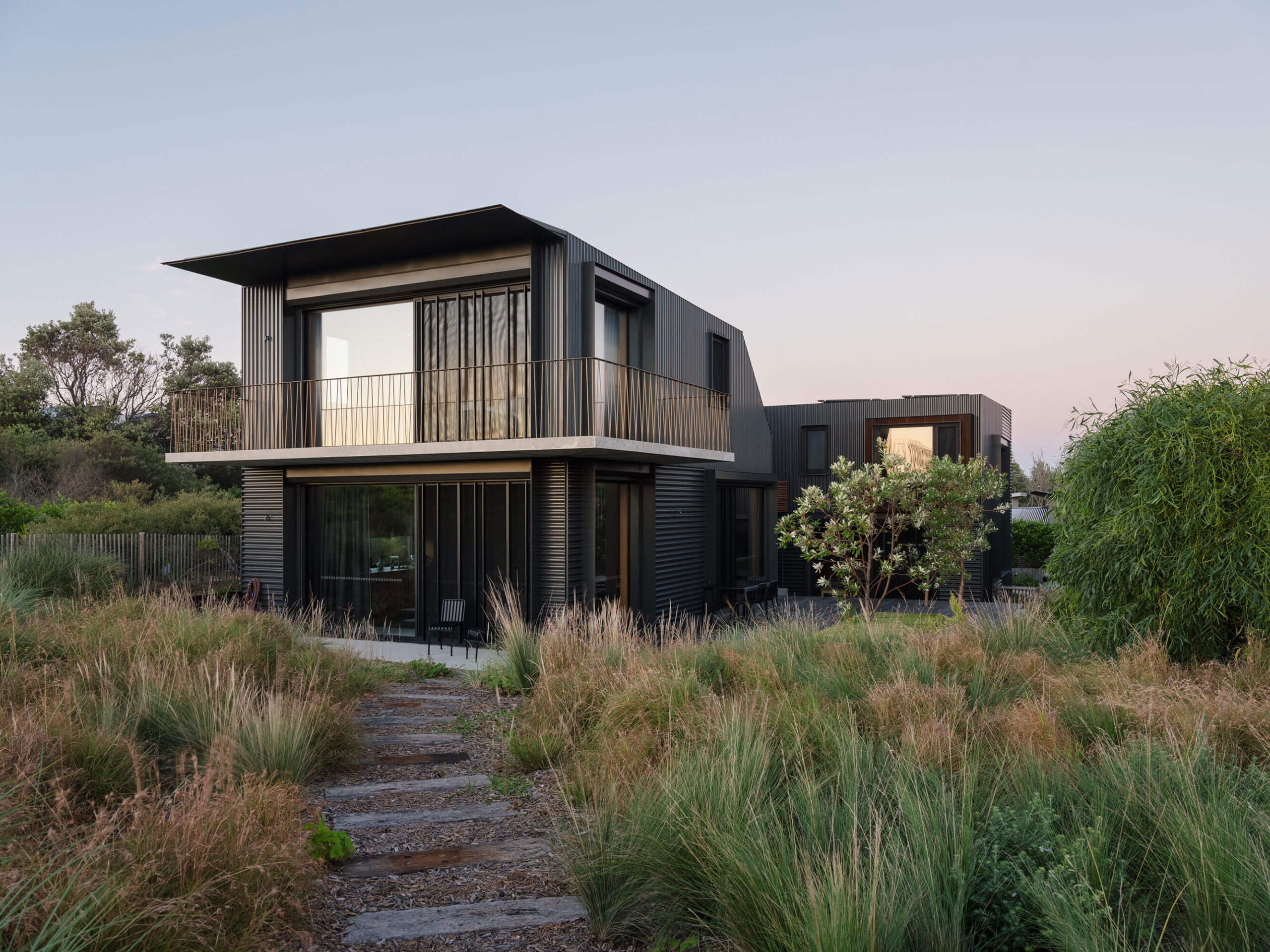
The site was a never built upon piece of land situated beachfront at Culburra. The landscape is windswept, with low native foliage with a large setback to the beach consisting of planted sand dunes.
The shapes of the trees are bent over and distorted by constant winds along the coast. The design of the house responds to this with a roof shape that gracefully ascends and flattens towards the beach. It is a house that becomes a safe retreat and a place of serenity amidst the storm.
The landscape design is by Jane Irwin Landscape Architects.
Dachshund House | Maxwell & Page
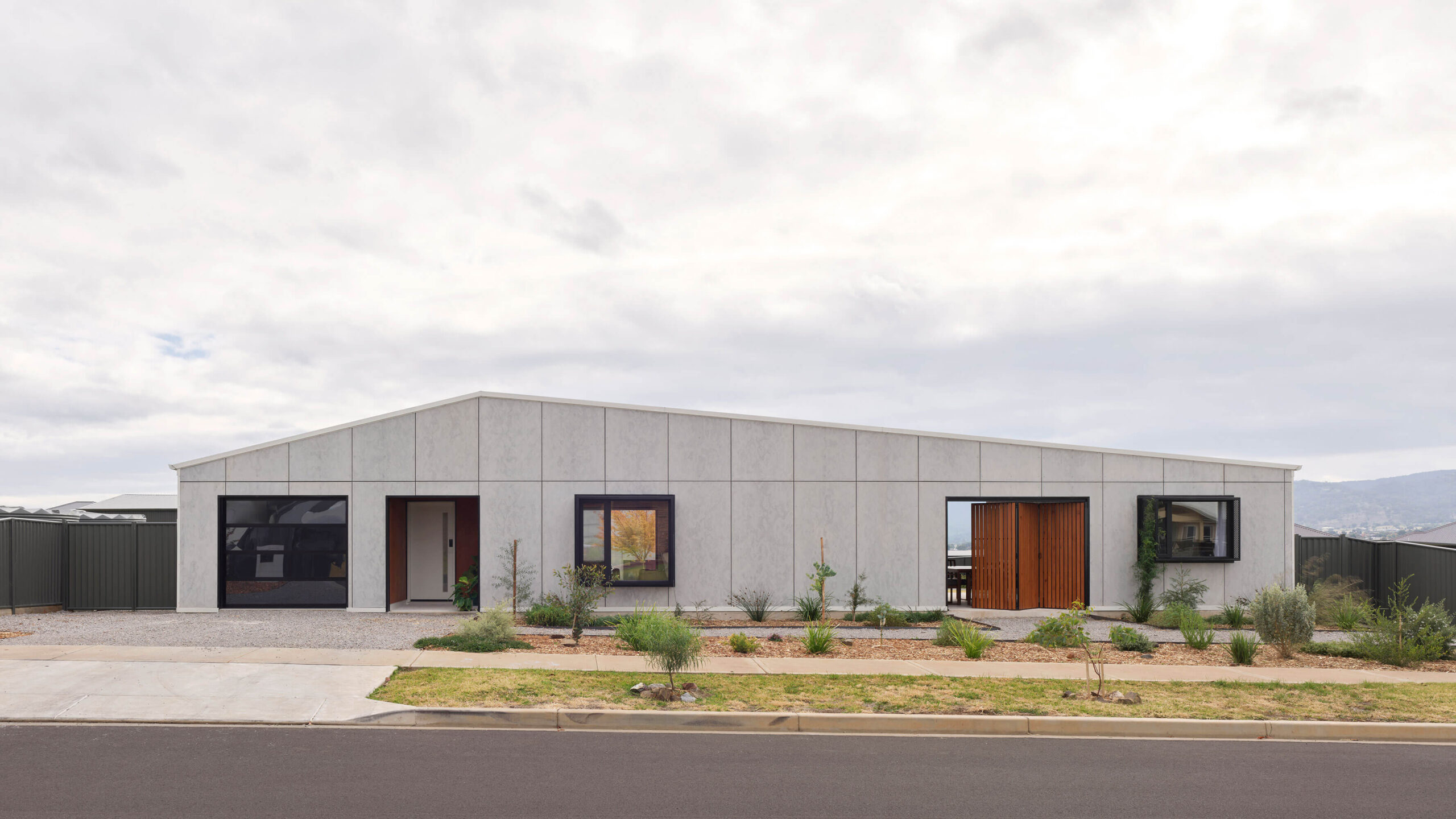
Dachshund House represented a paradigm shift for our clients as they sought to establish a sustainable, cost efficient, adaptable and joyful family home within a sea of brick and tile semirural suburbia just outside of Tamworth, northwestern NSW.
A deep discussion about what makes a house sustainable (and an early neighbouring precedent otherwise) has generated a locally unique suburban courtyard form that reflects our client’s values and provides a seasonally adaptive cradle for their growing family.
The programme of the house twists around a Coral Bark Maple (Acer Palmatum Sango kaku) and fountained pond providing a private, cool, shaded focal point within the semiarid suburban landscape. Every habitable space is oriented to north with generous eaves to manage light and heat.
A muted material palette of greys, browns and greens evokes remnant eucalyptus forests and the burgeoning native garden surrounding the home and repairing the degraded ecology of the site.
Dandenong High School Design and Technology Hub | Kerstin Thompson Architects
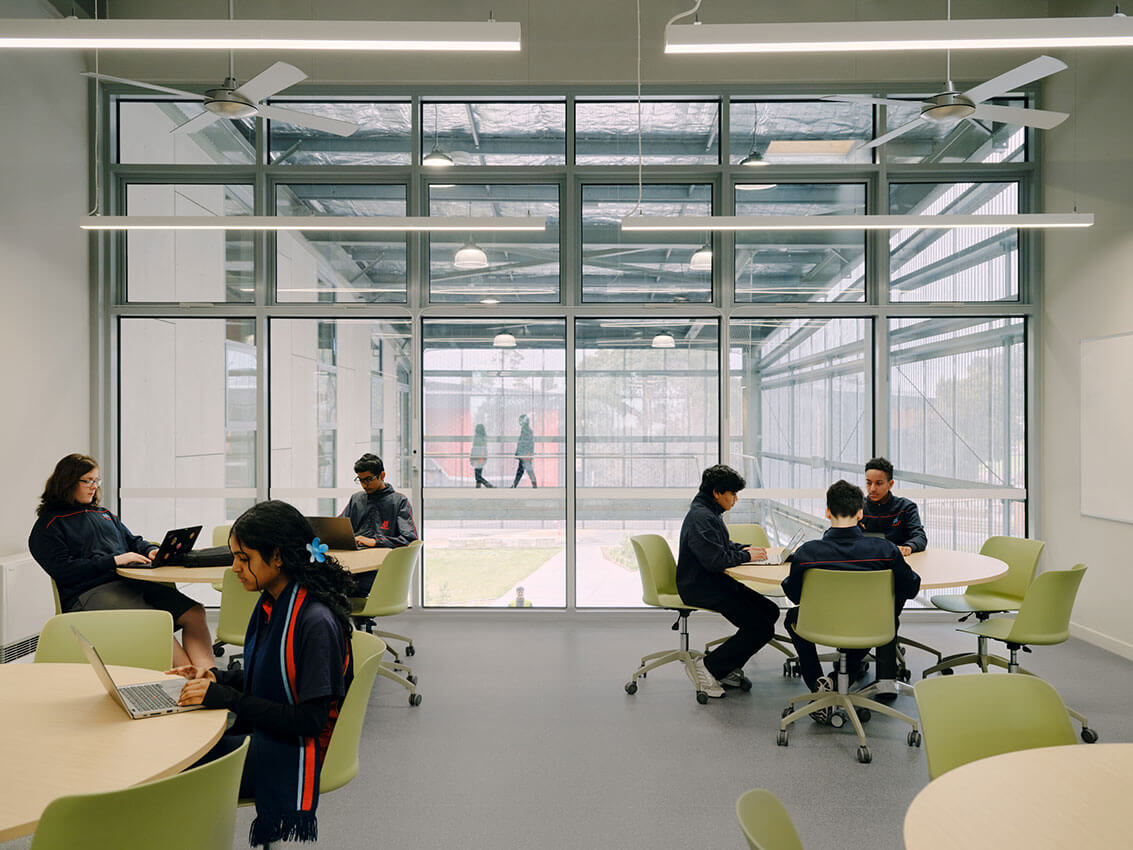
Dandenong High School Design and Technology Hub is a final piece of the campus puzzle, the project takes an existing redundant aging gym and performing arts centre located against along the edge of the school and adaptively reuses the structural frame into a new twolevel hub for design and technology studies.
The school envisaged the building as a space that would provide the students with a realworld working environment where they could independently investigate the many streams of design and technology in the resolution of their projects. The key to creating these collaborative spaces is the establishment of a spine that links all the teaching spaces encouraging the mixing of ideas and techniques. The pockets created along the spine blur the line between the more formal spaces and the informal ones, where ideas can be developed in small groups in a way more akin to a studio than a classroom.
Darlinghurst Workplace | BVN
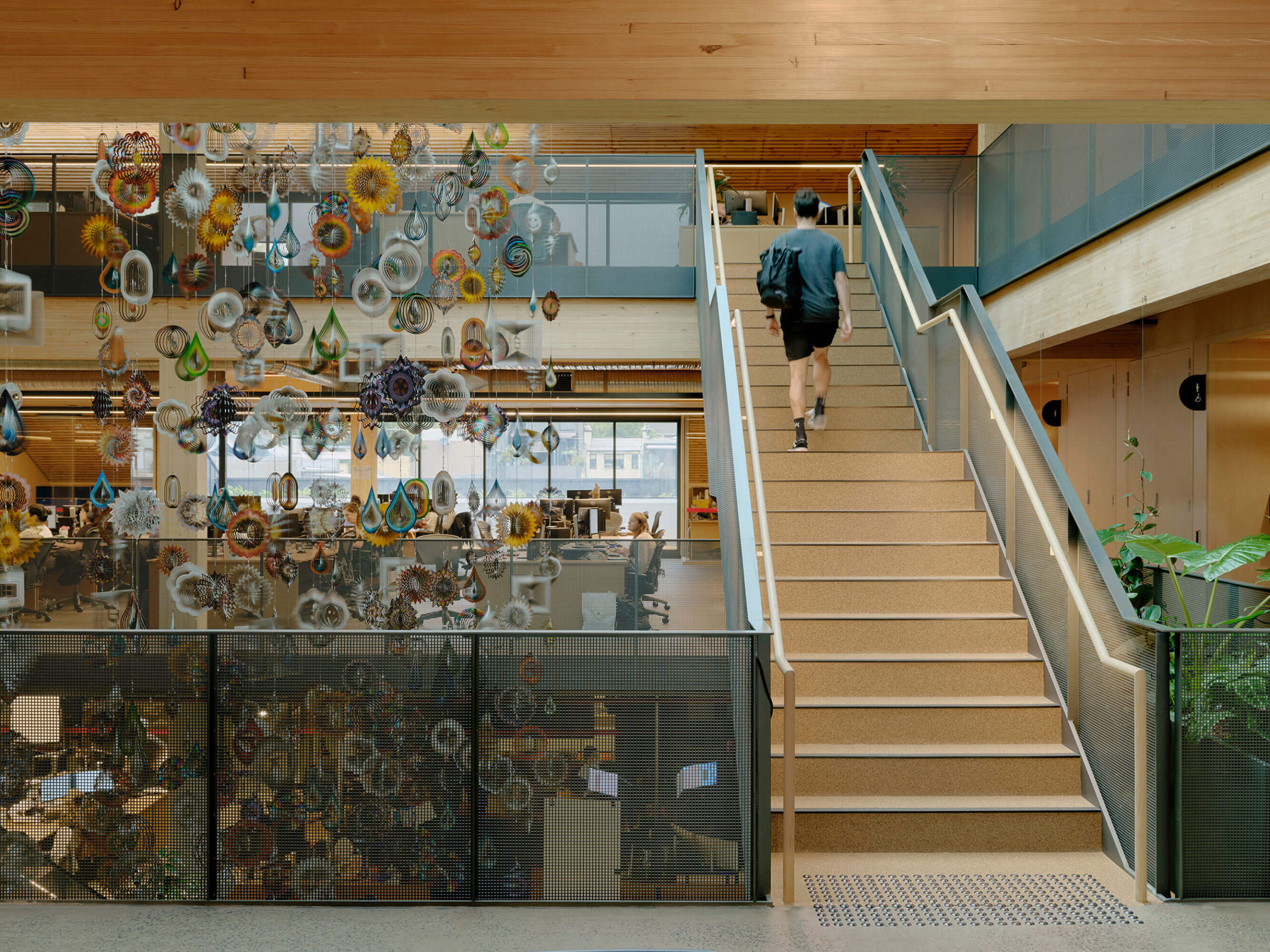
Darlinghurst Workplace celebrates the radical adaptation of a brick warehouse into a contemporary workplace in Sydney. BVN was tasked with rehousing a 300+ workforce across 3 levels of a near century old former car garage. Collaborating with a highly skilled fire engineer allowed the introduction of a new floor to the old warehouse in mass timber, combatting structural limitations, construction efficiency and embodied carbon. A void with skylight above was carved from the building’s centre to welcome natural light and encourage movement between all levels and comradery across teams.
New outdoor terraces enhance the connection with the local context and fresh air, fostering wellness for the occupants. The fun and humour of this workplace’s culture is injected into the architecture through colour, materiality, and a unique and quirky art collection. The result is a reimagined workplace with culture as the driver and fun at its core.
Darlington Public School | fjcstudio

Darlington Public School, a small school located on the fringe of the City of Sydney near the University of Sydney and the eclectic neighbourhoods of Darlington and Newtown, has undergone a significant transformation. Linear brick structures, complementary to the local industrial masonry, house flexible learning hubs, a multipurpose hall, and support spaces, while a curvilinear perforated metal screen defines fluid, organic movement and gathering areas related to outdoor learning and play.
The redesign prioritises a contemporary learning environment, fostering a safe and inclusive atmosphere for the tightknit school community. Acknowledging diverse backgrounds, the design integrates the rich Aboriginal Peoples culture and artistic heritage, preserving aboriginal artworks with QR codes for ongoing curation.
Photographed murals from demolished walls are reproduced in the cladding, providing a tactile response and preserving cultural narratives. The landscape enhances learning by detailing indigenous plant names and uses, reinforcing the school’s commitment to a holistic educational experience.
Deloitte Canberra | SQC Group

Deloittes forwardthinking Canberra Office is a 6,100m2 stateoftheart space designed for hybrid work and collaboration. The workplace vision positions the office as an epicentre of emanating energy, converging, and propelling forward from the building’s atrium, symbolising Deloitte’s influence rippling outward to Canberra and beyond.
The office design, focused on humancentric solutions, features multifunctional areas, and wellnesscentric retreats. It reimagines traditional layouts by combining workstations and built zones, maximising natural light, and fostering inclusivity.
Accessibility is paramount, with adjustable workstation, diverse seating, and seamless navigation for all abilities. The project aims for Green StarInteriors and WELL Gold certification, emphasising sustainability through repurposed furniture and local sourcing. Biophilic elements throughout bolster wellbeing, integrating nature into the workspace.
Deloitte’s workplace praised for its harmonious ambiance sets new standards in inclusive, sustainable, and adaptable office design that prioritises employee wellbeing and environmental responsibility, all while elevating the concept of adaptable and engaging office landscapes.
Deloitte Workplace Sydney | Hassell
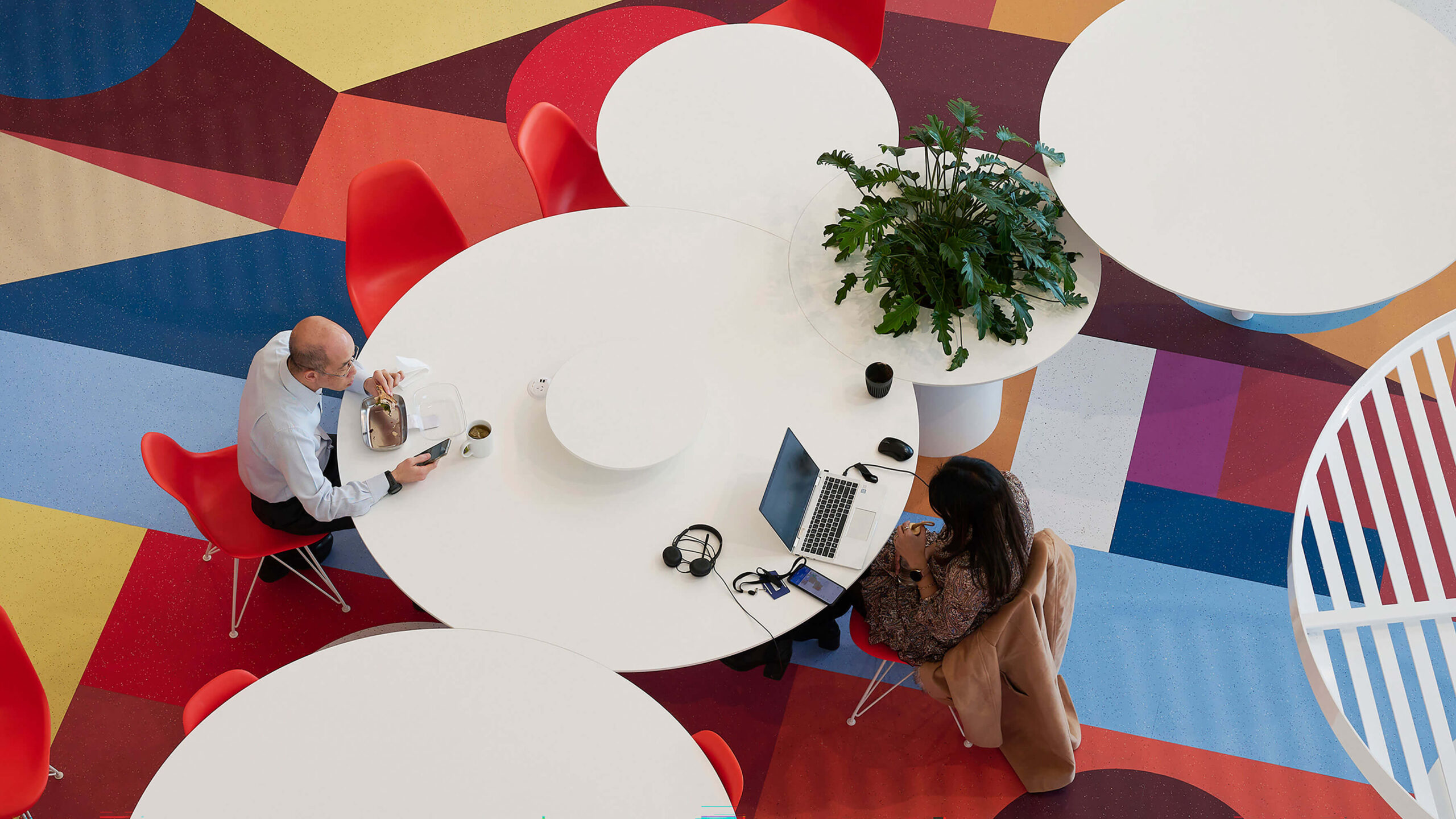
Establishing a global benchmark for quality, exceptional experience and elevated performance, Deloitte’s new headquarters, designed by international design practice Hassell, is a space emblematic of Sydney’s famous harbour.
Located inside the award-winning Quay Quarter Tower (QQT), the project redefines how large workplaces are conceived and used. Designed during the Covid19 lockdowns, its central purpose is to enable hybrid work, build capability and innovation, and support world-class client engagement.
Arranged over 14 floors in four interconnected ‘vertical villages’, each village caters to the diverse work styles, roles, personalities and preferences within the Deloitte community.
By combining Hassell and Deloitte’s insights on modern work trends, integrating seamless technology and prioritising a holistic approach to sustainability, the outcome is a compelling, diverse, sensory rich environment. Imbued with a captivating sense of place that quite literally draws people in, it encourages active participation, instils innate pride and is already a place that people love.