
Melrose Avenue | B.E. Architecture
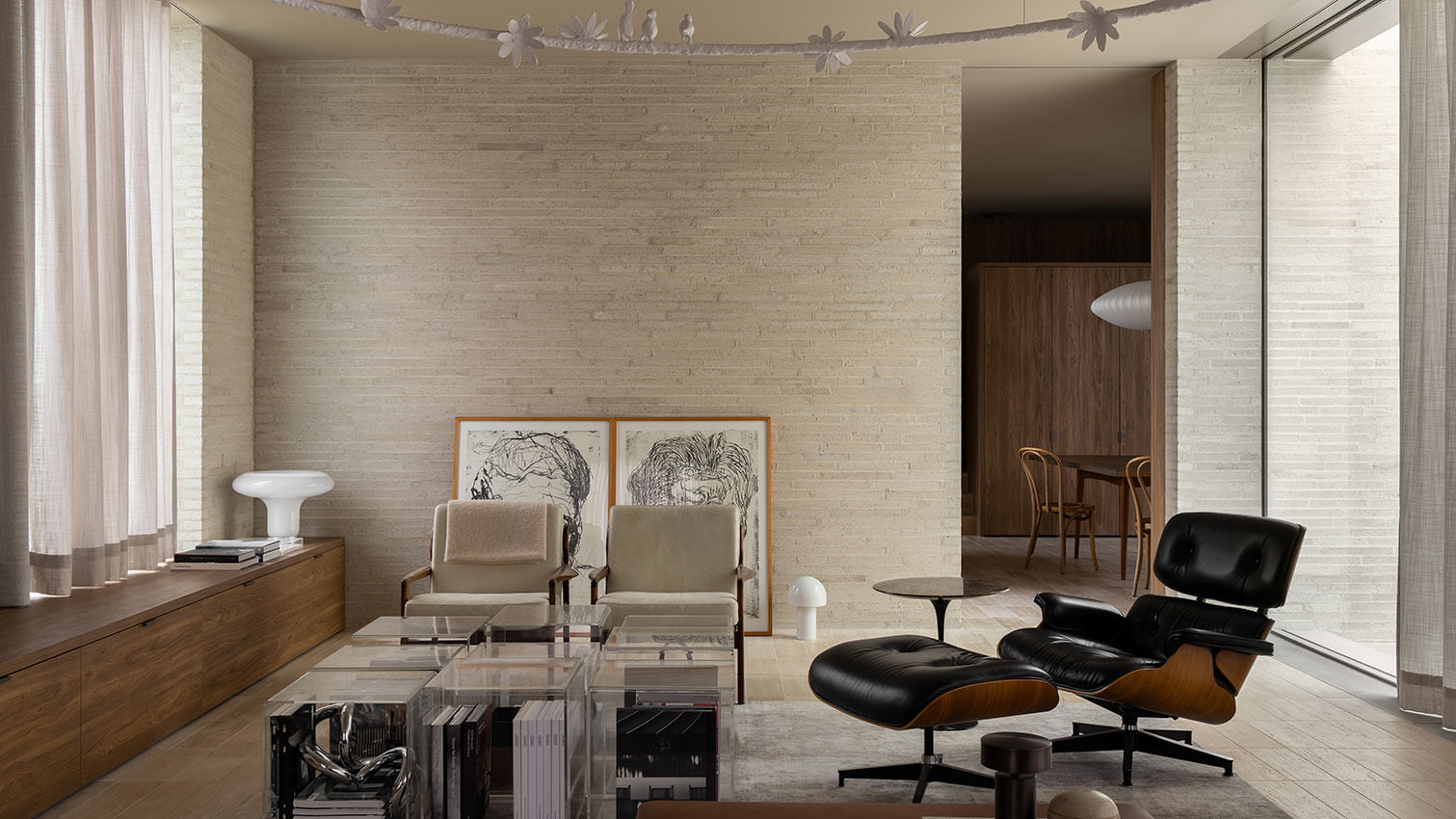
TBA
Memorial Hall – Christ Church Grammar School | McIldowie Partners

The refurbishment of this 1920s Multipurpose Memorial Hall thoughtfully preserves its rich history and gothicrevival features to create an enduring space that is both safe and suitable for primary school children. As a core principle, the restoration has removed multiple later additions and alterations to the building fabric, delivering a remarkable, timeless mixeduse space ideal for theatre and music performances, wetweather sports, afterschool care, assemblies, and community events.
MG House | Williams Burton Leopardi
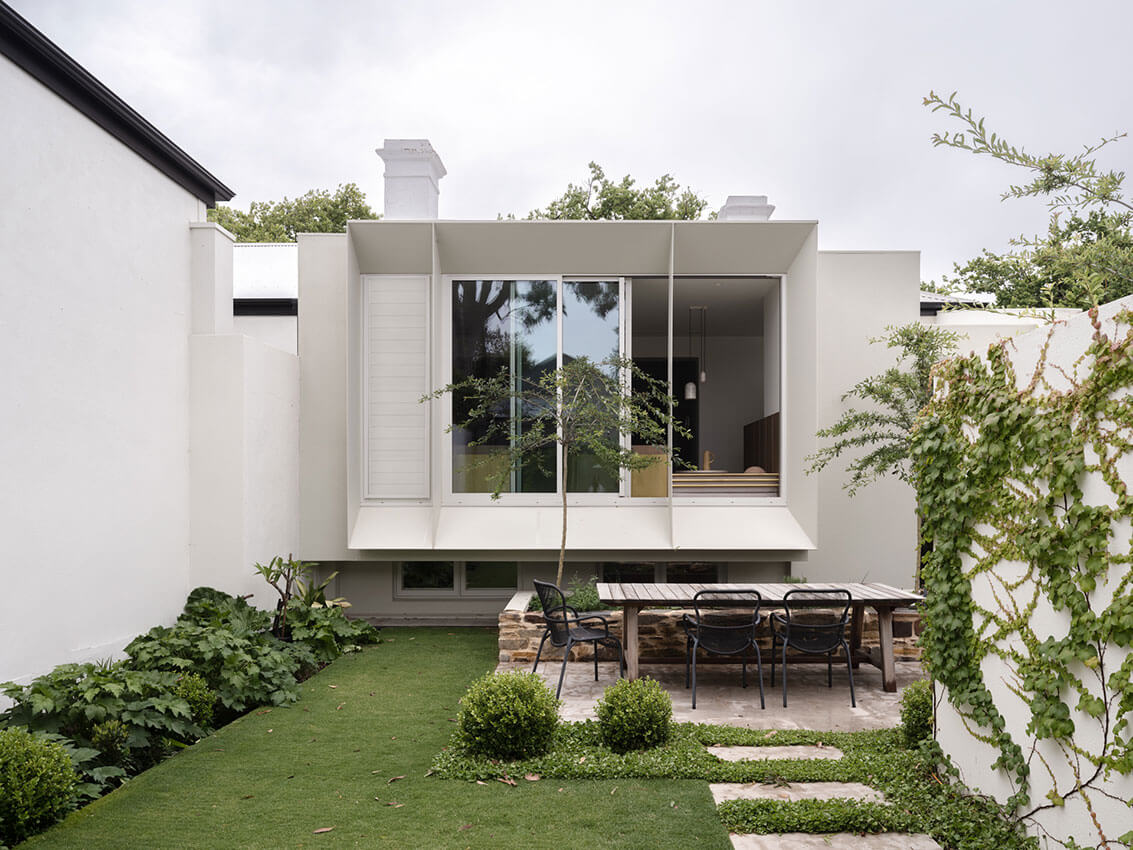
The layered nature of any heritage home is ultimately what makes its preservation so important. MG House – being one of the few of its style remaining in Adelaide – retained the memory of its past in so many ways and integrating reminders of that delicacy and filigree through a contemporary lens, became the focus. In crafting the interior to both connect and flow from inside-out, the curation and detailing of every element carries forward an homage to the past, emphasising a timelessness.
Opening up and reorienting the entry to the rear ensures the experience of the home (one that is light-filled and calm), is immediately present and all-consuming. Framed views and openings connect to the landscape, enriching a sense of seclusion. Throughout, personalised moments connect directly with the owners and the activities they love, while maintaining a sense of scale and grace.
Michael Kirby Building | Hassell

The Michael Kirby Building at Macquarie University tells a story of sustainable adaptation and growth, crafting new gathering spaces that encourage interaction and promote the exchange of ideas.
The design utilises the concrete framework of a pre-existing administration building as a foundation for a new timber structural system. The transformation extends beyond the structural, replacing the concrete shell with a transparent, glazed façade directly connecting the building to the tree canopy along Wally’s Walk.
A previously exposed courtyard is now transformed into an enclosed, naturally ventilated atrium space. A series of skylights provide controlled lighting, providing equal parts sun and shade.
The decision to re-use rather than fully demolish has extended the life of the building. Creating a high quality crafted timber interior speaks to Macquarie University’s ongoing commitment to a sustainable campus.
LMS Energy Headquarters | DesignInc
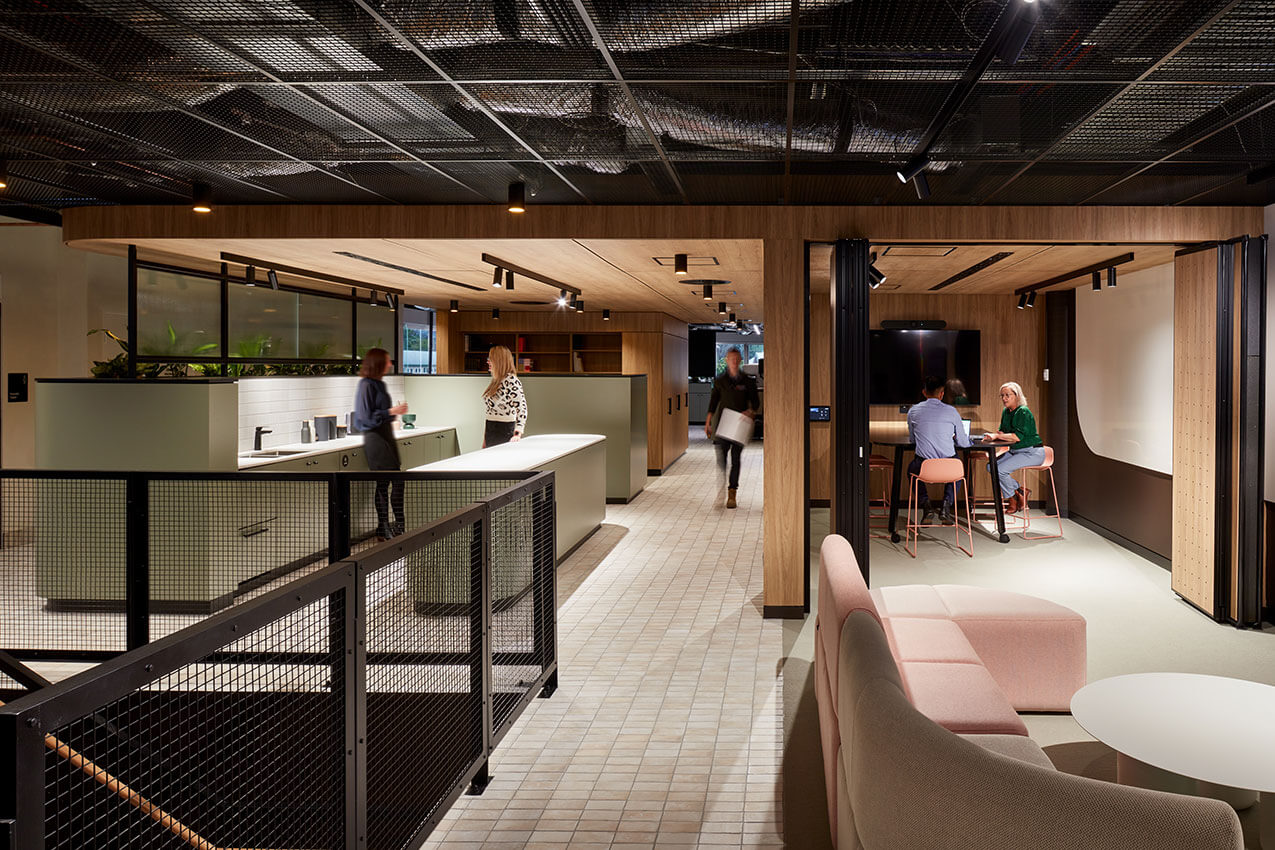
LMS Energy Headquarters in Adelaide marks a significant shift from traditional operations to a hybrid workplace, encouraging industry, employees, and families to unite as a community. The repurposed building spans two levels connected by a central light-filled stairway. A tiered planter and seating area beneath the stairs serves as a waiting area that leads into a spacious kitchen and gathering space. Different work settings support the open plan offices, including quiet rooms and booths and formal and informal collaboration spaces that promote teamwork and offer flexibility for remote employees. The design team has chosen eco-friendly materials and incorporated greenery, glazing film, and curtains to reduce solar heat gain. A rooftop solar array powers the building, and the underground car park houses two electric vehicle chargers. The new headquarters reflects LMS Energy’s innovative industrial spirit while maintaining a commitment to environmental and social sustainability.
Lu Style – Shanghai | Schin Architects with Atelier W
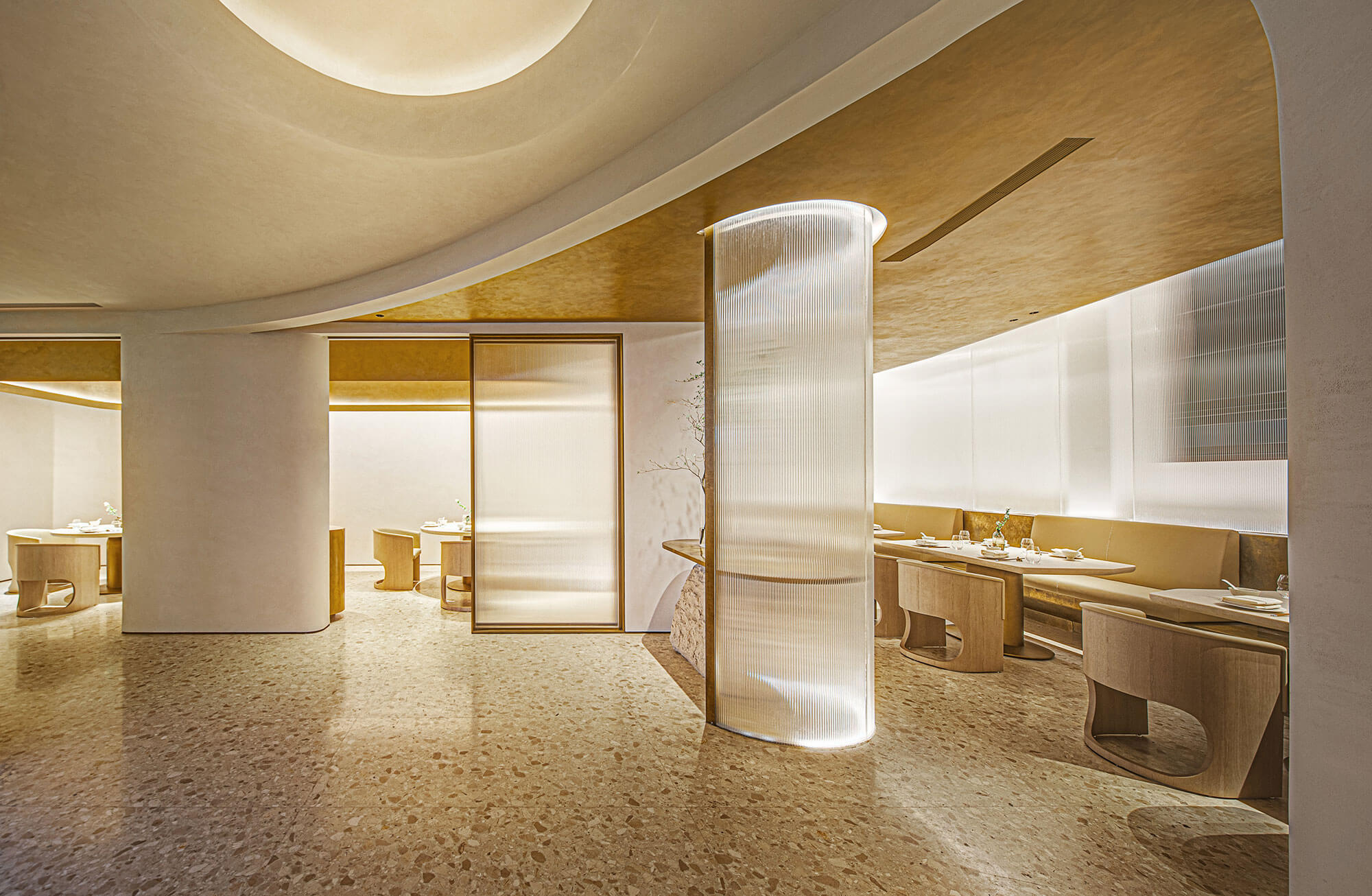
Lu Style Shanghai is the seventh edition of this boutique restaurant chain. Situated in a pair of traditional Shanghai Shikumen dwellings, the restaurant serves luxury cuisine originating from the coastal Shandong province.
The project comprises a combination of dining formats with an emphasis on private dining rooms combined with three bar areas and a flexible multipurpose art gallery and function space. Working within the tight confines of a reconstructed heritage site, we sought to bring a light touch and breathe a breath of fresh air into the formal and somewhat austere buildings. The result was a series of spaces that were unexpected and engaging, encouraging further exploration.
Maitland Administration Centre | Maitland City Council, BVN, PTW and EJE

The new Maitland Administration Centre is a key new civic element that reinforces a connection to Maitland’s past. The project incorporates and celebrates a number of significant buildings from different eras, dominated by the 1890 Town Hall.
The heart of the project is the new grand lobby. Its public nature is important in connecting the office, performance and civic functions of the facility. The lobby cleverly navigates design and heritage issues allowing future relevance of key community areas such as the Town Hall and Council Chambers.
The new Administration component responds to its context and recognises its importance in the civic and cultural life of the community and representing the ideas of permanence and presence. The design utilises a masonry screen wrap to address massing and materials.
The new building seeks to create a dynamic workplace and reinvigorated public facility with a high level of amenity for staff and visitors.
LAVADA | Studio Ilk

We were approached by Tash and Dan to reimagine their wellness clinic. The new tenancy embedded in the historic IXL Jam Factory fabric on Hobarts waterfront, 700% larger than their previous location.
Contemporary elements carefully inserted into the constrained heritage envelope; spatial arrangement maximising natural light within a deep floor plan with minimal openings to the exterior façade.
Intentionally engaging and celebrating the work of local craftspeople and designers, from the bespoke furniture to handcrafted ceramics which form part of the subtle wayfinding experience navigating through the clinic.
Stripping back preceding superficial fabric, deliberately exposing and highlighting structure and services within the ceiling zone, celebrating the required functional elements and layers of history in public and shared spaces rather than hiding them away.
An earthy textural layer of materiality provides consistent language of materials: tasmanian oak and travertine. Embodying the Lavada brand which speaks of the uniqueness of lutruwita, Tasmania.
Ledgar Rise | Studio Architecture + Interiors
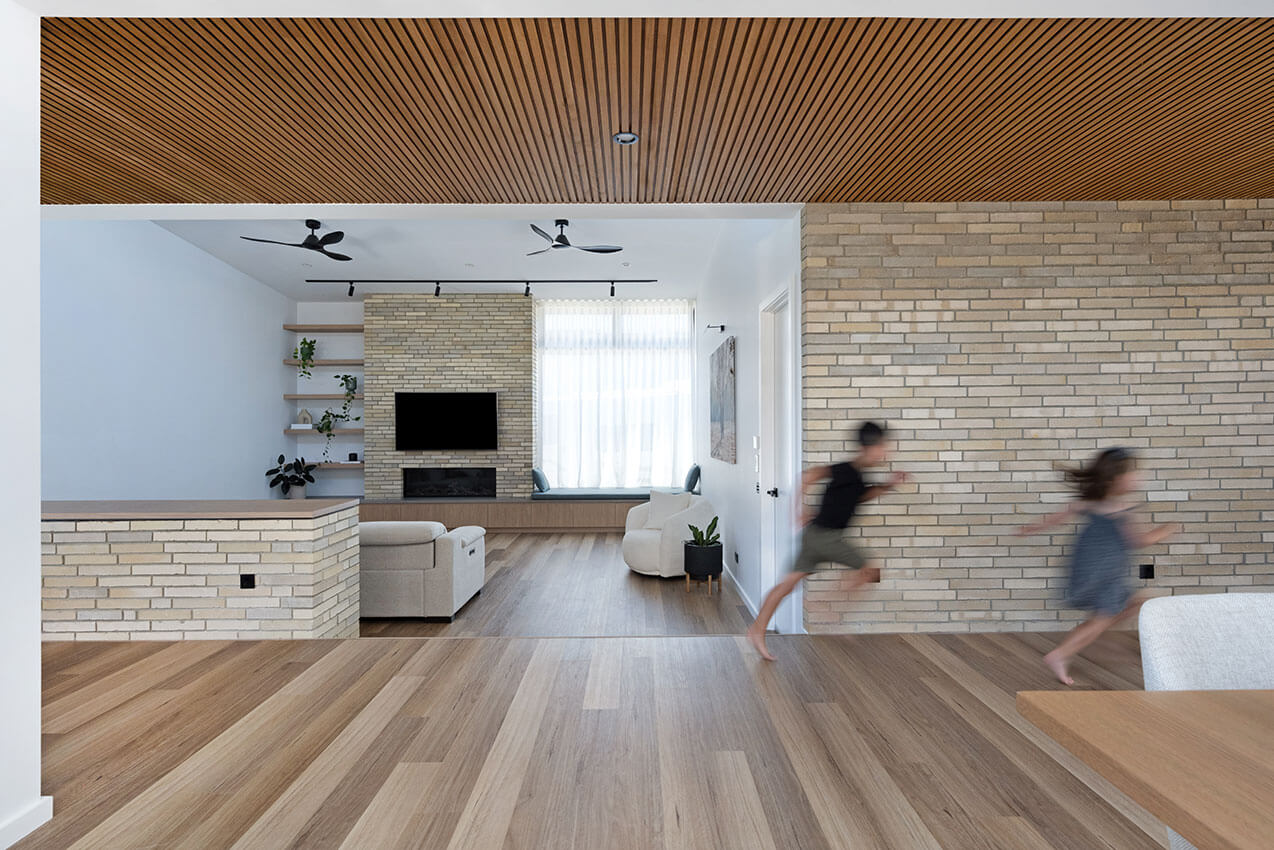
Ledgar Rise exudes sophistication and warmth in its clean and elegant design. The house seamlessly integrates with its natural surroundings, boasting robust materials and a carefully chosen colour palette that blend effortlessly with the adjacent nature reserve. Inside, timber ceilings and feature brickwork guide visitors through a spatial sequence that encourages organic flow.
With high ceilings and abundant natural light, the home achieves a sense of space while maintaining thermal comfort through strategic orientation and ventilation. Despite its modest size, Ledgar Rise offers versatile spaces designed for multipurpose use and adaptable utilization, fostering integration with its surroundings.
From breathtaking views of the hills to the serene retreat of the master bedroom, every aspect of the design emphasizes harmony with nature. Ledgar Rise sets a modern standard for family homes, embodying thoughtful design, sustainable living, and harmonious integration with nature, providing residents with a sanctuary to thrive.
Lee House | Candalepas Associates
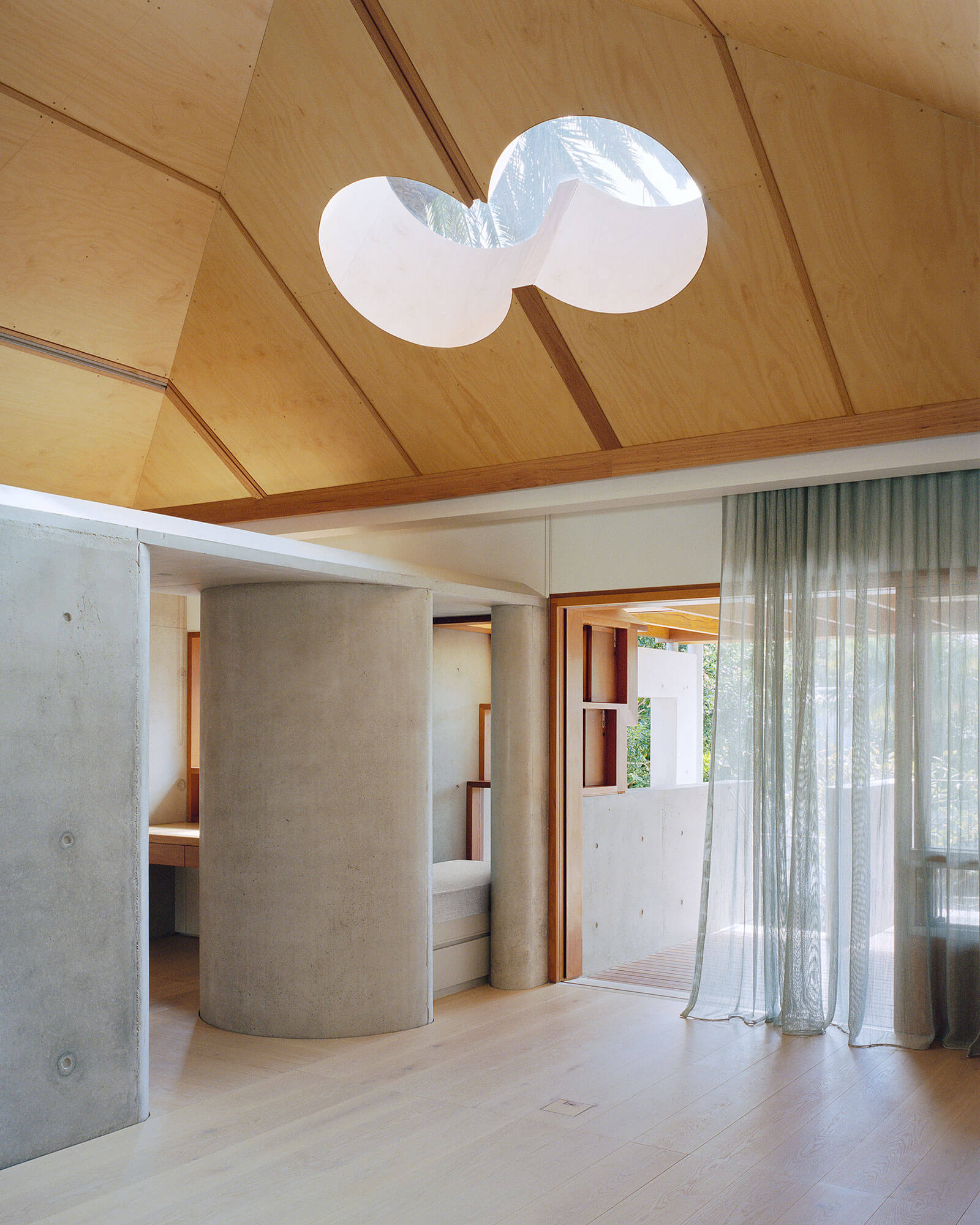
This is a reimagining of the traditional Watson’s Bay fisherman’s cottage. Responding to the heritage of the area, there is a recasting of a derelict fisherman’s cottage into a contemporary home of permanence
Whilst modest in size, the building provides all the needs to its inhabitants with a minimum of fuss, offering a sense of calm repose. Light, material, and form considerations guided the interior development, organized around a central off form concrete barrier. Initially presenting a wholly traditional facade from the street, the design subtly evolves into contemporary materials and forms along the sides, culminating in a contemporary at the rear.
From the interior a carefully considered sequence of spaces leads to an external landscaped patio from where the architecture of concrete, timber and steel characterise the building’s nature as an offering to those who will inhabit this work in the next few generations.