
GardenHaus | Linden Thorley Architects

With glimpses of the ocean from the existing front deck, a first-floor addition afforded a vista down the street towards the ocean and connection to the sky. The result is a modern, light filled, energy efficient residence suitable for a young family with an open beach house feel. The new addition seamlessly fits into its surroundings as a contemporary interpretation of the pitched gable roof forms of the street.
Key components of the client brief were strong sustainability ambitions centred around modest scale, a bigger garden, enjoyment of the coastal location and energy efficiency. The building is designed to the Passivhaus EnerPHIT standard for retrofit projects, ensuring 90% less energy consumption to achieve year-round ideal thermal comfort and excellent air quality.
Golden Elm House | Khab Architects
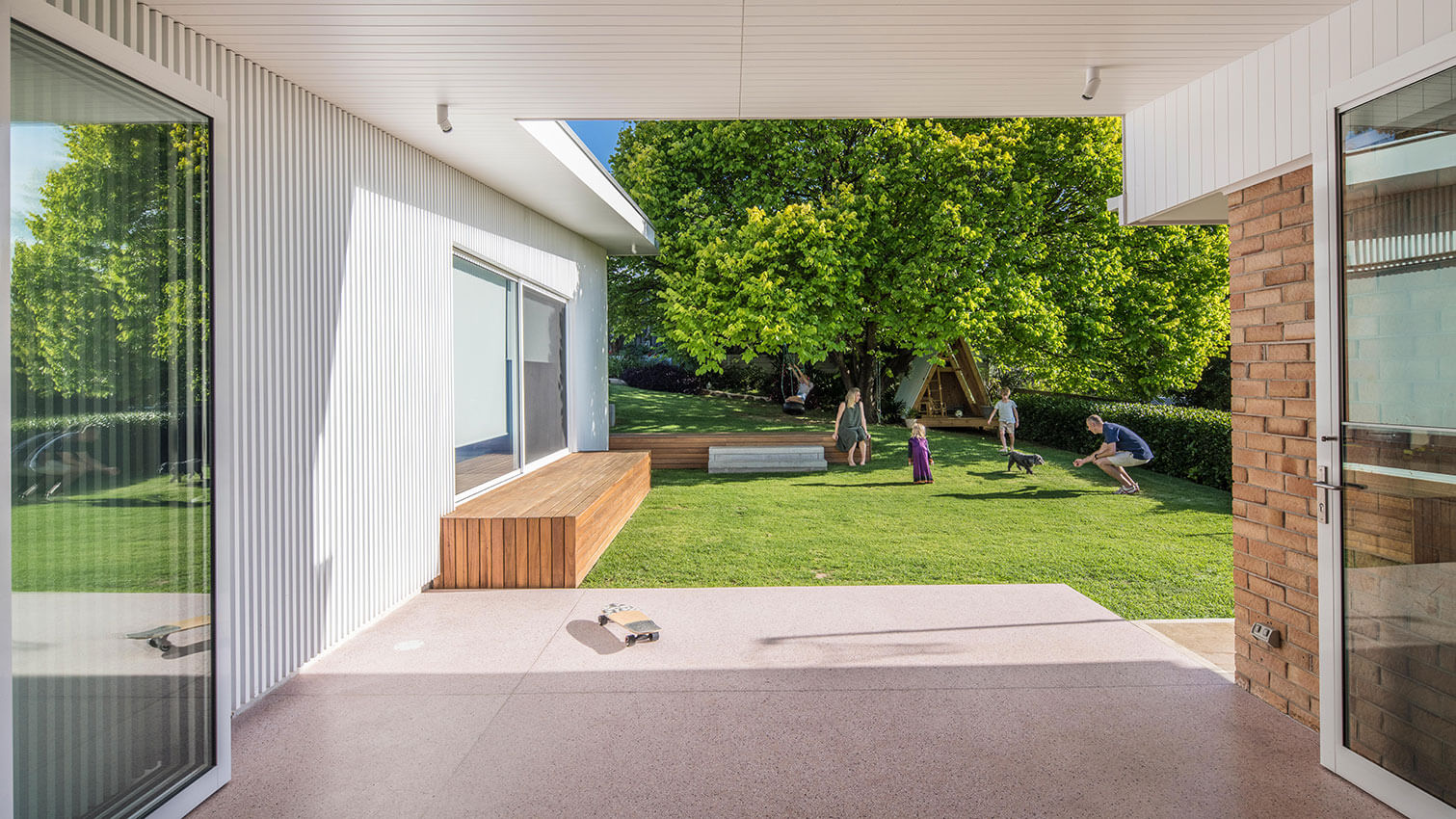
Golden Elm House is a forever home, set up for family well-being and adaptability over time.
This project celebrates a large Golden Elm tree that is special to both the site and the people. With an intent to open to the Elm and rear garden, we respectfully reorganised some of the existing house, connected the previously disconnected basement to the ground level, and created a garden wing for the kids that hugs the side of the block and climbs up the hill alongside the Elm.
The new Kid’s Wing has adaptive spaces for the children that open and close in various ways to suit levels of interaction, from which the children can see both the magical tree, and the flight their dad pilots, landing on the horizon.
Golden Elm House is a dynamic family home that honours the original house and opens its arms to the magical Golden Elm.
Finlay Street | Christopher Clinton Architect

The Finlay Street project centres on a heritage-listed utility structure, once part of 34 Hampden Road. Alterations feature a new living area, removal of an unsympathetic fit-out, and landscaping with a north-facing green ‘warm’ roof. ‘Portals’ with integrated joinery enhance functionality and selectively frame views in existing west-facing openings. The northern addition maintains the original floor level, integrating a green roof intentionally kept low. A ‘lantern’ roof section, set apart as a distinctive glazed form independent of the main building, allows light penetration, ensures privacy, and establishes a visual link with the original house. Internal improvements expose and preserve the original brick structure, replacing laminate flooring with Tasmanian oak, and introducing detailed timber joinery. Achieving a harmonious blend of contemporary living, conservation, and historical sensitivity, this project reflects a successful collaboration among architect, client, and builder. The delicate balance between heritage preservation, functionality, sustainability, cost, and aesthetics defines its success.
Fun House | ASA

Fun House seeks to push preconceptions of space per person on a small 117m2 urban site. The primary dwelling is constructed behind the existing cottage frontage and a secondary detached dwelling sits along the rear lane. Separation between the dwellings offers flexibility in household permutations, with a total of 6 people being able to reside on the site. The maximised central courtyard was important to provide both dwellings with access to light, ventilation and landscape outlooks.
Also serving as an intermediate space, each dwelling can passively interact with one another from across the courtyard. The incorporation of varying paint colours and material textures gives each room unique personalities within the efficient floor plan. Built to the Passive House Standard, using durable materials and high-performance detailing means the dwellings are futureproofed to withstand extreme weather events, whilst using very low operational energy.
DOUGLAS | Ahron Best Architects

Douglas is a play full alteration and addition that transforms an existing classic semi into a modern living sanctuary for a young family of four.
The concept, a simple sectional diagram, creates uplifting spaces and a feeling of openness throughout the home.
Convex curved ceilings provide access to northern light and sweeping views to a central roof garden and beyond. The ceilings act to define the various functions of the house providing a balance of privacy and connection between the spaces.
High level windows allow for light and air to circulate home.
East Street Alterations & Additions | Philip Stejskal Architecture
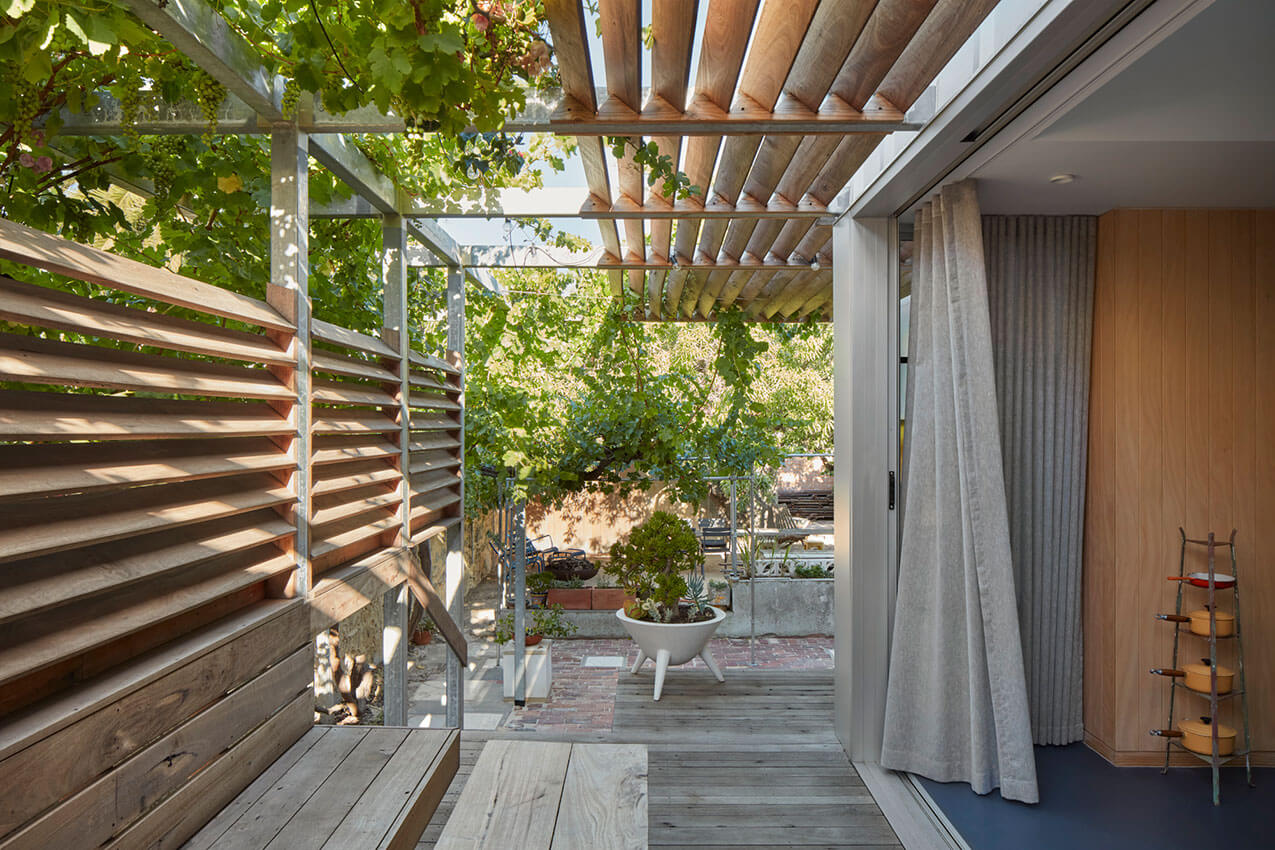
For us this project encapsulates the essence of what a modest alterations and additions project can mean for an existing, longinthetooth family home.
The home consists of three elements a workers cottage to the street, a subsequent leanto and an even later tworoom brick addition to the rear. It was the deterioration of the central portion that led to this project.
The heritage cottage and brick addition were retained and restored, the central leanto carefully excised and a new addition grafted in its place.
The new intervention has not only healed a wound, but has given existing elements new meaning and cohesion, brought environmental resilience to the overall home, and prolonged its relevance and longevity in the face of climate and evolving family needs.
It has shown that a modest investment, strategically employed, can be transformative.
Ember | MRTN Architects

Two studios with a unified language but serve contrasting purposes, to work and not to work. One exercise and meditation space, that can also be used as a guest room. The other, a work and inspiration space for a writer and art director. There was a clear decision not to build an addition to the existing home, but to keep its original form and create private spaces that physically detached but visually connected. The purpose and inhabitant of each building help to determine its form; that they be separate but with a connecting space between.
Courtyard House | Atelier M

Courtyard House is an Alteration & Addition to the Heritage Listed Rinaultrie.
The brief was for a contemporary modification that created a better connection to the garden, improving privacy from the neighbours, whilst sculpting pockets of sunlight with the addition of new contemporary spaces.
The extension is a checkerboard of rooms and courtyards creating varied spaces. The morning courtyard capturing the eastern sun for a cup of tea, the larger afternoon courtyard which basks in the northern sunlight for family feasts that continue well past sunset, and the triangular double height space over the sunroom with its custom designed couch with seats facing the garden and courtyard.
The rear addition makes reference to the original fabric in the use of its matching sandstone, face brick and rendered walls, under its timber lined slate roof. It has done so with equal delight in the detailing.
City Beach House | MORQ Architecture
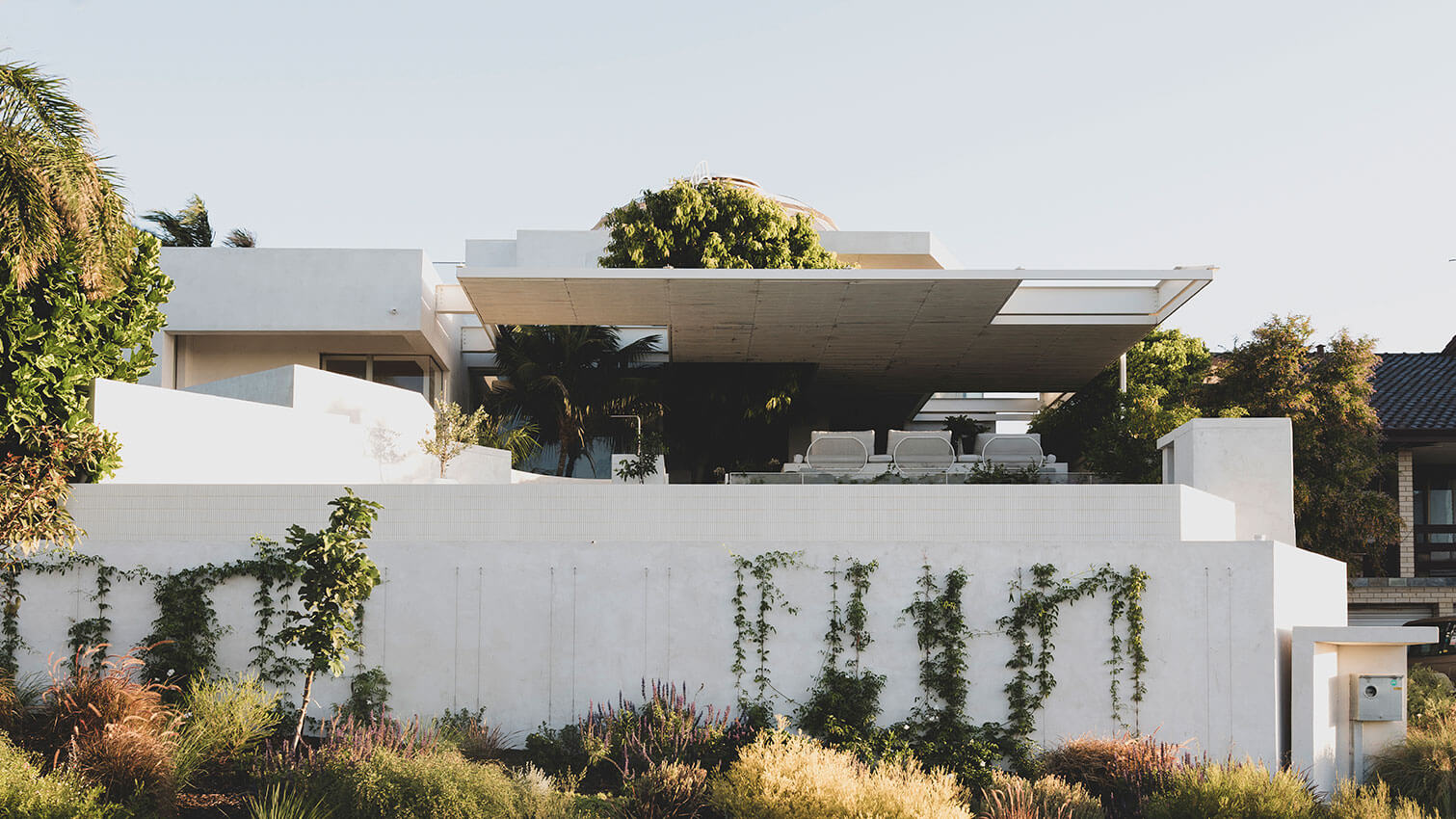
The first act of design was to answer the Clients needs through adaptivereuse rather than a newbuild.
Such an approach is exemplary from an environmental and resourcing perspective, and highly beneficial to the memory and meaning of the neighbourhood.
Equally exemplary is the ability to generate significant enhancements through limited alterations: a philological design strategy.
All requirements were accommodated within the original envelope, with newly designed outdoor living spaces: a terraced landscape and pool area under a large, suspended canopy.
Light earthen render and rich Cotto floor define the material palette, extending the interior onto the exterior, creating a refined Mediterranean atmosphere.
The project embodies longstanding principles of passive design, creating a comfortable living environment with low energy requirements.
Existing vegetation on the site was retained and expanded as a layer of sun protection, while providing mutual amenity, respite, and privacy to the house, the neighbouring properties, and the street.
Connected House | Architects EAT
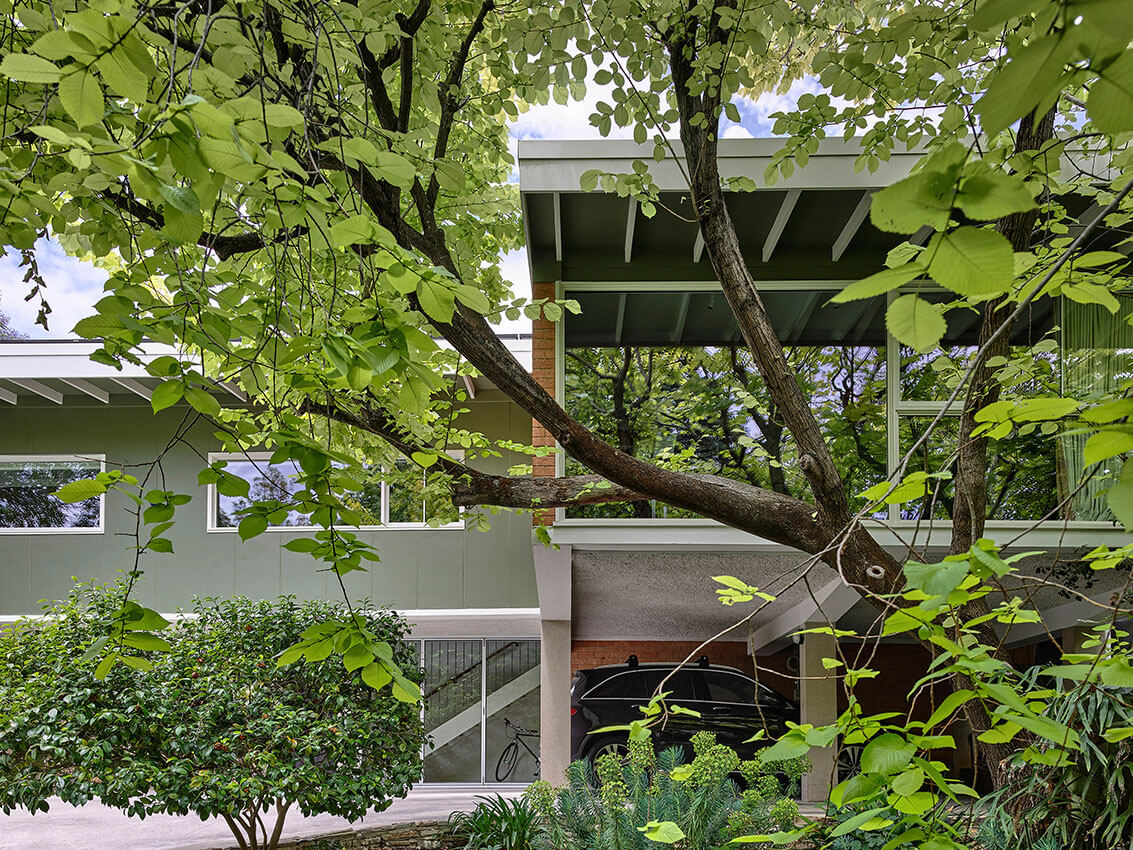
Few projects allow as much experimentation as an architects own home, Connected House is no exception. Fifteen years ago architect/client, Albert Mo and his family moved into a 1950s midcentury home designed by Peter McIntyre. For more than a decade they ruminated on design philosophes that would become the driving force behind the extension. The conceptual framework for the project balanced the restoration of architectural heritage with a new approach to outdoor connections and a growing floor plan to accommodate teenage children. The resulting home is as much about garden as it is about building, the daily ritual of living interacts with nature at all levels from the cantilevered lounge room in the canopy of a mature elm, to the dining tables microcosm courtyard garden.