Did you know artificial light affects how we see the night sky? Join lighting expert Landon Bannister, President of Dark Sky Tasmania, for an evening walk through Oatlands. Discover how lighting shapes our towns, influences wildlife and contributes to light pollution.
Built in 1858 by Samuel Blackwell, the Melton Mowbray Hotel was a hotspot for 1800s horse racing and hound hunting. With its own racecourse, hidden convict cell and servant quarters, it even hosted the Duke of Edinburgh on his royal tour. Today its rare stone horse trough still stands, recalling the heyday of horse-drawn coaches, […]
Join retired architect Ian Johnson for an inspiring watercolour session in the heart of historic Oatlands. Surrounded by sandstone streetscapes and colonial charm, you’ll learn techniques to capture the town’s unique beauty on paper. Perfect for beginners or seasoned painters, this creative experience blends architecture, history, and a touch of Tasmanian character in one memorable […]
Stroll the grounds of Woodbury, once derelict, this grand Gothic Revival home (extended c1870) has been lovingly brought back to life by Linda and Allen Cooper. From rebuilding cottages and outbuildings to crafting period-style timberwork and even adding a stone-walled garden and greenhouse (c2019), their passion shines through every detail. Explore restored history, wander tree-lined […]
Built in 1837 by publican John Vincent, Callington Mill in Oatlands once milled grain and produced bootleg whisky. Restored in 2010, it became the only working Lincolnshire tower mill in the southern hemisphere. Today it’s also Tasmania’s largest whisky distillery, blending industrial production with a welcoming cellar-door experience. Join Cumulus Studio’s architects for a guided […]
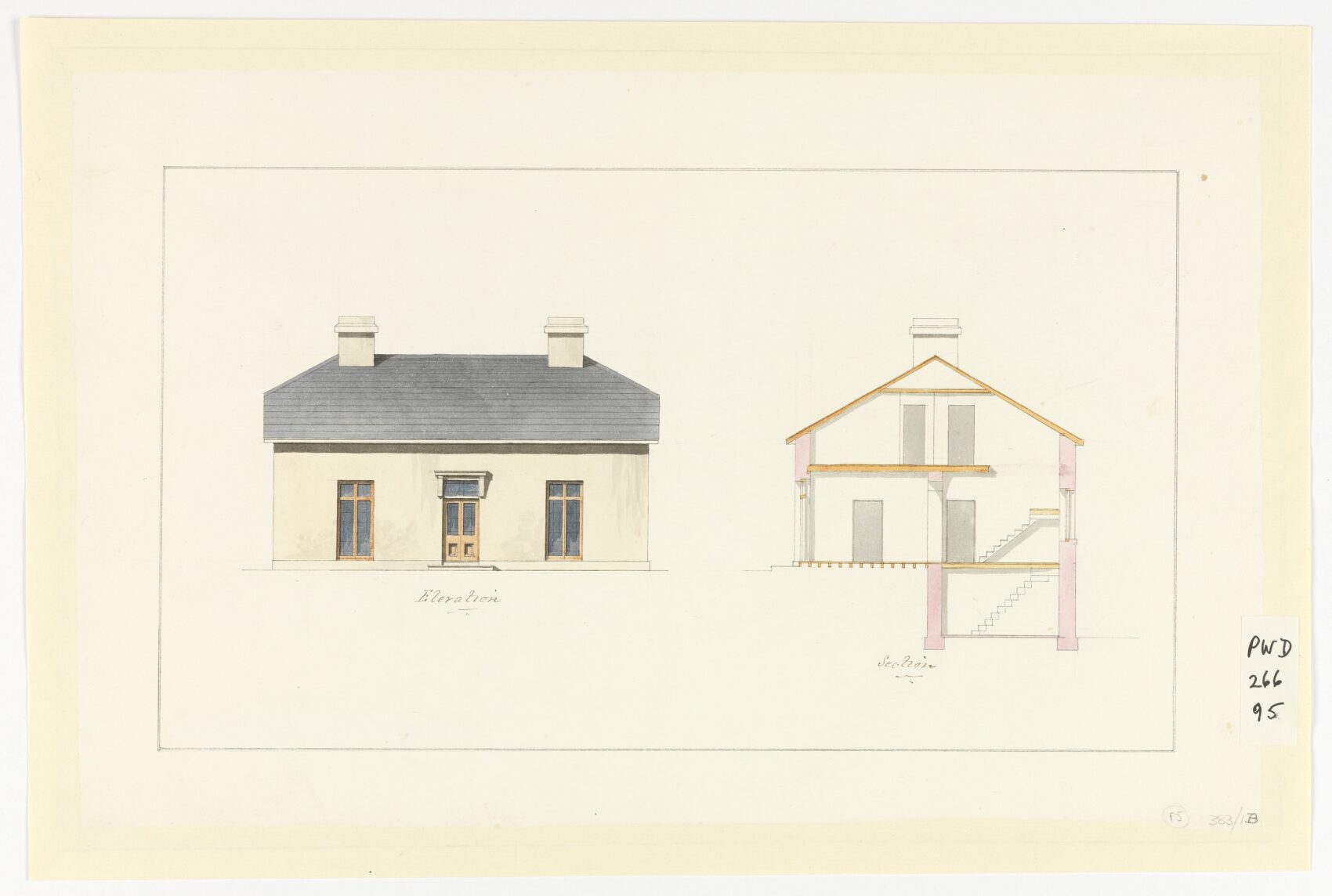
Built in 1842 by Reverend George Otter and Mary Anne Wedge, Glebe House is one of Kempton’s finest historic homes. Once an “Establishment for Young Ladies,” it later became a private residence and even hosted a shop built in 1921. Remarkably unaltered, it retains the original joinery. Today archaeologist Brad Williams continues its faithful restoration, […]
Near Kempton, Lonsdale began as a modest 1823 Colonial Georgian farmhouse, later gaining a grand Victorian Georgian front in 1855. Its bread oven, stonework, timber lintels and hidden shingle roof hint at settler life and rising pastoral fortunes. For over 150 years a family home, it’s now lovingly preserved by Alan Townsend, whose careful restoration […]
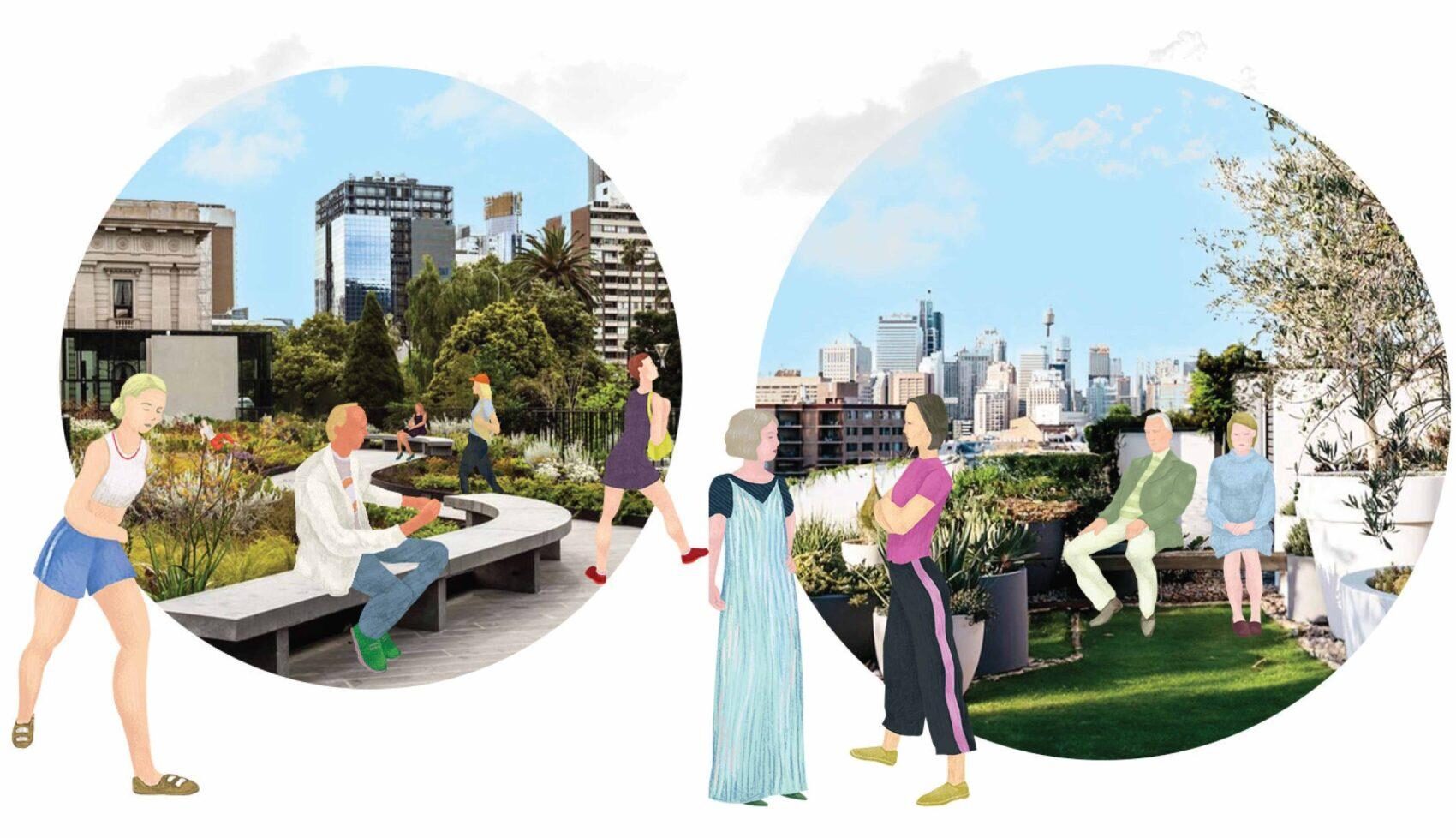
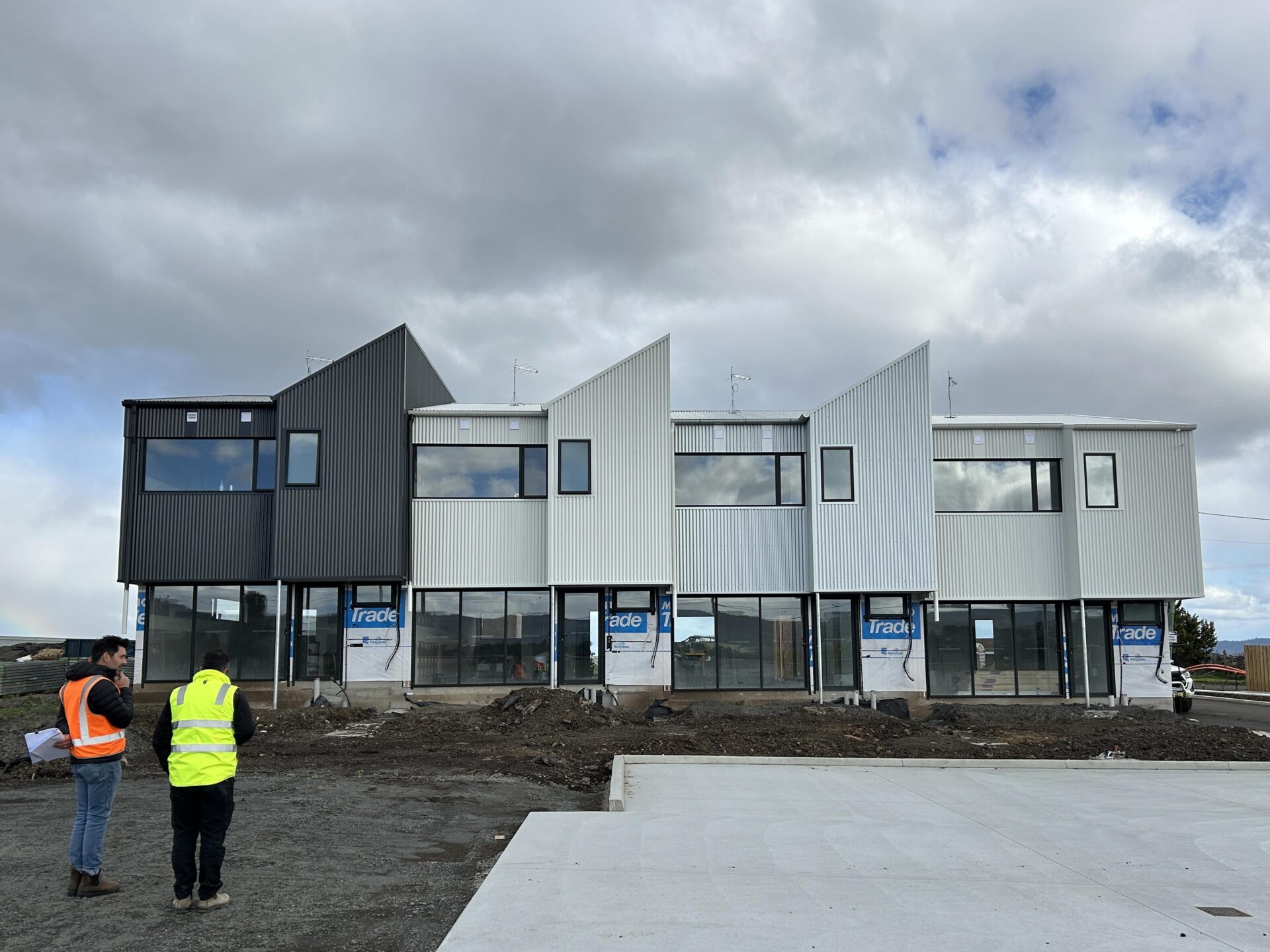
Housing has become a key issue in Australia, with housing availability and affordability becoming increasingly challenging. SPECULATE III: Housing Futures presents ideas developed by students from the School of Architecture & Design at the University of Tasmania for multi-residential housing in Hobart to provide more diverse housing typologies closer to the city and services. These […]
Join experts in historical research to learn how to dive into the archives and explore your house’s story. Hosted by Dr Imogen Wegman from the Family History Program at the University of Tasmania, in collaboration with the State Library and Archives of Tasmania.
A Q&A on how architects and developers work together to deliver better housing. Affordable housing is often seen as a challenge, but it’s also a shared opportunity. 1+2 Architecture and The Young Group come together to explore how their different perspectives, priorities, and skillsets can align to deliver high-quality, cost-effective housing that serves real community […]
Take a one hour guided walking tour of Hobart after dark through the eyes of a lighting professional. Learn how the lighting we add to our city impacts the way we use it and the environment around us.
We need your help to support a great cause. The Sheltered Ground Exhibition + Silent Auction is back in 2025, raising funds for the Hobart Women’s Shelter. Come along, bid, and help celebrate creativity and community. The event is organised by the Tasmanian Emerging Architects and Graduates Network (EmAGN), with all proceeds going directly to […]
Reflect on our city with creative eyes in an informal sketching and watercolour session with architect and artist Ian Johnson. This session takes place outside Brooke Street Pier, providing many different outlooks across the Derwent River, through to Salamanca and up to kunanyi/Mt Wellington.
Architect, Robert Morris-Nunn, will take you on a 90-minute walking tour through Hobart’s major waterfront buildings and provide insight into the various ‘shed’ projects he and his team have designed within Sullivans Cove.
Beneath the inconspicuous Bank Arcade are the remains of Hobart’s oldest known building. Join owner John Short for a stickybeak of the layers of this historic site, and hear the tales of previous owners through photographs, artwork and archaeology. If only these walls could talk.
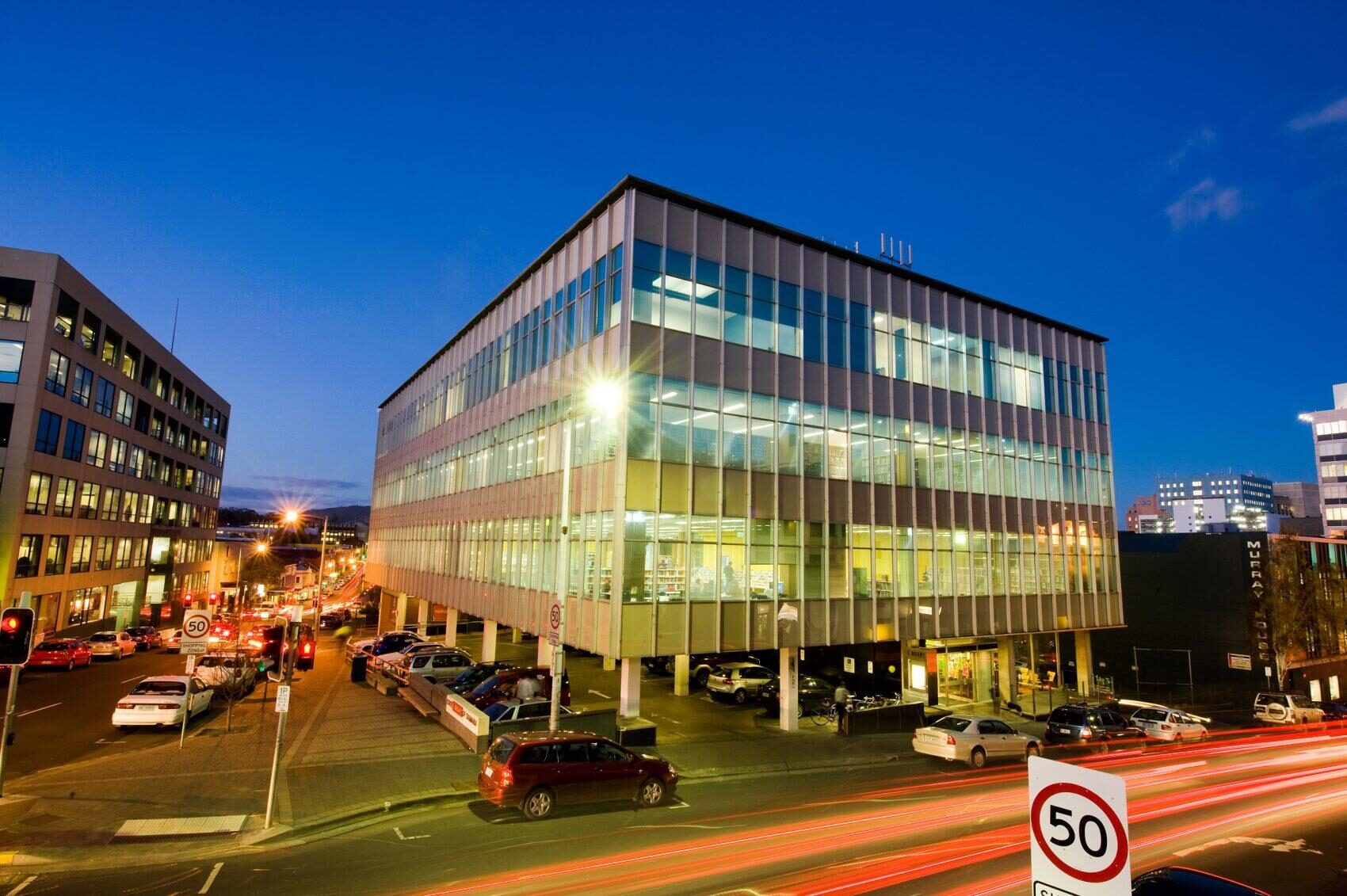
The façade of the State Library of Tasmania (now Libraries Tasmania) is the earliest example of a Modernist glass curtain wall in Hobart, with sleek mid-century details throughout. Come and explore The Allport Library and Museum of Fine Arts which features nationally significant Tasmanian colonial art, books, and objects.
The Supreme Court of Hobart is an exemplary, enduring piece of public architecture that makes a poised contribution to the city of Hobart. The plaza between the two court buildings creates a diagonal landscape link between St David’s Park, the adjacent Parliament House and the Sullivans Cove waterfront. The Court strives to combine the Modernist […]
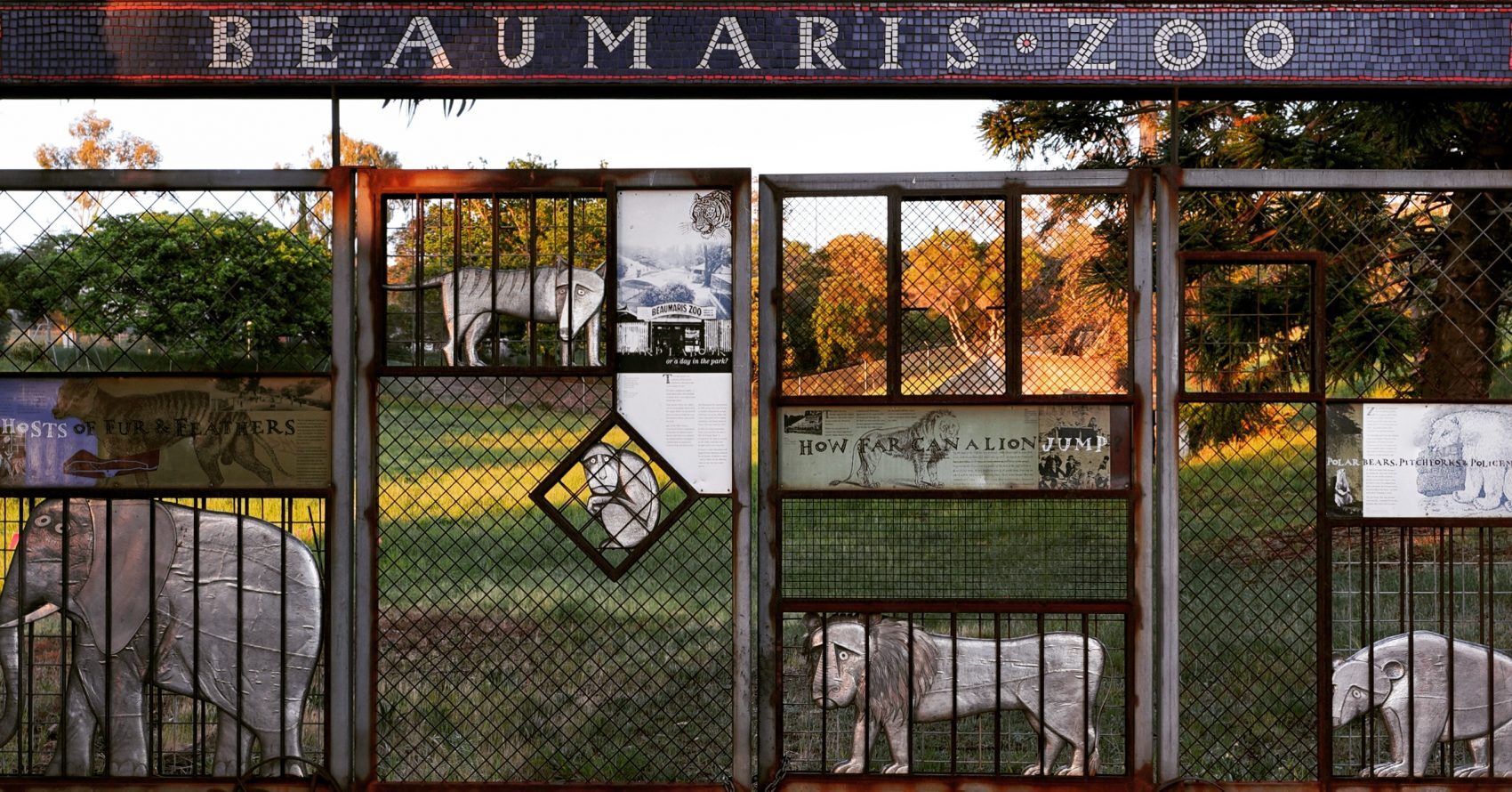
This abandoned zoo once housed a wide variety of animals including lions, tigers, leopards, elephants, monkeys and polar bears, and is most notably remembered as the home of the last captive thylacine (died 1936). Wander amongst the remains of old animal enclosures at this fascinating site.
Constructed in 1911 as the Philip Smith Training College, the Philip Smith Centre is an important example of ‘hygienic’ design, which values light and ventilation. It references the Gothic character of the adjacent Domain House, while being an Arts and Crafts building and has been maintained as a community education building since 1997. Lovell Chen […]
A schoolhouse that has stood the test of time with several incarnations as an educational institution – opening in 1850 as the High School of Hobart Town, becoming the University of Tasmania in 1892, and subsequently used by a variety of Tasmanian educational institutions – it became known as Domain House in the 1970s and […]
Have you noticed the transformations that are happening at the Hobart Airport? Come on a tour with one of the architects working behind the scenes to learn about how the changes are happening at the same time that the airport remains open to passengers! Step inside Hobart Airport’s fascinating story. Originally operated by the Department […]
From the humble first cottages to the fine sandstone mansions of prominent people, Battery Point’s dense mix of buildings are a tangible expression of the co-existence of working class and wealthy privilege between 1805 and 1850. Walk the streets and hear the stories behind the simple Georgian workers cottages, the elegant Regency mansions, and the […]
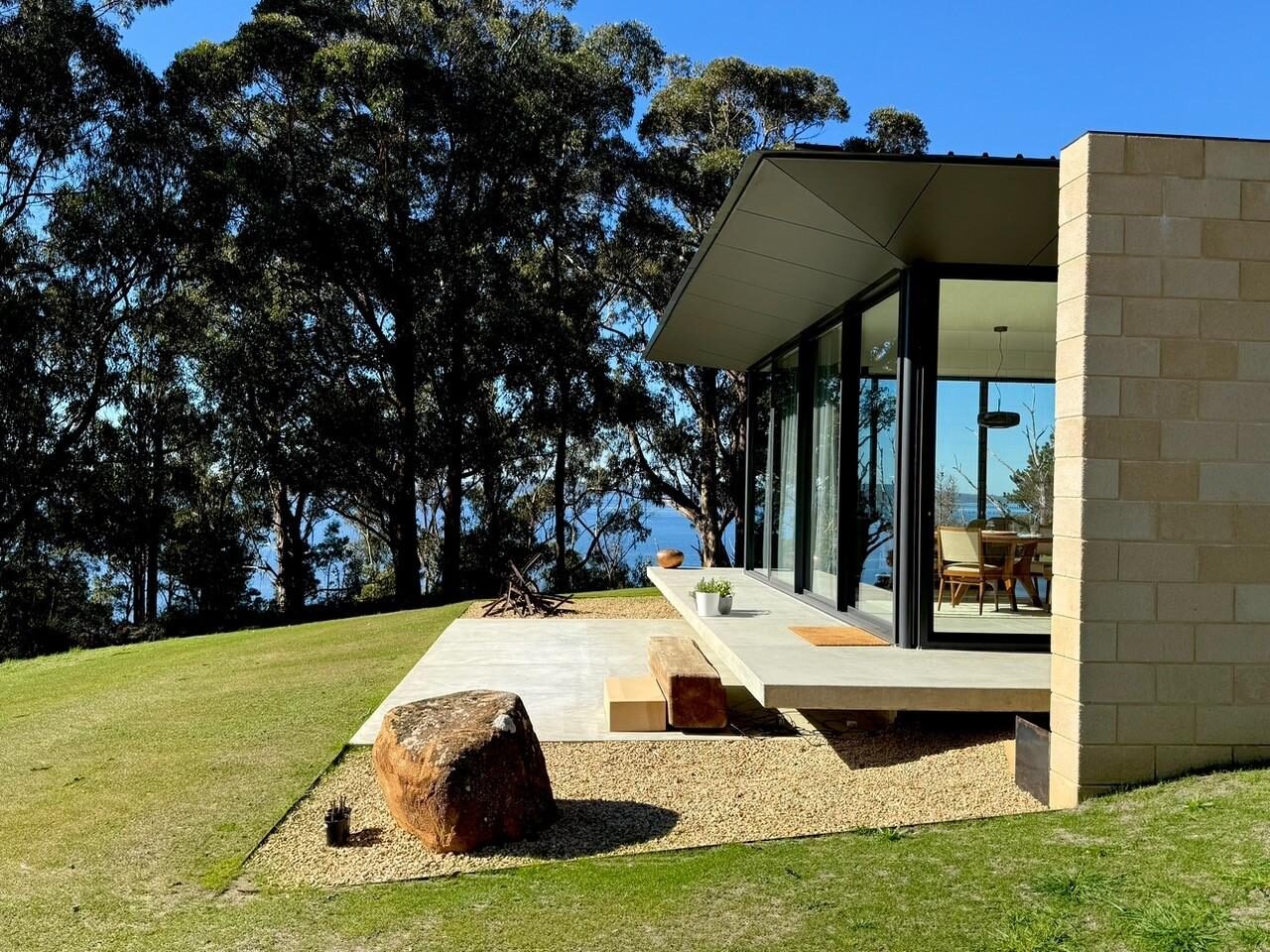
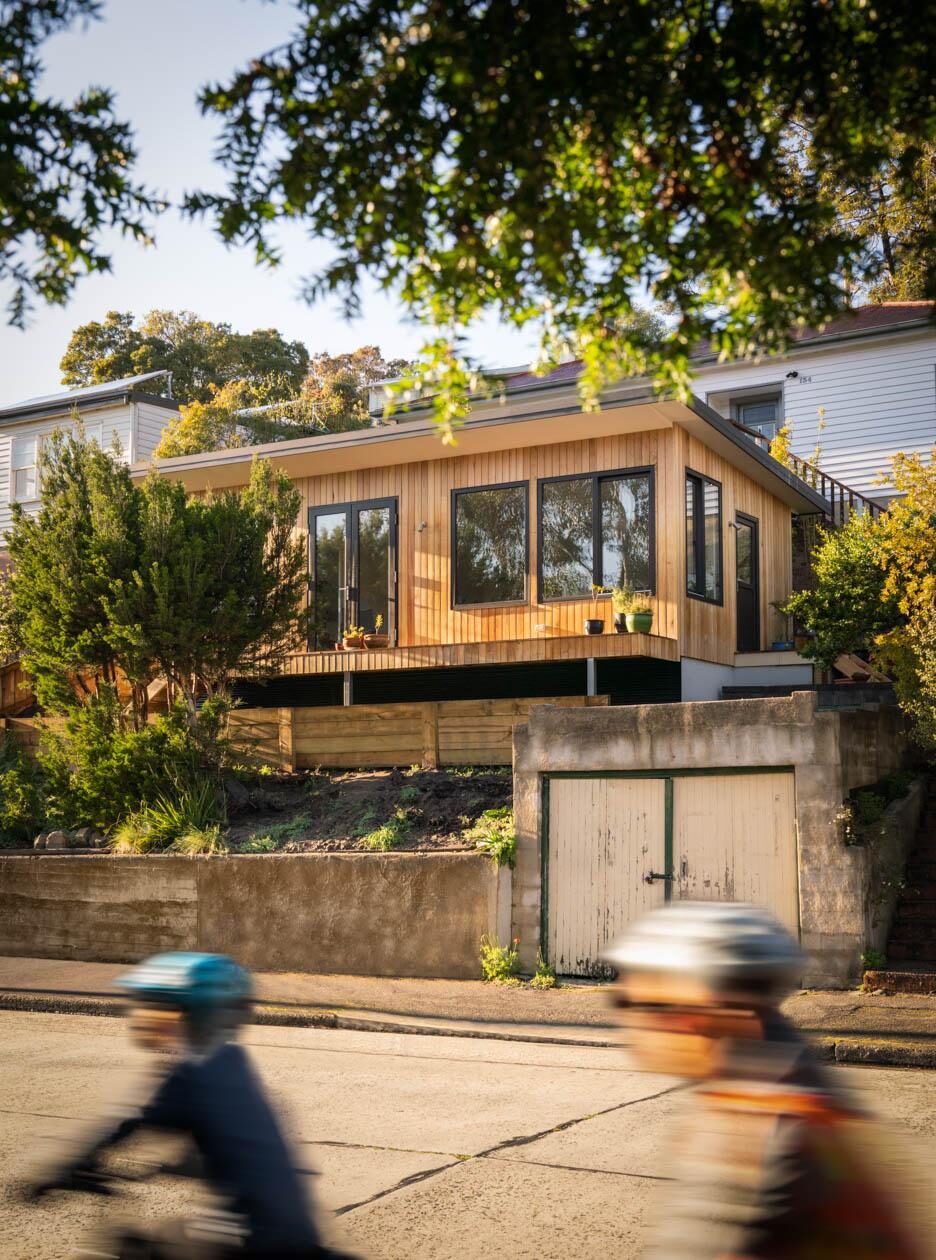
Placed carefully within the parameters of an existing approved building envelope, the Flowerpot house presents living spaces to the forested waterfront escapement. A purposeful wall to the west protects privacy & sight lines from the road above the site, while also providing a sequence of entry. The demarcation curates afternoon light through the home’s interior. […]
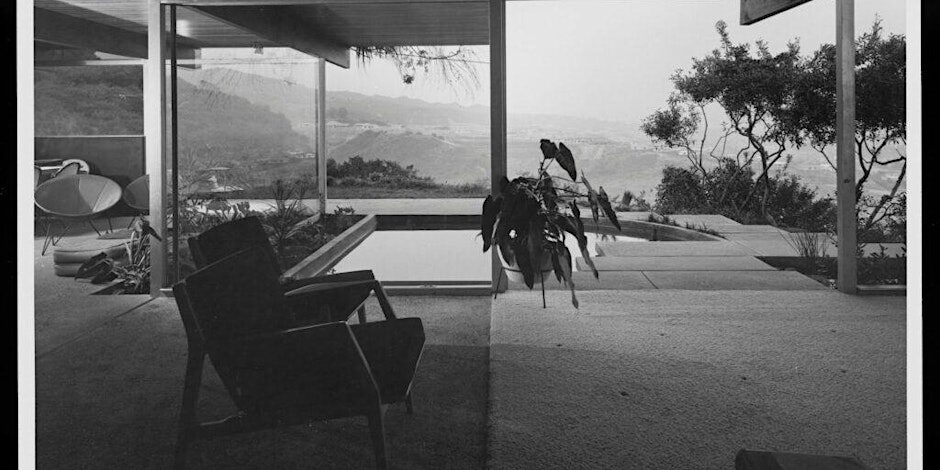
A lecture by Eeva-Liisa Pelkonen The talk is centered around the decade following the Second World war when concern for the human condition gave rise to a new intellectual sensibility, ecohumanism, which led architects to pay attention to how humans inhabit the earth. Work and words by architects Sverre Fehn, Mies van der Rohe, Richard […]
How the efforts of individuals and small groups can incrementally retrofit our existing suburbs, block by block, with more affordable housing. The urgent need for more affordable housing remains unabated and instead of waiting for government or the development sector to fix it, people are looking for housing solutions they can undertake themselves. Tapping into […]
The Low Carbon Challenge is opening its doors nationally in 2025 — calling on Australian architects to lead the transition to a low-carbon built environment through good design that delivers real impact. Supported by the Australian Institute of Architects’ Architecture Industry Decarbonisation Plan 2025–2050, the Challenge offers a powerful platform to showcase how design excellence […]
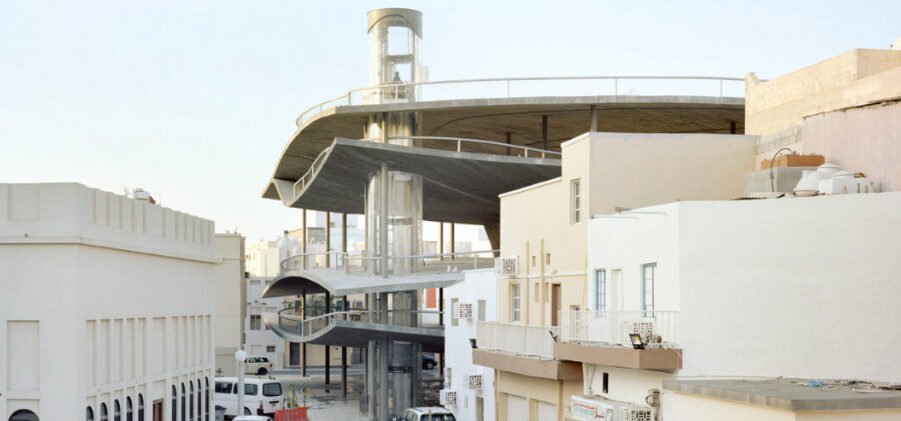
What is the relationship between architecture and its depiction in photography? Together, Christina Deluchi and Guillermo Fernández-Abascal will unpack a series of images about architecture and the city. Moving between Medellín, Tirana, and Bahrain, and various exhibitions, projects, and places, the images explore forms of authorship, transformation processes, collaborations and techniques, urban politics, and everyday […]
Join us to celebrate the end of 2025! The Tropical North Queensland branches of the Australian Institute of Architects (AIA) and the Planning Institute of Australia (PIA) are teaming up once again for the much-anticipated annual Planners vs Architects Barefoot Bowls! Come along on Friday 21 November from 4:30pm and take part in – or simply enjoy watching – the […]
‘Sketchy Business’ is a down-to-earth forum for small and medium practice owners to share what actually works (and what doesn’t) when it comes to the business side of architecture.
This website uses cookies to improve your experience. We'll assume you're ok with this, but you can opt-out if you wish. Cookie settingsACCEPT
Privacy & Cookies Policy
Privacy Overview
This website uses cookies to improve your experience while you navigate through the website. Out of these cookies, the cookies that are categorized as necessary are stored on your browser as they are as essential for the working of basic functionalities of the website. We also use third-party cookies that help us analyze and understand how you use this website. These cookies will be stored in your browser only with your consent. You also have the option to opt-out of these cookies. But opting out of some of these cookies may have an effect on your browsing experience.
Necessary cookies are absolutely essential for the website to function properly. This category only includes cookies that ensures basic functionalities and security features of the website. These cookies do not store any personal information.