Advocating for architecture.
Building a better Australia.
The Australian Institute of Architects works every day to influence the policies, legislation and decisions shaping our built environment. From housing and sustainability to procurement and design quality, we advocate for better outcomes for architects and the communities they serve.
Advocacy that doesn't stop.
The Institute’s advocacy takes many forms: participating in government and industry roundtables, lodging submissions, meeting with decision-makers, and speaking up in the media.
Progress can be slow. It can take years to secure change or shift decision-makers in the right direction. But that doesn’t stop us. Our job is to advocate on behalf of our members, and we do it every day.
Read our latest advocacy update →industry and members
What we advocate for
Our advocacy work is guided by five national priorities agreed by National Council and regularly reviewed to ensure we're focusing on the issues that matter most.
The value of good design
Well-designed buildings and places deliver better outcomes for people and the planet. Quality design improves liveability, supports wellbeing, drives economic productivity, and creates enduring public value that benefits generations to come.
Architects and the profession
A strong, well-supported architectural profession is essential for delivering quality outcomes across housing, infrastructure, and public spaces. We advocate for policies that recognise architects' value and remove barriers to effective practice.
A sustainable built environment
Australia's buildings must adapt to our changing climate while minimising their environmental footprint. Through thoughtful design, material selection, and whole-of-life thinking, architects create spaces that endure sustainably.
Advocacy is day in, day out work.
Follow our latest advocacy activity, explore submissions and policy work, or discover what's happening in your state or territory.
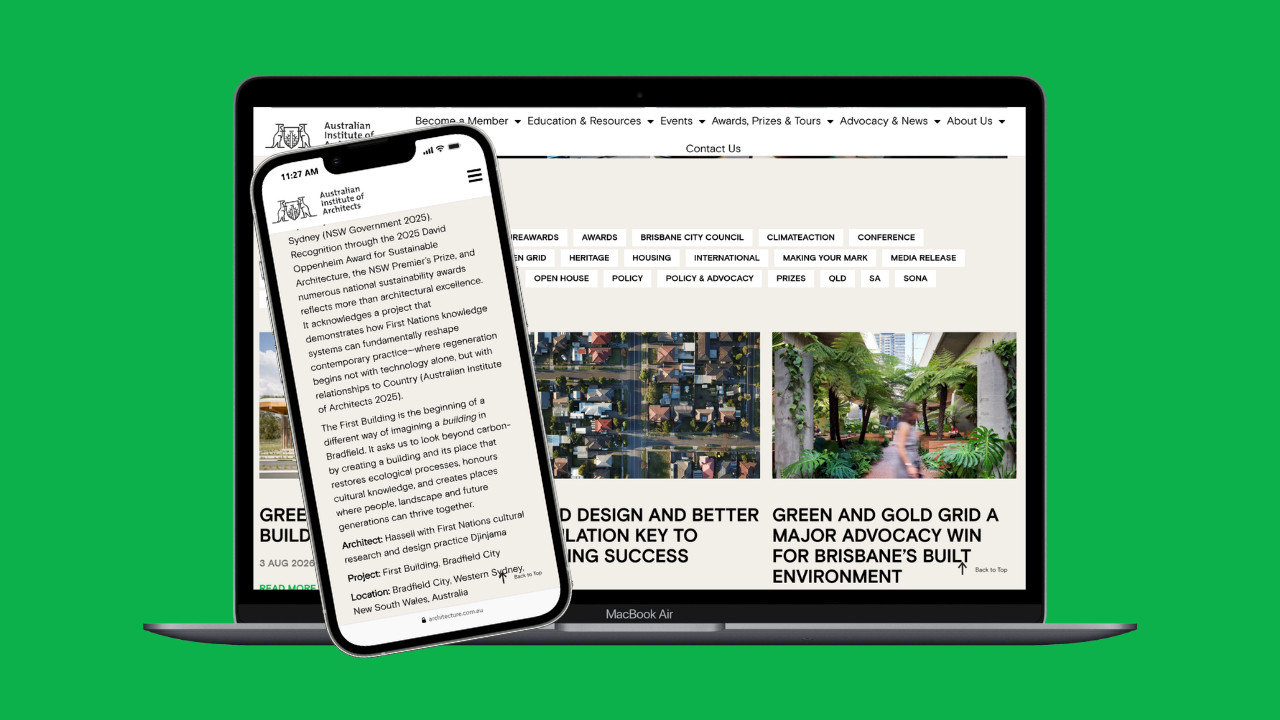
Latest advocacy news
Read the latest advocacy announcements, media commentary, policy updates and Institute news.
Read latest news →
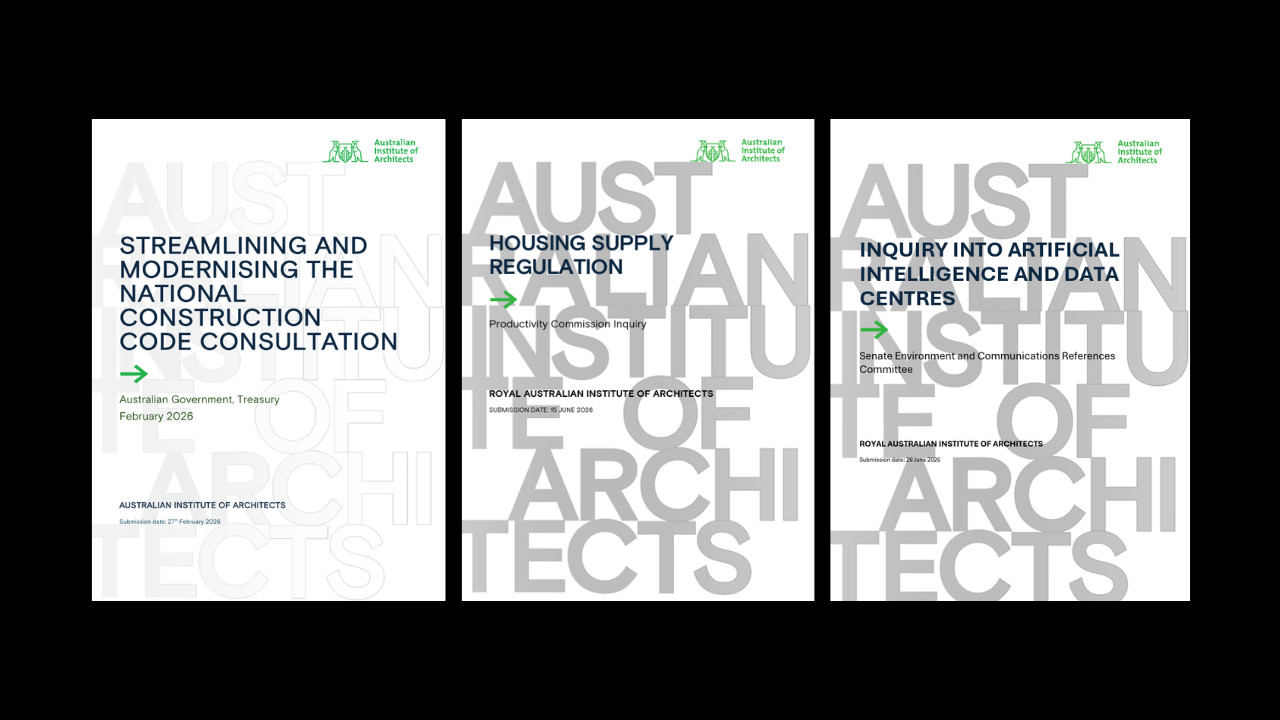
Policy papers & submissions
Browse submissions, consultation responses, advocacy papers and formal advice prepared by the Institute.
Explore our work →Advocacy in numbers.
Driving change across Australia.
Submissions & expert advice
Prepared in the past six months.
Major advocacy initiatives
Supporting better policy and better outcomes.
Across every chapter
Working with governments, industry and members.
Advocacy where it matters most.
Advocacy is happening across every state and territory. Explore local news, policy updates and advocacy initiatives from your chapter.
Advocacy isn't just
measured by headlines.
Some of our biggest successes happen quietly—through years of meetings, submissions, technical advice and collaboration. While not every win makes the news, every outcome helps shape a stronger profession and better places for Australians.
Real outcomes.
Years in the making.
Advocacy doesn't always make headlines, but it always makes a difference. Here are just a few examples of how persistent advocacy has shaped better outcomes for the profession.
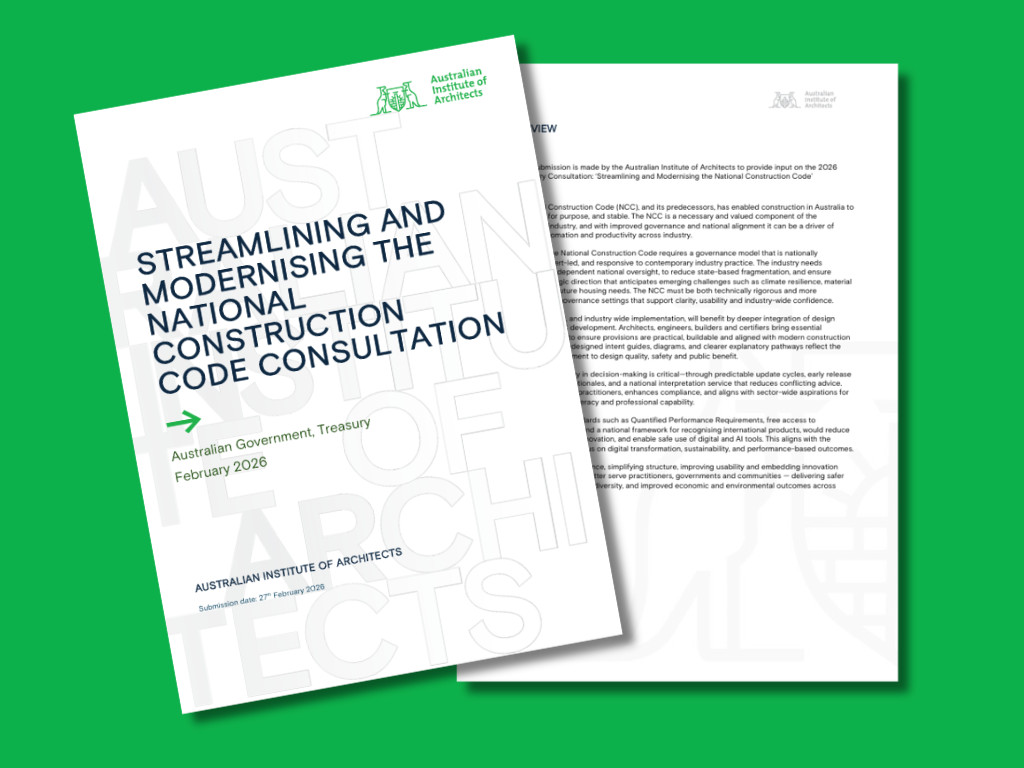
NCC 2025 – Shaped From the Inside
Through technical working groups, Standards reference panels and formal submissions, Institute members helped shape refinements to the National Construction Code 2025. When the code freeze was announced, we publicly advocated for continued modernisation alongside a coalition of industry organisations.
Read more →
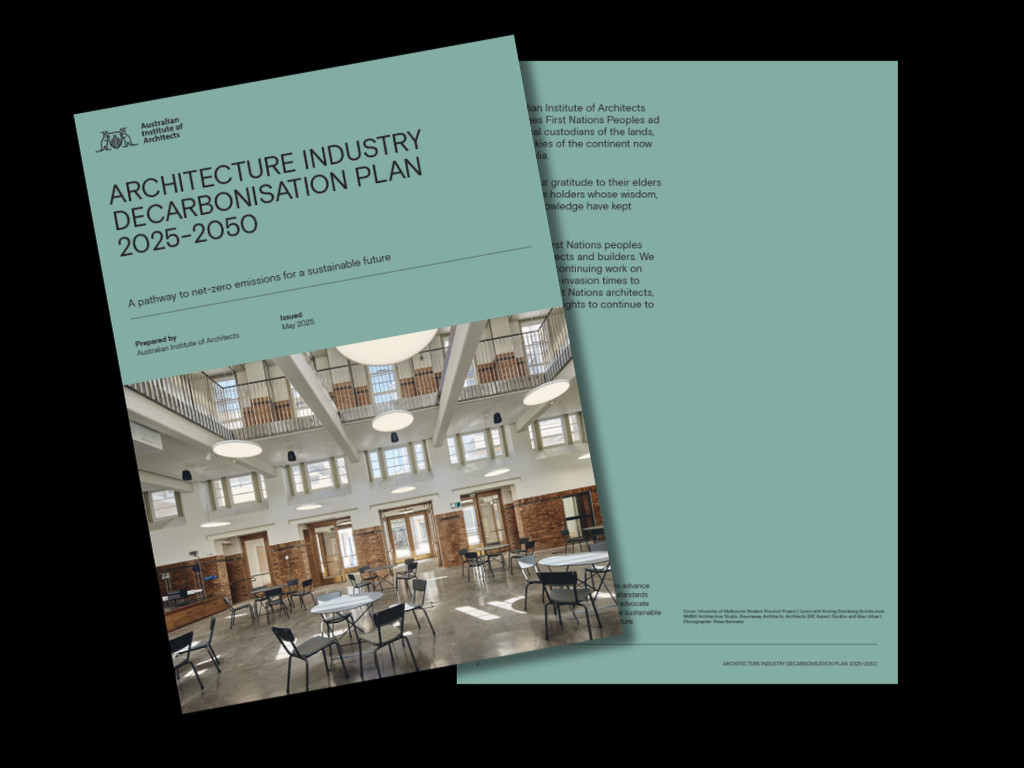
Architecture Industry Decarbonisation Plan
A nationally aligned roadmap outlining five pathways towards net-zero, developed alongside ASBEC, GBCA and the Property Council, with a new embodied carbon curriculum supporting future industry capability.
Read more →
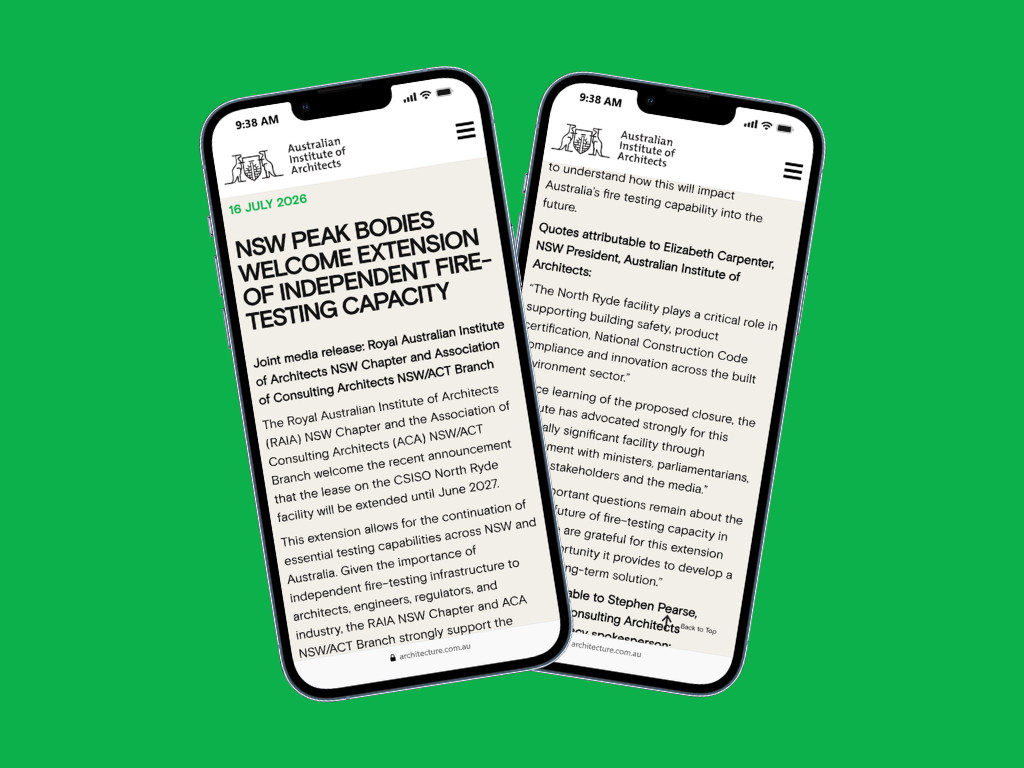
Fire Testing Facility Given a Lifeline
Following more than twenty advocacy actions, the lease on the CSIRO North Ryde fire testing facility was extended, protecting nationally significant testing capability.
Read more →
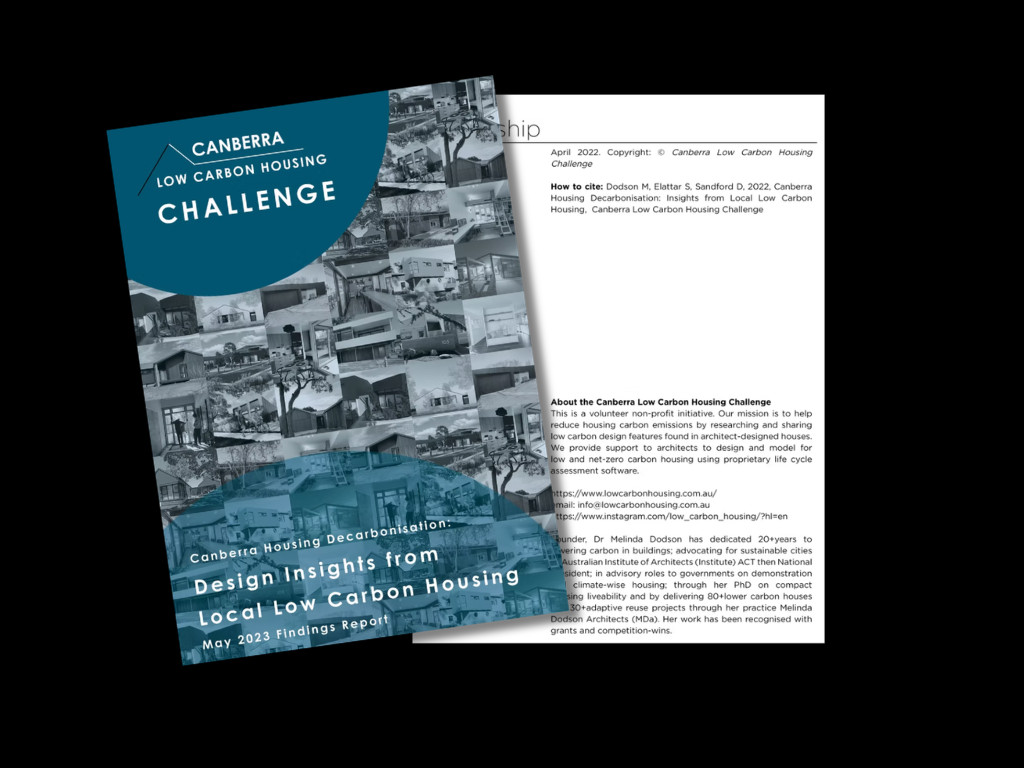
Zero Carbon Housing Challenge
A national initiative demonstrating how good design can reduce carbon emissions while improving wellbeing and resilience, giving practices an opportunity to showcase innovative thinking.
Read more →