
Busselton Central Shopping Centre Stage 3 | TRCB
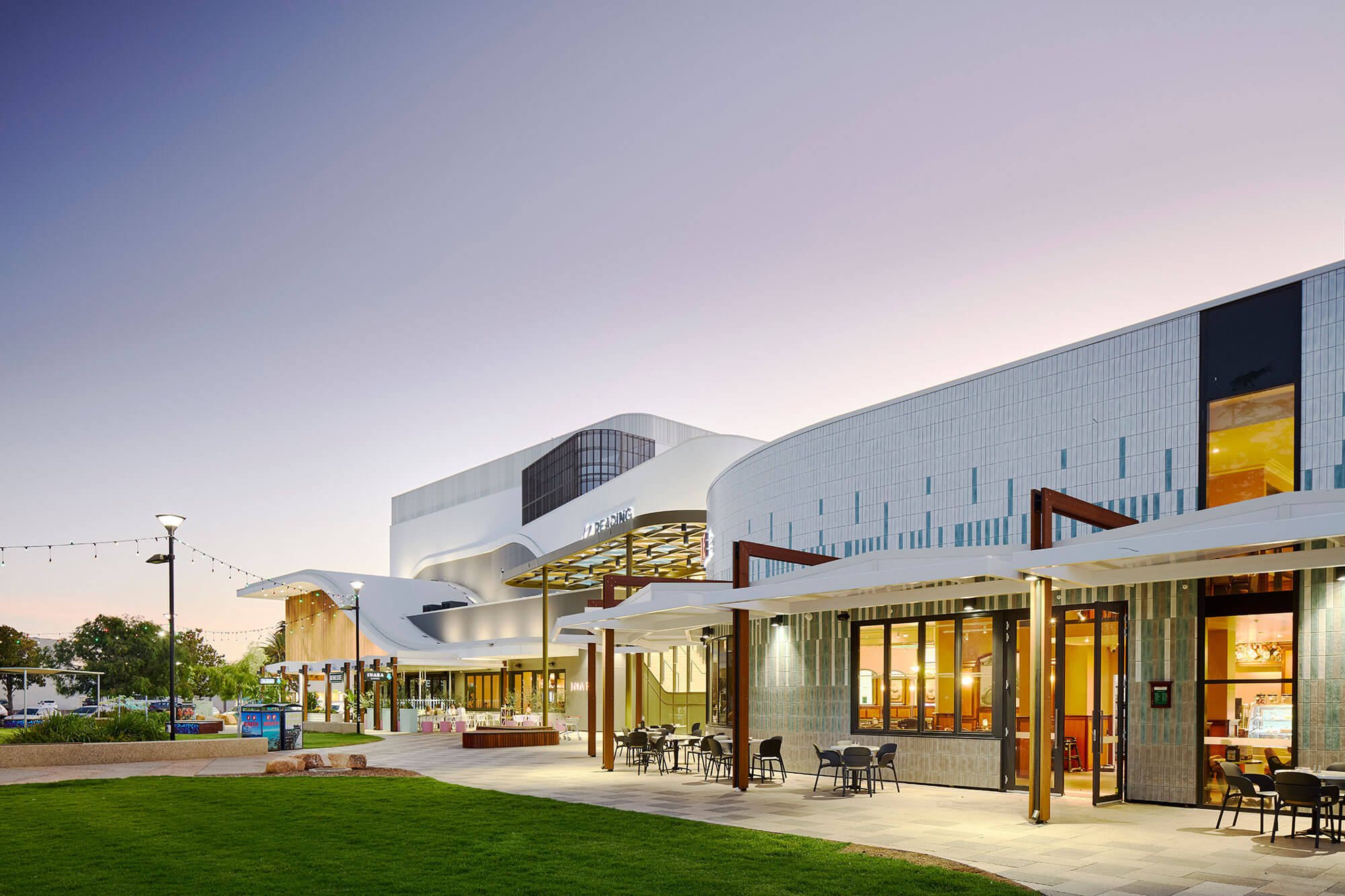
The $45 million Busselton Central Shopping Centre redevelopment, located in the popular tourist destination, has revitalised the area’s retail landscape.
Australian Unity Investments commissioned TRCB as Lead Design Consultant for the third stage expansion, aiming to enhance community engagement and amenity.
The development, situated on the eastern edge of the existing centre, features new specialty stores, food and beverage outlets, amenities, and a modern cinema complex, including the unique addition of a micro-brewery and specialty wine store.
TRCB prioritised seamless integration into the surrounding precinct, emphasising connectivity and scale appropriateness. Key pathways link the centre to Mitchell Park and Queen Street, fostering pedestrian flow.
The project showcases high design quality with attention to streetscape activation and sustainability.
Collaboration among stakeholders was crucial to the project’s success, resulting in an inviting and vibrant destination for locals and tourists alike.
B’Yachad Building | TKD Architects
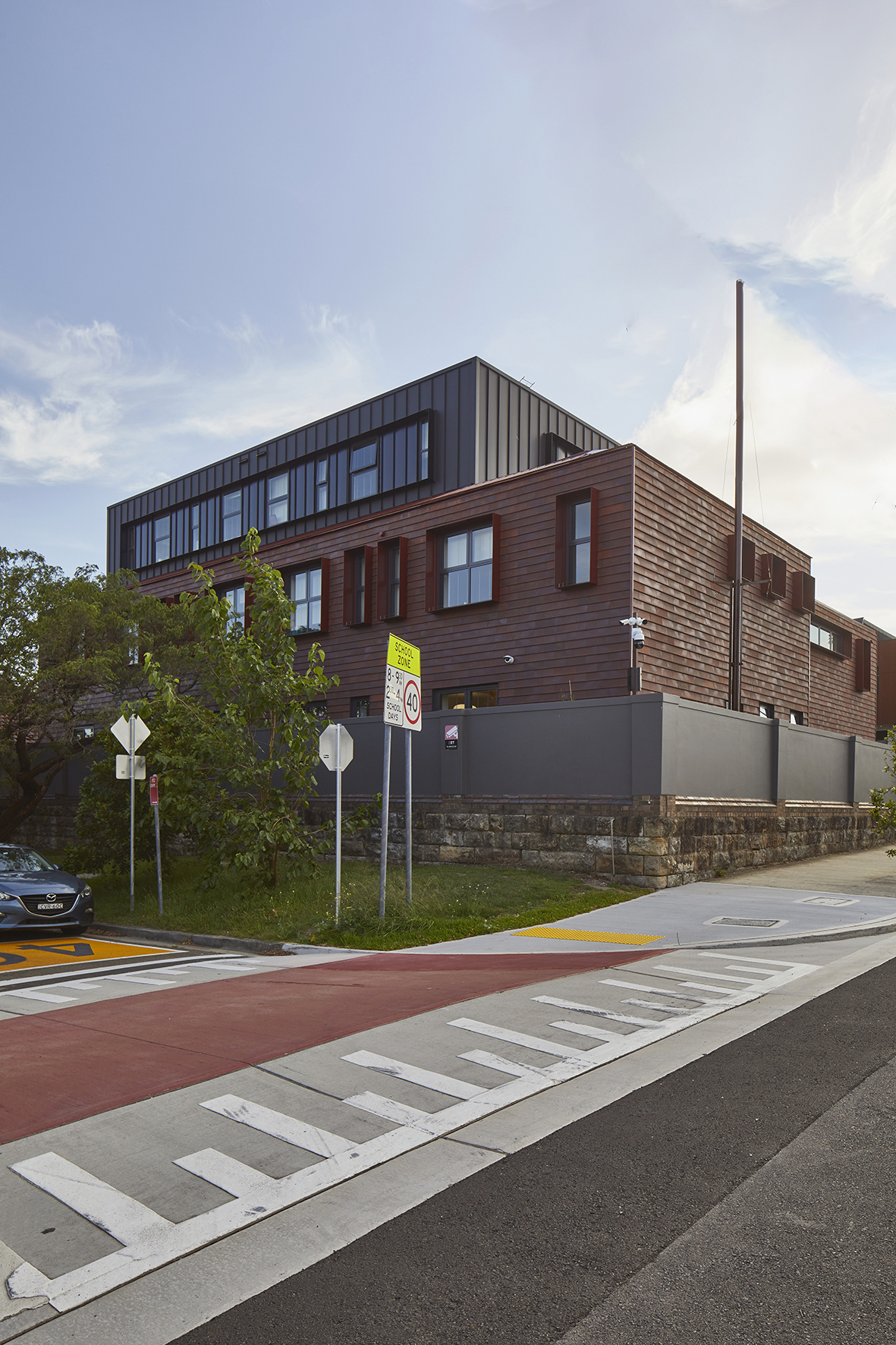
The B’Yachad Building reimagines a pragmatic 1970s teaching building as an innovative and engaging place for learning. The building includes 9 new learning spaces on three levels including an Imaginarium or maker space including support staff, meeting rooms and toilet facilities. The terracotta tiles and steel accentuate the articulated forms and setbacks on the upper level creating a building that is layered and modulated when viewed from the street.
Reusing the structural walls and floors of the original Adler Building acts as a starting point for a sustainable future while the building targets high levels of energy efficiency and lower operational energy consumption. The playful interior creates nooks for reading, quiet concentration spaces and permeations between spaces sharing light, air and sight connections. The landscape design assists in the comprehension and legibility of the site by building on the existing landscape patterns while creating better connections between the buildings.
Cabra Dominican College: Angelico Centre | Russell & Yelland Architects
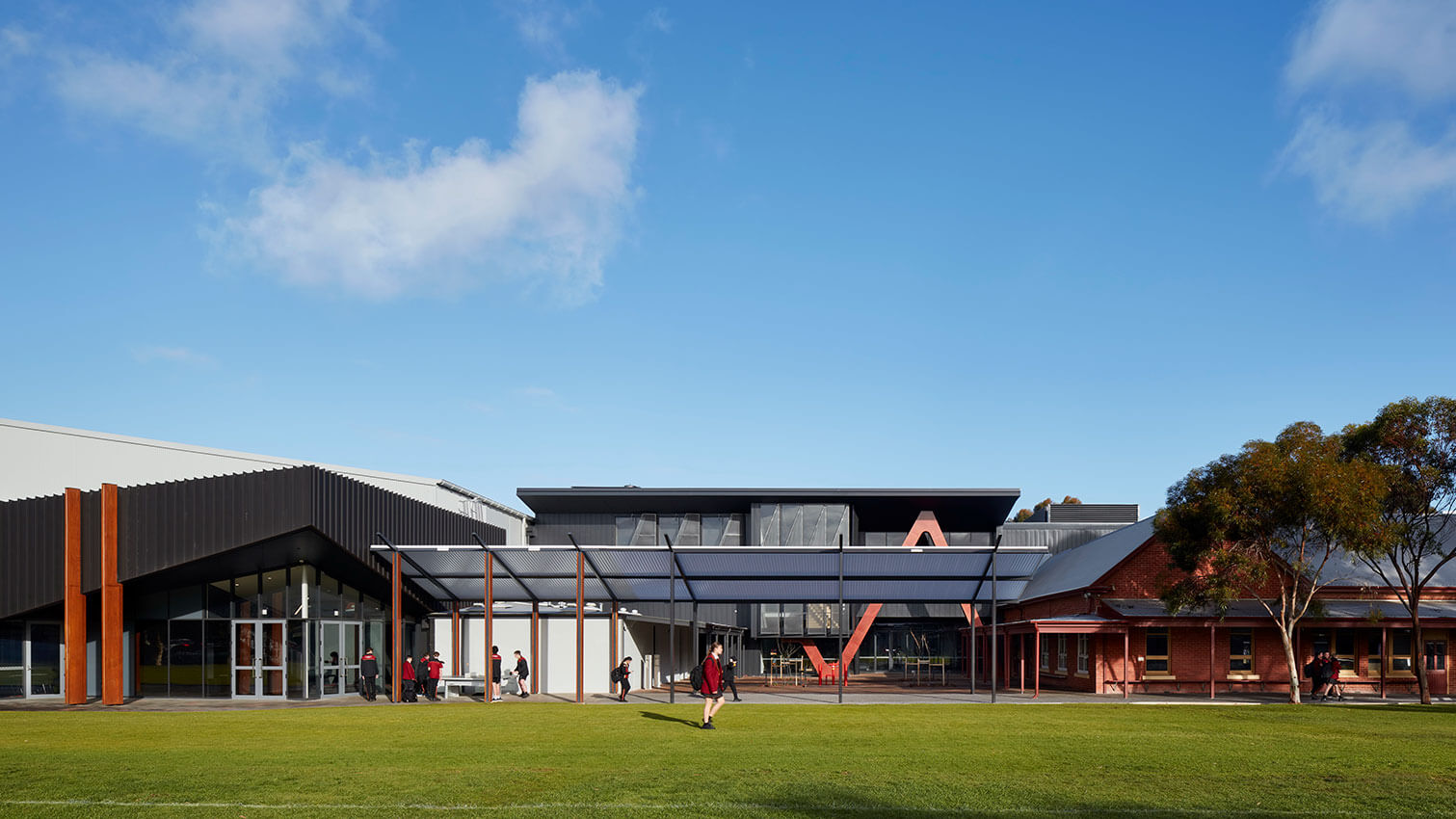
Cabra College introduces the Angelico Centre, a pragmatic fusion of design and educational innovation by Russell & Yelland Architects. As the school’s fifth facility in seven years, it emphasizes a balanced approach to timely and budget-friendly delivery while addressing pressing space constraints and integrating digital media capabilities.
Designed with inclusivity and adaptability in mind, the Angelico Centre enriches the school’s offerings, providing both cultural benefits and versatile spaces. Collaborative efforts with allied disciplines ensure practical problem-solving, contributing to the facility’s efficiency. Sustainability measures, including eco-conscious design elements, align with contemporary environmental standards.
An unexpected highlight is the first floor doubling as a gathering space, showcasing the project’s adaptability to evolving needs. The Angelico Centre unveiling marks a successful confluence of architectural achievement and functional design, further enhancing Cabra’s commitment to progressive education
Cabra Dominican College: Chapel Redevelopment | Russell & Yelland Architects
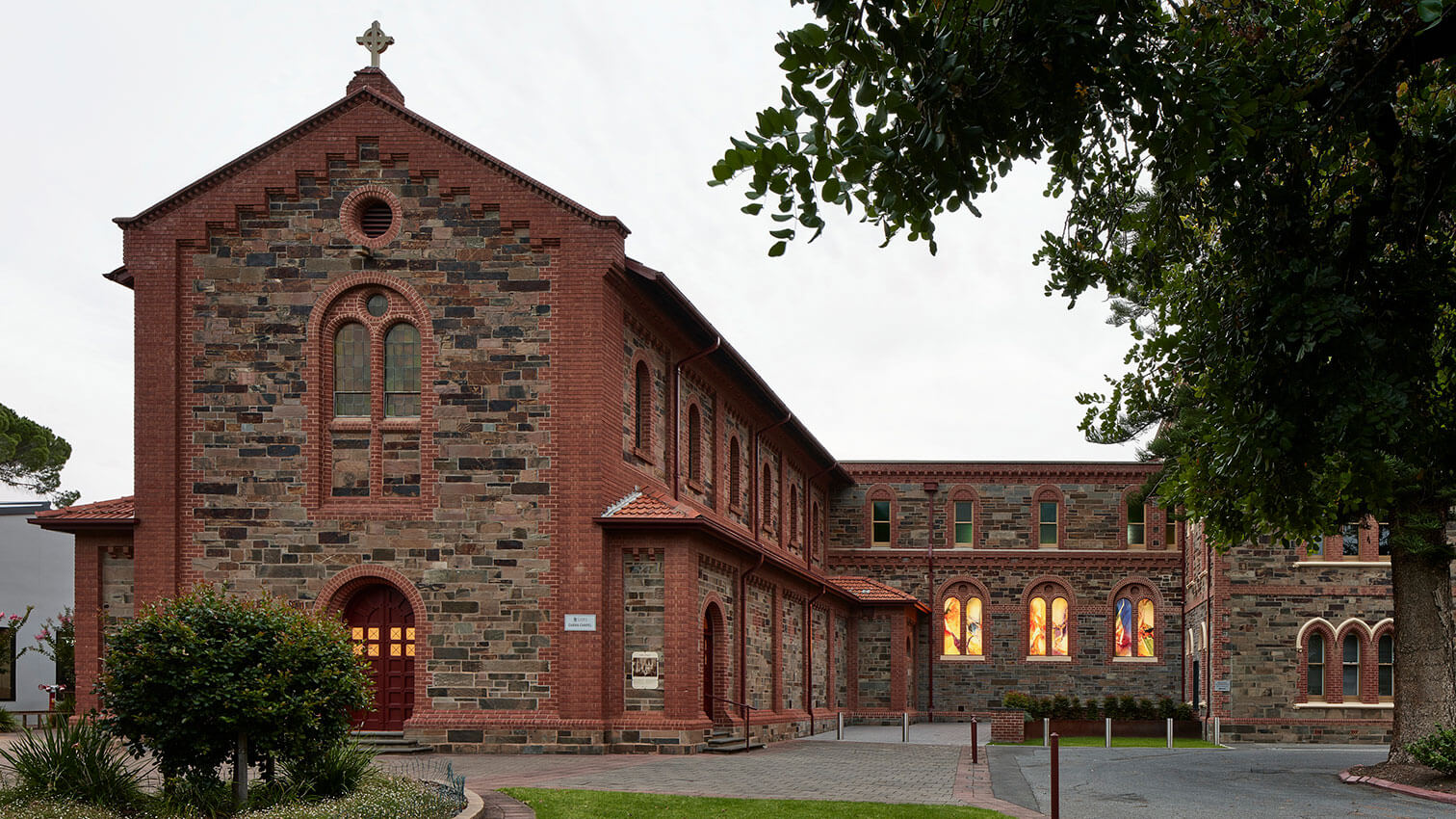
The restoration of Cabra Dominican College Chapel embodies a reverence for history and tradition while infusing contemporary vitality. It honors the Dominican Sisters’ legacy, blending beauty with divine grace, and seamlessly bridging past and present.
Beyond architectural significance, it enriches the community with a sacred space for reflection and artistic appreciation. The Chapel’s meticulous restoration respects both historic and contemporary contexts, reinstating architectural integrity while integrating modern accessibility. Successfully reconciling functional needs with historical significance, the project demonstrates resourceful allocation and sustainability. Through recycled materials and energy-efficient design, the restoration preserves heritage and contributes to long-term ecological resilience.
The project’s response to client and user needs reflects a profound understanding of community values. This restoration revitalizes a cherished landmark, fostering deeper connections to history and spirituality
Berninneit Cultural and Community Centre | Jackson Clements Burrows Architects

Located on Phillip Island, Berninneit, (meaning Gather Together) creates a new purposebuilt public building to support a range of uses including a theatre, library, gallery, museum, community function rooms and offices.
Evoking the regions natural geology and topography, the design feels inherently connected to and of its place. Warm, pinkcream brick references nearby sand dunes and beaches, whilst internal timber columns speak to the islands jetties and pier structures.
The building creates a dynamic and interactive destination that is set to become a source of civic pride. Bringing together the cultural and social aspirations of the community, it draws visitors to showcase the regions rich history and culture.
Designed to Passivhaus Standards and incorporating mass timber construction, the Centre expands and diversifies existing community programs and services and creates a place for people to meet and connect.
Betty House | Josh Mulford Architects
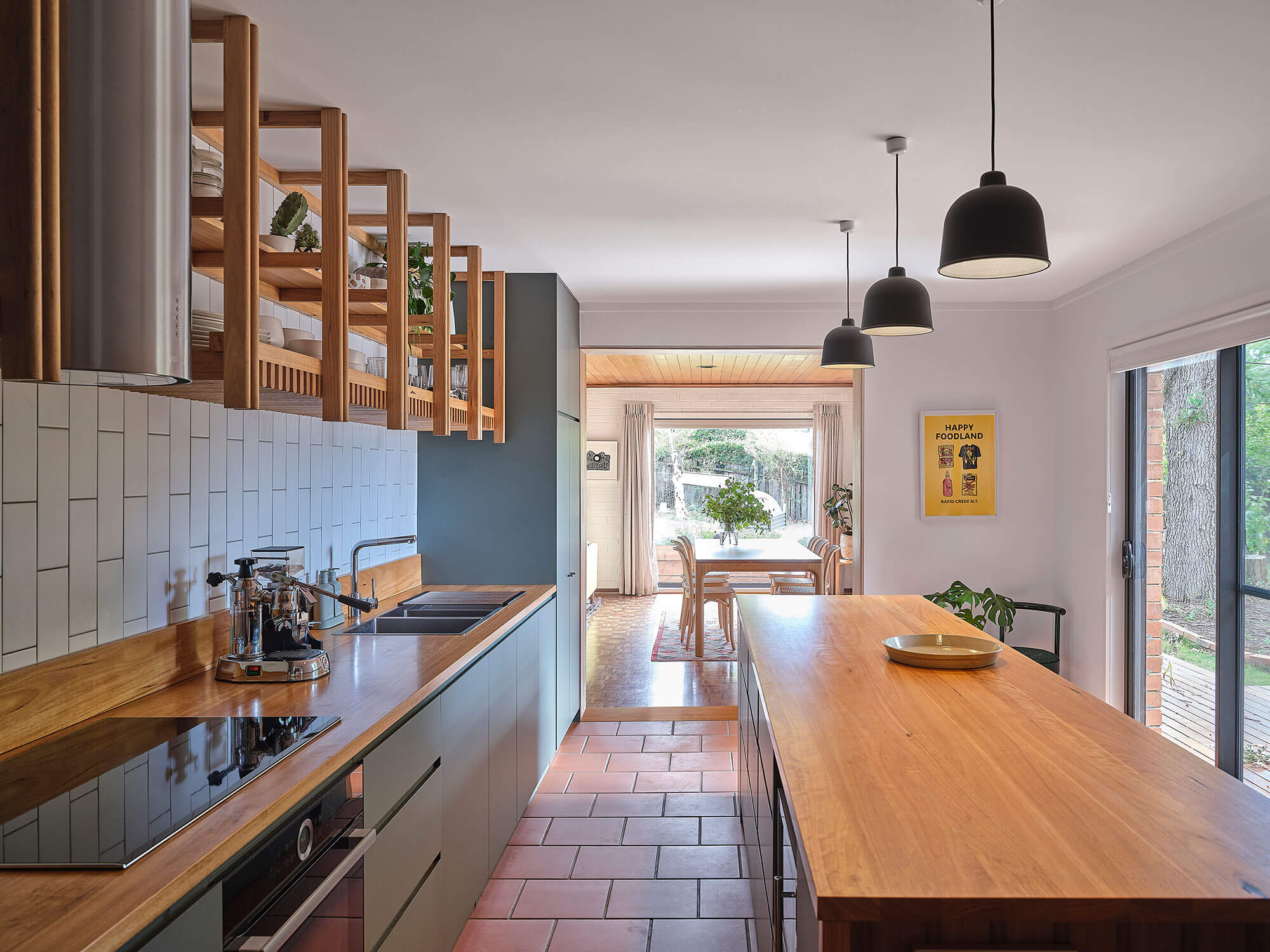
This fresh revitalisation to the classic exgovie provides an example of a highquality sustainable alternative to the often large and expensive knockdown rebuilds in the Canberra suburbs.
The key move that unlocked the potential of the house was relocating the kitchen to the centre of the house, addressing the formal nature of the spaces and becoming the beating heart of the house. Working within a tight budget, this move allowed a 3 bedroom + 1 bathroom house to be internally reconfigured to a 4 bedroom + 2 bathroom house without extending the building footprint in any way, creating the maximum effect with an economy of moves.
The interior celebrates the simple joy that lies within assembly, craftsmanship, and timeless materials. Although contemporary in nature, the new subtly stitches and blends into the existing, almost as though its always been there.
Bill’s House | Fabric Architecture Studio
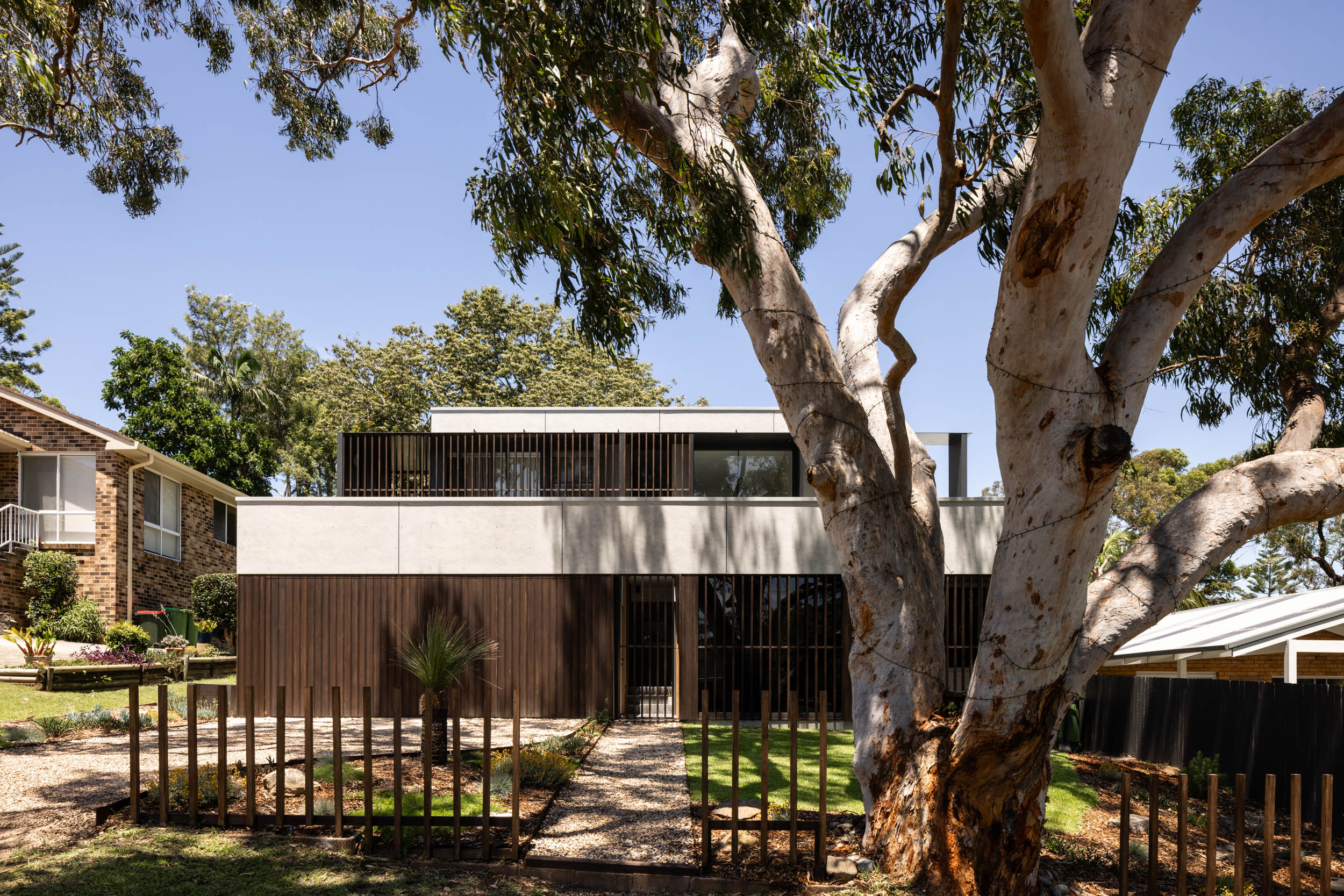
Bill’s house is a project that is close to one of our directors’ hearts, a considered reimagining of the tired family home to which was a classic red brick 1970’s piece of Australiana.
Not wanting to unsustainably discard the original home, the approach was taken to touch as little of the existing structure as possible and let the design organically grow out of the existing form. This approach was both cost effective and was crucial in creating a unique design that responds to the surrounding environment, (including feature angophora) and respecting the original house.
Birchgrove House | Carter Williamson Architects

A bold new interpretation of its context, Birchgrove House is in conversation with its natural environment as well as its history. Sweeping folds of concrete, glass, brick, and steel are softened by warm timber and vibrant marble to create a forward-thinking tectonic experience of light, shade, and spatial ambiguity.
The original sandstone cottage was painstakingly restored, with a delicate white steel staircase encased in patterned brick stitching it together with the contemporary addition. The project negotiates a steep waterfront site as it cascades down across several levels from the street to the harbour. Tasked with celebrating the joy of small family rituals as well as bigger social occasions, it spreads itself across a series of spaces that scale effortlessly. Its planes are pinched and pulled in a series of flourishes. punctuated with a cluster of soaring voids to allow old and new to coexist in a unified, optimistic future.
Bistro George | Richards Stanisich

Evoking memories of post work refreshments and late night conversations, Richards Stanisich delivers the most anticipated opening of the year. The new Bistro George is within Jacksons on George and part of Lend Lease’s transformative Sydney Place development, ideated to push this CBD precinct into the future of first-class hospitality.
Opened in 1986 as a grungy late night pub, DTL Entertainment Group (DTLE) working in conjunction with hospitality giant Maurice Terzini, as Creative Director, saw an opportunity to bring this historic site back to life a once in a generation opportunity to reignite the vitality in this growing precinct with an Italo Australian influence.
Bistro George is one of three unique experiences at Jacksons on George and atmospheres grounded in its place and context without losing sight of its past.
Black Box | Archaea

Black Box at Malvern is a sculpted contemporary container for the Hope family’s ever-changing art collection. An addition to a 1920’s bungalow, new built form has been defined in black steel and brick, distinctly contrasting the existing, white-painted brick and render. Never seeking to blend or compete, the black contrasts in both form and colour.
An existing Willow Myrtle, its gnarled, knobbly trunk and contrasting feathery foliage was retained and helped inform a design response that saw the eventual floorplate hold tight to the existing, extending laterally across the site rather than stretching towards the rear, savouring the tree.
The addition stands bold in black, with a sense of formality through its form coupled with a softness emerging from the contrasting palettes internally. The result is a home reminding the Hope family that beyond a canvas for artwork, the space is also, and more importantly, a canvas for family life.