
How to Specify Technical Flooring Solutions for Life Sciences & High Technology Environments
This presentation will deliver outcomes related to the following Competency/s from the National Standard of Competency for Architects:
PRACTICE MANAGEMENT AND PROFESSIONAL CONDUCT (PC16)
PROJECT INITIATION AND CONCEPTUAL DESIGN (PC28)
DETAILED DESIGN AND CONSTRUCTION DOCUMENTATION (PC39)
-Gerflor Australasia
Ventilated Facades and Moisture Management
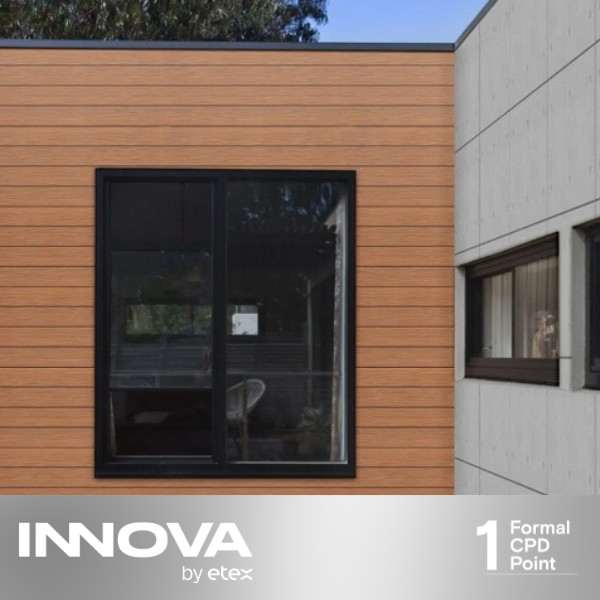
At the end of this presentation, you should be able to:
•Understand the fundamentals behind condensation and moisture management.
•Outline the construction requirements around weathertightness
•Identify external wall design requirements around a ventilated façade construction and various benefits of a ventilated system
-Innova by Etex Australia
Specifying Cladding in an Evolving Climate
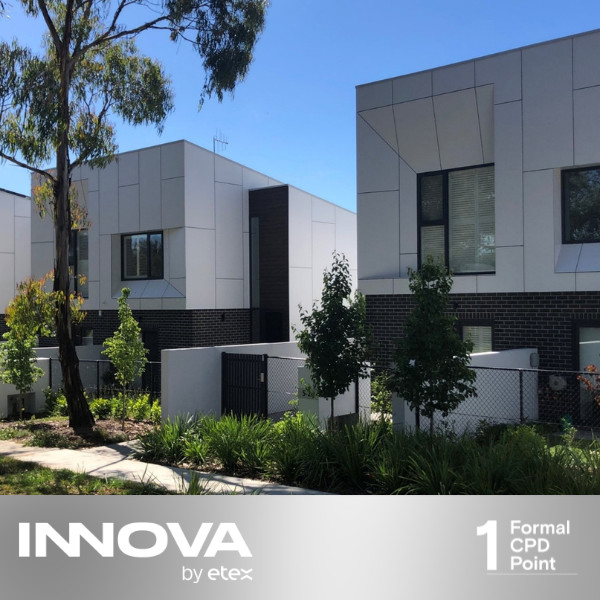
At the end of this presentation, you should be able to:
•Identify various construction methods for cladding installation and assess related performance benefits.
•Understand technical benefits of thermal values, embodied energy and ventilated facades
•Demonstrate competence in various types of sustainability, including; environmental, landscape, health, accessibility and social.
•Learn about the history, manufacturing and benefits of fibre cement cladding.
-Innova by Etex Australia
Fire Compliance
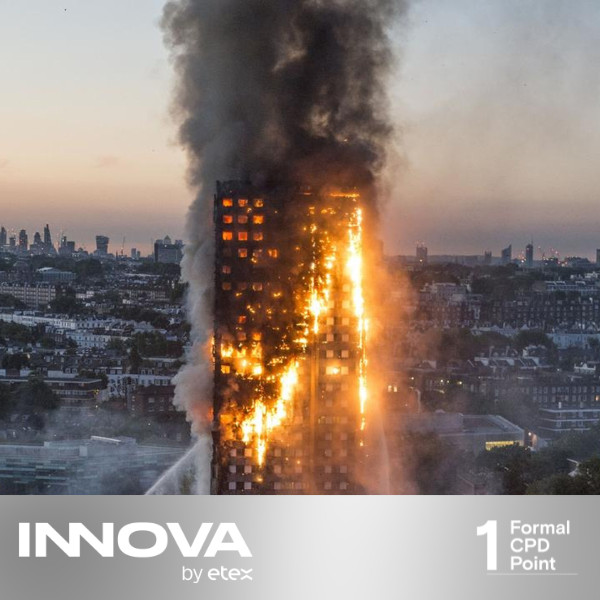
At the end of this presentation, you should be able to:
•Understand the various fire requirements in Australia
•Discuss the recent history and shortcomings of inadequate fire compliance
•Identify various construction types as set out by the BCA
•Understand the differences between BAL fire compliance and AS1530.1
-Innova by Etex Australia
Thermal Bridging in Commercial Buildings – NCC Section J Requirements and Design Responses
Gain a practical understanding of thermal bridging in commercial construction, including where it occurs and its impact on building performance. Learn NCC Section J compliance requirements, effective design responses such as thermal breaks and continuous insulation, and how to account for thermal bridges when calculating thermal performance.
– Fletcher Insulation
Defining Sustainability: Materials, Systems and Carbon Impacts

This CPD presentation explores how sustainability considerations can be integrated into building design from the earliest project stages, with a focus on the relative importance of embodied environmental impacts. Participants will learn how to apply principles from building, environmental and social sciences to inform conceptual design decisions, assess key sustainability factors across a project’s lifecycle, and select materials, finishes and systems that optimise performance, environmental outcomes.
– Fairview
Fundamentals of Polycarbonate Building Materials and Compliance Issues
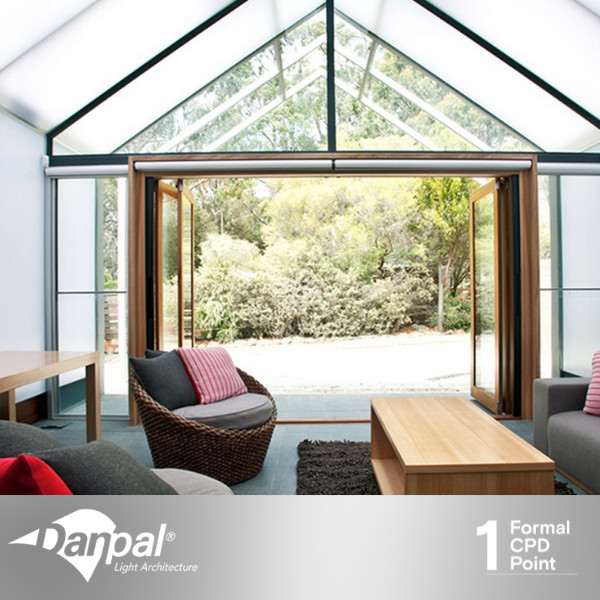
Polycarbonate is a high-performance building material, but its successful application depends on a clear understanding of its properties, system performance, and regulatory requirements.
This course provides architects and building professionals with an introduction to polycarbonate as a building material, including product types, material behaviour, and key performance characteristics.
It also outlines relevant National Construction Code compliance pathways, alongside sustainability and lifecycle considerations, equipping participants to confidently specify and apply polycarbonate systems for compliant, durable, and high-performing architectural outcomes.
– Danpal
Designing For the Australian Climate Using Multicell Polycarbonate
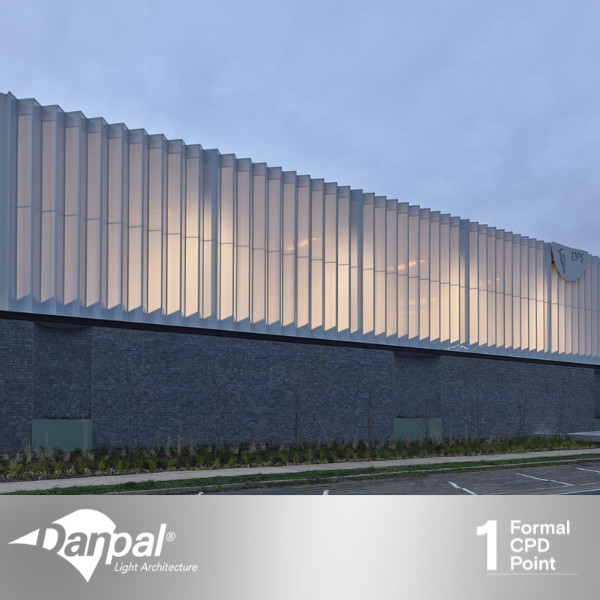
Designing for Australia’s harsh and varied climate requires more than material selection—it demands an understanding of how materials perform under real environmental conditions.
This CPD provides architects and building professionals with insight into how multicell polycarbonate can be effectively specified and detailed to respond to climate, improve thermal performance, manage UV exposure, and enhance daylighting.
It equips participants with the knowledge to design resilient, energy-efficient, and compliant buildings by addressing key factors such as orientation, thermal movement, moisture control, and total system performance.
– Danpal
Roof Plant Platforms: Compliance, Materials & Specification
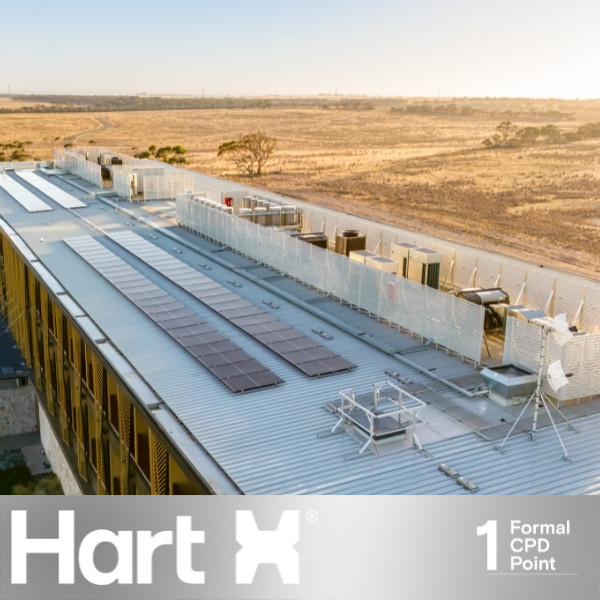
This CPD course offers practical guidance to help you specify roof plant platforms with confidence.
You’ll learn:
– Common design issues and how to address them
– The differences between platform types and materials
– How Australian standards apply to plant platforms
– Hart Australia
Designing with Aluminium: Innovations, Challenges and Performance-Driven Solutions.

This CPD explores aluminium façade innovation through material performance, solar shading, and engineered façade solutions. Learn how to optimise aluminium systems for durability, sustainability, wind performance, and constructability, while balancing design intent with engineering, compliance, and project-specific performance requirements.
-Louvreclad