
EmAGN Spotlight
To feature and celebrate the amazing work being undertaken by those within the EmAGN demographic, we’ll be sharing profiles of some of these dedicated people.
For South Australia’s very first Spotlight piece, we’re featuring Ava Kim.
Ava is a registered architect and EmAGN SA committee member with experience across cultural and civic, education, health, multi-residential, and infrastructure sectors. Her work explores the intersection of people, place, and technology, with a focus on shaping thoughtful and long-term sustainable environments.
In 2025-26 Ava has been awarded as a finalist in Australia Design Review’s 30 Under 30, a program that provides life-changing career development opportunities and empowers the next generation to shape the future of our built environment.

Why did you enter the 30UNDER30 program?
I’m really looking forward to the opportunity to learn from a diverse group of peers and mentors, and to be part of meaningful conversations across disciplines.
The program offers a rare space to step back from day-to-day practice, exchange ideas, and gain new perspectives. I’m especially excited about contributing to discussions that can lead to thoughtful, positive impact within the industry.
What is a project you’ve recently worked on that was important to you, and why?
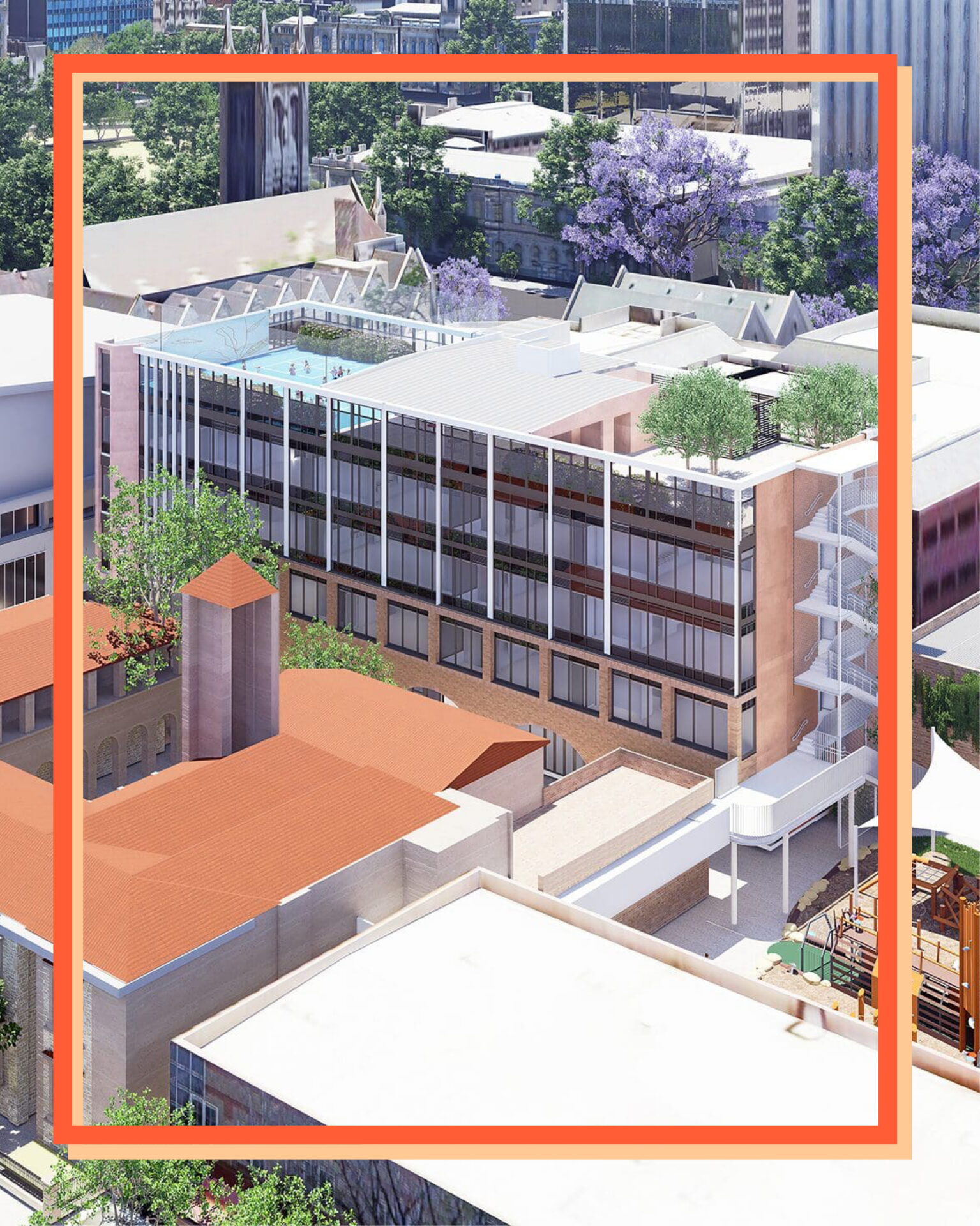
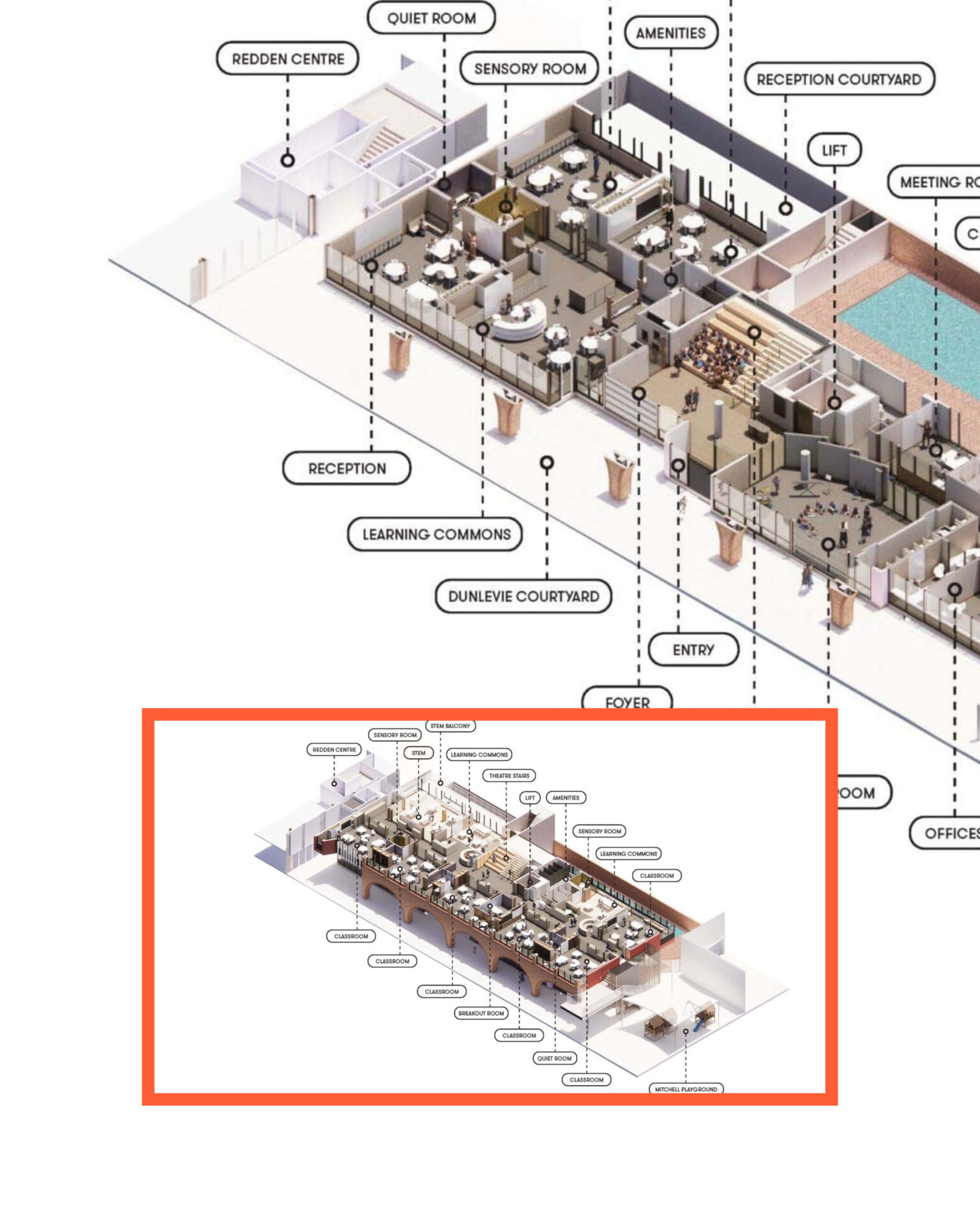
One project that stands out is St Aloysius College in the Adelaide CBD, a four-storey vertical primary school delivered in collaboration with the team at Grieve Gillett Architects and Hayball. It was particularly meaningful because of the close engagement with both the client and the broader school community.
Working collaboratively to design a learning environment that responds to evolving teaching models felt like a real responsibility, knowing the building will support generations of students. It reinforced the value of collaboration and the impact architecture can have on everyday experiences of learning.
What do you think your most important role is as an architect?
I see my role as balancing design thinking across multiple scales, from the precision of detailing to broader strategic and social outcomes. Whether working on built projects or research like my Sharing City initiative, I think architects have a responsibility to go beyond individual buildings and consider how we shape systems, communities, and long-term sustainability.
Ultimately, it’s about creating thoughtful, context-responsive outcomes that positively impact both people and the environment.