
Fundamentals of Polycarbonate Building Materials and Compliance Issues

Polycarbonate is a high-performance building material, but its successful application depends on a clear understanding of its properties, system performance, and regulatory requirements.
This course provides architects and building professionals with an introduction to polycarbonate as a building material, including product types, material behaviour, and key performance characteristics.
It also outlines relevant National Construction Code compliance pathways, alongside sustainability and lifecycle considerations, equipping participants to confidently specify and apply polycarbonate systems for compliant, durable, and high-performing architectural outcomes.
– Danpal
Designing For the Australian Climate Using Multicell Polycarbonate
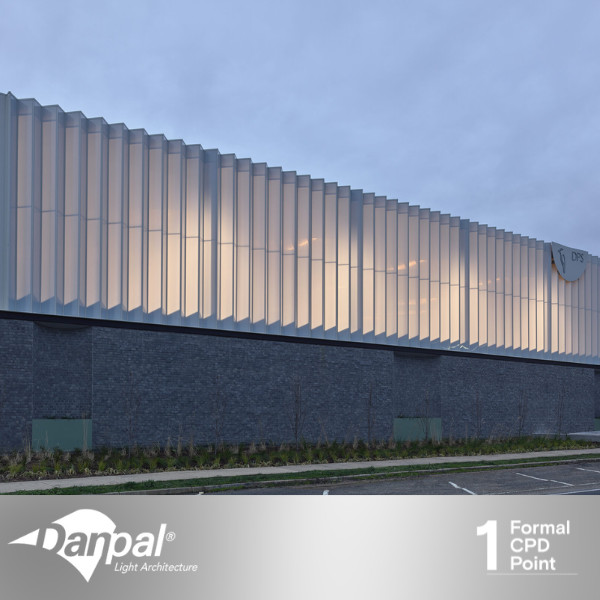
Designing for Australia’s harsh and varied climate requires more than material selection—it demands an understanding of how materials perform under real environmental conditions.
This CPD provides architects and building professionals with insight into how multicell polycarbonate can be effectively specified and detailed to respond to climate, improve thermal performance, manage UV exposure, and enhance daylighting.
It equips participants with the knowledge to design resilient, energy-efficient, and compliant buildings by addressing key factors such as orientation, thermal movement, moisture control, and total system performance.
– Danpal
Certified Healthy Building Professional
A professional education program for architects and building professionals focused on health risk in the built environment. The course addresses exposure pathways, material health, moisture, indoor air quality, and building biology principles to support informed design, specification, and construction decisions in real projects.
– Healthy Home Expert
Maximising Building Performance: The Essential Role of Insulation in IEQ: Introduction to Insulation

This course provides architects with fundamental knowledge about the critical relationship between Indoor Environmental Quality (IEQ) and insulation. It explores how insulation influences and enhances IEQ, focusing on the essential factors that contribute to creating healthier indoor environments. Participants will gain insights into the key aspects of insulation, including different categories, relevant standards, and applications, as well as other relevant building performance benefits. This CPD session equips architects with the knowledge needed to make informed decisions when specifying insulation, ensuring optimal design outcomes for occupant wellbeing and comfort.
-Fletcher Insulation
How to Document Rigid Insulation

Learn how to document various types of insulation to achieve compliant building envelopes, along with gaining a greater understanding of the methodologies of condensation management and breathable membranes.
-Kingspan
Insulation 101: The Science Behind Thermal Insulation

Learn about the difference between Total R-values and Material R-values, along with gaining a greater understanding of the thermal bridging and the different types of insulation.
-Kingspan
Designing for Durability
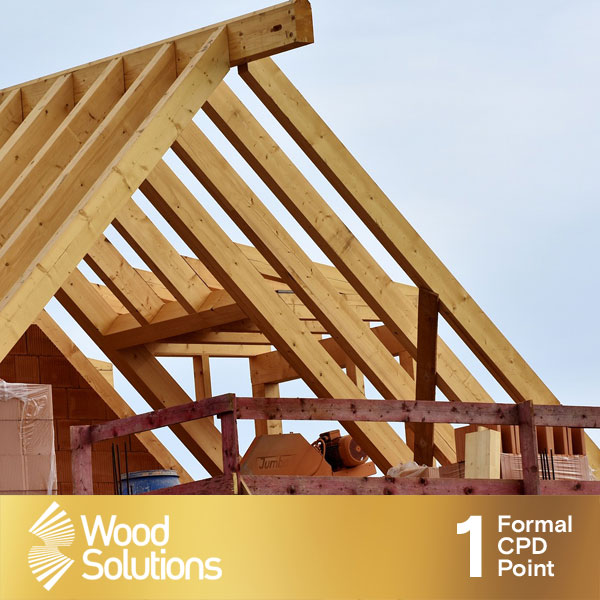
This course delves into timber durability by explaining concepts, listing limitations for timber, concrete, and steel, exploring performance variations in timber, and defining risk factors for timber durability in construction.
– WoodSolutions
Natural Facades & Finishes – Terracotta, CFC & Brick Facings
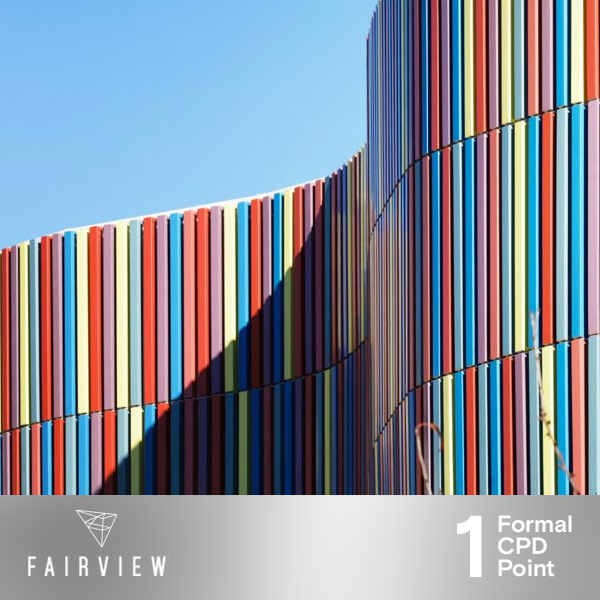
This presentation provides attendees with a comprehensive understanding of the natural façade offerings and rainscreen installation methods that can help Architects to deliver a sustainable design.
– Fairview
NCC2019 Changes to Section J: Thermal Performance & Condensation Management

Learn about the codes changes to Section J of National Construction Code 2019 along with gaining a greater understanding of thermal bridging and condensation management.
– Kingspan
Condensation Conundrums

The NCC introduced condensation management in 2019 under health and amenity. This CPD looks at legacy problems and how design, specification, and understanding of various control layers can contribute to effective management of condensation risk.
– Proctor Group