
Designing For the Australian Climate Using Multicell Polycarbonate
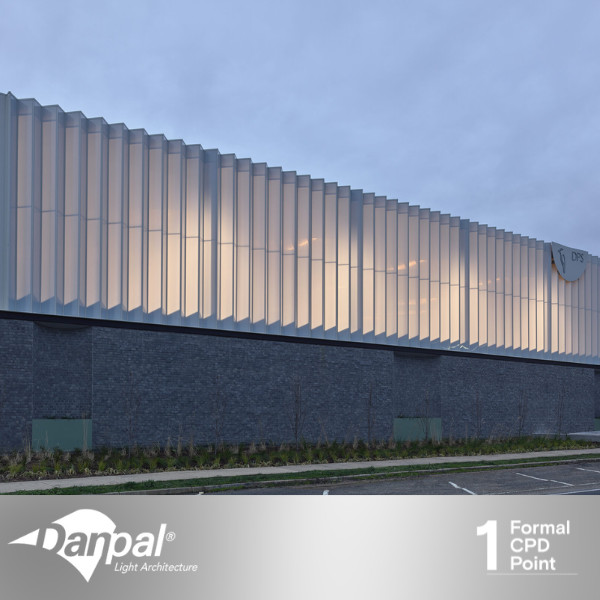
Designing for Australia’s harsh and varied climate requires more than material selection—it demands an understanding of how materials perform under real environmental conditions.
This CPD provides architects and building professionals with insight into how multicell polycarbonate can be effectively specified and detailed to respond to climate, improve thermal performance, manage UV exposure, and enhance daylighting.
It equips participants with the knowledge to design resilient, energy-efficient, and compliant buildings by addressing key factors such as orientation, thermal movement, moisture control, and total system performance.
– Danpal
What is Passive Fire?
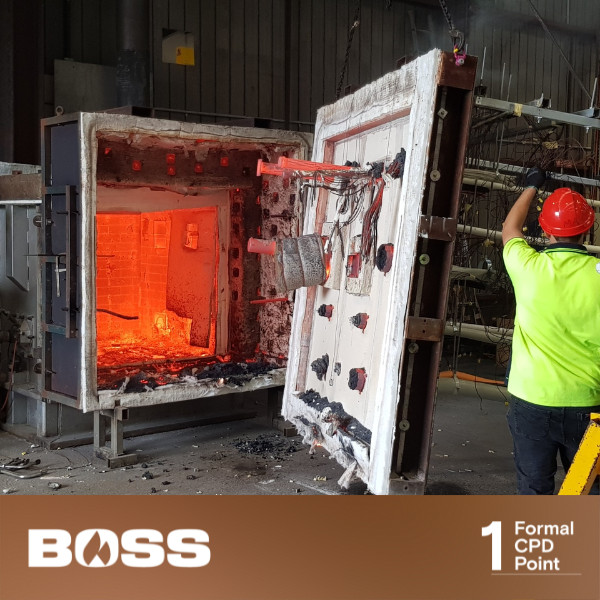
What is Passive Fire? demystifies one of the most critical aspects of building safety. Discover how fire compartmentation works, how to interpret Fire Resistance Levels (FRLs), navigate AS 1530.4 and AS 4072.1, and confidently select compliant firestopping systems. Packed with real fire test footage, industry examples, and practical applications, this session equips professionals with the knowledge to reduce compliance risk, improve building performance, and confidently navigate NCC compliance pathways for passive fire protection.
– Boss Passive Fire
Roof Plant Platforms: Compliance, Materials & Specification
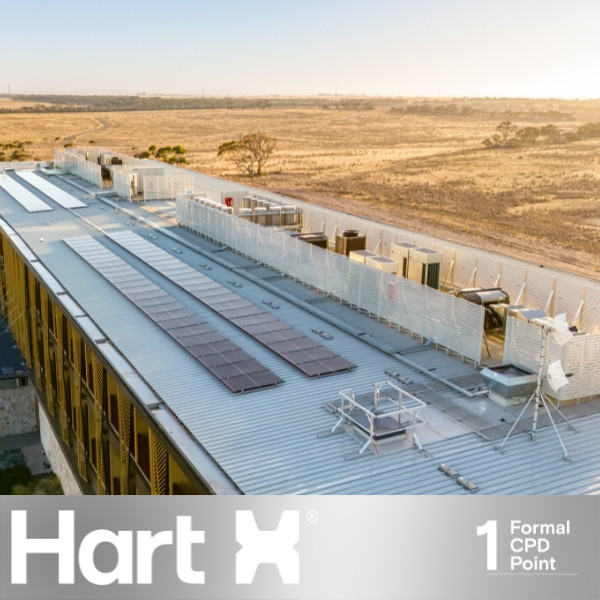
This CPD course offers practical guidance to help you specify roof plant platforms with confidence.
You’ll learn:
– Common design issues and how to address them
– The differences between platform types and materials
– How Australian standards apply to plant platforms
– Hart Australia
Designing with Aluminium: Innovations, Challenges and Performance-Driven Solutions.

This CPD explores aluminium façade innovation through material performance, solar shading, and engineered façade solutions. Learn how to optimise aluminium systems for durability, sustainability, wind performance, and constructability, while balancing design intent with engineering, compliance, and project-specific performance requirements.
-Louvreclad
Designing Neuro-inclusive Environments

Designing for Neuro‑Inclusive Environments is a CPD exploring how flooring and interior design influence sensory experience, comfort, and usability. Grounded in Australian standards and research, it supports architects and designers to create inclusive, legible environments across commercial sectors, with practical guidance on visual comfort, acoustics, safety, and wayfinding.
– Karndean
Essential Guide for Designing Commercial Kitchens & Bars
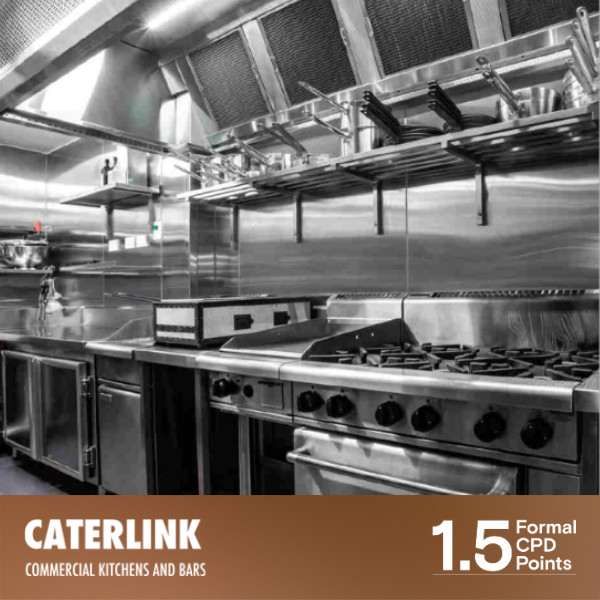
This course will provide architects with the tools to design commercial kitchens and bars that meet industry standards and evolving demands. Covering Australian standards, planning, design principles, sustainability practices, equipment selection, current trends, and best practices. Participants will learn to create functional, safe, and adaptable kitchen designs.
-Caterlink
Inclusive Design: Designing for Dementia and Ageing
Inclusive design is crucial for addressing the needs of individuals with Dementia, a degenerative disease that impacts their lifestyles and causes both physical and mental limitations. This CPD will give you the tools to design by understanding the context, atmosphere, and sensorial elements that affect their wellbeing, enhancing their quality of life. Applying design principles to create Dementia-friendly environments can significantly improve safety, orientation, memory, comfort and behaviour, ultimately resulting in livable and suitable spaces for those affected by Dementia.
– Gerflor
Certified Healthy Building Professional
A professional education program for architects and building professionals focused on health risk in the built environment. The course addresses exposure pathways, material health, moisture, indoor air quality, and building biology principles to support informed design, specification, and construction decisions in real projects.
– Healthy Home Expert
Designing with Confidence – The Critical Role of Surveying in Architectural Planning

Gain essential knowledge of surveying technologies and accuracy standards critical to architectural planning. This course covers key terms, scanning methods, point cloud preparation, and modelling workflows—empowering professionals to collaborate confidently with surveyors and make informed design decisions based on precise spatial data.
-ESO Surveyors
Safety in Design
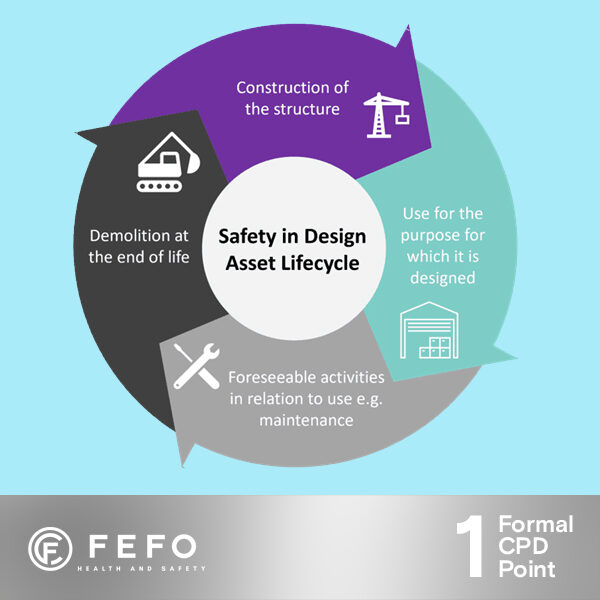
Build effective Safety in Design (SiD) capability. Receive practical tips on SiD legal duties and roles, risk management, change verifications, and communicating residual risk for downstream. Win work with a competitive edge.
—User Experience (UX)
—Brand & reputation
—Legal compliance
—Harm reduction
—Costs savings
-FEFO Consulting