
Designing Out (Resilient) Flooring Waste
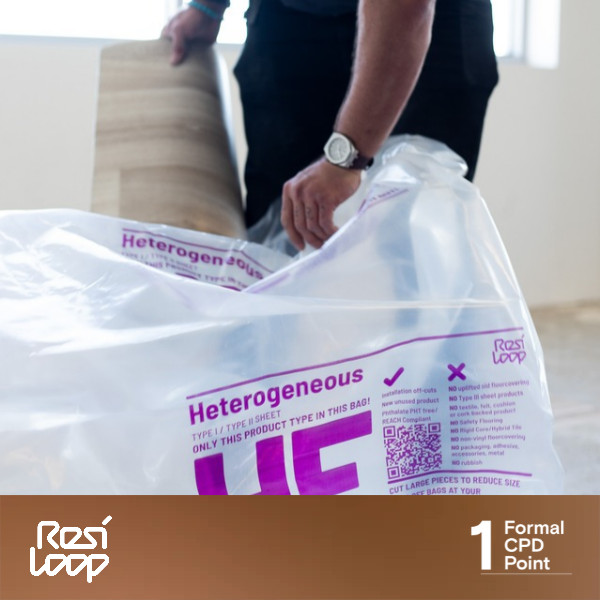
Much of a floor’s waste is determined at specification. Developed by ResiLoop, Australia’s industry-led product stewardship scheme for resilient flooring, this session shows how material selection, installation method and setout affect whether flooring can be recovered, and how regulation is changing. Includes practical specification wording and two case studies.
– ResiLoop
How to Specify Technical Flooring Solutions for Life Sciences & High Technology Environments
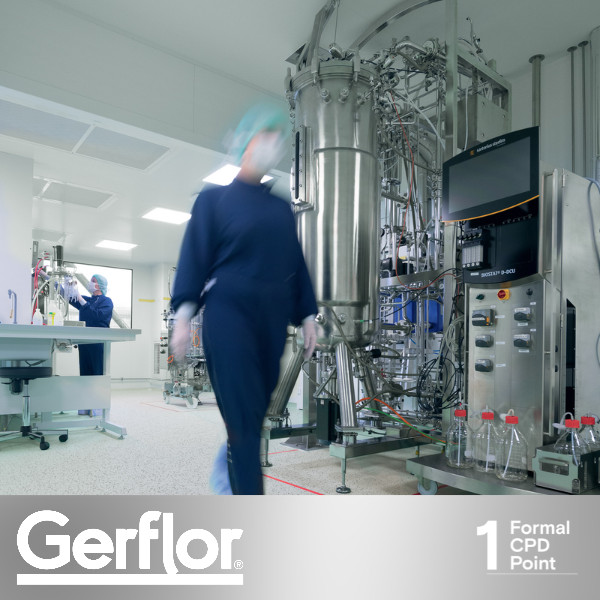
This presentation will deliver outcomes related to the following Competency/s from the National Standard of Competency for Architects:
PRACTICE MANAGEMENT AND PROFESSIONAL CONDUCT (PC16)
PROJECT INITIATION AND CONCEPTUAL DESIGN (PC28)
DETAILED DESIGN AND CONSTRUCTION DOCUMENTATION (PC39)
-Gerflor Australasia
Better Sound, Better Learning: Practical Acoustic Design for Education Spaces
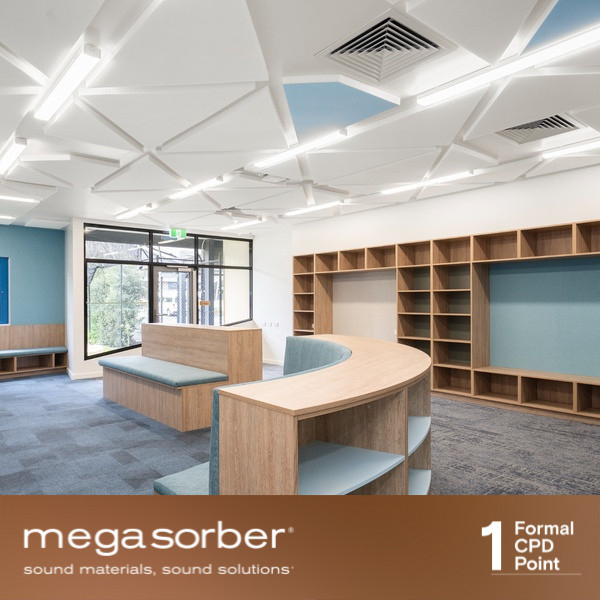
Create learning environments where students and teachers can thrive. This engaging CPD explains the fundamentals of education acoustics and demonstrates practical strategies to improve speech clarity, reduce noise distractions, and optimise acoustic comfort in schools and educational facilities.
– Megasorber
Designing Healthy Buildings: Beyond functional performance – the impact of material health on indoor environments
Understand how healthier material choices can reduce embodied carbon and support occupant wellbeing, helping project teams make more informed specification decisions.
– Knauf
Designing For the Australian Climate Using Multicell Polycarbonate
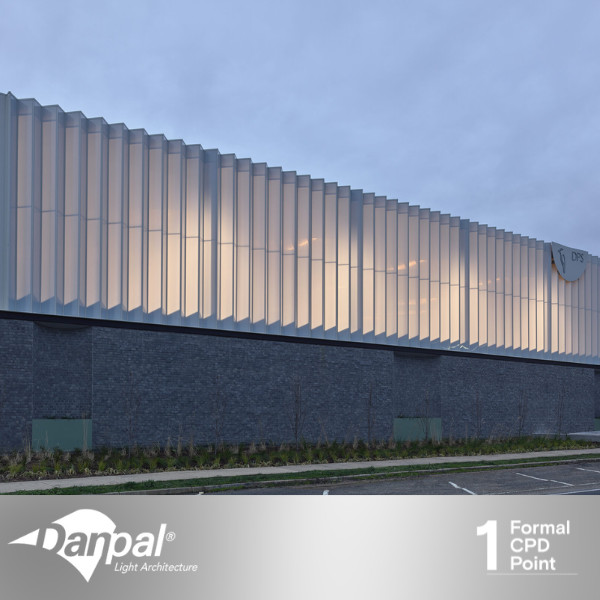
Designing for Australia’s harsh and varied climate requires more than material selection—it demands an understanding of how materials perform under real environmental conditions.
This CPD provides architects and building professionals with insight into how multicell polycarbonate can be effectively specified and detailed to respond to climate, improve thermal performance, manage UV exposure, and enhance daylighting.
It equips participants with the knowledge to design resilient, energy-efficient, and compliant buildings by addressing key factors such as orientation, thermal movement, moisture control, and total system performance.
– Danpal
Designing Neuro-inclusive Environments

Designing for Neuro‑Inclusive Environments is a CPD exploring how flooring and interior design influence sensory experience, comfort, and usability. Grounded in Australian standards and research, it supports architects and designers to create inclusive, legible environments across commercial sectors, with practical guidance on visual comfort, acoustics, safety, and wayfinding.
– Karndean
Essential Guide for Designing Commercial Kitchens & Bars
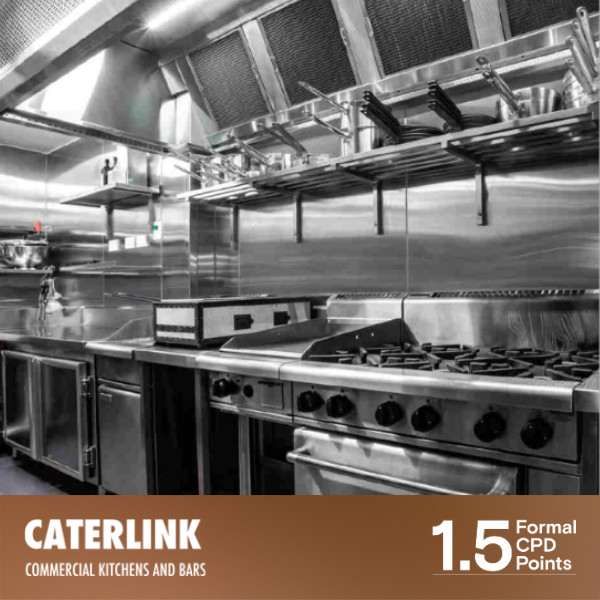
This course will provide architects with the tools to design commercial kitchens and bars that meet industry standards and evolving demands. Covering Australian standards, planning, design principles, sustainability practices, equipment selection, current trends, and best practices. Participants will learn to create functional, safe, and adaptable kitchen designs.
-Caterlink
Designing Healthier Homes | Rethink the Power of Daylight
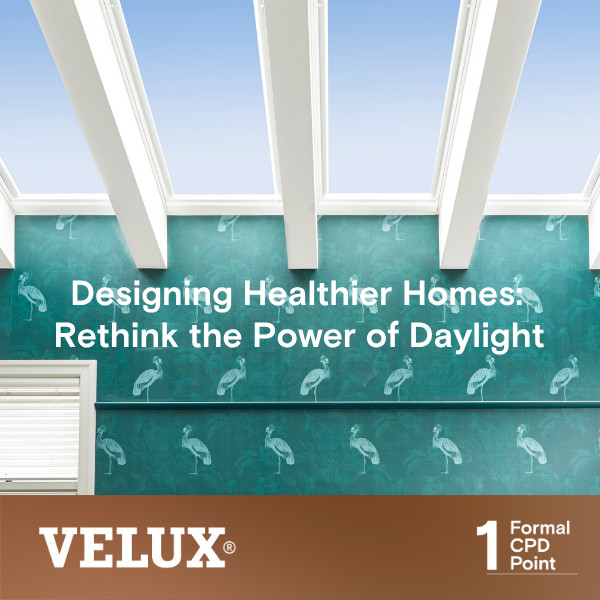
This CPD explores how daylight influences human health, wellbeing, and indoor environmental quality, and outlines Australia’s regulatory requirements for natural light and illuminance. Participants learn key design principles that shape daylight performance and how to evaluate daylight using simple metrics and pre‑construction assessment tools to support evidence‑based residential design.
-Velux
Inclusive Design: Designing for Dementia and Ageing
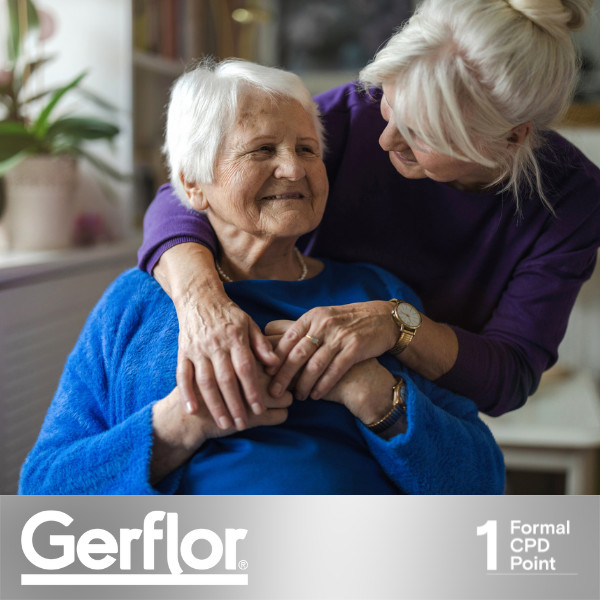
Inclusive design is crucial for addressing the needs of individuals with Dementia, a degenerative disease that impacts their lifestyles and causes both physical and mental limitations. This CPD will give you the tools to design by understanding the context, atmosphere, and sensorial elements that affect their wellbeing, enhancing their quality of life. Applying design principles to create Dementia-friendly environments can significantly improve safety, orientation, memory, comfort and behaviour, ultimately resulting in livable and suitable spaces for those affected by Dementia.
– Gerflor
Design for Neurodiversity: Neurodiverse-friendly built environment characteristics

This presentation introduces neurodiversity, outlines key legislation and standards, and highlights common sensory challenges and their design implications. It provides foundational insight into how diverse cognitive and sensory needs interact with the built environment and why incorporating neuroinclusive principles is essential for creating supportive, accessible, and human-centred spaces.
– Altro