
GRACES PLACE | IDA Design Group
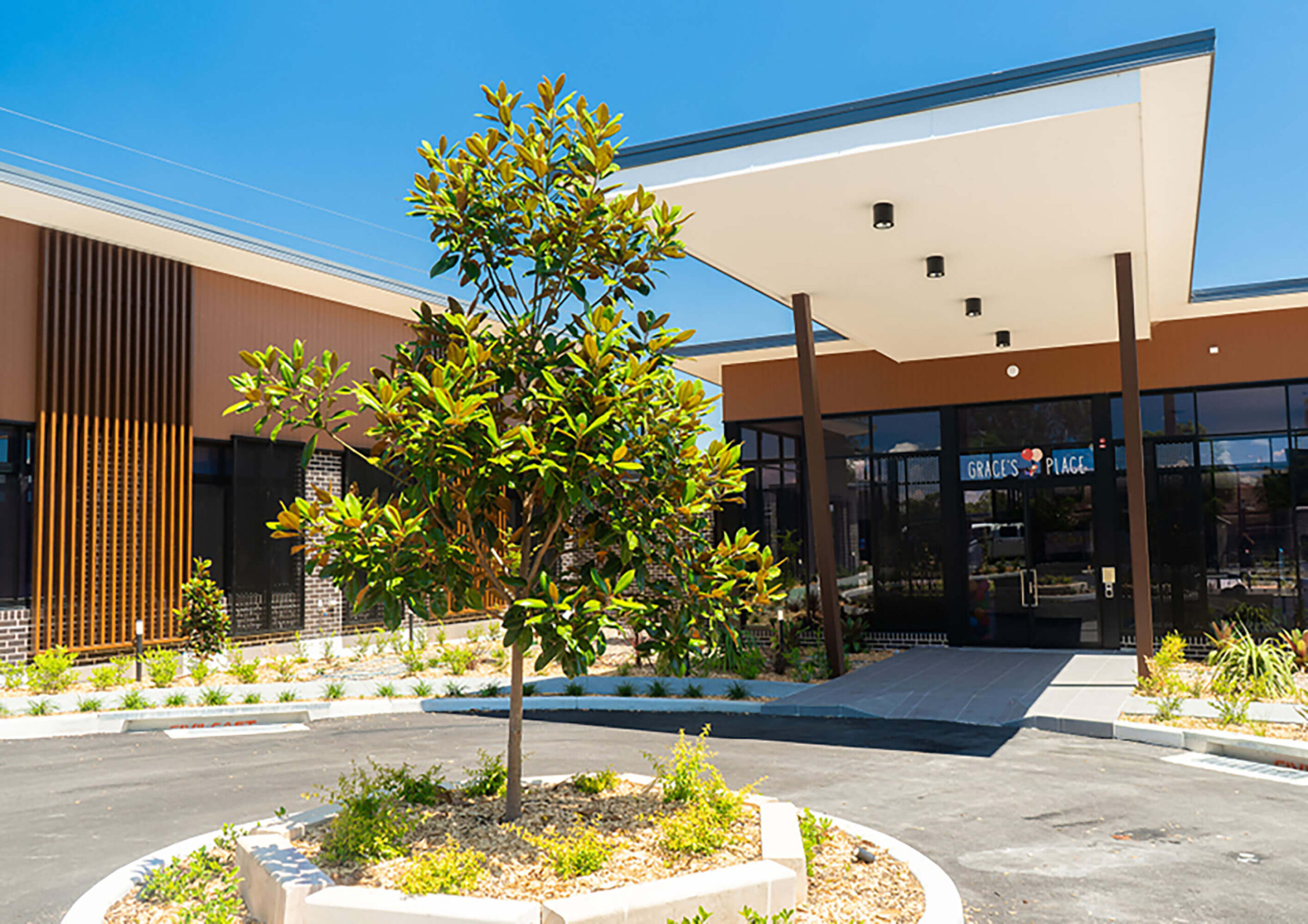
Grace’s Place stands as a pioneering residential trauma recovery centre, dedicated to healing children affected by homicide. This unique facility, named in honour of Grace Lynch, offers counselling, rehabilitation, and life skills education. The design prioritises a calming environment with open spaces, a central courtyard for reflection, and flexible areas for various therapeutic activities. Collaborating extensively with landscape architects ensures cohesion and multiple play zones.
Funded by the federal and state governments, with a 100-year land lease from Western Sydney Parklands for a symbolic $1, Grace’s Place is a testament to community support. Sustainable features, including extensive solar panels and water sensitive urban design, align with a commitment to environmental responsibility. This media summary encapsulates Grace’s Place as a symbol of hope, resilience, and compassionate architecture, uniquely addressing the needs of young victims in the community
Gully House | Andrew Burges Architects

Gully House is conceived as an extension of the gully, proposing continuous, connected views through the length of the site. This guiding principle led to a differentiation of façade response for the east/west and north/south elevations. The transparency of the north/south façade visually connects the northern front courtyard to the landscape spaces of the lower gully to the south, creating a continuous, unified experience of the sloping site.
The east/west facades act as a filter, mediating privacy, ventilation, and glare while providing a place for layered planting. In response to the steep fall across the site, the house was organised by a split-level cross section determined by studies of sun angles and site lines desired within the site and to the gully beyond.
Ha Ha Haus | FIGR Architecture Studio
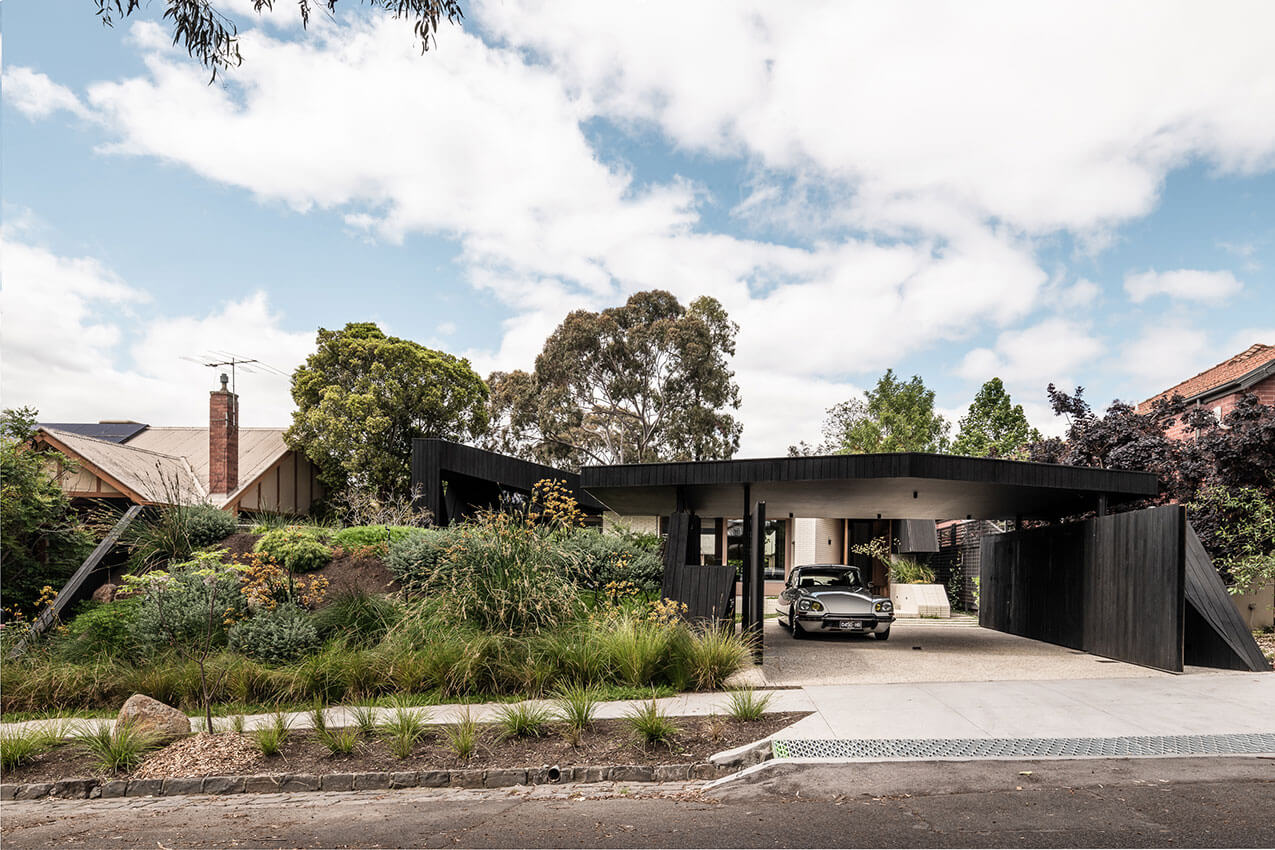
Embedded into the landscape, Ha Ha Haus is located in a leafy pocket of Alphington (Wurundjeri Country) where front fences are a refreshingly rare sighting.
Our client’s design brief centred around a close knit family home which caters for frequent visitors from overseas, intergenerational living and a transient occupancy. The single storey design addresses long term ageinginplace and responds to the sloping site and adjoining context.
The floor plan is a donut form surrounding a central landscaped courtyard, a place of refuge and a key design element grounded on the passive solar principles of maximising cross ventilation and northern glazing to what most would deem a challenging site with a south facing backyard.
From the footpath, the project aims to give back to the streetscape into which it is sleeved. A landscaped mound beguiles and conceals a 20,000L rainwater tank and a low lying house.
Evergreen Community Precinct | Walter Brooke
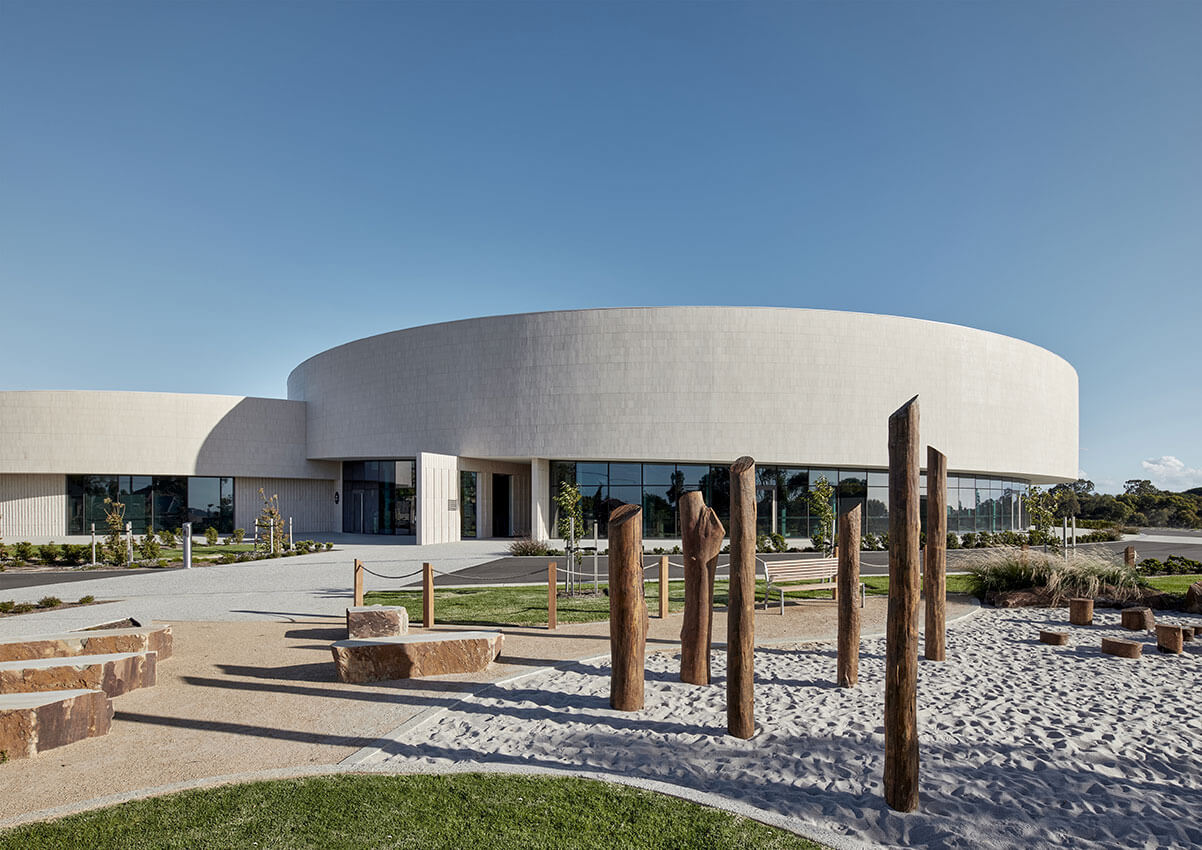
Nestled within Enfield Memorial Park, the Evergreen Community Precinct embodies the cycle of life through its distinctive circular geometry, symbolizing eternal renewal. Deliberately chosen as the predominant formmaking language, it also references the park’s geometric planning.
Designed to cater to funeral and community needs, the precinct offers multipurpose spaces as well as crematoria functions. With a focus on inclusivity, it integrates a play space and café to connect the community with the naturalistic parklike setting.
Embracing refined simplicity, the natural, neutral tonal palette paired with the building’s bold sweeping curves create intimate and dramatic moments, fostering a transcendent atmosphere for all visitors. The circular planning and continuous transparent facade ensure that each internal public space maintains a connection with the landscape.
A gentle ambiance is cultivated through natural tones and limestone accents, evoking the landscape’s tranquillity.
EW House | Thursday Architecture
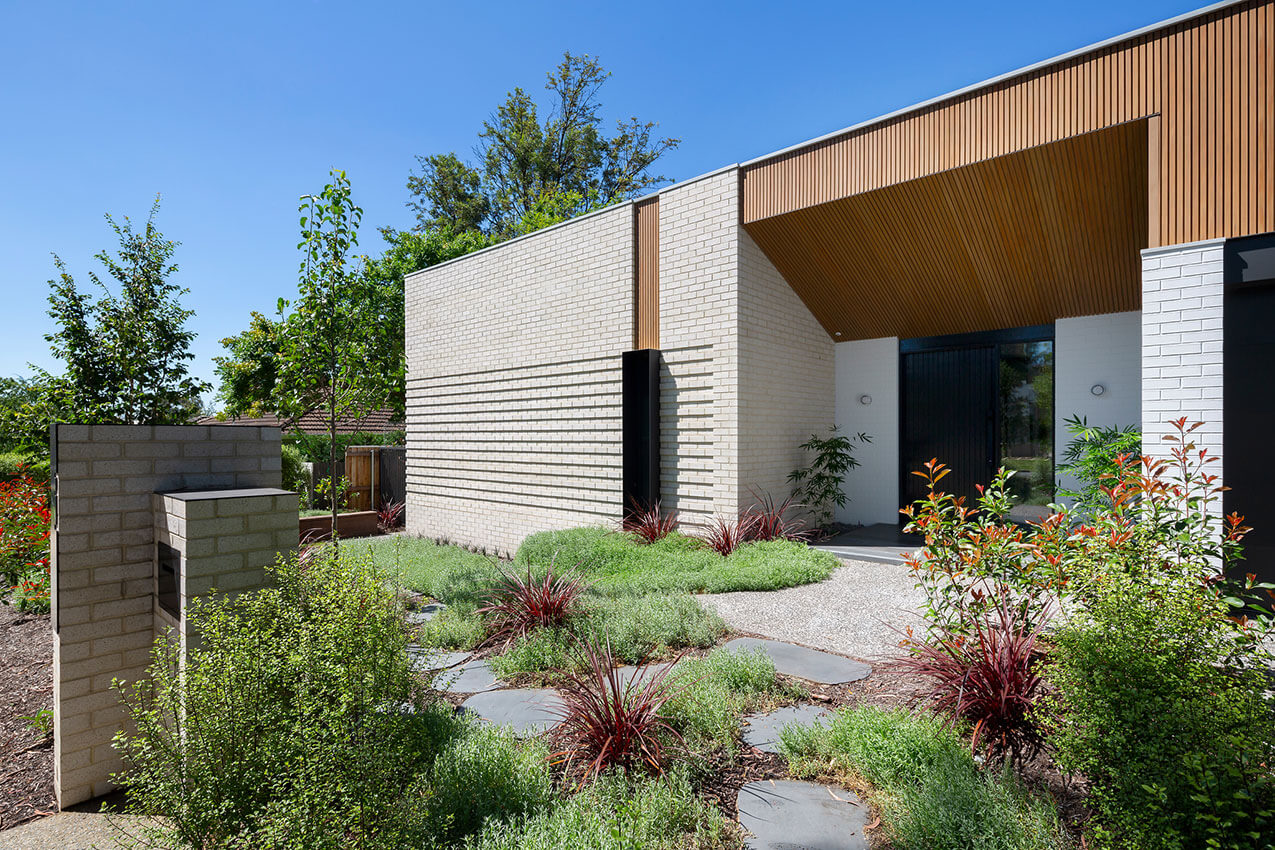
East West House draws inspiration from Eastern cultural values within a contemporary Western setting. Initial conversations with the client explored an understanding of their time spent living and working in Asia and their connection to Asian cultural values. Our design response was to interpret the traditional concept of the Siheyuan, or courtyard house within an Australian suburban context as part of the brief resolution to value outdoor space as much as indoor space. The design centres around the internal courtyard, seamlessly integrating the home with its surroundings while also emanating a feeling of privacy and seclusion from the outside world.
Ewen Park Outdoor Learning Centre | Sam Crawford Architects
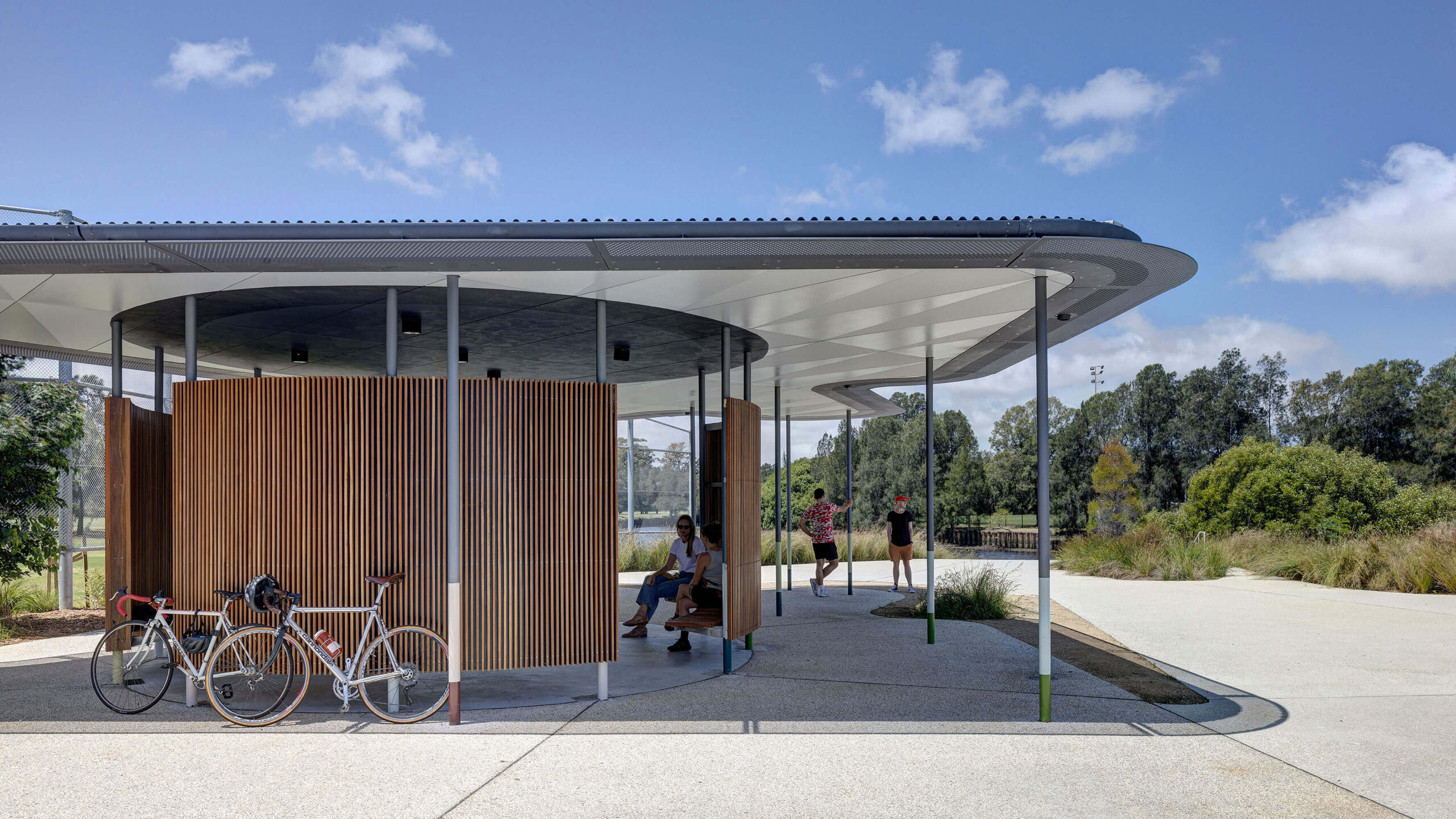
The Ewen Park Outdoor Learning Centre delivers a vibrant place for meeting, promotion of place, and environmental awareness.
Canterbury Bankstown Council’s brief required a simple yet dynamic shelter to provide the community of Hurlstone Park with a flexible use outdoor learning centre.
Referenced in the design is an appreciation of the history, hydrology, and ecology of the site; from strategic site planning initiatives through to the design details. Country centred design principles underpin the project.
The Outdoor Learning Centre is expressed as a pavilion with expansive roof that provides shelter to the central gathering space, as well as providing peripheral shade.
The playful edges of both the shelter and landscape afford flexibility in use, breadth of scope for inclusion of public art, and carefully integrate with adjacent developments in a manner that affords equitable use of the site and surrounds, with framed views and vistas of the Cooks River and park beyond.
Fairlie Apartment | Kennedy Nolan

This apartment interior can be found in one of the most celebrated apartment buildings in Melbourne, Fairlie, by the venerable modernists Yuncken Freeman Bothers, Griffiths and Simpson. The brief was for a downsize apartment for a client transitioning from a large house and garden which came with a lifetime of carefully and intelligently collected art and furniture. Our first move was spatial, a desire to break down the cellular plan and introduce enfilades which would reveal the triple aspect of the floorplate but also acknowledge the way an apartment can be inhabited as a variegated progression through a continuous space.
Family home in St Ives | Common Office
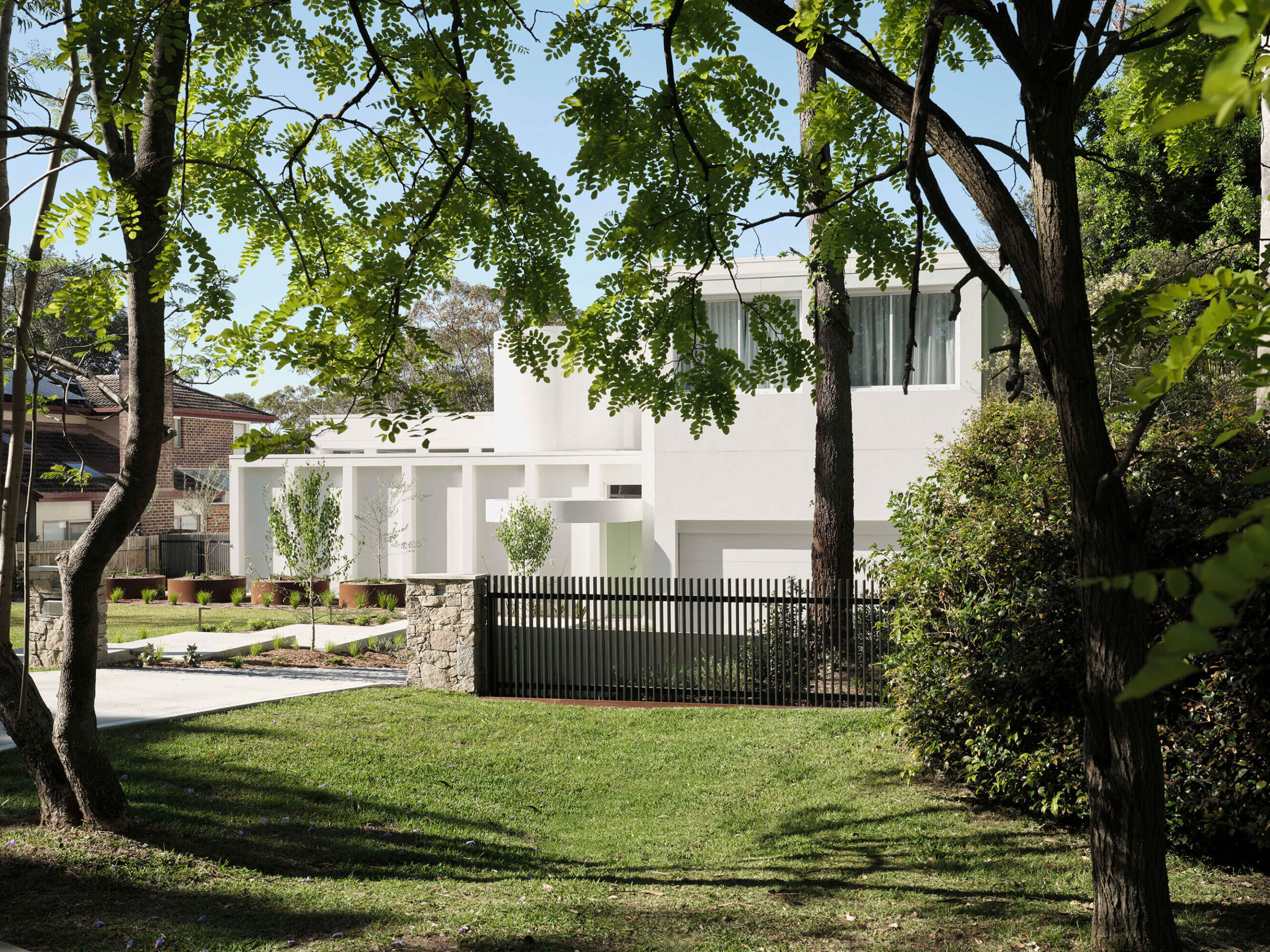
In St. Ives we situated a home for a family who place enormous value on time together. The architecture is open and embracing to the rear where the site extends towards the natural landscape of the national park. To the street the building is a composition of cues from a more civic architecture. The project assembles the ideas and references of two directors educated in the UK, Europe and the USA and deploys them to address a quintessentially Australian design question of the private residence in a beautiful Sydney suburb.
Ferrars & York | Six Degrees Architects

Ferrars & York is a sixstorey, 22unit apartment building in South Melbourne, with a strong sustainability and community focus. Located 100m from South Melbourne Market, adjacent to the light rail line, the building is powered by 100% renewable energy and presents best practice in climate resilient design and construction.
Designed for the long term, with quality and durability in mind, low impact, responsibly sourced products and materials have been selected. Design features such as open walkways and a communal roof yard with fireplace and BBQ provide spaces that promote quality interactions and a sense of belonging. A thoughtfully designed landscape and ground floor create connection to the street and add activity to the precinct.
Ferrars & York has an exceptional average energy rating of 8.6 stars, which means more comfort for occupants due to consistent air temperatures, better acoustic performance, significantly lower energy bills and a lower carbon footprint.
Finlay Street | Christopher Clinton Architect

The Finlay Street project centres on a heritage-listed utility structure, once part of 34 Hampden Road. Alterations feature a new living area, removal of an unsympathetic fit-out, and landscaping with a north-facing green ‘warm’ roof. ‘Portals’ with integrated joinery enhance functionality and selectively frame views in existing west-facing openings. The northern addition maintains the original floor level, integrating a green roof intentionally kept low. A ‘lantern’ roof section, set apart as a distinctive glazed form independent of the main building, allows light penetration, ensures privacy, and establishes a visual link with the original house. Internal improvements expose and preserve the original brick structure, replacing laminate flooring with Tasmanian oak, and introducing detailed timber joinery. Achieving a harmonious blend of contemporary living, conservation, and historical sensitivity, this project reflects a successful collaboration among architect, client, and builder. The delicate balance between heritage preservation, functionality, sustainability, cost, and aesthetics defines its success.