
Maggie’s House | Light House Architecture and Science
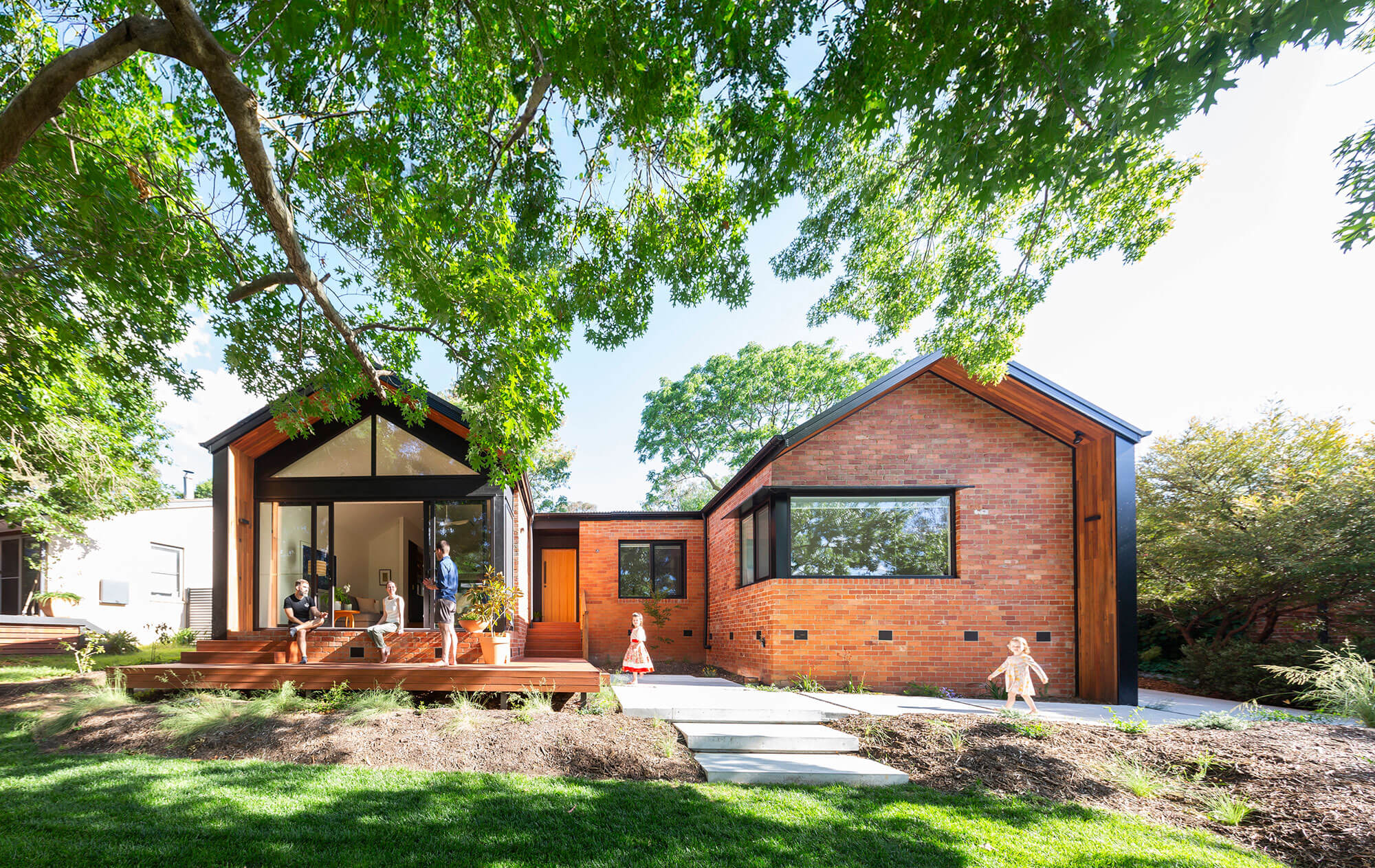
Maggies House is the stunning transformation of an original red brick, Plan 404, exgovernment home with a 1990s split level extension. The result of a carefully integrated architecture and science process By Light House is a energy and space efficient family home that is now climate resilient and takes full advantage of a leafy northerly outlook over the surrounding neighbourhood and parkland while also connecting beautifully to private garden areas to the rear.
Key principles behind this project:
Flexibility and adaptability the home needed to be suitable for a growing family and to host regular visiting family and friends
Connection with the existing wellestablished gardens and the neighbourhood
Climate resilience and solar passive design
Renovation rather than knockdown rebuild
Simplicity and a sympathetic streetscape reflective of the original neighbouring homes
Ledgar Rise | Studio Architecture + Interiors
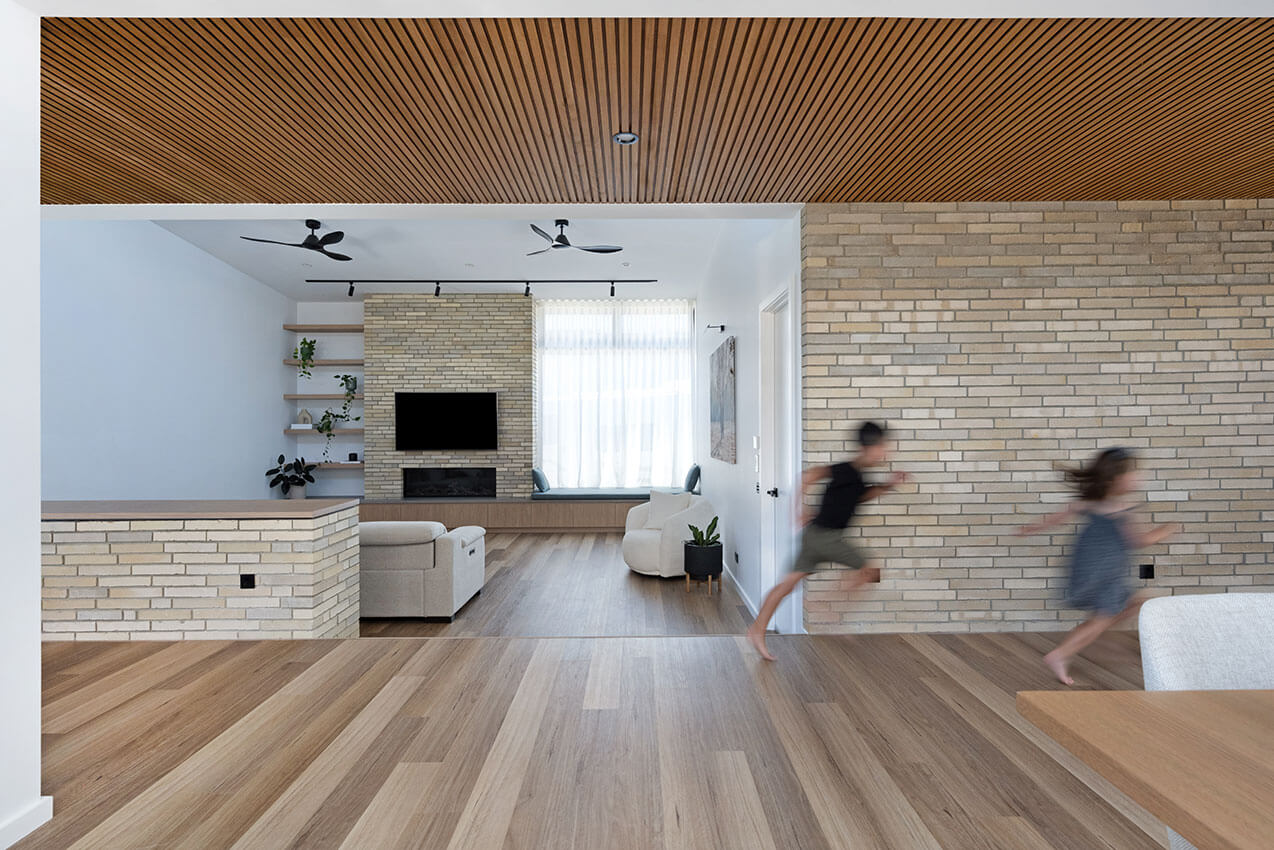
Ledgar Rise exudes sophistication and warmth in its clean and elegant design. The house seamlessly integrates with its natural surroundings, boasting robust materials and a carefully chosen colour palette that blend effortlessly with the adjacent nature reserve. Inside, timber ceilings and feature brickwork guide visitors through a spatial sequence that encourages organic flow.
With high ceilings and abundant natural light, the home achieves a sense of space while maintaining thermal comfort through strategic orientation and ventilation. Despite its modest size, Ledgar Rise offers versatile spaces designed for multipurpose use and adaptable utilization, fostering integration with its surroundings.
From breathtaking views of the hills to the serene retreat of the master bedroom, every aspect of the design emphasizes harmony with nature. Ledgar Rise sets a modern standard for family homes, embodying thoughtful design, sustainable living, and harmonious integration with nature, providing residents with a sanctuary to thrive.
LESS | Pezo Von Ellrichshausen, Oculus, and Molonglo
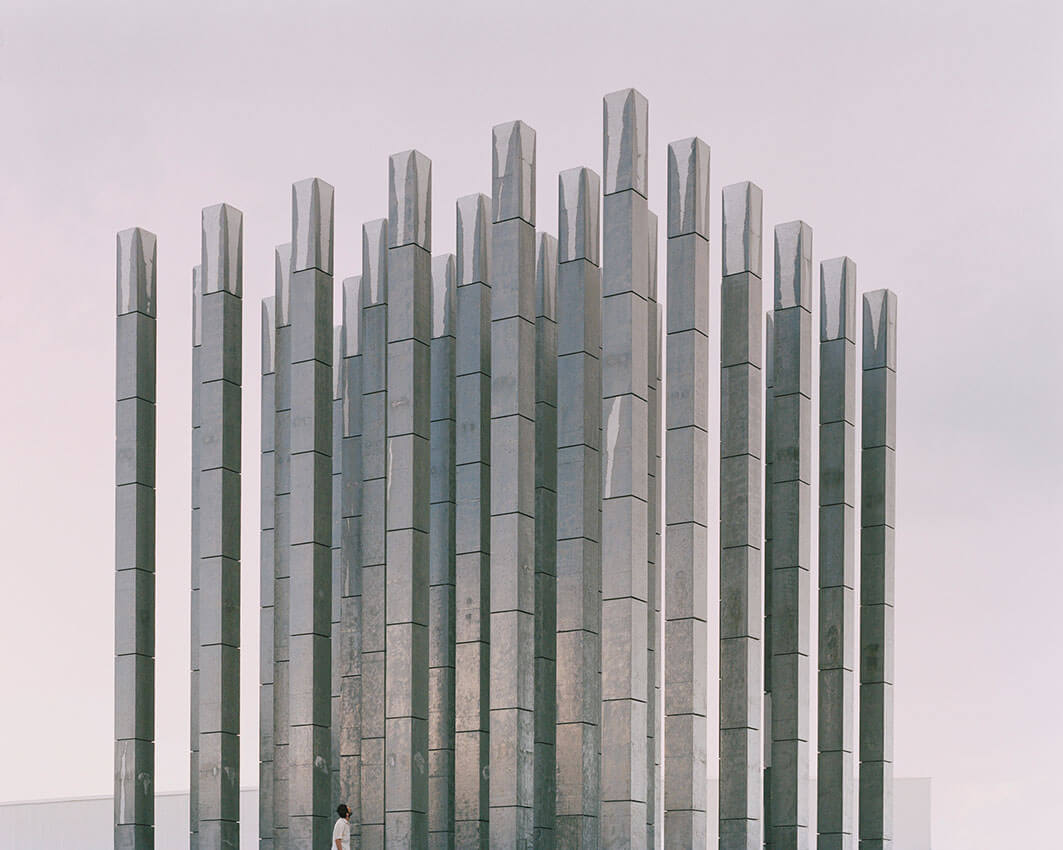
LESS is a recently completed and evolving work at Dairy Road in Canberra.
LESS is an intentionally ambiguous structure that contributes to the evolving social landscape at Dairy Road an emerging neighbourhood wedged between the Jerrabomberra Wetlands and the industrial suburb of Fyshwick.
LESS is a nondeterministic landmark and nontransactional gathering place. It invites the community to interact with and occupy its spaces as they see fit.
Part public art work, part public space, LESS consists of 36 concrete columns, a circular ramp that leads to a viewing platform and a native garden. A continuous and shallow stream runs through and down the structures columns, pooling, running and returning.
The garden features 8,500 individual plants, made up of 50 species local to the Canberra region. It is a dry bush landscape that subtly changes with the Ngunnawal seasons. Slowly the garden is becoming more immersive and equal to the structure.
Kampung Batu Bigga (Rocky Knoll Shelter) | Philip Leeson Architects and Sarah Truscott Architect

Located in a rural setting south of Canberra, Kampung Batu Bigga is a meticulously crafted rammed earth sanctuary, a joint vision between architect and outdoors enthusiast owner. Grounded in a profound love for the bush, this residence seamlessly integrates with its scenic surroundings, reminiscent of a bushwalking hut. The intentional modesty of the home’s footprint encompasses compact private spaces, with a shared living space under the distinctive roof form.
The design pays homage to Australia’s bush construction history with rammed earth and Zincalume cladding, and it carefully wraps the contours, with a winglike roof extending to shelter outdoor spaces. Sandstone ‘wind’ walls protect against prevailing winds; and sustainability is embodied throughout with onsite harvesting of rainwater, energy and waste processing. From the outdoor kitchen to serene internal spaces, Kampung Batu Bigga harmonises architecture and occupants with nature, exemplifying a thoughtful blend of design, sustainability, and connection to the Australian bush.
Kashmir Apartments – SOHO | Stewart Architecture
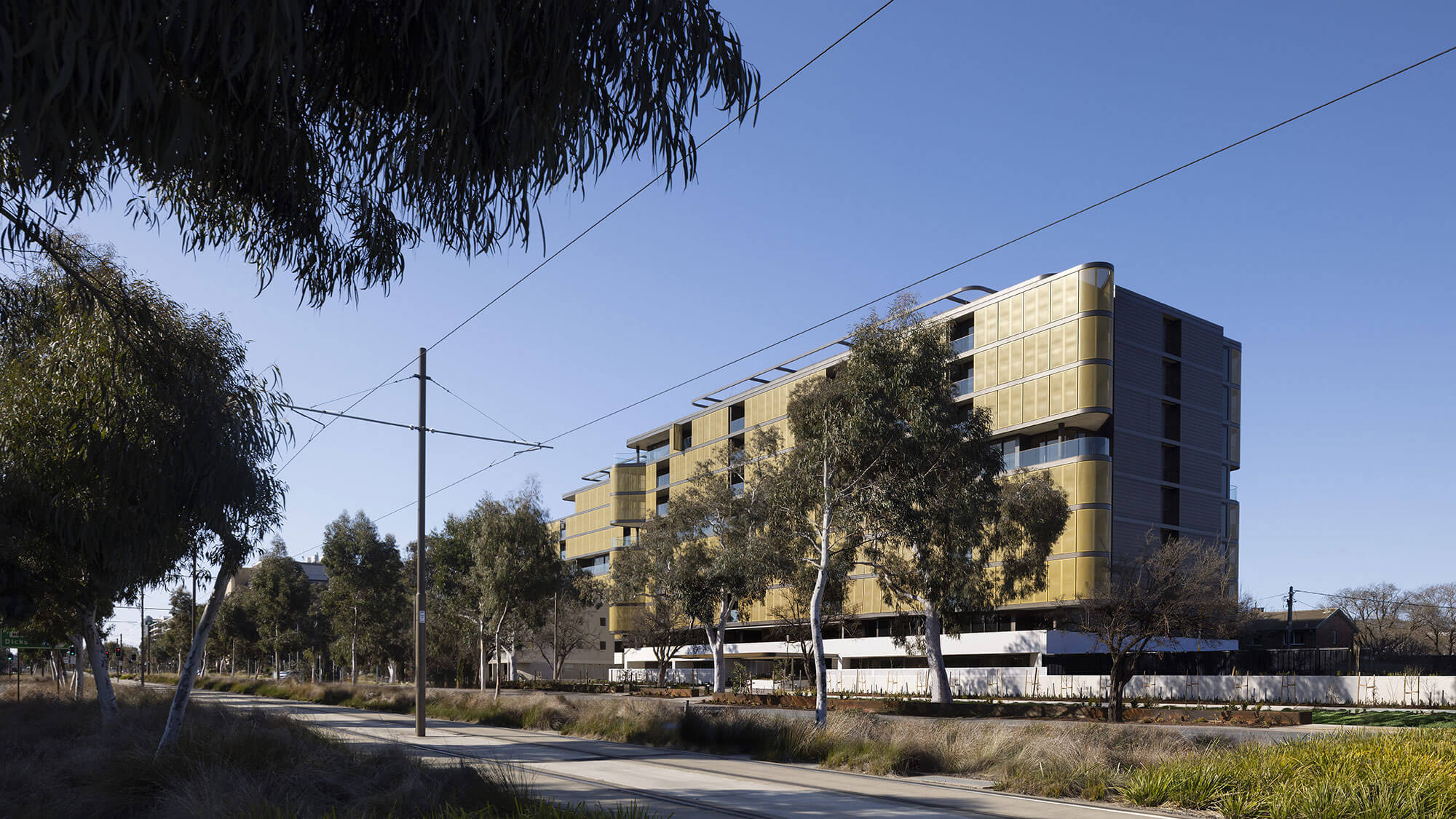
The SOHO precinct is a mixeduse village fronting the Northbourne Avenue corridor in the heart of Canberra. Kashmir is one of a sequence of buildings in the precinct that form the gateway streetscape to Canberra’s city centre. The buildings are designed to contribute and connect to the community at various scales building, precinct, and city.
Kashmir contributes to the citys vision for an active and connected mixeduse avenue by providing a variety of dwelling arrangements that contribute to its longterm vitality. The site includes the Northbourne Housing Groups Bedsitter Flats (Ancher, Mortlock and Murray for the National Capital Development Commission (NCDC), 1959) which has a distinct visual language and is one of the earliest mediumdensity housing examples in Canberra. Kashmir is designed and sited in recognition of this heritage building that sits in the foreground, fronting the avenue and defining the ground plane.
Illume | Cox Architecture
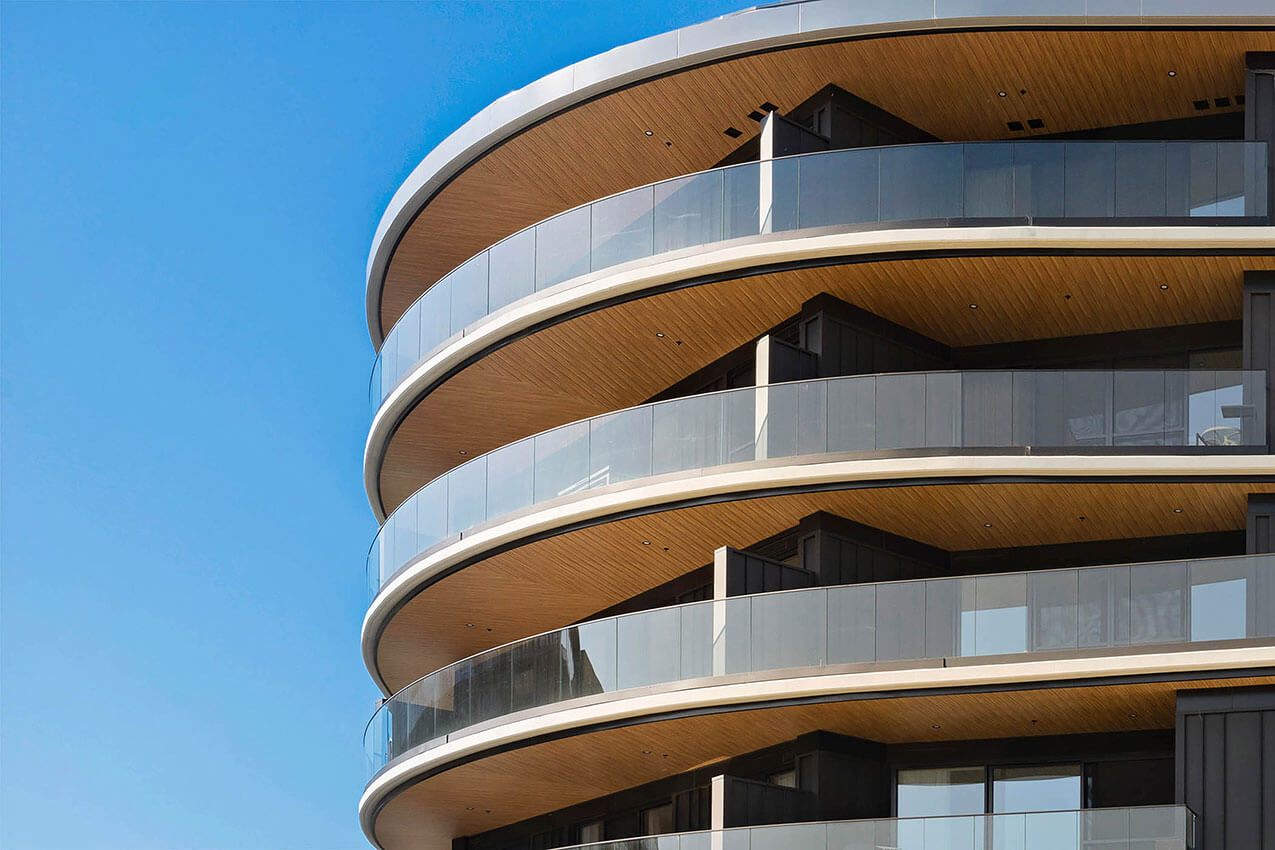
Illume aims to demonstrate how contextual considerations about site together with preferencing the basics of light and air can create a truly liveable multiunit housing solution. The project consists of two sperate buildings that site above a common landscape which itself conceals the basement levels below. The larger of the two buildings contains just under sixty units, ranging in size, from one bedroom through to fourbedroom apartments. The smaller of the two buildings only contains three apartments, each of which occupies entire floor. It is appropriately dressed in gold brickwork in response to the two original Heather Sutherland and Malcom Moir houses across the street. Altogether, the project exemplifies the criticality of the fundamentals of context, topography, light and air in the context of multiunit housing as distinct from individual dwelling.
John McGrath Kia | Open Principle Architects
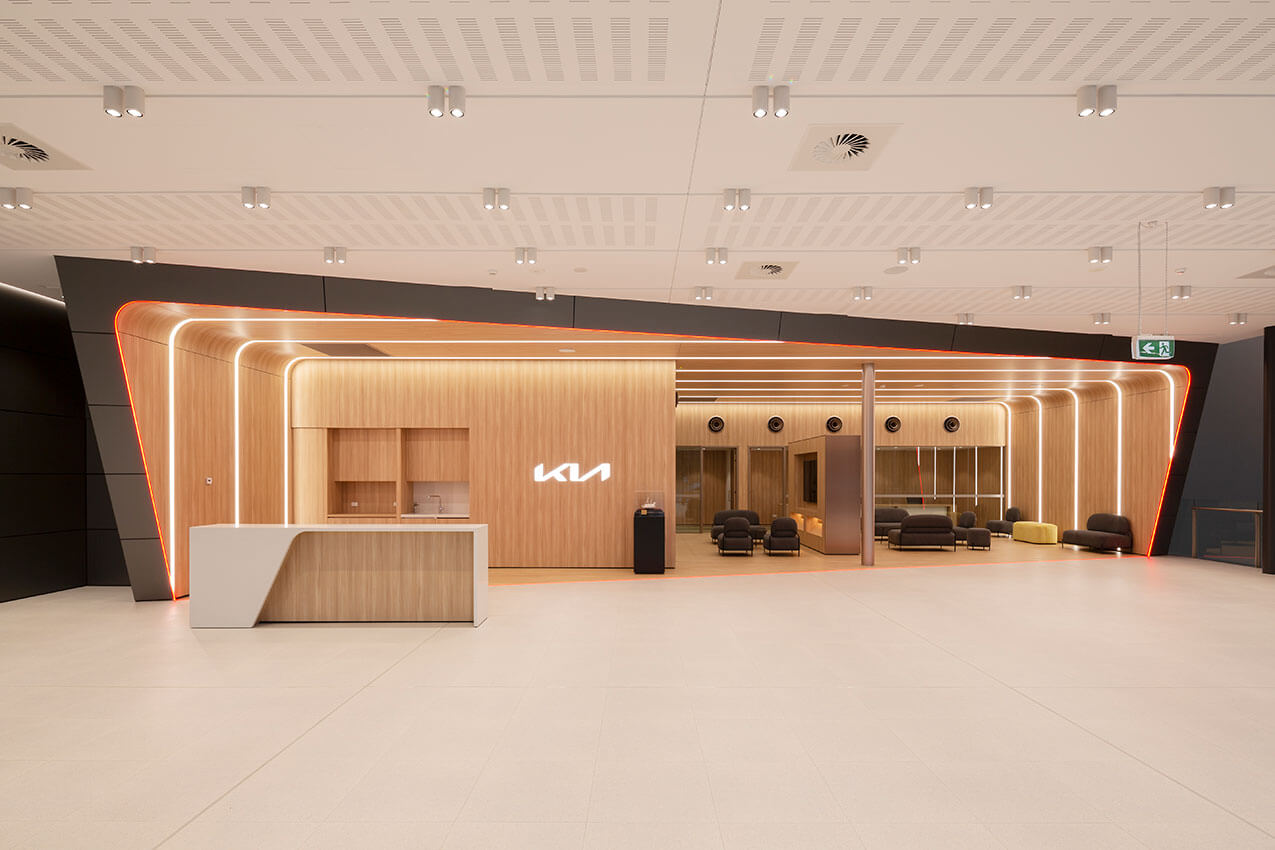
In 2021 KIA globally launched a bold reinvention of Corporate Identity and brand, including a new logo, change in strategic direction and new Store Identity. The new design philosophy Opposites United is inspired by nature, combining contrasting qualities and juxtaposing polar opposites to achieve a new outcome. This philosophy is notable in the contrast between the achromatic exhibition area and the warm sensibility of the customer area, with articulation that inspires movement between the two. These two distinct spaces are delineated and fused together by the emphatic red angled loop that balances dimensions and proportion. Open Principle Architects were privileged to work with John McGrath Auto Group and Kia to launch Australias first rebranded dealership setting the national standards for the continuation of Store Identity upgrades.
House on a Path | Joanna Nelson Architect

A 1970s house on an experimentally planned suburban site in Canberra has been reorganised and reoriented through two precisely placed but loosely programmed additions to front and rear.
Japanese influences are evident in the original house and courtyard and Radburn planning principles in the battle axe block the unfenced front boundary is to a public pedestrian path while the rear driveway leads to the street.
The principal architectural idea is to amplify these distinctive attributes while providing legible entries and introducing circular routes.
The additions internalise seven external openings slotting under the existing eaves to the rear and matching the footprint of a demolished deck to the front. The additions function equally for utility, or to detour, gaze out and welcome in.
Inside, these circular routes enrich living patterns while outside, a new circular path skirts a new pool and gathers up narrow and generous spaces into a continuous whole.
Hackett Gardens House | Ben Walker Architects

The project comprised the design of a new single storey house in the northern Canberra suburb of Turner. The building forms a U shaped plan with an internalised large central court. This layout provides the desired privacy from the public realm, but allows for open and generous views from living spaces into the central court.
A series of indented solar courts provide light and refuge between the wings subtly demarcating the transition between zones and providing foreground views to landscape. Saw tooth roof elements contain highlight windows that provide northern sun to rooms that may otherwise be landlocked and generous interior volumes.
The 8 star house includes highly insulated triple layered walls. Ceilings and burnished concrete slab are heavily insulated, with both internal and external membranes providing excellent air tightness. Windows integrate high performance triple glazing and a PV system provides a substantial portion of household energy use.
Havard St Terraces | Mather Architecture
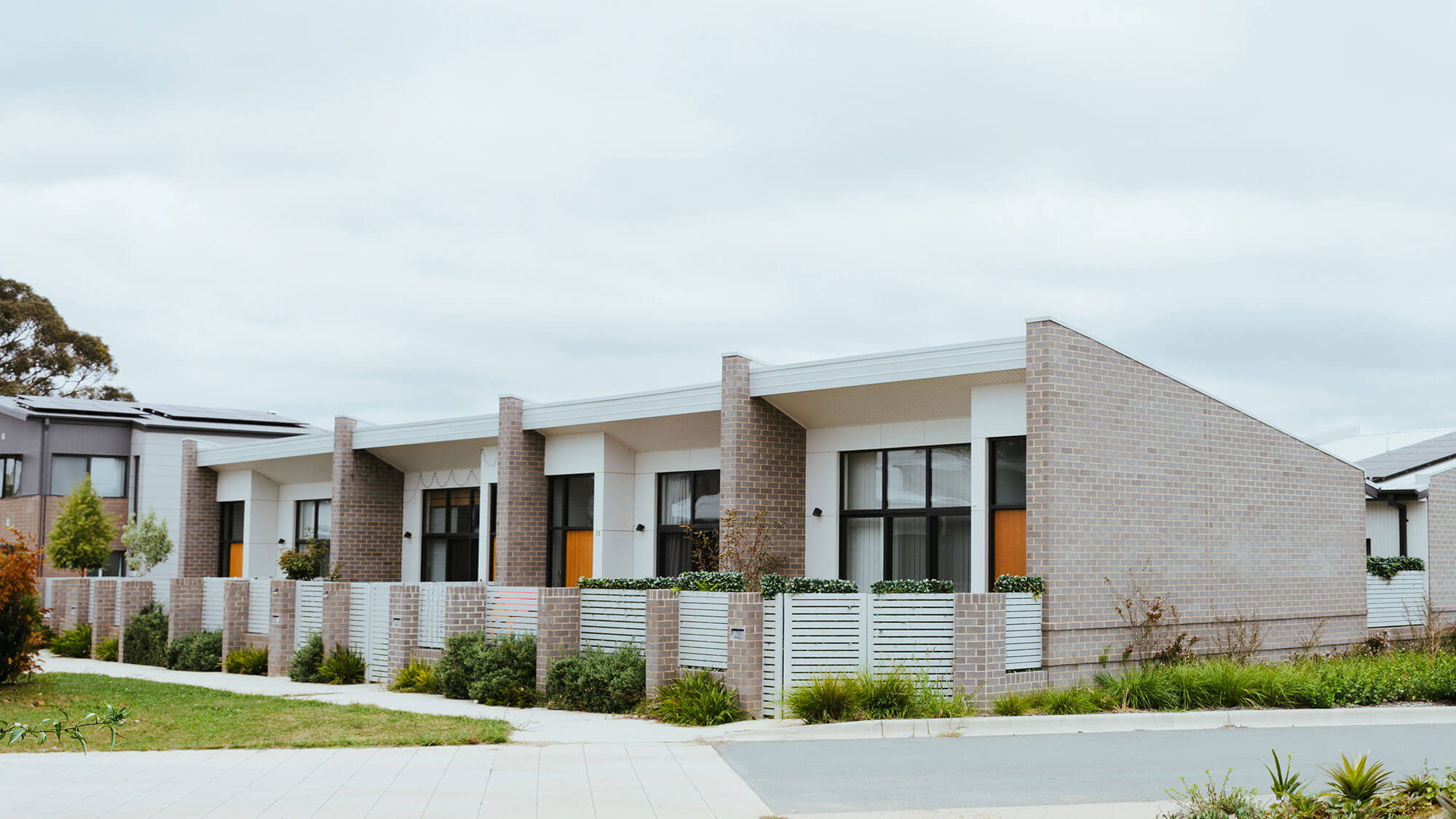
This project demonstrates where less is more. This site was originally anticipated for 4 x 2 storey townhouses. Working with the developer, we identified a gap in the market for smaller, single level, compact and more affordable homes. Nestled into a compact site, the dwellings are surrounded by roads. In order to address this, the front and rear skillion roofs slope down into the inner courtyards bringing natural light and soft landscaping into the centre of the homes. Materials were selected for their honesty and durability. Externally, face brick end and party walls articulate each dwelling while lightweight FC cladding complements the glazing geometry. A simple pop of colour identifies each front door. Raked ceilings with boarded lining increase natural lighting and perceived space into the living areas. The front seat and screen act create a subtle yet functional entry space separate from the main living zones.