
HighGround | Mather Architecture
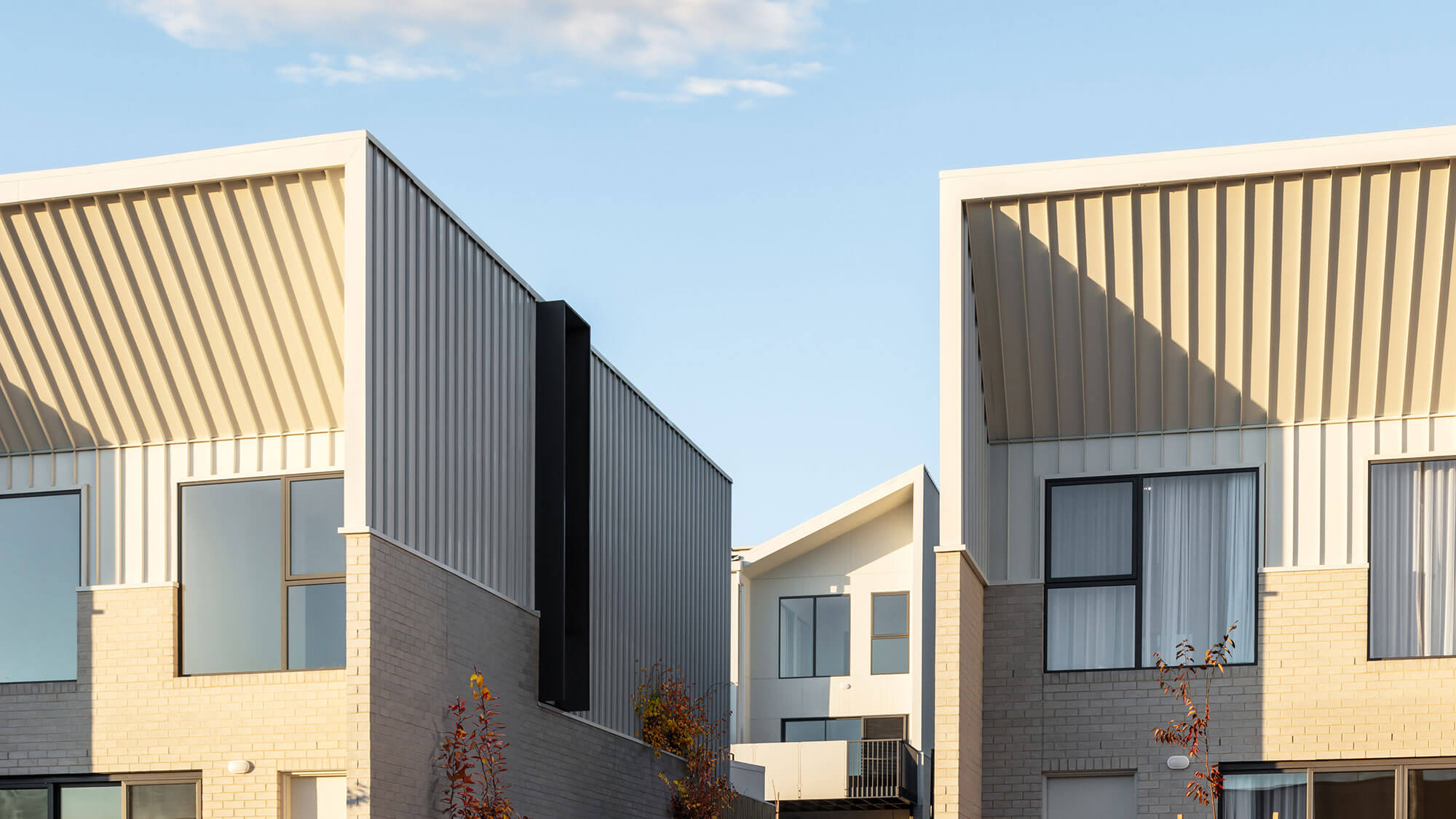
Doing more with less is the underlying principle driving the design at HighGround in Denman Prospect. Designed across three tiers, each building offers a different unit typology, providing housing choice, diversity and affordable housing options. With generous 3bedroom townhouses, compact townhouses, as well as 1, 2 and 3 bedroom apartments, HighGround seeks to provide options for a variety of living situations. All homes feature a multipurpose space or study essential in our modern and flexible work from home environment. Each dwelling, whether it be townhouse or apartment, is designed with livability, efficiency, and warmth in mind. All living spaces are flooded with natural light from the northern aspect, while balconies offer views over the Molonglo Valley. The exterior material tones are warm, yet fresh and clean lines provide a flattering backdrop for the landscaping. Interiors are inspired by natural materials and warm undertones of raw cotton, leather, and charred timber.
EW House | Thursday Architecture
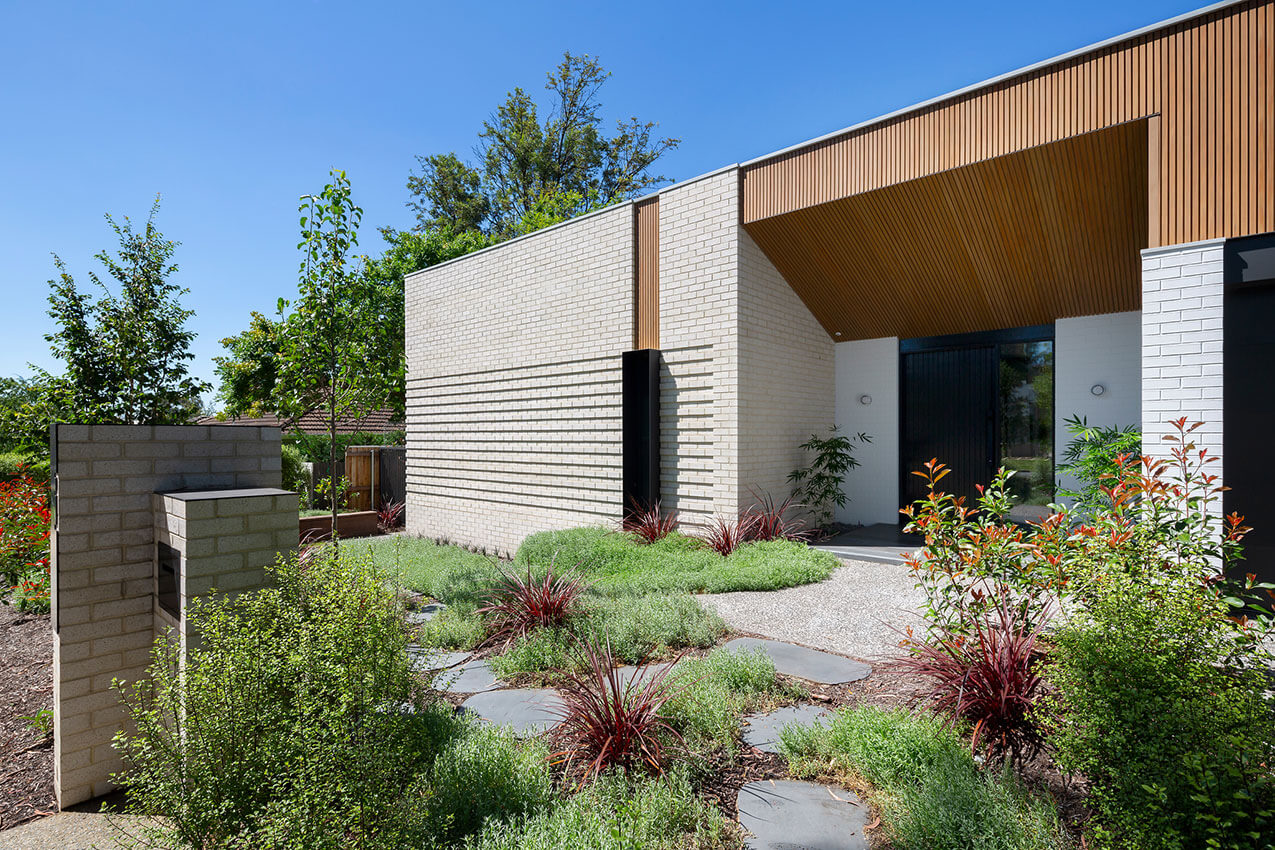
East West House draws inspiration from Eastern cultural values within a contemporary Western setting. Initial conversations with the client explored an understanding of their time spent living and working in Asia and their connection to Asian cultural values. Our design response was to interpret the traditional concept of the Siheyuan, or courtyard house within an Australian suburban context as part of the brief resolution to value outdoor space as much as indoor space. The design centres around the internal courtyard, seamlessly integrating the home with its surroundings while also emanating a feeling of privacy and seclusion from the outside world.
Deloitte Canberra | SQC Group

Deloittes forwardthinking Canberra Office is a 6,100m2 stateoftheart space designed for hybrid work and collaboration. The workplace vision positions the office as an epicentre of emanating energy, converging, and propelling forward from the building’s atrium, symbolising Deloitte’s influence rippling outward to Canberra and beyond.
The office design, focused on humancentric solutions, features multifunctional areas, and wellnesscentric retreats. It reimagines traditional layouts by combining workstations and built zones, maximising natural light, and fostering inclusivity.
Accessibility is paramount, with adjustable workstation, diverse seating, and seamless navigation for all abilities. The project aims for Green StarInteriors and WELL Gold certification, emphasising sustainability through repurposed furniture and local sourcing. Biophilic elements throughout bolster wellbeing, integrating nature into the workspace.
Deloitte’s workplace praised for its harmonious ambiance sets new standards in inclusive, sustainable, and adaptable office design that prioritises employee wellbeing and environmental responsibility, all while elevating the concept of adaptable and engaging office landscapes.
Collector House | Open Principle Architects
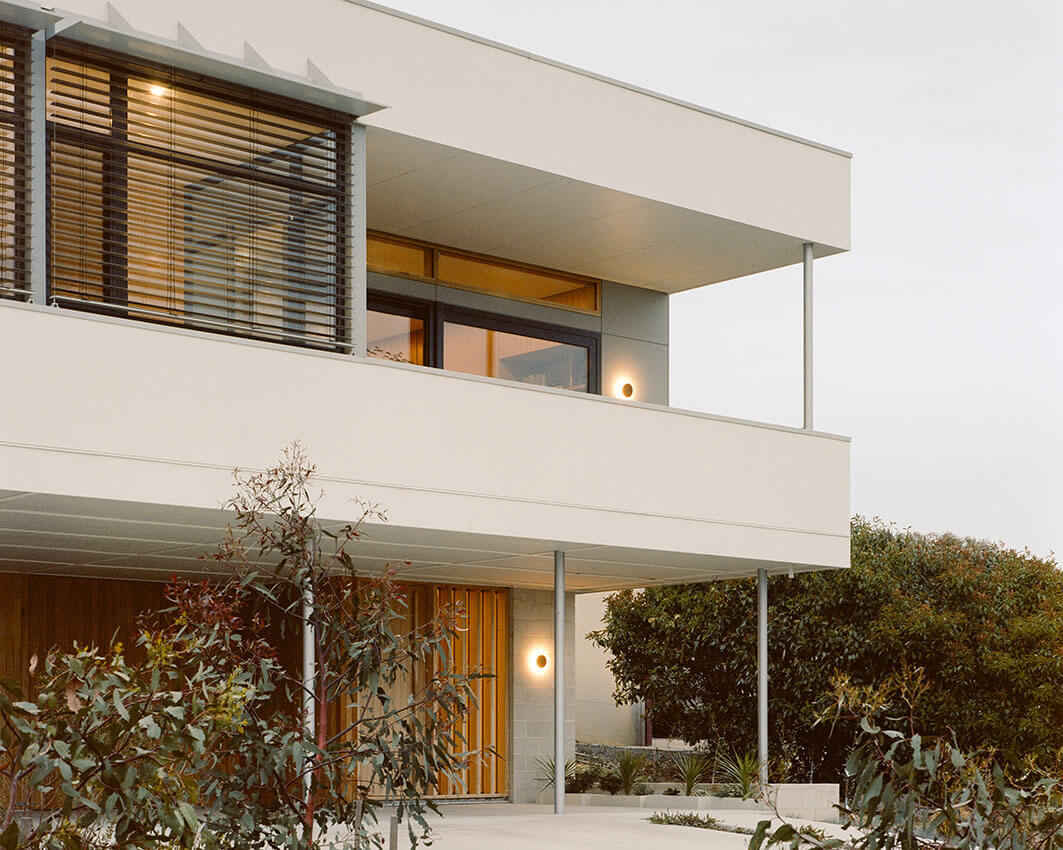
Collector House is designed as a 4 bedroom family home using Open Principle Architects philosophy of low consumption housing. The house wraps the existing significant vegetation in plan, whilst using the natural gradient in section to elevate the primary private living function, optimising views and natural northern light gain. Water tanks that service the project are concealed under the elevated rear section of the house leaving the remaining block for land and playscaping. Construction utilises highly insulated wall, floor and roof systems. Air tightness is achieved through internal vapour barrier and fresh air provided by ERV systems.
Collegians Centre Radford College | Stewart Architecture
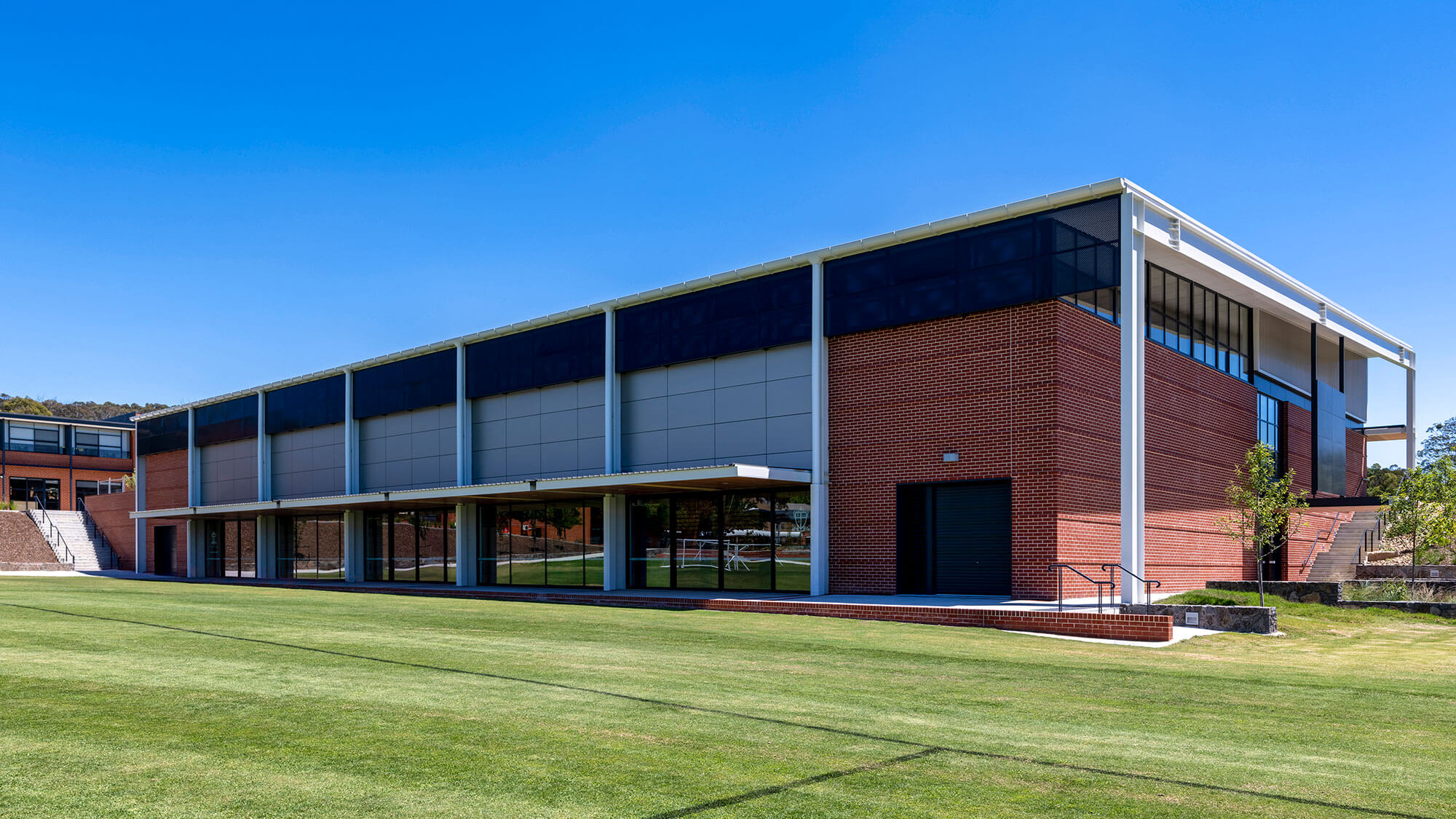
The Collegians Centre is a new multi-function facility at Radford College that provides flexible spaces that can be used for indoor sport, school assembly, day to day classes, training and other educational activities. As a facility and as a building, the Collegians Centre forms the centrepiece of the developing sports precinct at the eastern edge of the campus, and it also defines the campus public face on College Street. Engineering solutions are combined with a finely tuned interior design to create legible and elegant spaces that are highly functional, durable, and will contribute to the promotion of an inclusive, safe, healthy, and stimulating learning environment.
Canberra Centre Parents Room | Mather Architecture

The Parents Room in the new North Quarter renovation Canberra Centre is a carefully planned and highly functional space, designed to be a fully inclusive space for all users, from parents and carers to children, of all genders, identities, and abilities. Colour is used in sophisticated yet unexpected ways to define zones, while curved elements soften and unify the spaces, creating an immersive and memorable experience for users. The inviting tones of the parents room facilities provide both spatial definition as well as a welcome contrast to the stimulating shopping mall environment.
Canberra Grammar School Centre of Music and Snow Concert Hall | Cox Architecture

COXs proposal the CGS Centre of Music and Snow Concert Hall was selected by the competition jury for its originality, innovation, and integration with its heritage context. The design proposed the 1400 seat auditorium be built underground with music rooms of various sizes placed adjacent, forming a plinth for the heritage buildings behind/above. Additional uses that went beyond the requirements of the brief were suggested as result of the additional space generated by the siting strategy. Critical to this approach is a three-dimensional circulation system that integrates both new and old movement patterns into a series of new circuits and points of entry/egress. A new library now sits atop the ceremonial front door of the campus, overlooking the historic Dining Hall, Quadrangle to the South, and Main Oval to the North. The intent was to enhance the context and not design from a tabula rasa.
Canopy House | Neighbourhood Architecture
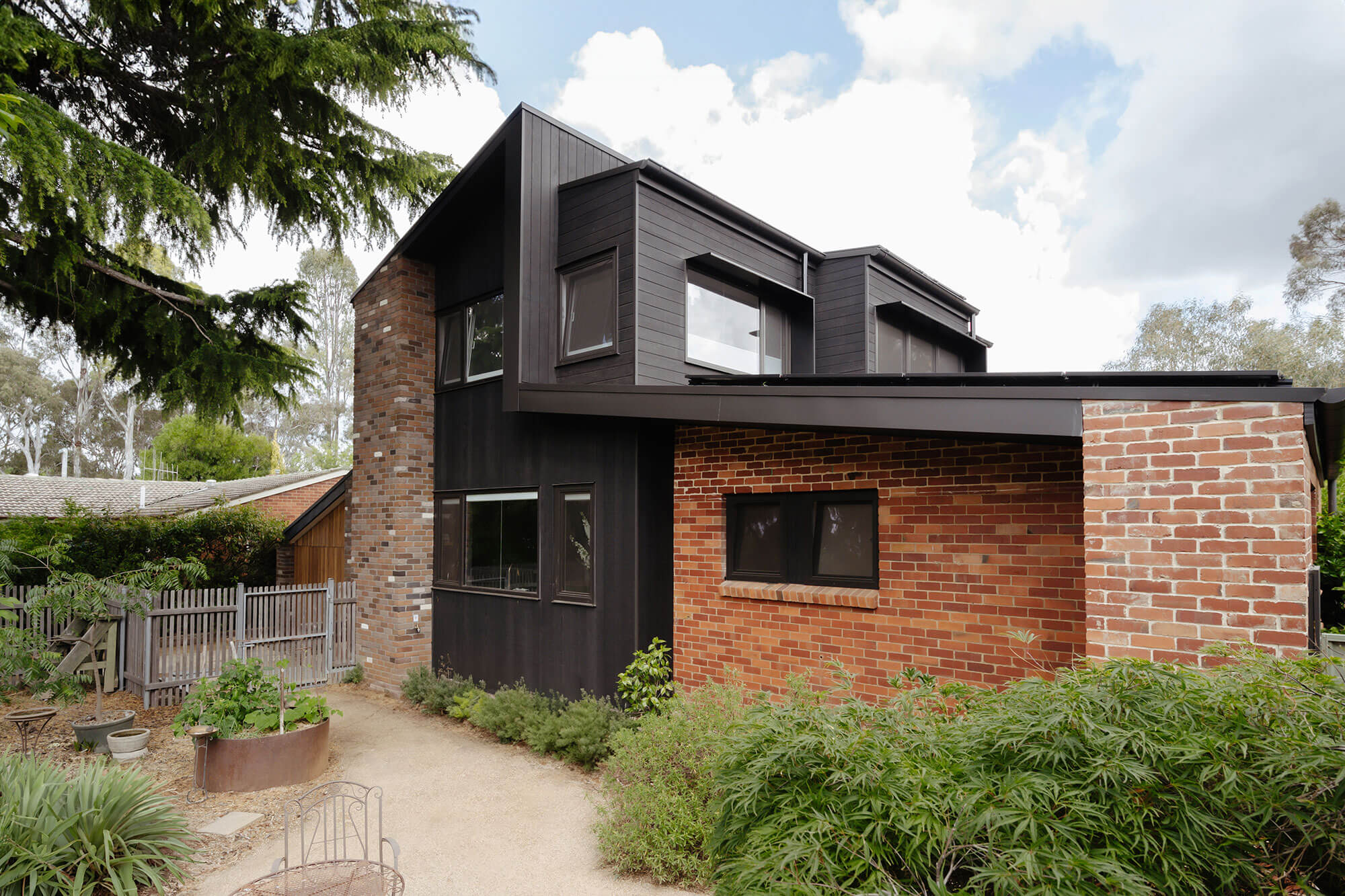
This architectural project in Watson aimed to rejuvenate an aging residence, transforming it into a modern, energyefficient home with an added upper storey. Combining historical charm with contemporary functionality, the project focused on sustainability through solar passive design, insulation, and smart home technology. The upper storey addition seamlessly integrated into the existing structure, offering additional bedroom, office, panoramic views and a striking facade. Architectural features blended traditional and modern elements, emphasising open spaces and the connection to outdoor areas.
Central Village, Canberra City | AMC Architecture
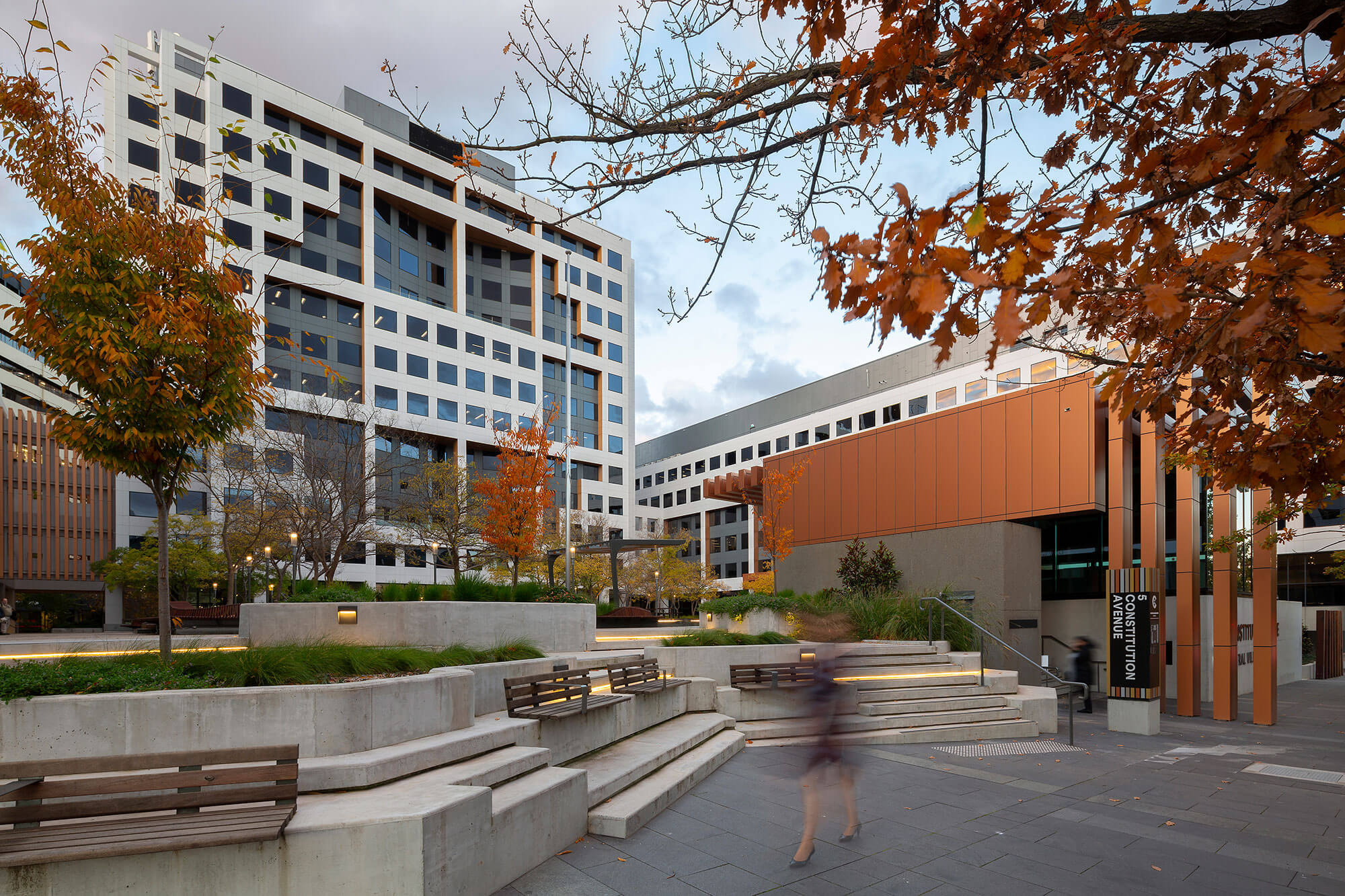
The Central Village redevelopment has taken a 1980s city office block and reimagined it as an exciting and active commercial precinct through wholesale improvements to the public realm, better integrating Nara, Allara and Customs Houses, increasing ground level permeability, carefully located retail uses and through refurbishment strategies that meet market needs. improved energy performance and meet NCC standards while preserving the embodied carbon. The central plaza is integral to its success with a beautiful new cafe pavilion, a warm materials palette, preservation and augmentation of existing trees and landscaping, improved microclimate, wayfinding and a sense of safety. The precinct is now fully tenanted as a testament to the success of the project and its marketacceptance.
Bookend Addition | Studio Heim
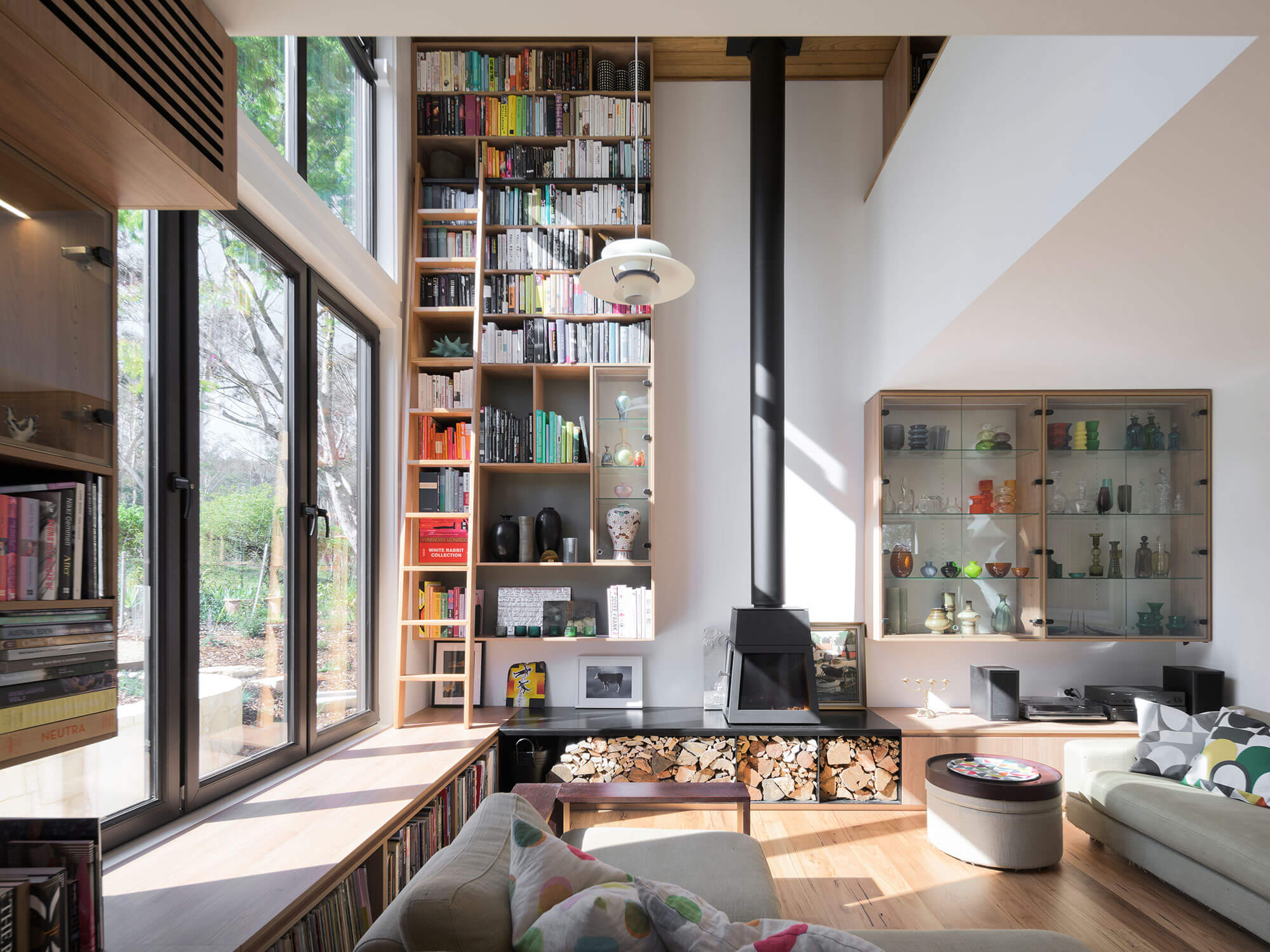
Bookending the front and rear of an existing midcentury Seidler inspired dwelling are two interventions that respect the original design. At the front, an undercroft area has been infilled to provide storage and a place for creative pursuits. At the rear, a contrasting two storey form holds new living and sleeping spaces.
Overcoming a challenging position on a wedgeshaped block, the new form is like a Tetris piece that hugs the existing dwelling whilst stepping to work with boundary setbacks. As a deliberate contrast to the existing dwellings cream brick, the new addition is clad in vertical Shou Sugi Ban, with a base of cream bricks, salvaged from a removed section of the rear façade, blending old and new together.
Bookend Addition is a light touch approach that enhances the dwellings liveability with a striking lightfilled form that makes the most of its unique position adjacent bushland.