
N/A
International
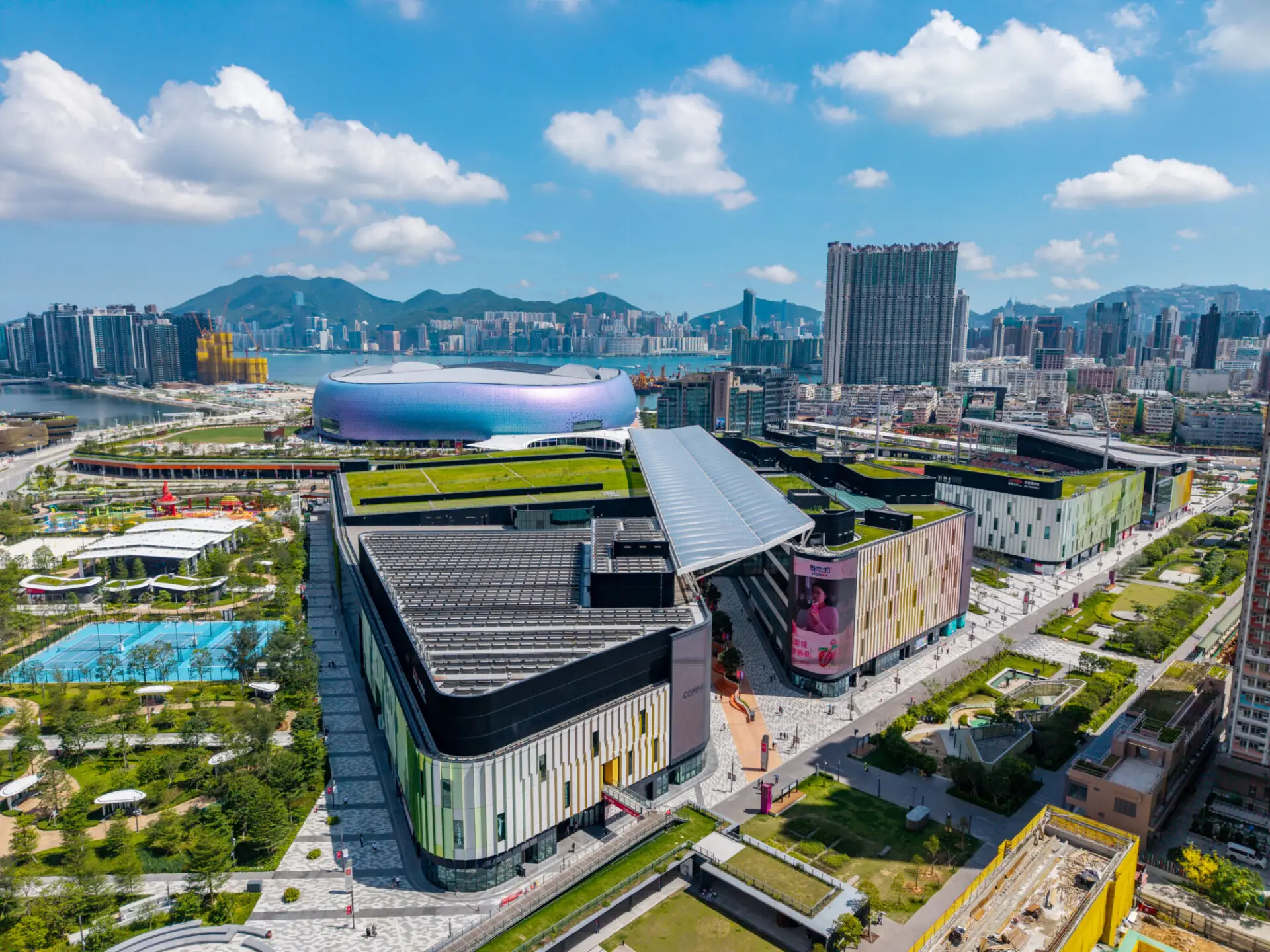
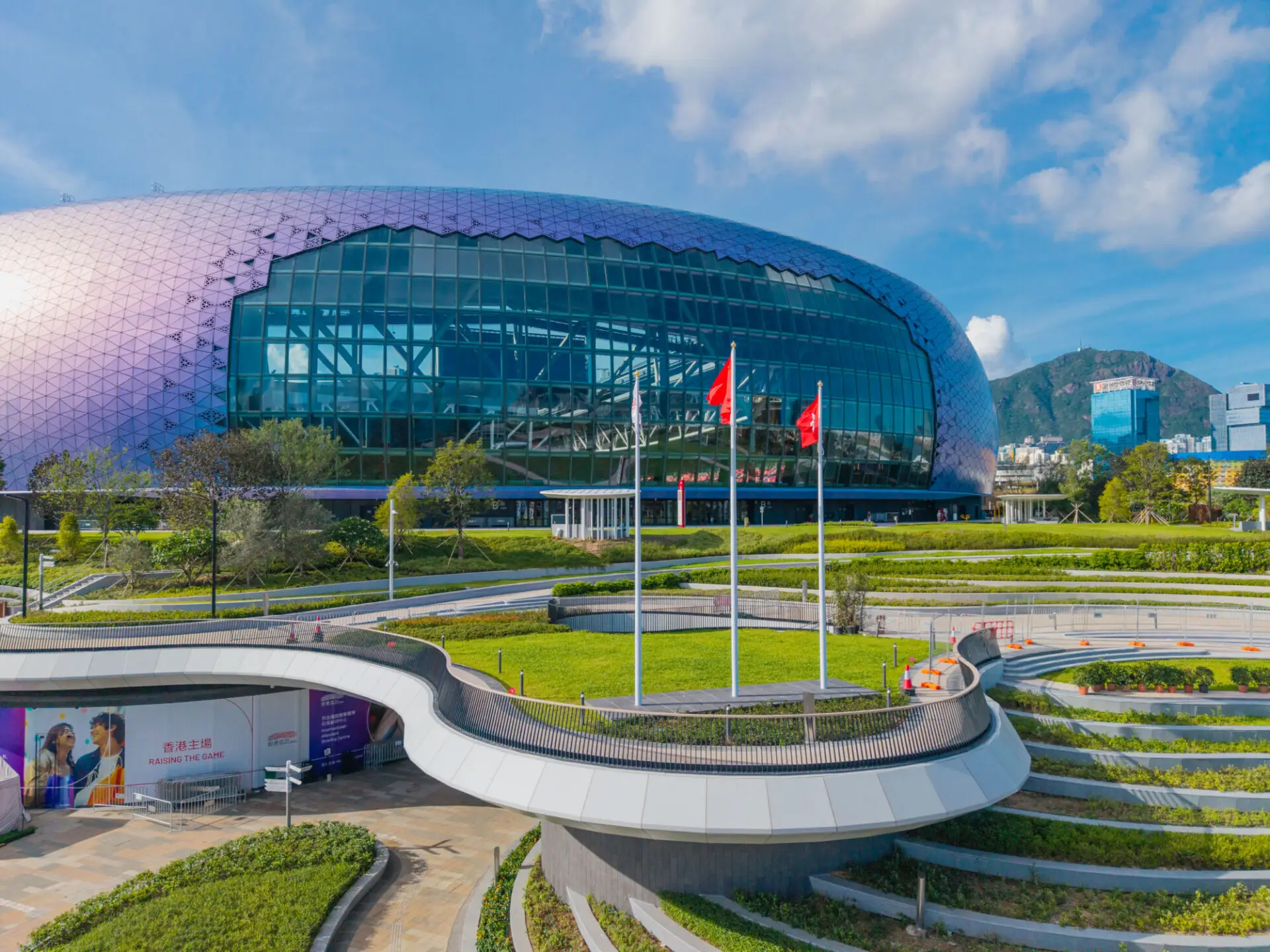
The Kai Tak Sports Park Project Team transformed a disused airport site into Hong Kong's flagship sports and entertainment precinct, which hosts international events while fostering community wellness. Completed in 2025, Kai Tak Sports Park integrates elite events with public access and vibrant spaces, attracting over one million visitors in its first few months of operation, of which half were tourists.
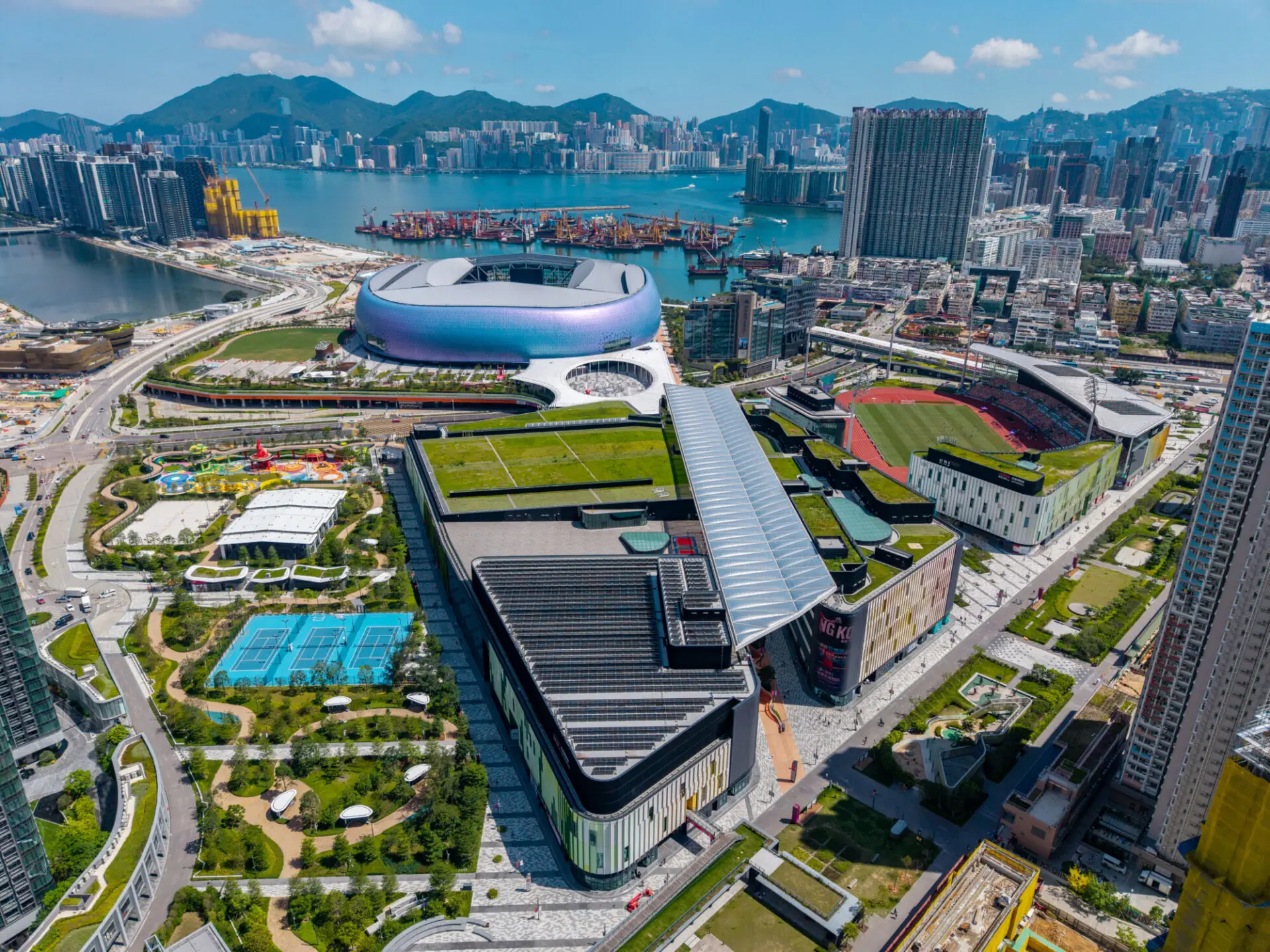
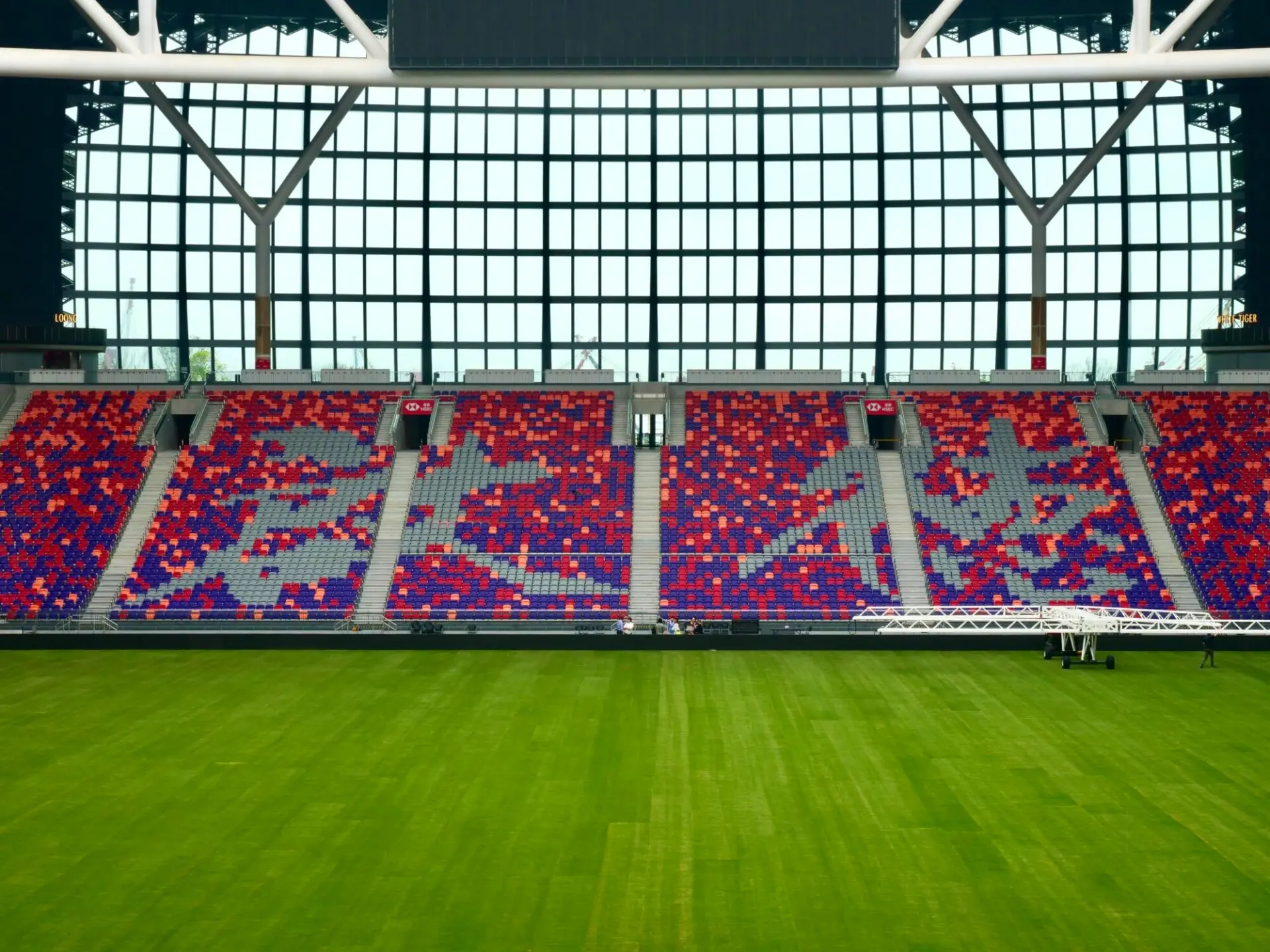
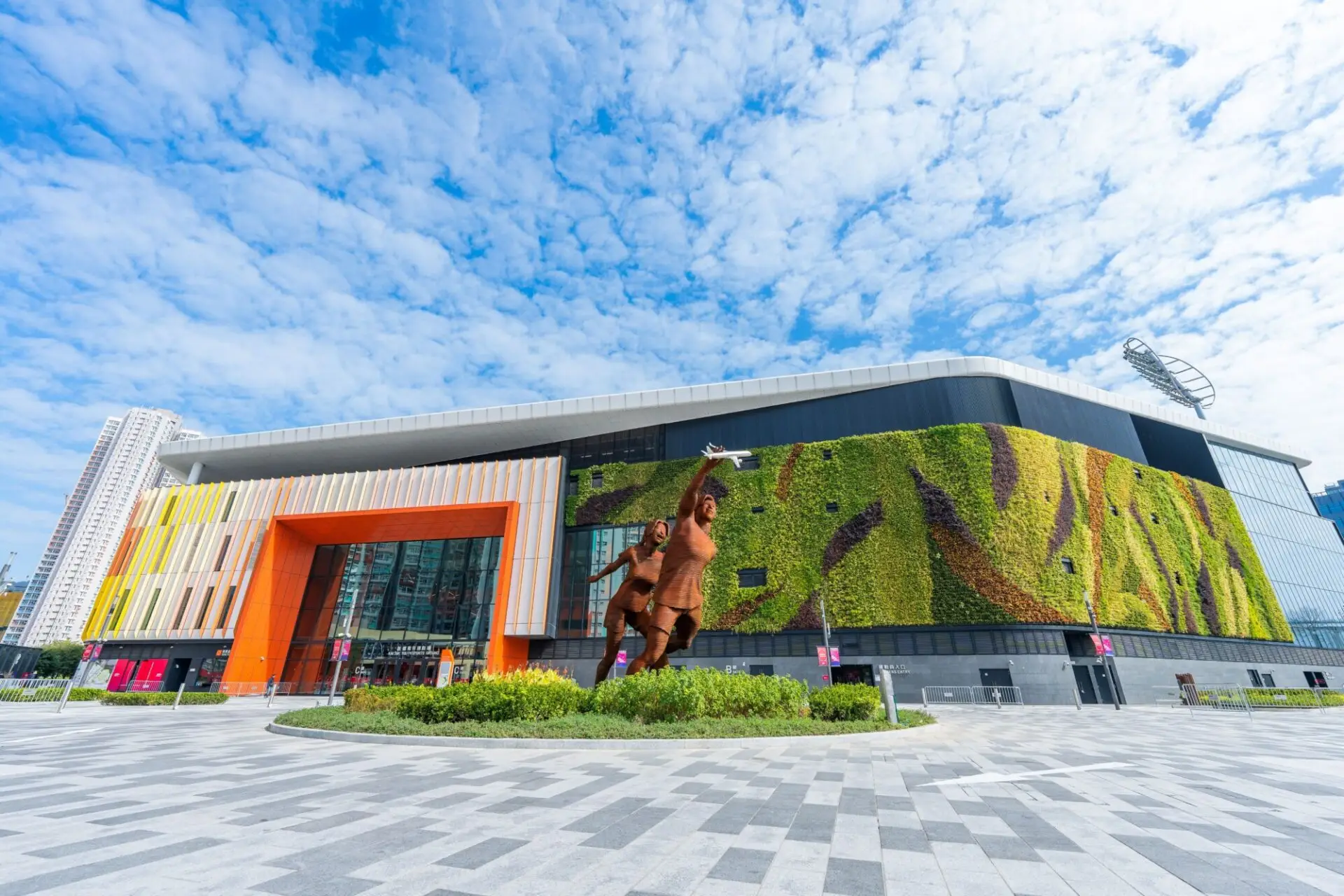
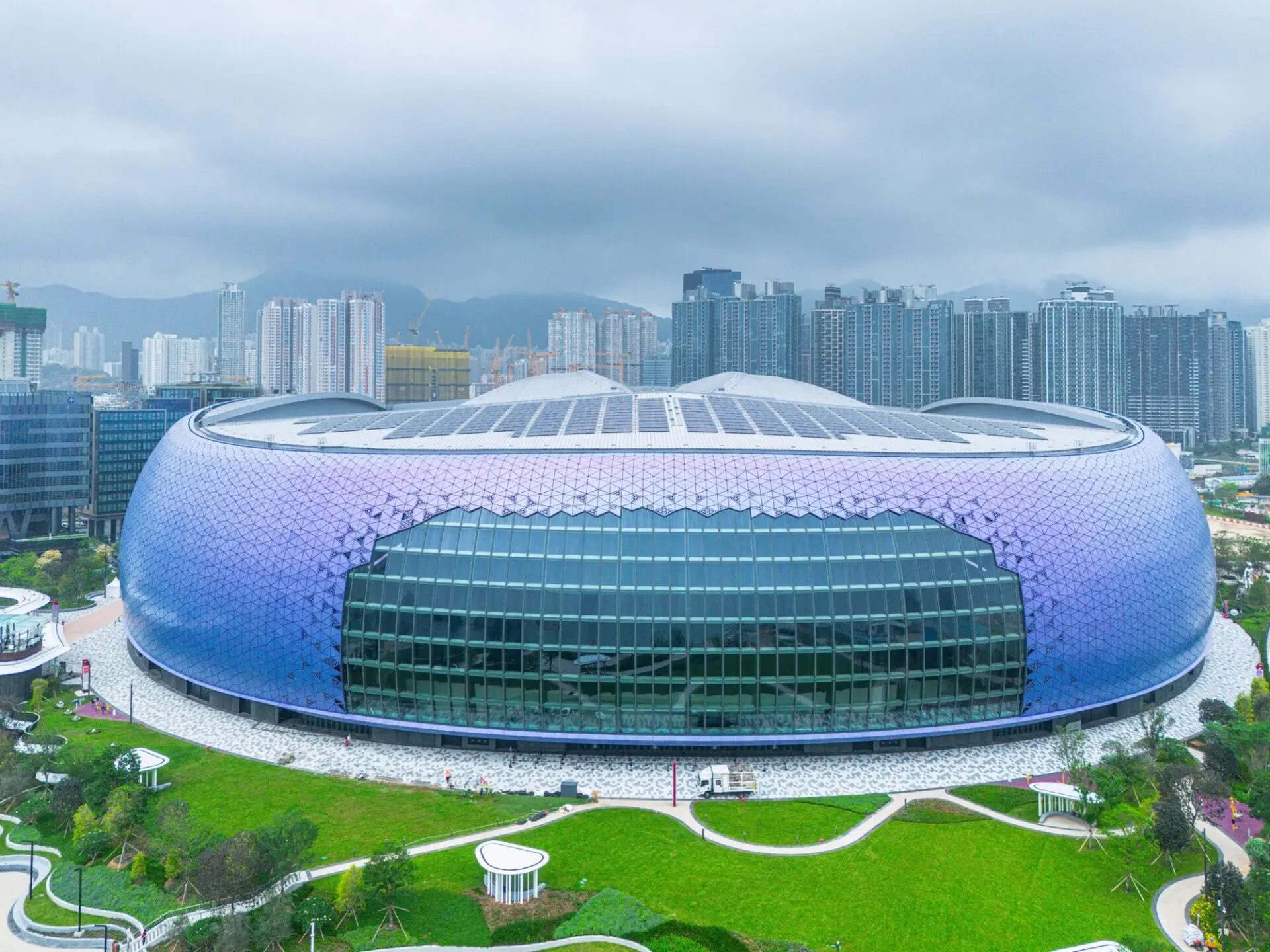
Anchoring the complex is the 50,000-seat Kai Tak Stadium, which is flanked by the 10,000-seat Kai Tak Arena and 5,000-seat Kai Tak Youth Sports Ground. These three world-class sporting venues are seamlessly integrated with parkland, retail, dining and wellness areas to create a multipurpose precinct.
International Chapter Award for Public Architecture
Kai Tak Sports Park is a transformative work of civic infrastructure — and one of the most ambitious public projects in Hong Kong's recent history. On land once synonymous with the city's legendary airport approach, Populous has delivered a precinct that is at once a world-class sporting venue, a cultural platform, and a genuinely generous piece of the city.
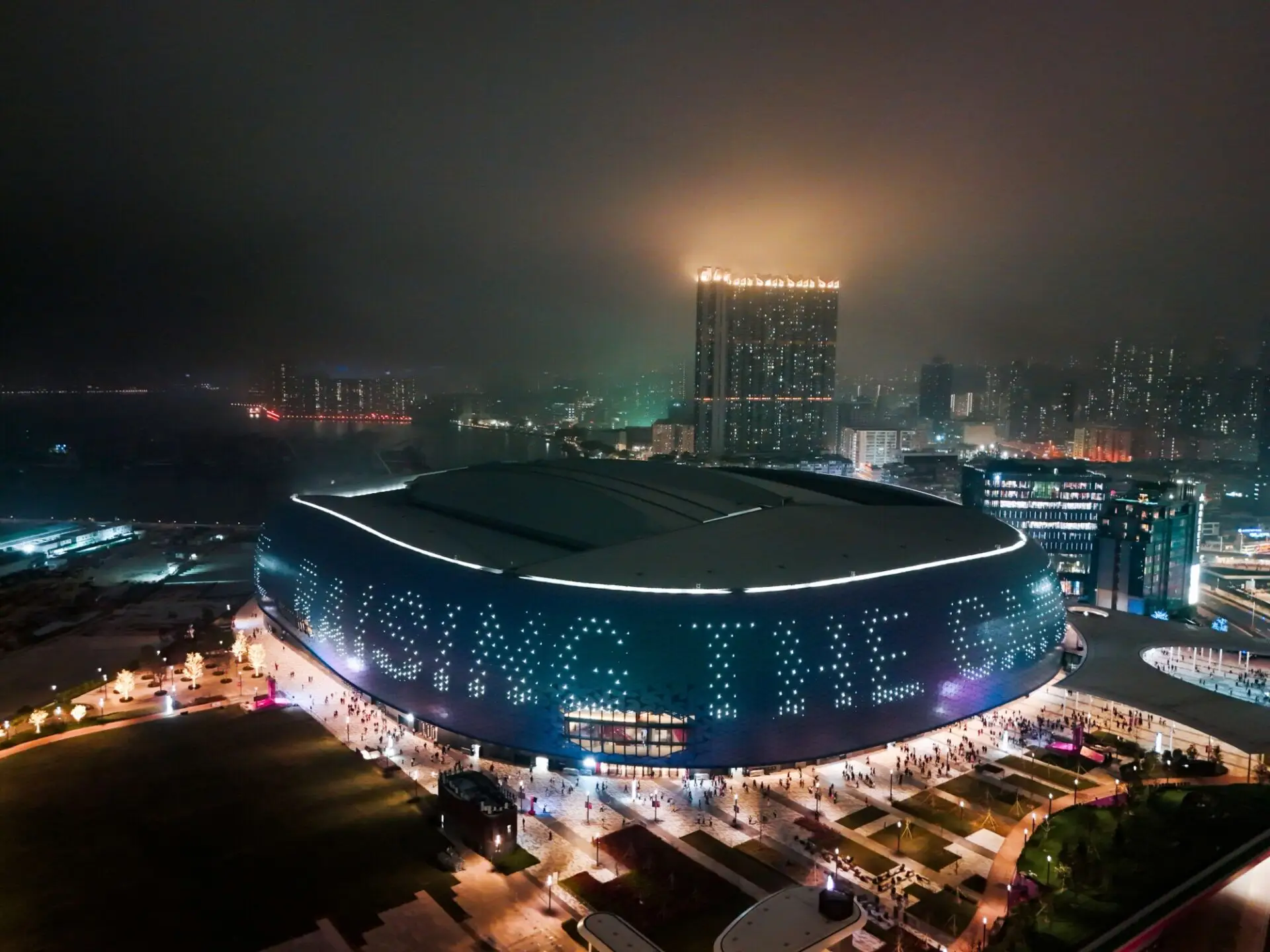
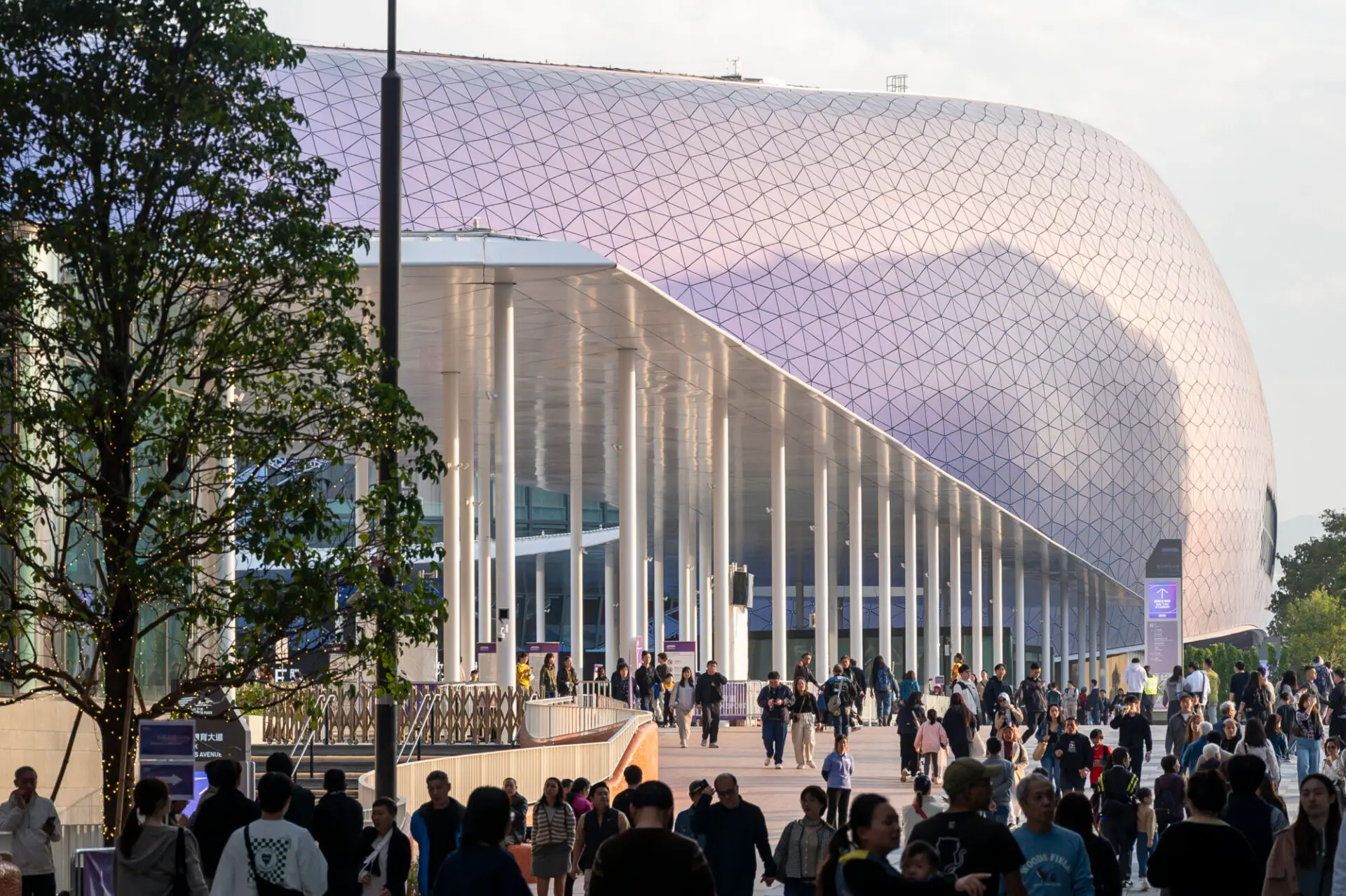
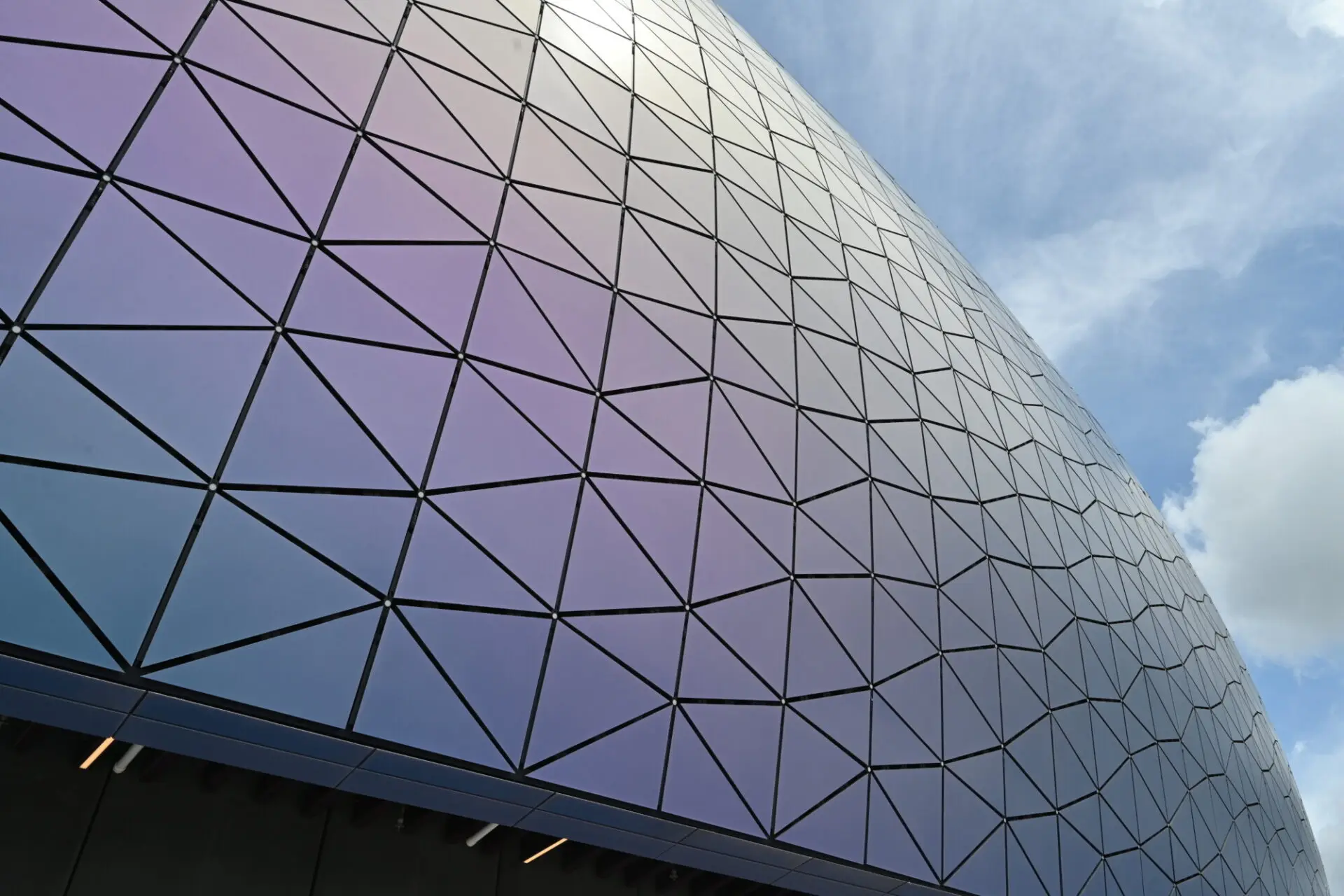
The jury commends the technical ambition of the Kai Tak Stadium, whose pearlescent façade makes a confident statement on the harbour skyline. The rationalisation of a highly complex parametric system into an efficient family of triangular panels is no small feat — it reflects exactly the kind of rigorous, disciplined thinking that distinguishes great architecture from mere spectacle.
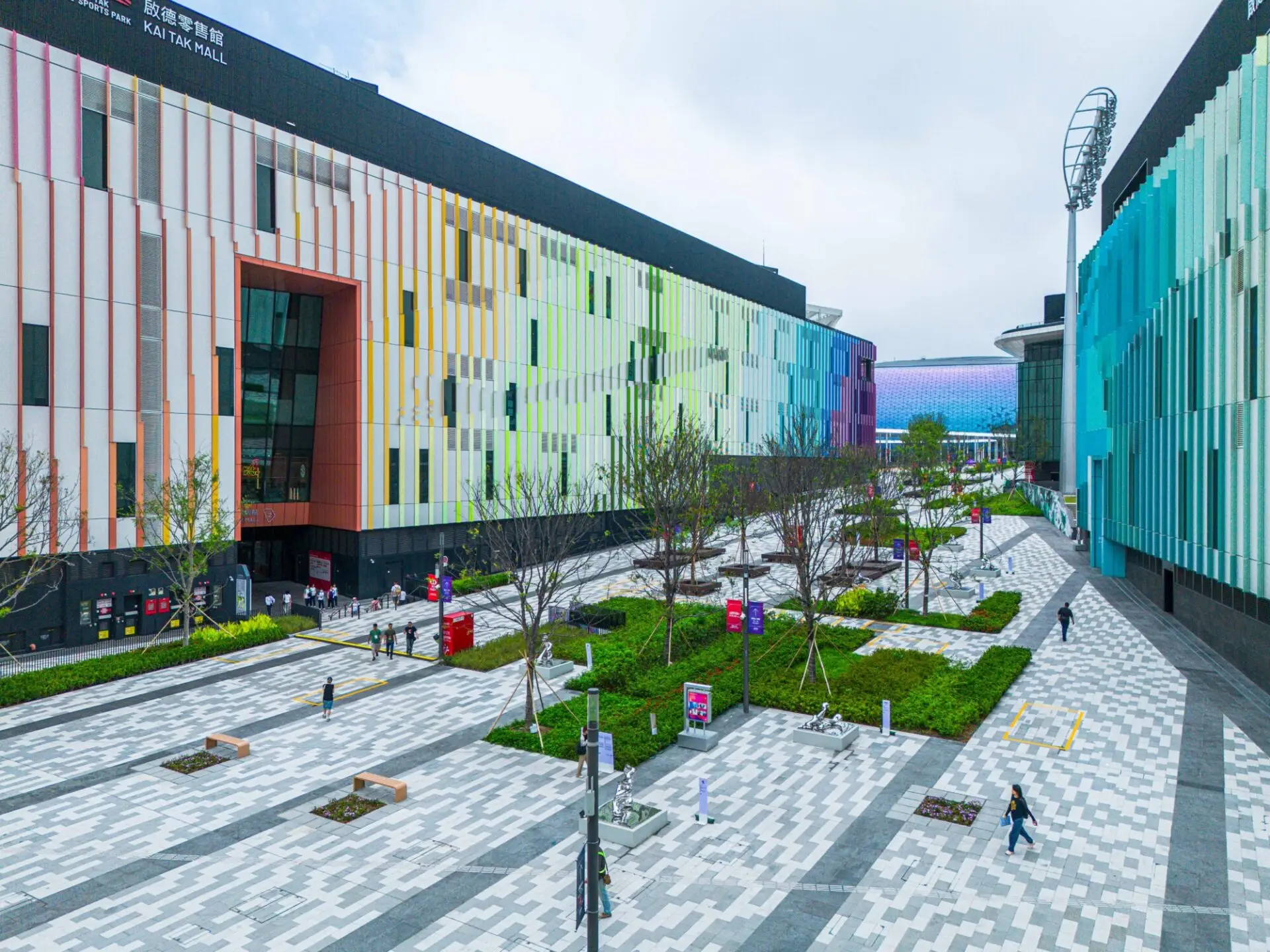
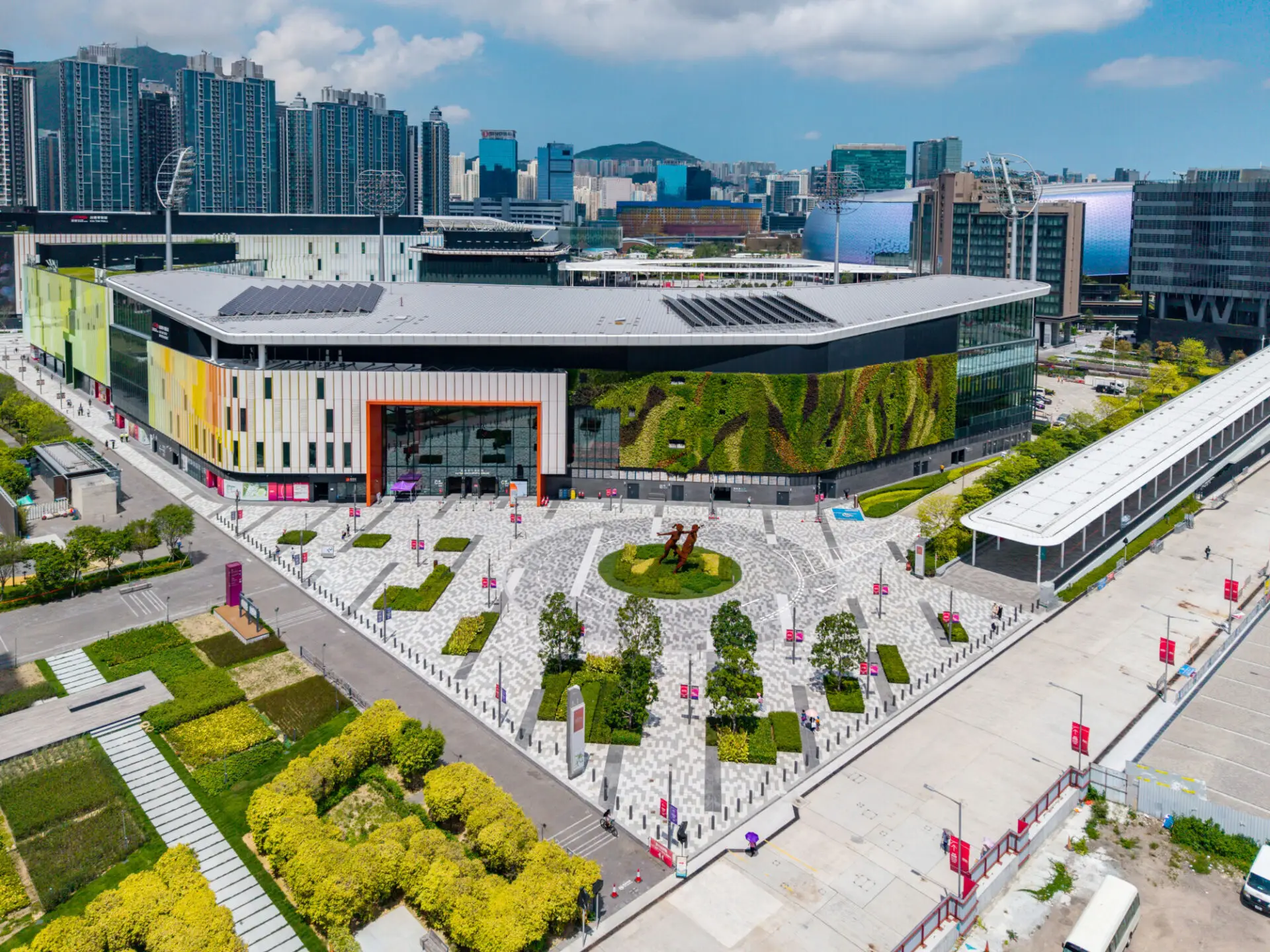
But the project's deepest achievement is its public realm. The precinct is choreographed with exceptional care: Central Plaza, North Garden, and Dining Cove are not residual spaces around a stadium but destinations in their own right — designed to sustain everyday civic life long after the crowds have left.
In its scale, complexity, and civic generosity, Kai Tak Sports Park sets a compelling and important precedent for what major sports infrastructure can and should aspire to be.
International Chapter Award for Sustainable Architecture
Kai Tak Sports Park demonstrates an ambitious and disciplined rethinking of large-scale civic infrastructure as an integrated environmental and urban system. At the scale of a 28-hectare precinct, the project coordinates energy, water, landscape, and mobility strategies into a coherent framework that supports both major events and everyday public life.
The integration of district cooling, renewable energy generation, and extensive daylighting strategies reduces operational demand across a highly complex program. Water harvesting, on-site waste processing, and a substantial increase in urban greening further extend performance beyond the building scale, mitigating heat island effects while supporting long-term ecological resilience.
Equally significant is the project’s urban logic. By prioritising public transport, walkability, and continuous public access, the precinct reduces the environmental burden typically associated with large event infrastructure.
While energy intensity remains inherent to its scale, the project demonstrates a disciplined and systematic approach to sustainability, offering a credible and transferable model for high-performance civic infrastructure at metropolitan scale.
“Kai Tak Sports Park represents a standard never before seen in Hong Kong, serving as the city’s most important piece of sports infrastructure. Its integrated design enhances operational efficiency and community engagement, positioning Hong Kong to attract major international events and establishing the Park as a sportainment landmark. In nine months since opening, the Park has hosted over 90 events and welcomed more than 7 million visitors, ranking among the world’s top venues and affirming its status as ‘Hong Kong’s Home Venue.’ This precinct enables us to support the Government’s Asia Event Capital vision and welcome global events.
Client perspective