Turrbal and Jagera/Yuggera
Queensland
Brisbane
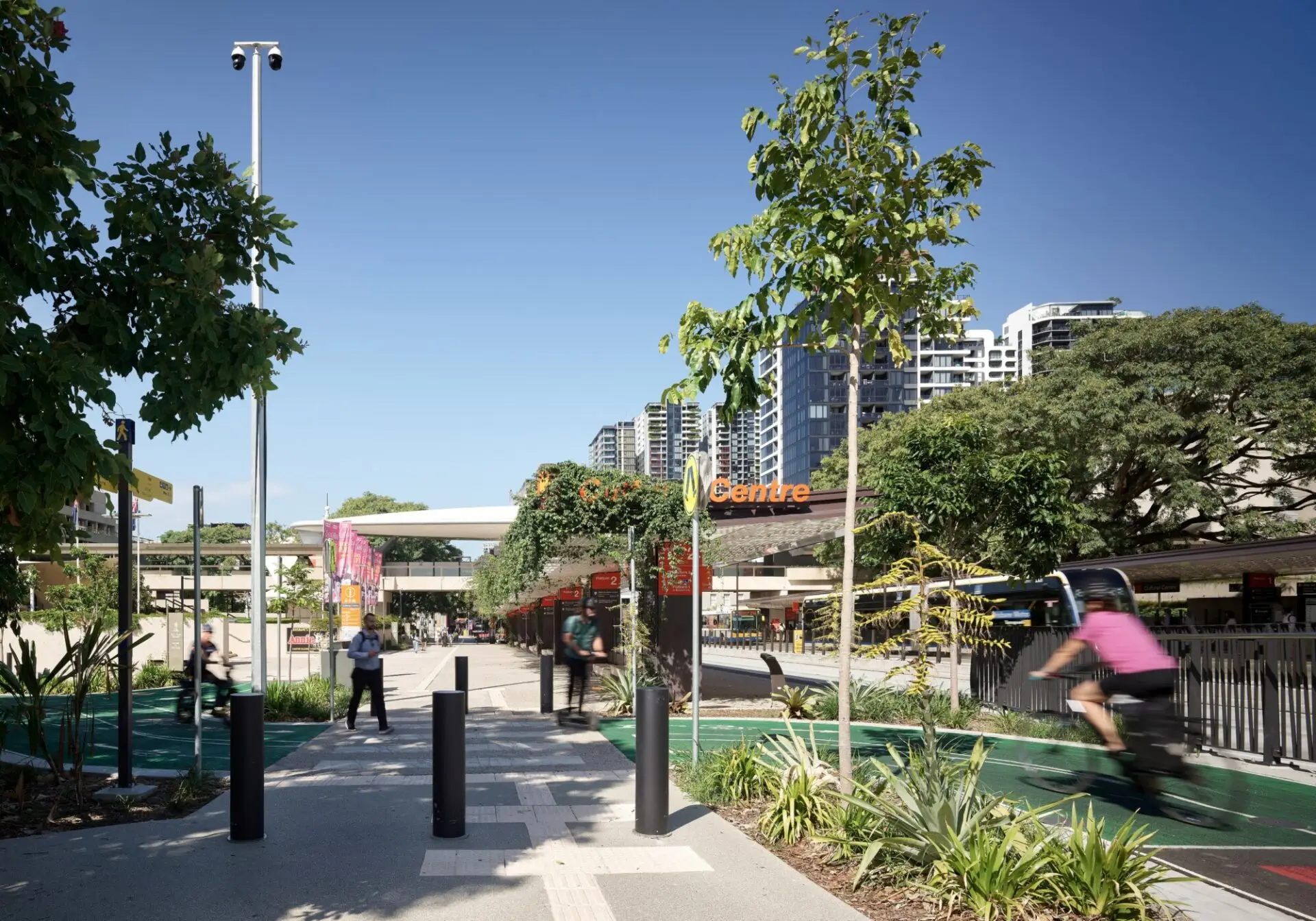
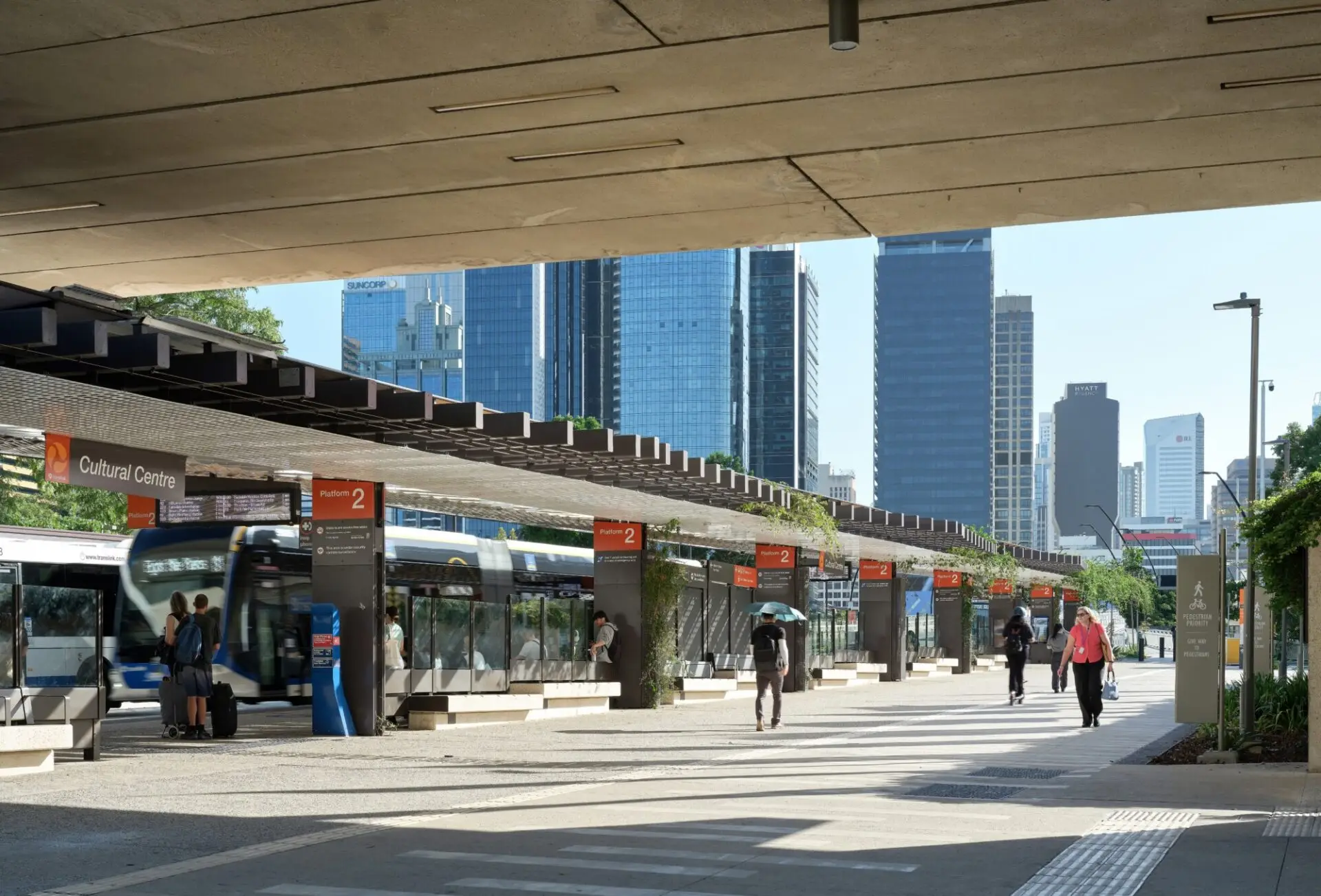
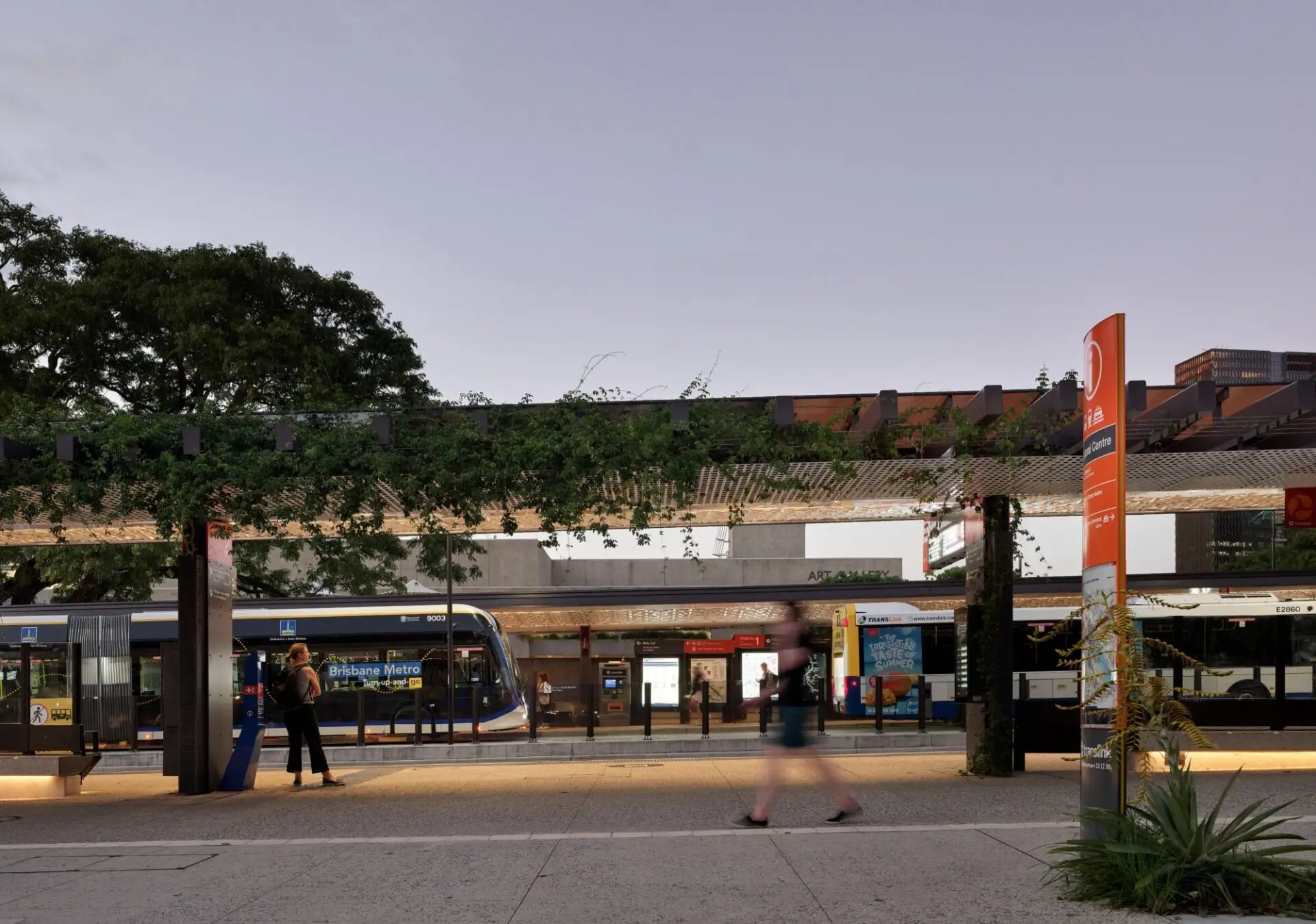
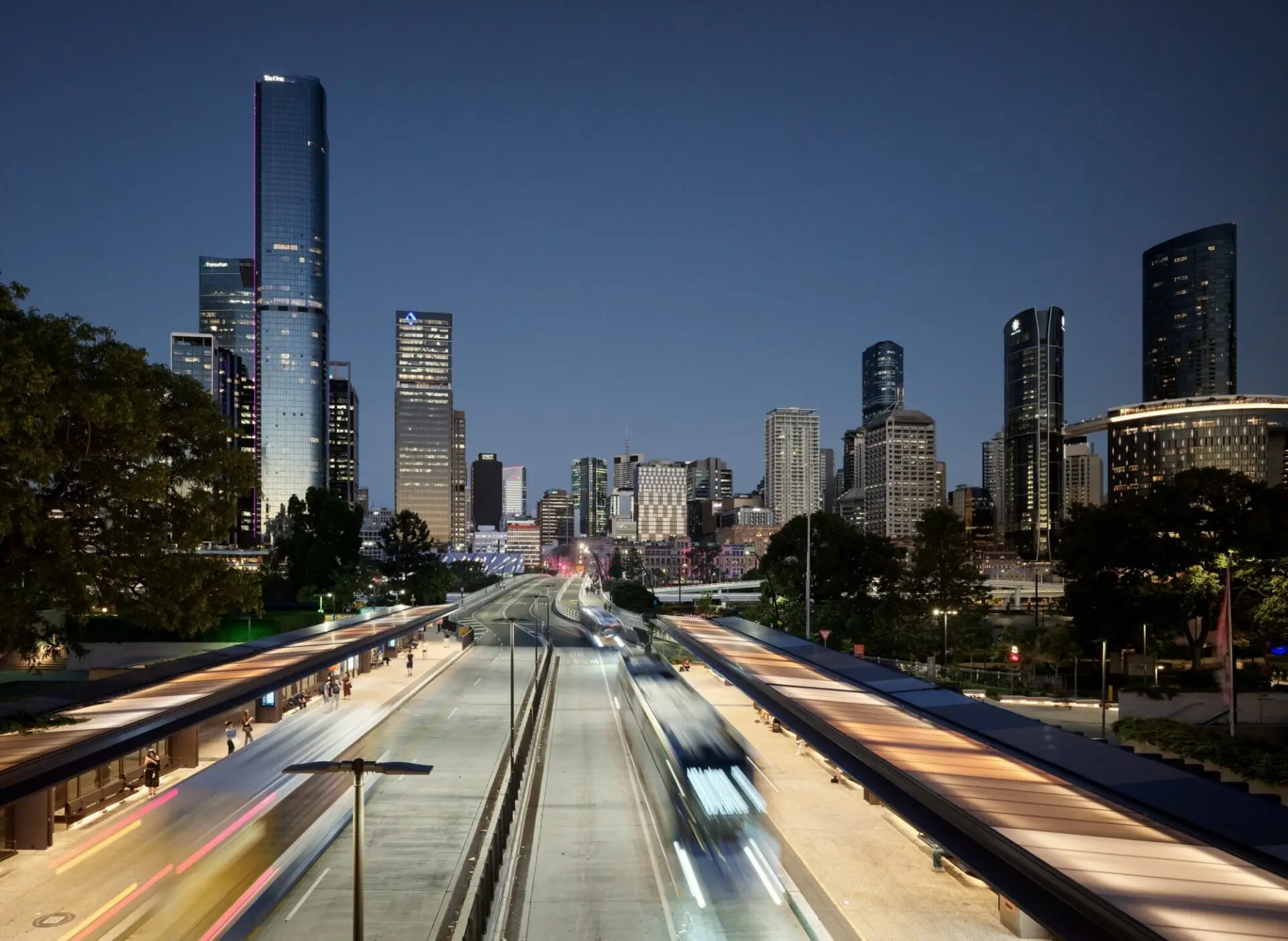
Brisbane Metro is public architecture at city scale. It transforms 2.5kilometres of inner-city streets and precinct interfaces into a connected, climate responsive public realm, while introducing a high capacity, zero-tailpipe emission metro fleet and infrastructure enhancements that lifts corridor performance. Brisbane Metro reframes rapid transit as a sequence of civic rooms where arrivals are clear, movement is intuitive, and waiting is dignified.
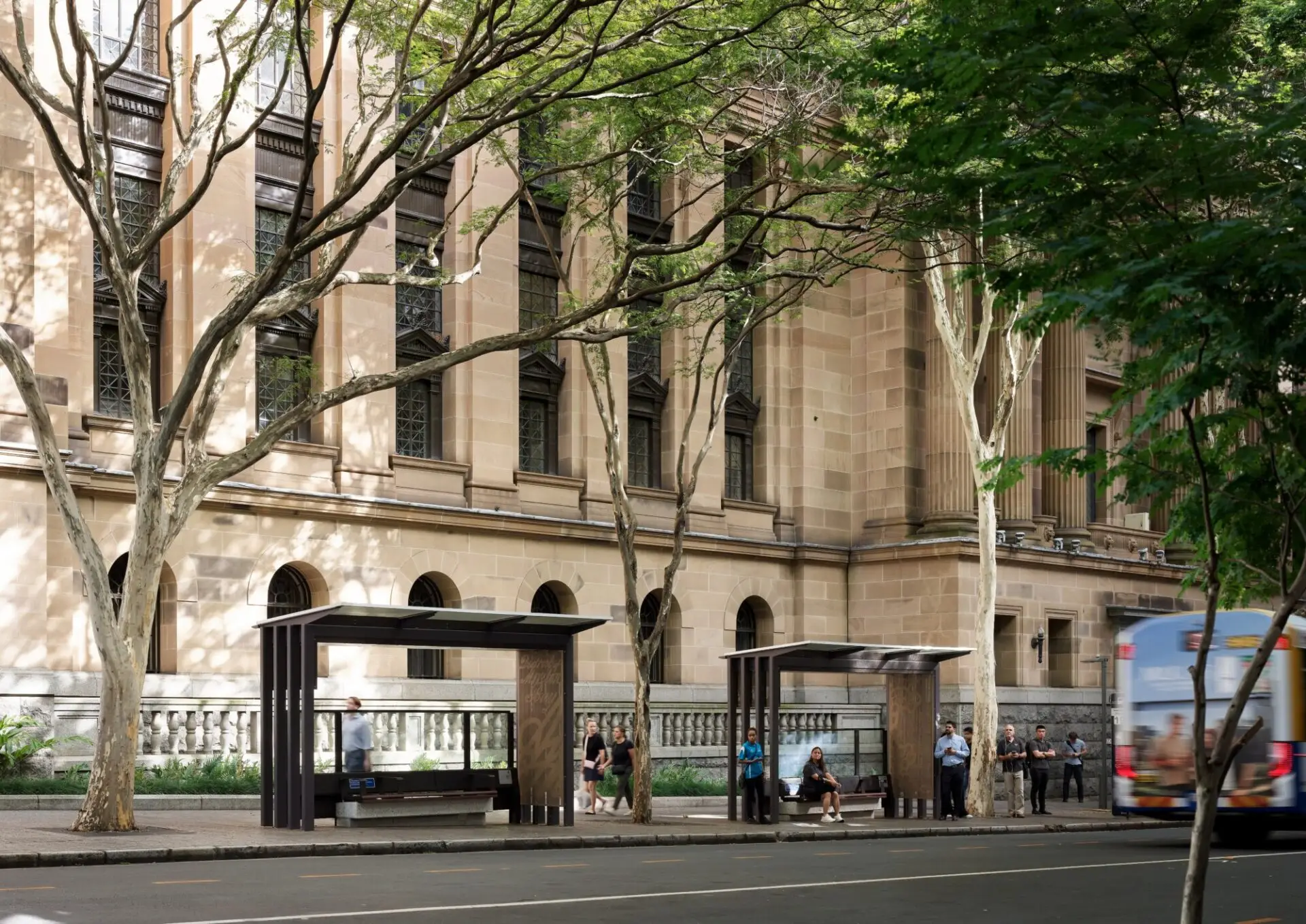
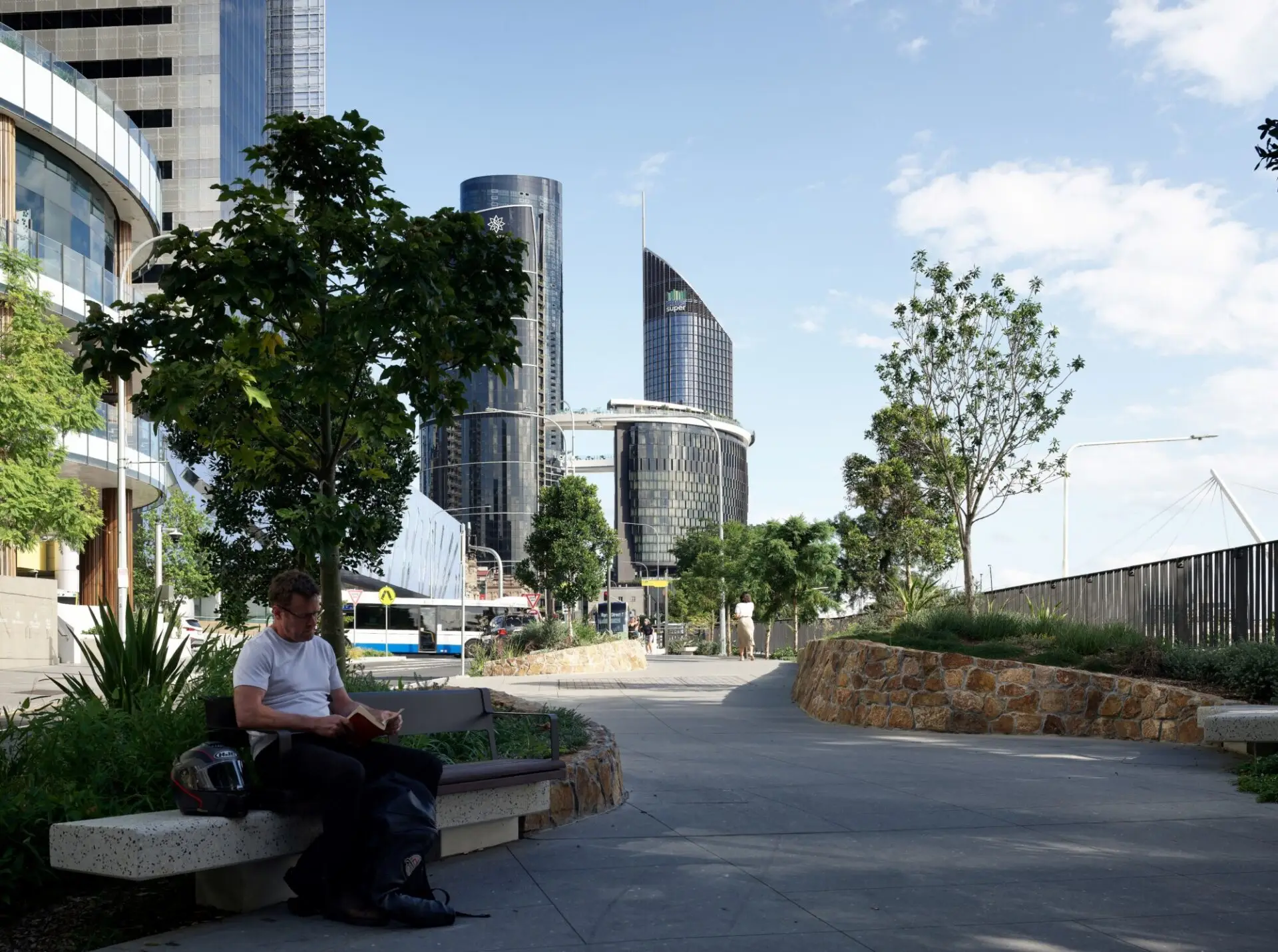
Generous footpaths, integrated canopies, cycling and public art create a legible, accessible subtropical city experience along the corridor. Brisbane Metro reinforces a distinct civic identity that supports public transport use and delivers lasting social, environmental and economic value. Through collaboration between design, construction and Client, and the project principles of re-use, repurposing and upgrading, the project has been Certified with an Infrastructure Sustainability Council (ISC) Leading Design Rating. The result is a coherent, high amenity public realm and leaves a durable legacy as Brisbane moves toward 2032.
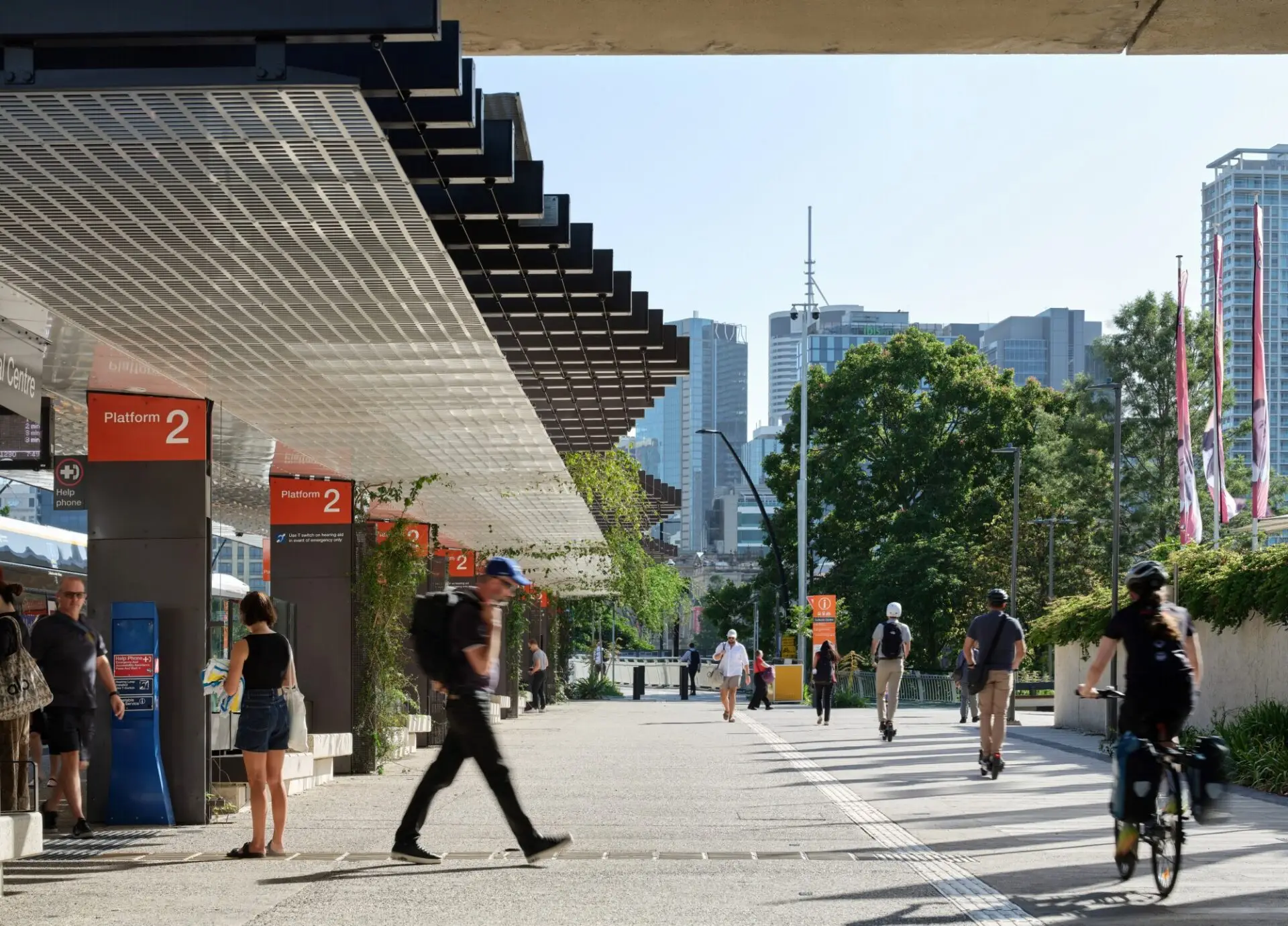
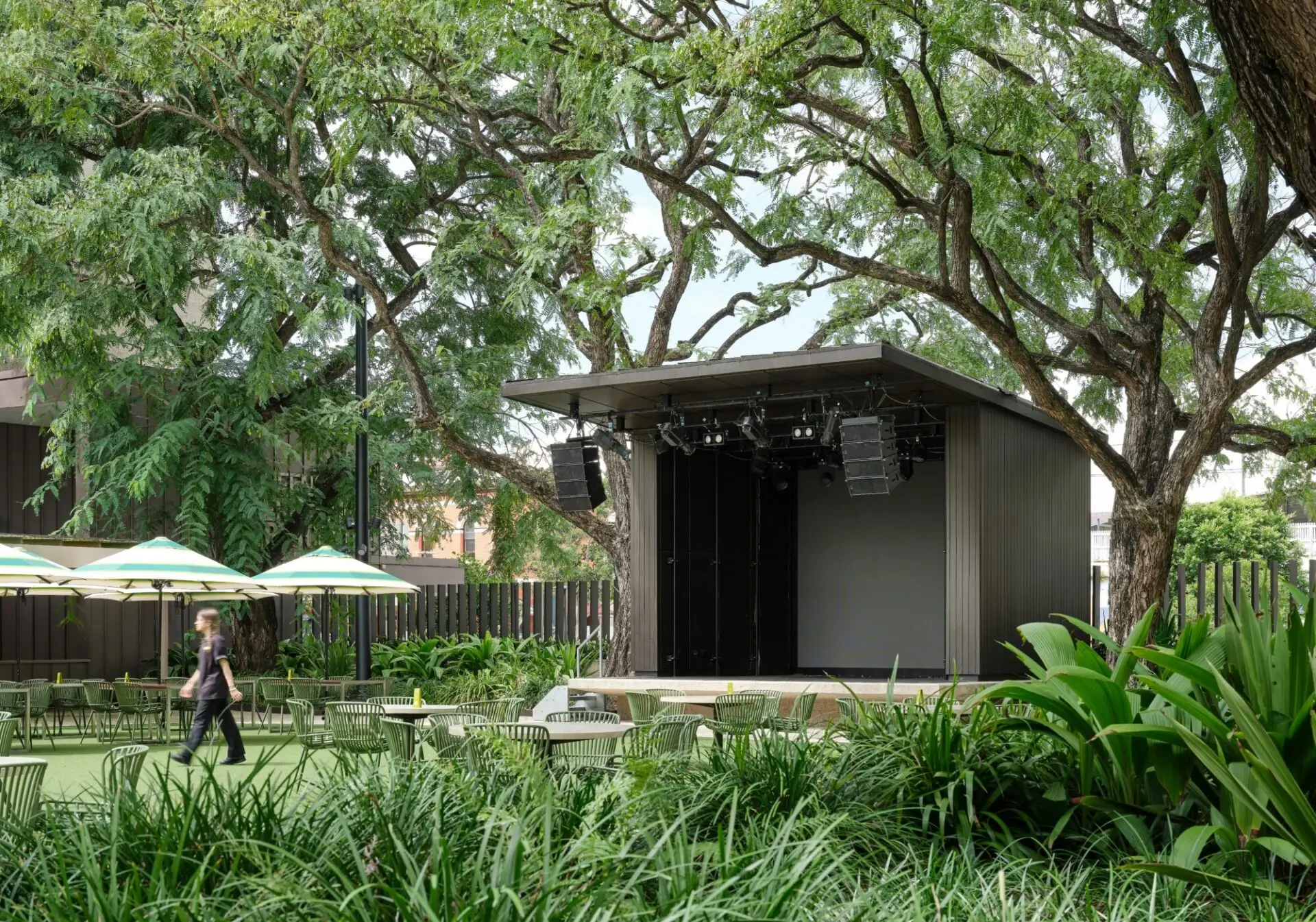
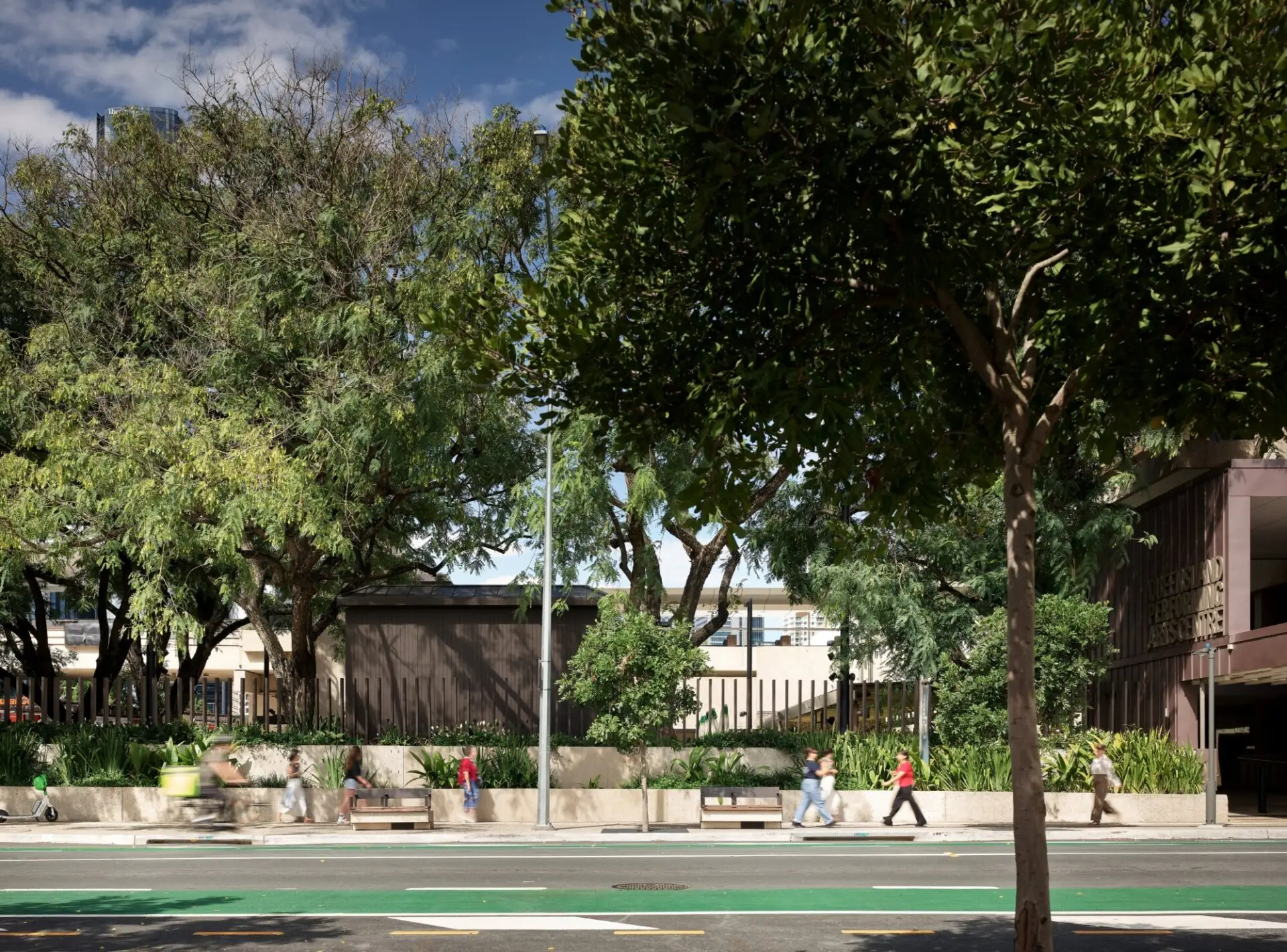
The Brisbane Metro project provides improved connectivity between the CBD and South Brisbane, enhancing circulation and transit for pedestrians, cyclists, and public transport users, including the Metro and bus fleets. Its urban design responds to Robin Gibson’s cultural precinct, creating a harmonious integration of scale and rhythm between QPAC and the Queensland Museum, with cultural and civic transparency that makes the public realm safer and greener. Its extended network from Merivale Street over Victoria Bridge, through to Adelaide Street, integrates landscape and artwork as defined markers of a subtropical city, respectful of heritage and place.
The Karl Langer Award for Urban Design
The Brisbane Metro project provides a long needed urban intervention aimed to resolve many of the difficulties that have increasingly strangled Brisbane’s heart over recent years. Essentially, these came to repetitive series of attempts to improve pedestrian and traffic movement via the corridor across from Queen Street and the Victoria Bridge onto the cultural Centre and further to the South Bank which had each failed. The consortium of Arup Design Partner) and Acciona (Construction Partner) was appointed to resolve the increasingly difficult morass and to return the several knotted crunch points to a free flowing and harmonious urban entity with the aid of what can be thought of as a kit of parts.
Care has been taken to respect and align the new Brisbane Metro with the initial framework provided by Robin Gibson by removing the clutter of recent years and adopting a refined and elegant patterning of the key elements of the revised grid that provides shade, integrated artwork and effective diffused lighting. A governing element is the creation of a green boulevard that links the various urban elements and enhances the sense of place.
The overall achievement has been to establish a much needed enhancement and to provide a commendable sense of place by creating and utilising a public architecture of a commendable city scale which promises to evolve into a positive urban legacy.
Commendation for Urban Design
The Brisbane Metro project provides improved connectivity between the CBD and South Brisbane, enhancing circulation and transit for pedestrians, cyclists, and public transport users, including the Metro and bus fleets. Its urban design responds to Robin Gibson’s cultural precinct, creating a harmonious integration of scale and rhythm between QPAC and the Queensland Museum, with cultural and civic transparency that makes the public realm safer and greener. Its extended network from Merivale Street over Victoria Bridge, through to Adelaide Street, integrates landscape and artwork as defined markers of a subtropical city, respectful of heritage and place.
The Karl Langer Award for Urban Design
The Brisbane Metro project provides a long needed urban intervention aimed to resolve many of the difficulties that have increasingly strangled Brisbane’s heart over recent years. Essentially, these came to repetitive series of attempts to improve pedestrian and traffic movement via the corridor across from Queen Street and the Victoria Bridge onto the cultural Centre and further to the South Bank which had each failed. The consortium of Arup Design Partner) and Acciona (Construction Partner) was appointed to resolve the increasingly difficult morass and to return the several knotted crunch points to a free flowing and harmonious urban entity with the aid of what can be thought of as a kit of parts.
Care has been taken to respect and align the new Brisbane Metro with the initial framework provided by Robin Gibson by removing the clutter of recent years and adopting a refined and elegant patterning of the key elements of the revised grid that provides shade, integrated artwork and effective diffused lighting. A governing element is the creation of a green boulevard that links the various urban elements and enhances the sense of place.
The overall achievement has been to establish a much needed enhancement and to provide a commendable sense of place by creating and utilising a public architecture of a commendable city scale which promises to evolve into a positive urban legacy.
The Brisbane Metro project was the catalyst for reshaping more than 2.5 kilometres of the inner‑city’s public realm. Its interventions deliver more generous public places, improved connections to major cultural institutions and civic buildings, and a deeply contextual placemaking approach that respects heritage while responding to the immediate locality’s intensity of use. The decluttering of Adelaide Street and reopening of key view corridors at the Queensland Cultural Centre exemplify this ambition. Through the integration of art, landscape, and architecture, the project elevates essential transport infrastructure, expands canopy cover, and celebrates Brisbane’s climate, identity, and evolving urban character.Â
Client perspective
Maja Belic, Project Architect
Greg Crouch, Design Architect
Shy Tay, Design Architect
Peter Webb, Design Architect
Caryl Heraldo, Graduate of Architecture
Angela Chua, Graduate of Architecture
Stephanie Codd, Graduate of Architecture
Benjamin Connor, Graduate of Architecture
Caroline Stalker, Design Director
Nard Bujis, Project Architect
Melinda Morrison, Design Architect
Nev Ryan, Architecture Technician
Brisbane City Council, Project Principal
Acciona, Construction Partner
Arup, Design Partner
Arup, Principal Architect
Arup, Urban Design
Arup, Landscape Architecture
Conrad Gargett, Heritage Consultant
Cottee Parker, Subconsultant Architect
Arup, Specialist Lighting
Arup, Engineer
Arup / Acciona / Brisbane City Council, Sustainability
Dot Dash, Signage and Wayfinding
McKenize Group, Accessibility and Building Certifier
Jennifer Marchant & Sam Cranstoun, Artist
UAP, Public Art
Fred St, Subconsultant Landscape Architecture