
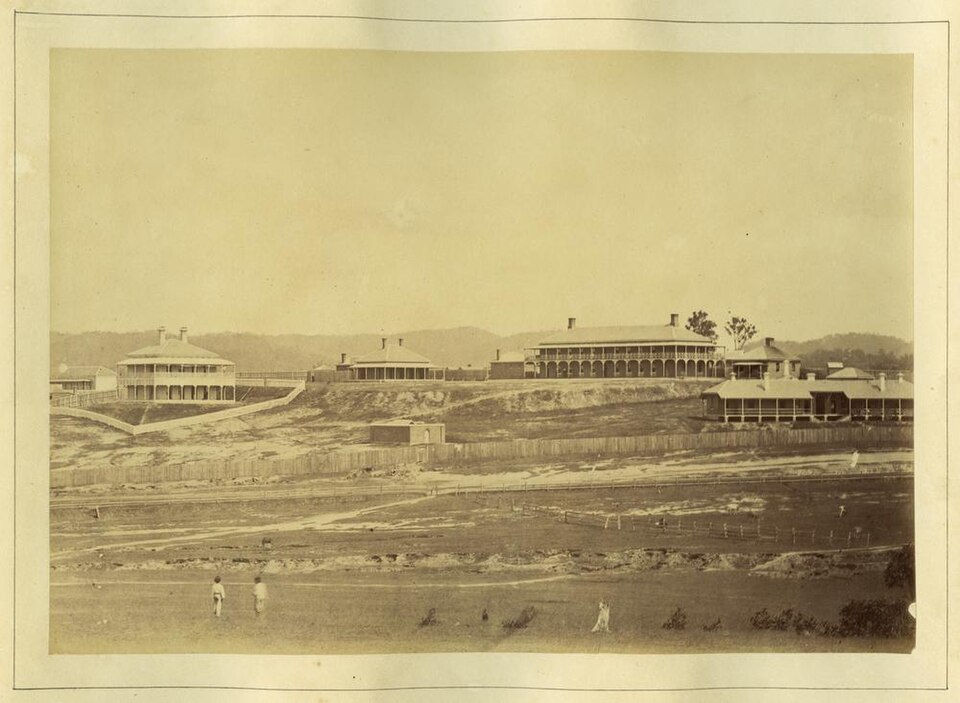
The Australian Institute of Architects welcomes the Federal Government’s announcement that it will progress the sale of surplus Defence land, including the historic Victoria Barracks sites in Brisbane, Sydney and Melbourne.
These places hold deep cultural and architectural value. They are also rare inner-city precincts with the scale to deliver enduring public benefit if the next chapter is shaped with care.
“Victoria Barracks are more than real estate assets, they are important parts of our civic story,” said Adam Haddow, National President, Australian Institute of Architects. “Any future redevelopment must protect heritage significance, respect Country, and deliver high-quality outcomes that Australians can be proud of.”
The Institute emphasises that divestment at this scale requires strong design governance from the outset, including early heritage assessment, meaningful community engagement, and independent design review.
“This is exactly why Australia needs a National Government Architect,” Mr Haddow said. “A Federal Government Architect would provide consistent, expert design leadership across Commonwealth projects and land transitions, ensuring heritage is safeguarded, public benefit is maximised, and design quality is upheld in the national interest. When the Commonwealth reshapes city-defining precincts, it must do so with the same rigour we expect of any major public project.”
In Queensland, Victoria Barracks Brisbane has long been part of the city’s fabric, hosting office-based Defence functions and the Army Museum of Southeast Queensland. The Institute urges a redevelopment pathway that expands public access and creates a vibrant precinct the community can truly celebrate.
“Selling a site like Victoria Barracks creates a once-in-a-generation opportunity to give something back to the public realm,” said Caroline Stalker, Queensland Chapter President. “We want to see transparent processes, strong cultural and heritage safeguards, and design-led planning that prioritises streets, parks, culture and community uses alongside any housing or commercial components.”
The Institute calls on governments to require best-practice design governance, including early heritage assessment, meaningful community engagement, and independent design review so these extraordinary precincts become places people celebrate for generations to come.