
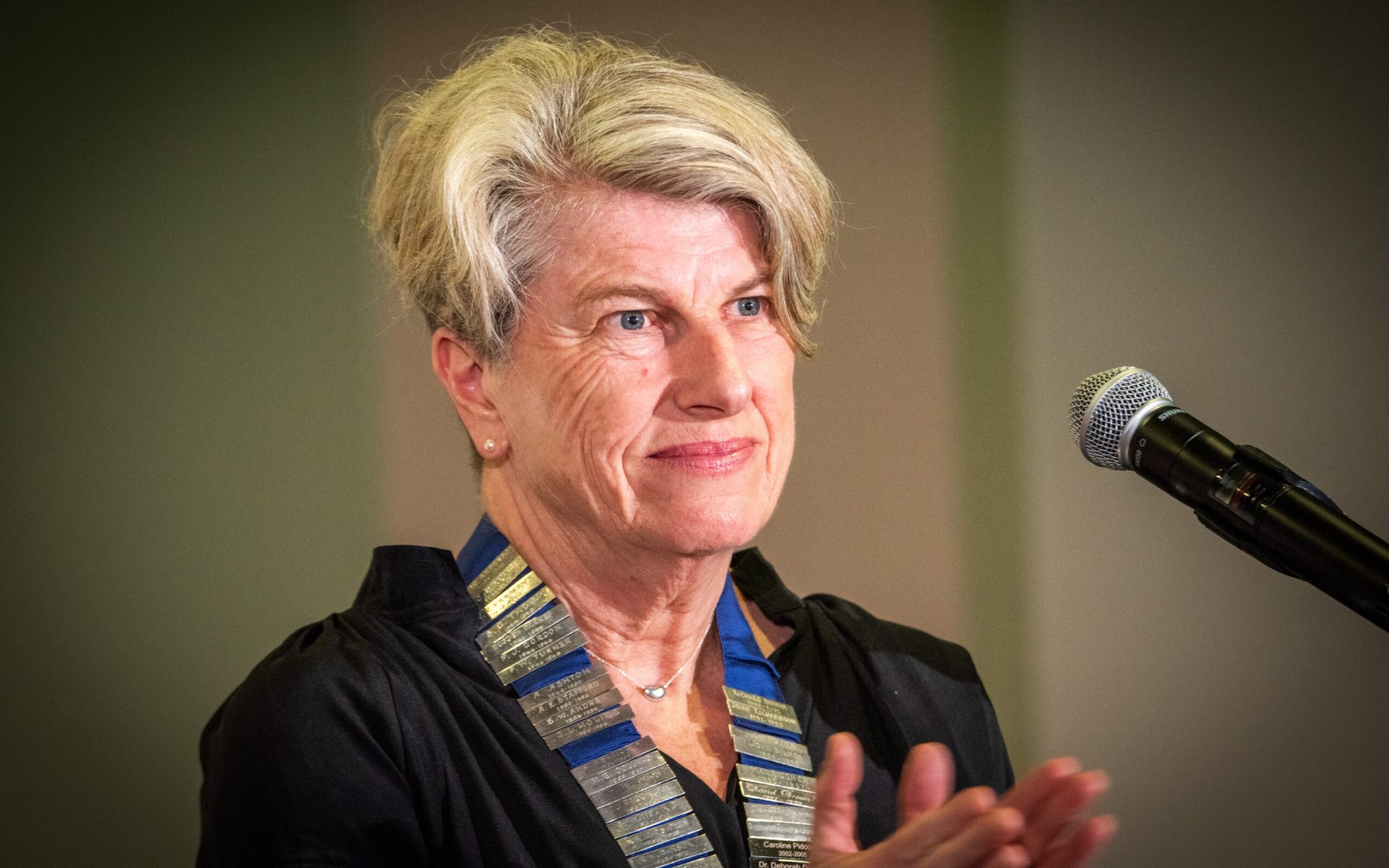
– Elizabeth Carpenter, NSW CHAPTER PRESIDENT
This year is screaming to a close, and predictably, there is still a lot going on with just 2 weeks to go before we all take a well-deserved break.
Throughout this busy period, the NSW Chapter continues to work on policy and advocacy initiatives on behalf of members.
The Government’s focus is on the Housing Crisis, which has put all other reforms, including the omnibus Building Bill (and the repeal of the Architects Act), on indefinite hold.
The Institute attended the Planning and Professional Peaks Forum organised by the NSW Department of Planning, Housing and Infrastructure last week. The Department covered a full agenda with updates, including Planning System Reform, the Mid-rise Pattern Book and the 2025 Greater Sydney Outdoor Survey.
Planning System Reform – Environmental Planning & Assessment Act changes
As previously notified, the recent amendments to the Environmental Planning & Assessment Act were assented to on 11 November and will come into force soon. The first stage commencement of the Act is expected by mid-December 2025 and carries significant implications for our profession. Key elements flagged include:
- Promoting housing supply and delivery (recognising housing delivery in the Act’s objectives through the enshrinement of the Housing Delivery Authority in legislation).
- Promoting proportionality in planning decisions.
- The staged operations implementation of the Development Coordination Authority (DCA): support for a coordinated assessment pathway, with collaborative problem solving to resolve issues
- Introduction of the Targeted Assessment Pathway – a potential concern
As always, the key will be in the detail which has yet to be communicated – further consultations are slated for 2026. Engagement will continue through collaboration with RAIA:
- Ongoing dialogue to ensure the Planning System Reform is clear, effective and deliverable.
- Regular roundtables and briefings to provide transparency around timings and sector insights.
Mid-rise Pattern Book
The mid-rise pattern book was officially released on 24 November 2025. The Department of Planning, Housing and Infrastructure will host a webinar for practitioners on 12 December.
Have your say: 2025 Greater Sydney Outdoor Survey
The Greater Sydney Outdoor Survey aims to discover what Sydneysiders love to do in outdoor spaces. The results of the survey will help the Department of Planning, Housing and Infrastructure understand the attitudes of the public and the usage of public open spaces for recreation. The Department is seeking broad community input. The last survey (2019) informed projects such as The Place We Swim program and helped enable initiatives like the opening of Penrith Beach. This year’s survey closes 15 December—please share widely and complete it here.
Fire safety standard submission – passive fire design responsibilities
Following a very successful Round Table, initiated by the Institute, we have lodged a submission with BCNSW/DPBA on the proposed passive fire design requirements.
Our submission proposes a practical, stepped approach to responsibility that maintains the intended outcomes while better aligning scope with competency:
- Process 1: Primary responsibility sits with a Specialist Passive Fire Consultant (specifications, schedules with collar types/FRLs/test references, details and reference drawings). The architect coordinates, sets out penetrations and FRLs, and the consultant team tags penetrations within their scope.
- Process 2: Shared responsibility. The architect sets out penetrations and covers any penetrations not picked up by the consultant team; consultants document penetrations within their scope. A specialist consultant may be engaged to assist/review.
- Process 3: Architect takes full responsibility only where they have appropriate expertise (with a clear caution against assuming this liability without specialist competence).
To support members, we’ll deliver a training session early in 2026 with specialist presenters and case studies.
A big thank you to members who participated in the forum and specifically to NSW Chapter Councillor, James Fitzpatrick who drafted the response to Government.
On a lighter note, I had the pleasure of driving up to Newcastle for a Regional NSW End of Year Event late November, where 2024 Gold medallist, Phillip Thalis, presented yet another insightful and inspiring discussion on our cities and what we can do as a profession to address the huge inequalities across our built environment. In answer to a question from the audience on what keeps Phillip so engaged with advocating for our profession – his response was optimism. It was great to engage with so many members and to also review all of the 95 regional ward entries which were on display – a record number. Last week was Jury Visit Week – an intense period for 9 jurors across the new 3 regions – South, Central and North.
And on Thursday 04 December, we held the NSW Chapter End of Year Event at Tusculum, where we also announced the recipients of the annual and bi-annual Prizes – congratulations to all, who both won and also participated. The Christopher Procter Prize was awarded to Anastasia Uricher and continuing a theme of KNOWLEDGE, especially knowledge which is accessible to all – the NSW President’s Prize was awarded to Senior Journalist at the Sydney Morning Herald, Julie Power. A very special occasion to celebrate the achievements of our members. It was excellent to see so many out and about at Tusculum.
Lastly do not forget to vote for NSW Chapter Council (5 places) and National Council (2 places) – read each of the excellent candidates’ platforms, consider diversity, experience and where relevant, the importance of continuity, especially in times of change. Last election under 10% of members voted – let’s see if we can achieve over 50% engagement in NSW. The link to the voting page is available here.