
Wodi Wodi people, Dharawal Country
New South Wales
Regional
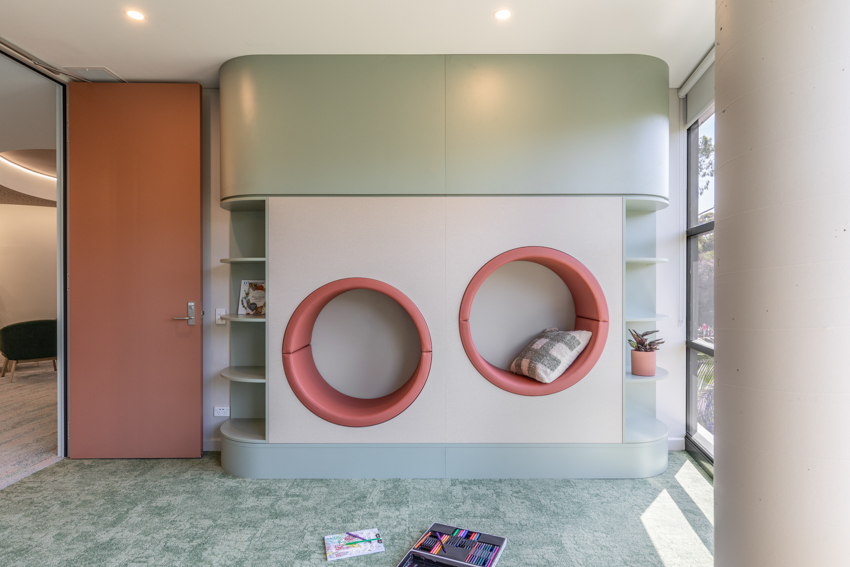
The Centre offers comprehensive services for victim/survivors of family, domestic, and sexual violence, with practical, evidence-based support. A collaborative effort involving the Leadership Team, Women with Lived-Experience Advisory Group, and Aboriginal Women’s Reference Group, the Centre was designed with a trauma-informed approach. Co-design workshops focused on themes of welcome, support, privacy, and security, integrating natural light and scenic views.
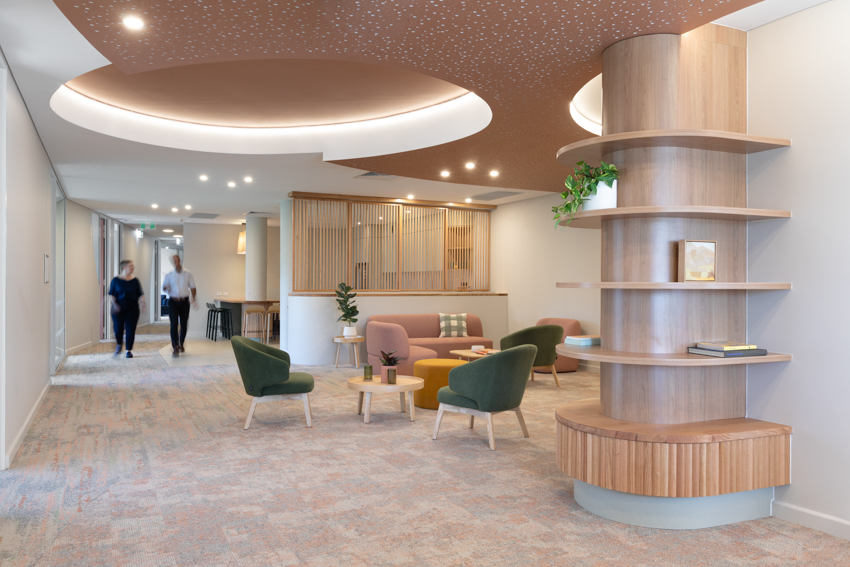
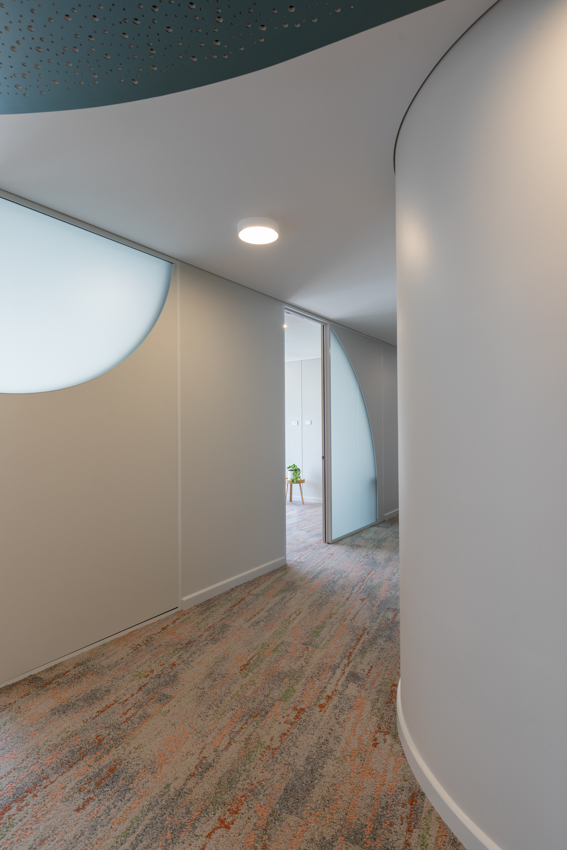
A ”Connecting to Country” framework informed cultural safety for Aboriginal women, with the design featuring symbolic elements like a coolamon in the ceiling. The Centre, imagined as a turtle shell – protective externally and warm and inviting internally – prioritizes a calming, secure environment for recovery. Flexible spaces accommodate various practitioners, with careful attention to acoustic and visual privacy. The project’s all-female team directed its holistic design.
Fast-tracked due to urgent need and supported by ongoing evaluation, the Centre serves as a prototype for future expansion to combat Australia’s family violence crisis.

Regional Division Medal
The Women’s Trauma Recovery Centre is an outstanding example of the co-design process. Here a series of collaborative workshops has led to the design of a practical, evidence-based fit-out, which is also welcoming, relaxed, and professional.
The design of the centre welcomes women into an inclusive space which provides services for those recovering from the trauma of family, domestic, and sexual violence. The trauma-informed co-design process welcomed the views of centre staff, the Women with Lived-Experience Advisory Group, and the Aboriginal Women’s Reference Group.
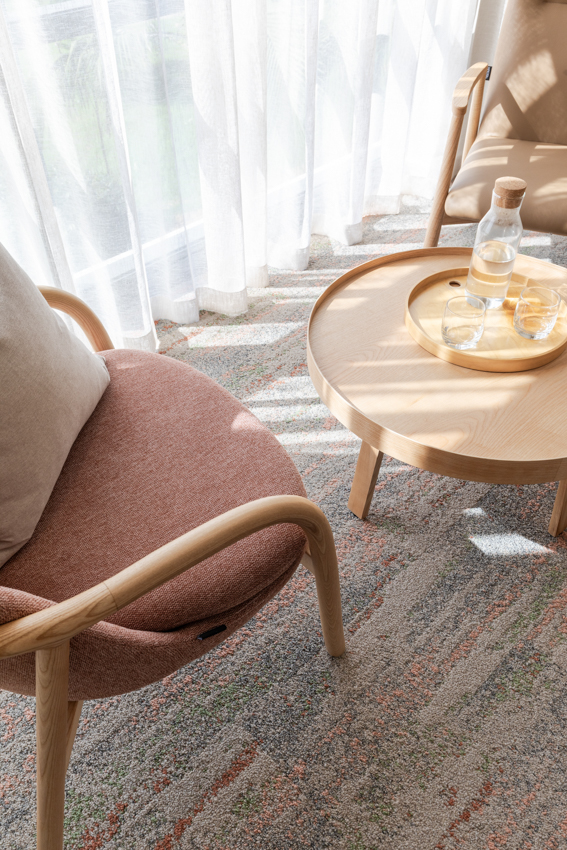
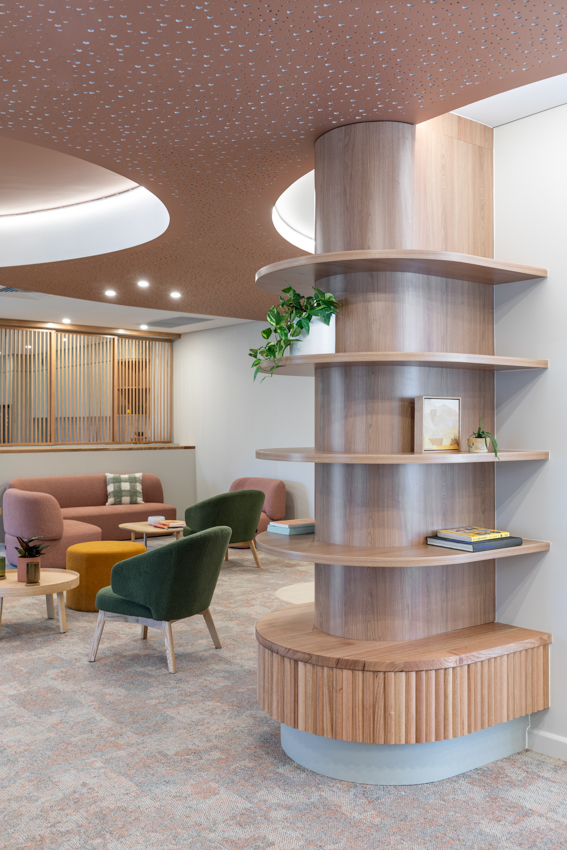
As a result, a Connecting to Country framework was developed that imagined the centre as a turtle shell – protective on the outside and soft and welcoming on the inside. The materiality of the centre is hugely successful – warm, welcoming, bright when it needs to be, and calm in other spaces.
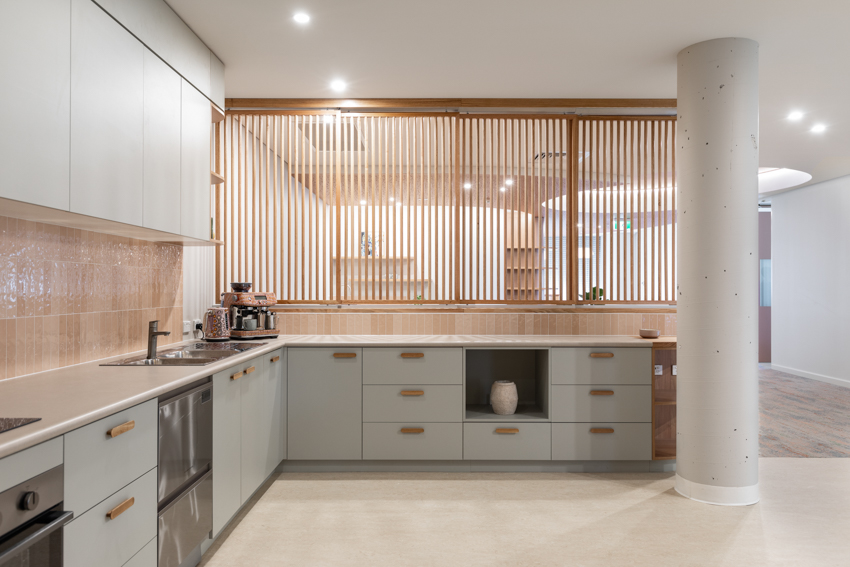
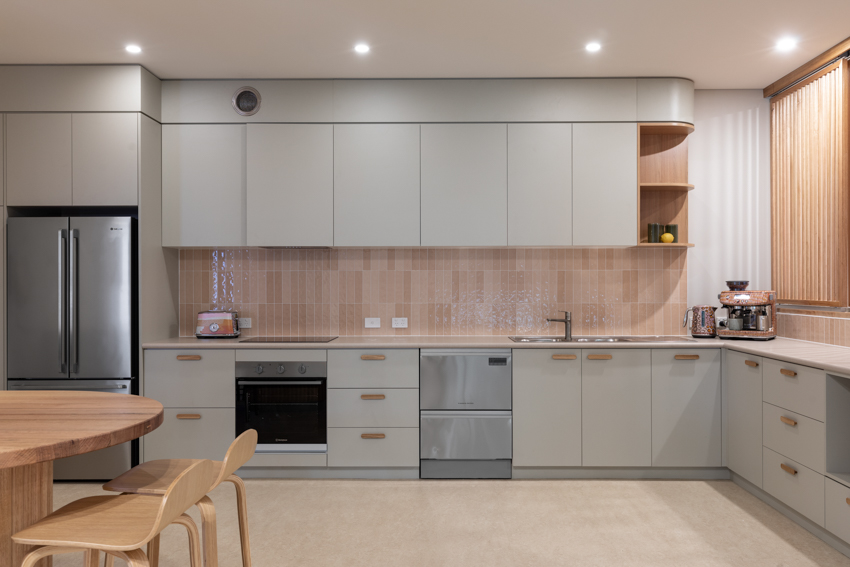
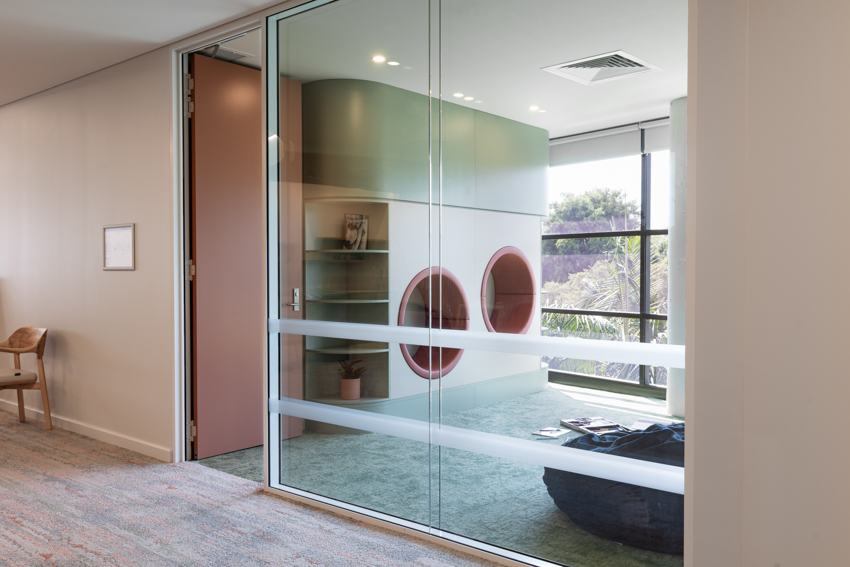
Privacy is carefully controlled in layers, from the moment of entry, to the design of the waiting area, through to the way the meeting spaces are configured. Despite this important privacy requirement, the centre manages to embrace natural light, views, and a series of open spaces that flow into a cohesive whole. The Women’s Trauma Recovery Centre is a wonderful example of meaningful architecture that delivers above and beyond in every way. The design seamlessly integrates interiors and architecture, featuring an impactful yet edited material application of Australian hardwoods, limestone and copper detailing. The meticulous level of craft is evident in the bespoke door hardware, lighting and fine interior detailing, which particularly impressed the jury. Built to endure for many years, the home’s interiors exemplify lasting quality and resilience.
Vision Award
From the age of 15, one in four Australian women will encounter intimate partner violence, one in five will experience sexual violence.
Recognising the importance of holistic support, the Women’s Trauma and Recovery Centre has been co-designed with women who have lived experience expertise, alongside professionals and service providers, to create a new model of services that cater to the intersecting health, economic, and social needs of victim survivors.
Through in-depth interviews, surveys, and in-person workshops, the values of trauma-informed care have been embedded in the design process. A deliberately soft entry point has been created with a curved reception desk to one side providing an inclusive, non-confrontational path leading onto a masterful collection of spaces designed to cater to a variety of functions and people groups.
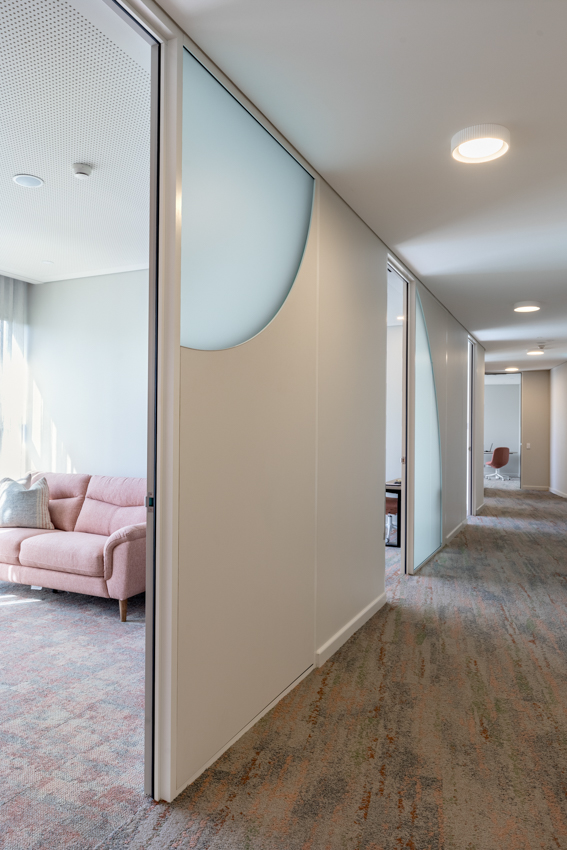
Gently curved hallways, sensitively managed site lines, and carefully placed internal windows allow for privacy without disconnection. Importantly, women can engage in private conversations while maintaining visual connection with their children in adjacent spaces. Layers of texture, colour, and materiality cultivate a sense of calm, while also being visually dynamic and uplifting.
The outcome is an architecture that embodies safety, healing, and community for the vulnerable women cared for within.
Award for Interior Architecture
Occupying a corner space in a bland development, the Women’s Trauma Recovery Centre is a triumphant example of turning a pig’s ear into a silk purse.
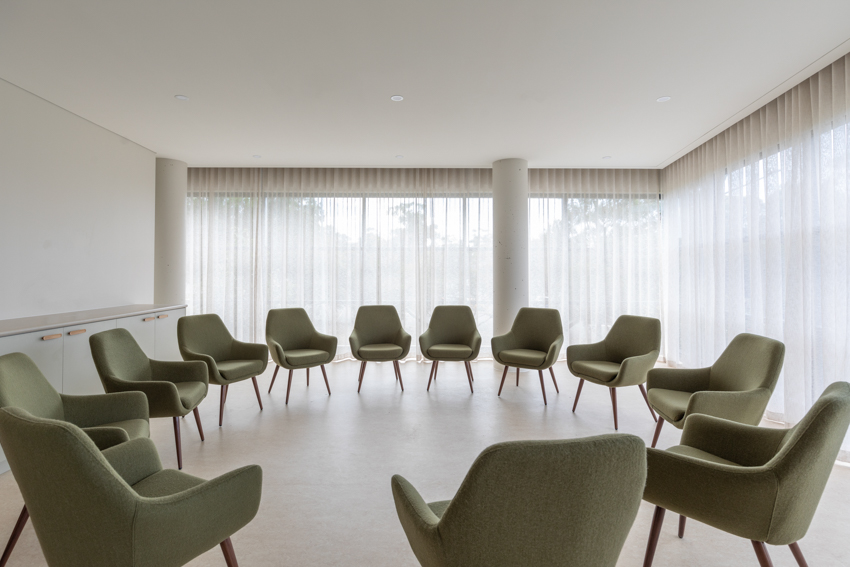
Upon entering the centre — co-designed with victim survivors of family and sexual violence — the care and creativity involved in the design process are immediately evident. The fully glazed façade is carefully attenuated with sheer curtains, fostering connection to the outdoors, and filling the space with light while providing essential privacy. Hard corners are minimised, which, combined with carefully choreographed materiality, contributes to a series of spaces that are both calming and warm.
Thoughtful planning has resulted in clear sightlines throughout, despite the multiplicity of private and open spaces and functions. Awkward column placements of the base building have been dexterously integrated, blending in, rather than restricting the functionality of the layout.
Artful and rich, the centre is a secure haven for those it serves.