
Designing with Aluminium: Innovations, Challenges and Performance-Driven Solutions.

This CPD explores aluminium façade innovation through material performance, solar shading, and engineered façade solutions. Learn how to optimise aluminium systems for durability, sustainability, wind performance, and constructability, while balancing design intent with engineering, compliance, and project-specific performance requirements.
-Louvreclad
Enhancing Design with Performance Louvres
This seminar explores key louvre performance criteria including energy efficiency, rain defence, and pressure drop, supported by recent case studies. It also outlines updates to AS4740 developed with Standards Australia, helping architects and specifiers better compare natural ventilators and apply enhanced performance data to projects.
-Louvreclad
Foundations of Glass: Essential Knowledge for Design and Construct
“Foundations of Glass: Essential Knowledge for Design and Construct” aims to provide valuable insights into the key aspects of glass selection, performance considerations, and best practices for the design and construct project phases. Ensuring essential glass knowledge for seamless integration into your projects.
-Viridian Glass
Facades of the Future: Looking Beyond Compliance, Prioritising Best Practices and Sustainable Design
In this CPD presentation, we look at the state of the façade market – where we have come from and where we are today. We explore Australian and global fire testing methods, their role in evaluating façade designs and systems, and discuss how looking beyond compliance is critical when designing safe buildings and futureproofing your specifications. With the increase of extreme weather conditions and climate change, we also investigate weatherability performance testing methods for common weather events such as hailstorms and severe wind.
-Network Architectural
Surface intelligence: Evaluating materials for flooring and wall cladding applications.
Discover comprehensive, customised, and sustainable solutions for flooring and wall cladding surfaces that balance performances with environmental responsibility.
-Cosentino
Sustainable Floor, Steel and Façade Coatings
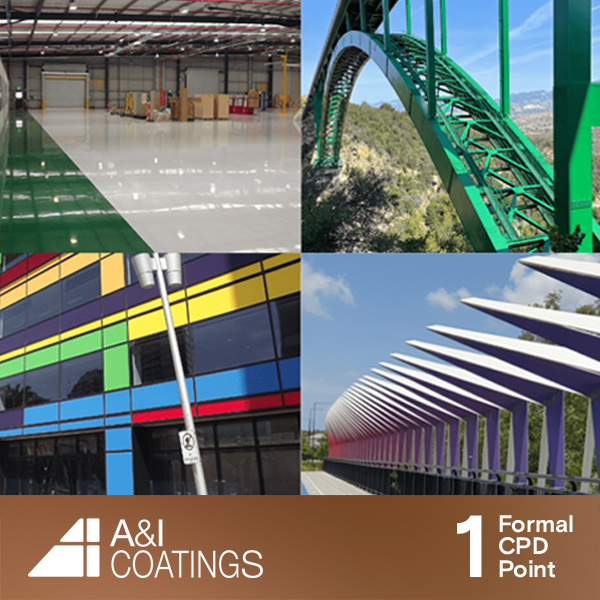
This course is designed to provide information on the most effective and proven protective coating systems with an emphasis on sustainability. The course will teach specifiers to how to select the most appropriate coating system for a range on typical applications in the construction industry.
-A&I Coatings
Condensation & Moisture Management within Rainscreen Systems
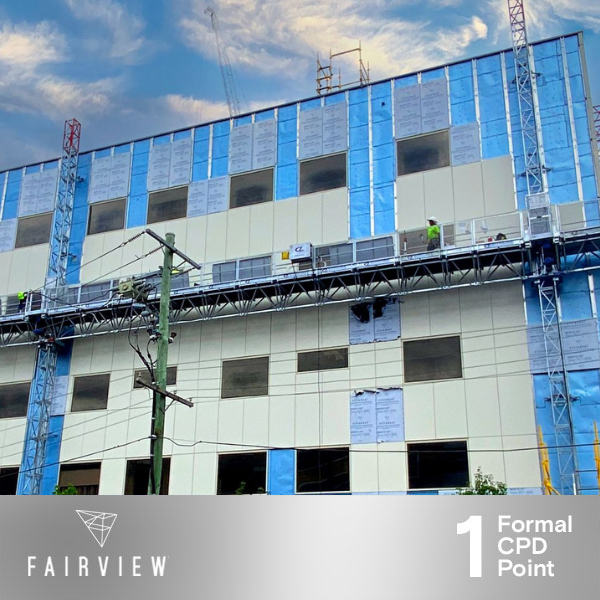
This course provides a comprehensive exploration of the principles of condensation and its impact on building design, focusing on climate zones, rainscreen systems, wall construction and compliance.
-Fairview
Beyond the Surface

Uncover the secrets to building performance. Explore material behaviour, thermal movement, and foundation dynamics. Master façade design for water shedding. Learn from real-world examples to improve construction quality.
-Partridge
Mastering the Outdoors: How to create beautiful, durable and continuous outdoor spaces.
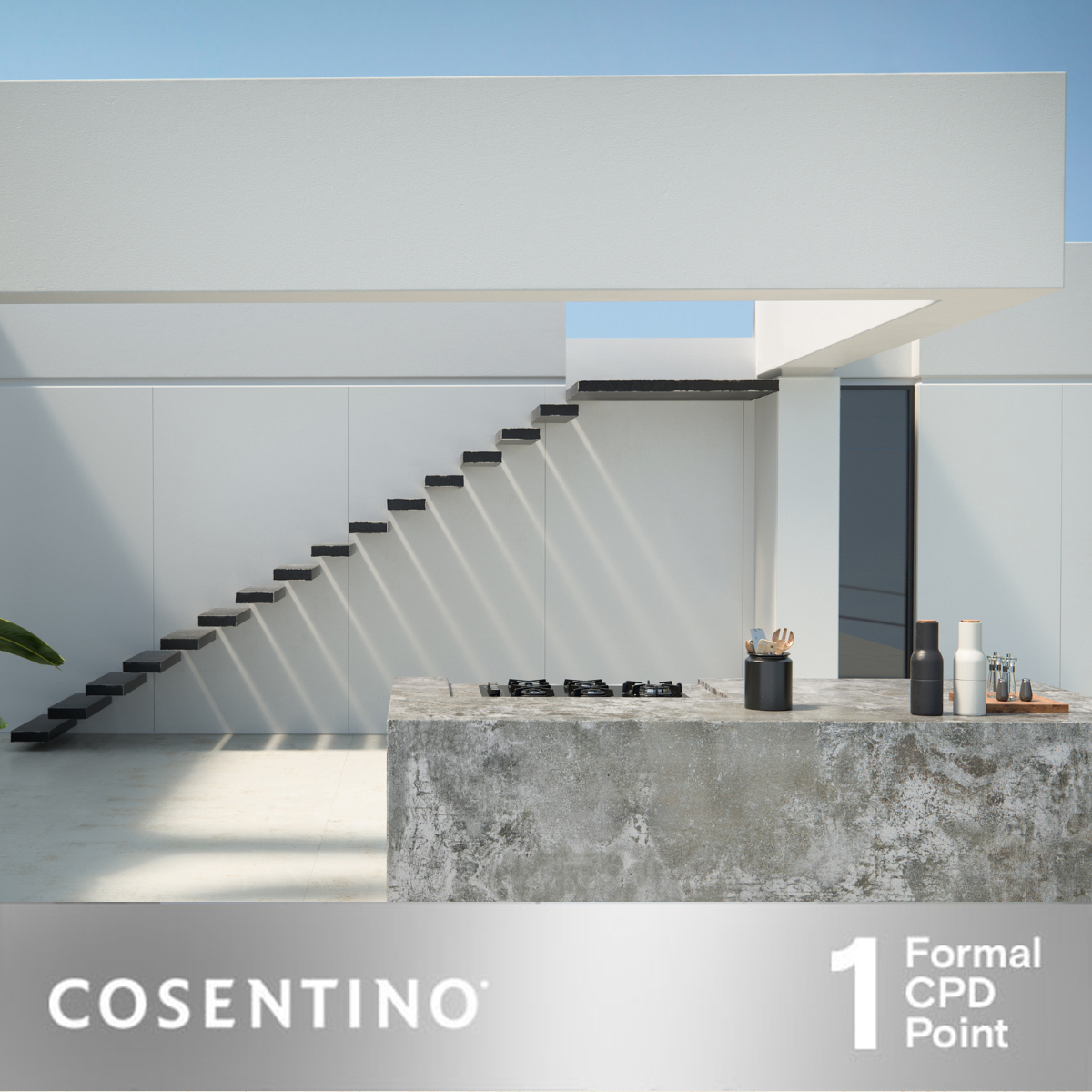
In this course, you will discover the different surfaces that can be used to master the outdoors. Explore the building science and technology behind the surfaces discussed and how they can be used in various project designs. From traditional pavers, such as bricks, porcelain, concrete and natural stone, to traditional pool material such as concrete and how they all compare to the innovative ultra-compact surface. Explore how the ultra-compact surface is created and how its unique properties compare to that of traditional materials.
-Cosentino
Understanding Wood-look Powder Coatings for Aluminium Battens & Claddings

Alteria’s presentation outlines the main wood-look powder coating technologies and processes used for aluminium extrusions to help you understand the performance, durability, fire ratings and sustainability benefits to help you when specifying wood-look battens and claddings.
-Alteria