
How to Specify Technical Flooring Solutions for Life Sciences & High Technology Environments
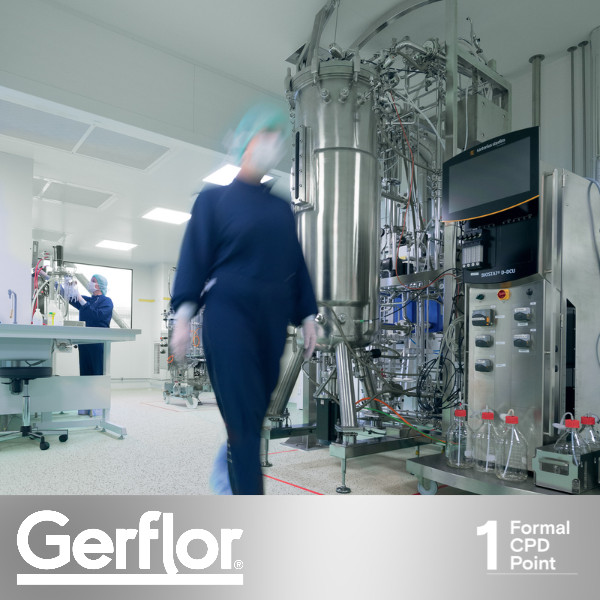
This presentation will deliver outcomes related to the following Competency/s from the National Standard of Competency for Architects:
PRACTICE MANAGEMENT AND PROFESSIONAL CONDUCT (PC16)
PROJECT INITIATION AND CONCEPTUAL DESIGN (PC28)
DETAILED DESIGN AND CONSTRUCTION DOCUMENTATION (PC39)
-Gerflor Australasia
Better Sound, Better Learning: Practical Acoustic Design for Education Spaces
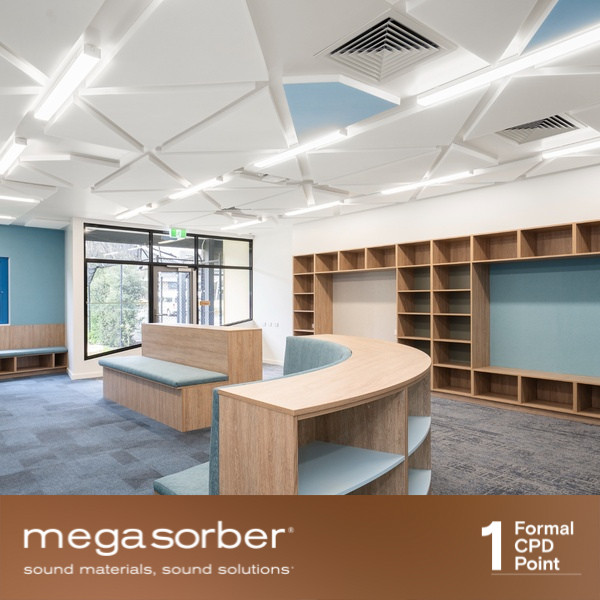
Create learning environments where students and teachers can thrive. This engaging CPD explains the fundamentals of education acoustics and demonstrates practical strategies to improve speech clarity, reduce noise distractions, and optimise acoustic comfort in schools and educational facilities.
– Megasorber
Ventilated Facades and Moisture Management
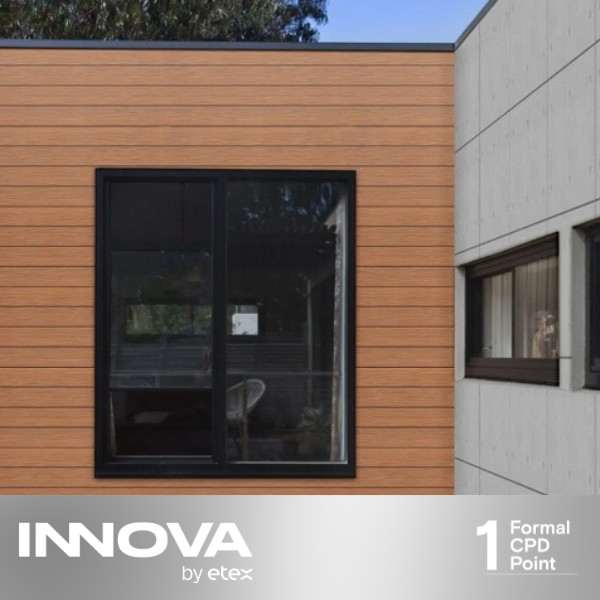
At the end of this presentation, you should be able to:
•Understand the fundamentals behind condensation and moisture management.
•Outline the construction requirements around weathertightness
•Identify external wall design requirements around a ventilated façade construction and various benefits of a ventilated system
-Innova by Etex Australia
Specifying Cladding in an Evolving Climate
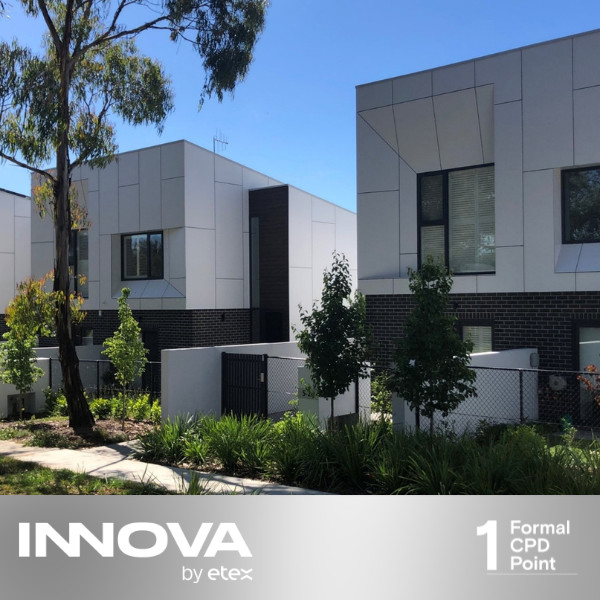
At the end of this presentation, you should be able to:
•Identify various construction methods for cladding installation and assess related performance benefits.
•Understand technical benefits of thermal values, embodied energy and ventilated facades
•Demonstrate competence in various types of sustainability, including; environmental, landscape, health, accessibility and social.
•Learn about the history, manufacturing and benefits of fibre cement cladding.
-Innova by Etex Australia
Fire Compliance
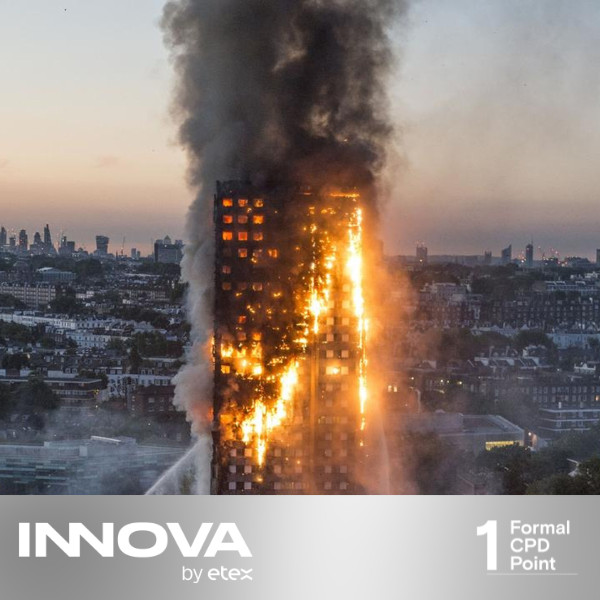
At the end of this presentation, you should be able to:
•Understand the various fire requirements in Australia
•Discuss the recent history and shortcomings of inadequate fire compliance
•Identify various construction types as set out by the BCA
•Understand the differences between BAL fire compliance and AS1530.1
-Innova by Etex Australia
Steel Windows & Doors
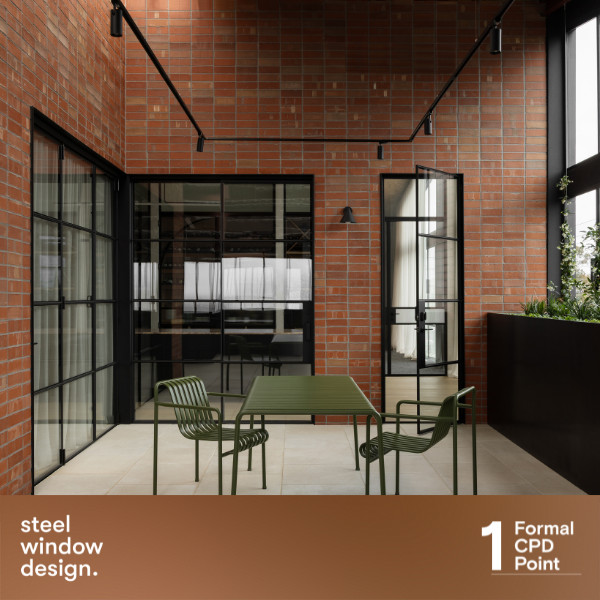
The course explores the use of steel windows and doors across residential and commercial projects. Covering their history, product types and applications, it provides essential guidance for specification, including performance requirements, energy ratings and key considerations to help make informed design and product selections.
– Steel Window Design
Designing for Impact in Lightweight Construction
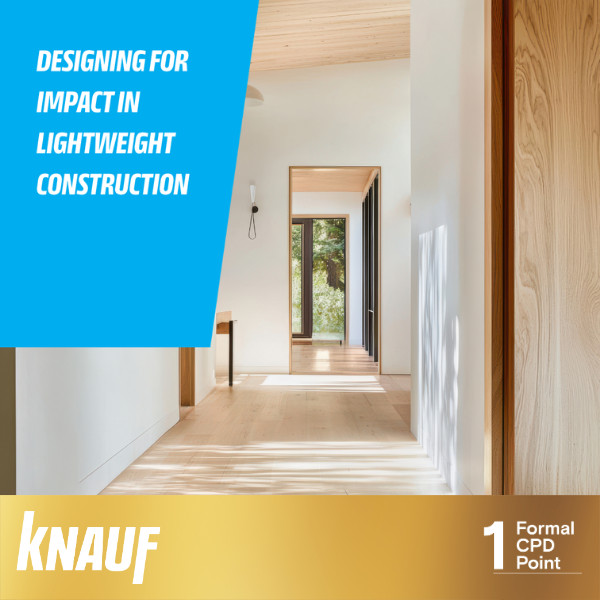
Learn how impact-resistant lightweight wall and ceiling systems boost durability, cut maintenance, and support long-term building performance, plus how to assess lining performance, compliance and specification needs for high-traffic spaces.
– Knauf
Designing Healthy Buildings: Beyond functional performance – the impact of material health on indoor environments
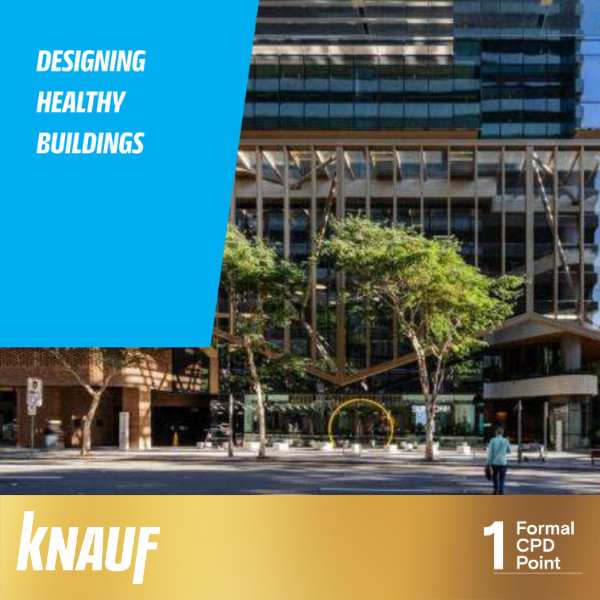
Understand how healthier material choices can reduce embodied carbon and support occupant wellbeing, helping project teams make more informed specification decisions.
– Knauf
Curved Facade Design in Lightweight Construction
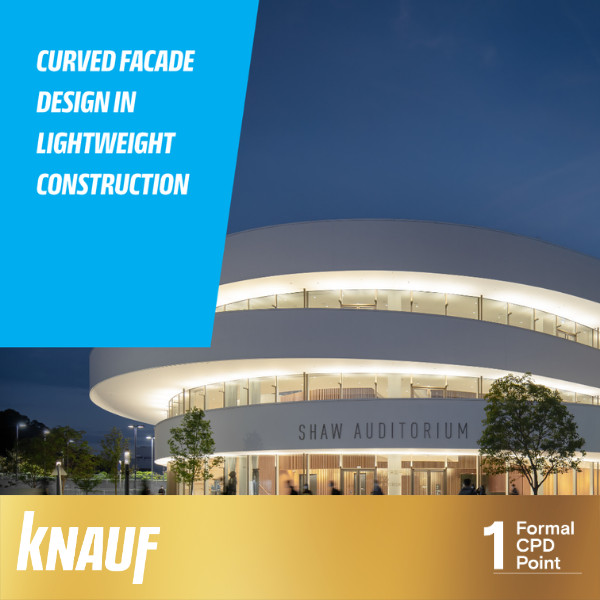
Learn how lightweight curved facade systems can deliver striking design, buildability, and performance through smart material selection, detailing, and fabrication methods.
– Knauf
Providing Evidence of Suitability Resilient Flooring Finishes
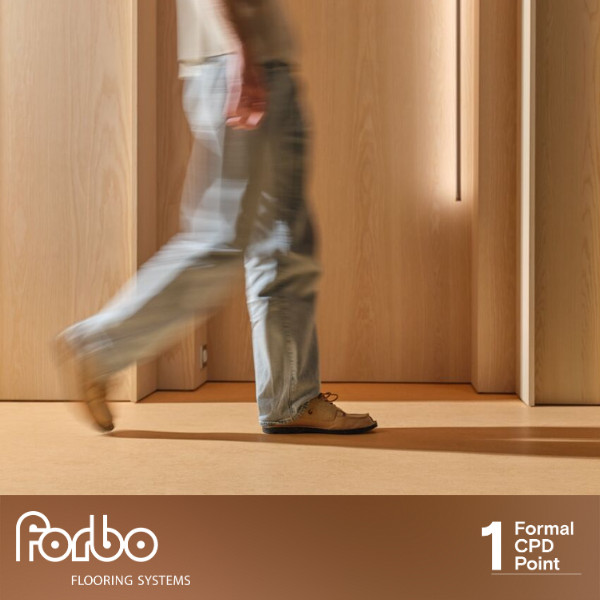
Every flooring specification carries safety, comfort or compliance risk: a resident with dementia, a building surveyor, a Green Star assessor. This CPD teaches you how to read fire and acoustic NCC test documentation, apply LRV for dementia-friendly design, and use EPDs for climate disclosure reporting.
– Forbo Flooring Systems