
Mellow Yellow House and Cottage | Philip Leeson Architects and Sarah Truscott Architect
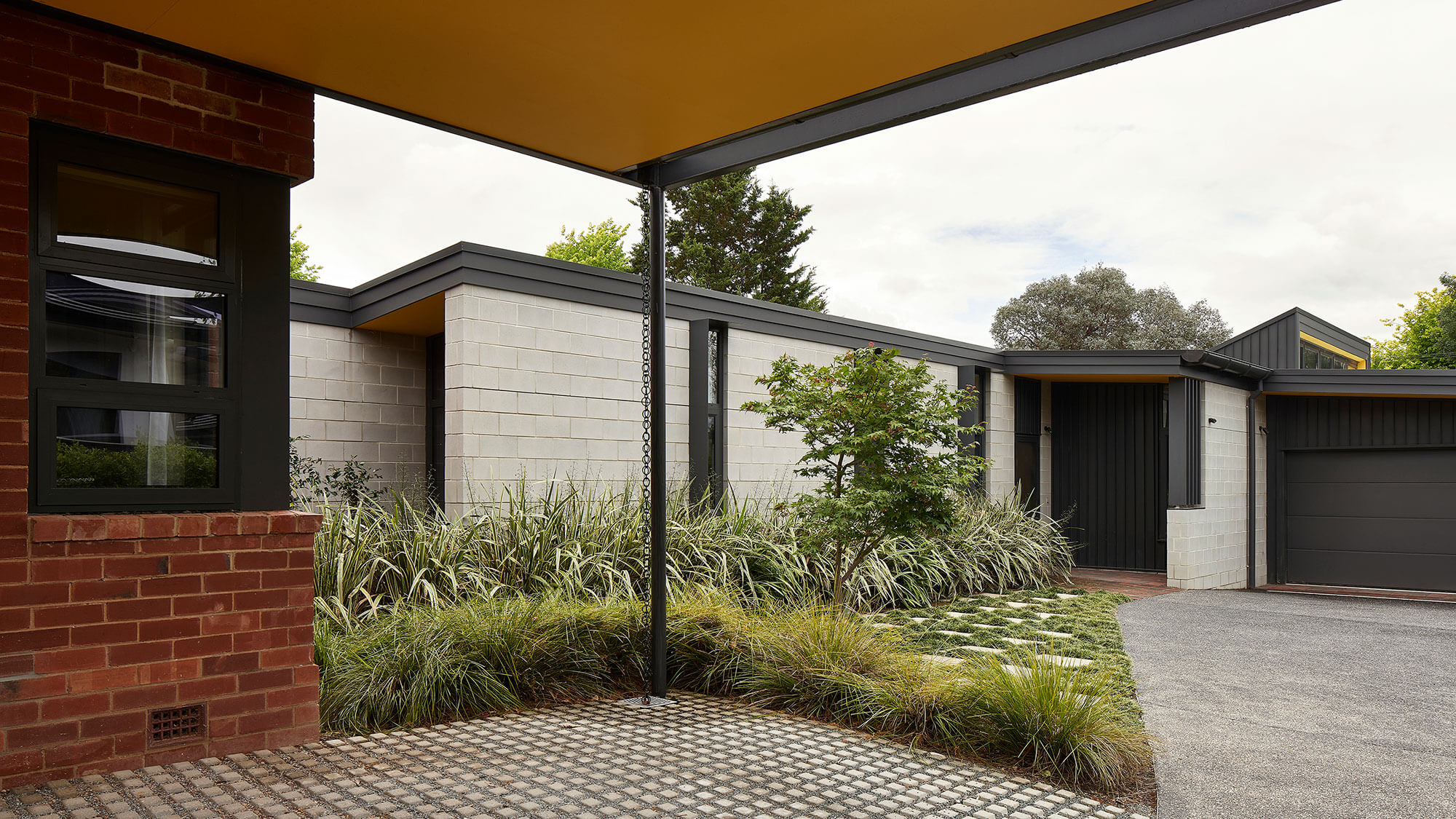
Mellow Yellow House and Cottage, a twostage project by Philip Leeson Architects and Sarah Truscott Architect is a synthesis of sustainability, functionality, and intergenerational living. The addition seamlessly integrates renewable energy and passive design in a quiet sanctuary for the owners, whilst the later upgrade to the original cottage blends modern aesthetics with the original form. Both stages cater to specific family needs, accommodating elderly parents and anticipating future arrangements for a carer and the owner’s son with autism.
These projects significantly contribute to the public domain; the solarcentric addition exemplifies sustainable living without compromising aesthetics, while the cottage preserves the streetscape with minor contemporary additions. Thoughtful design choices optimise solar exposure and enhance liveability, reflecting the collaborative efforts of the multidisciplinary team.
Mellow Yellow House and Cottage, beyond any architectural merit, fosters deep connections between architects and owners, and creates a flexible living environment resonating with community spirit.
Melrose Avenue | B.E. Architecture
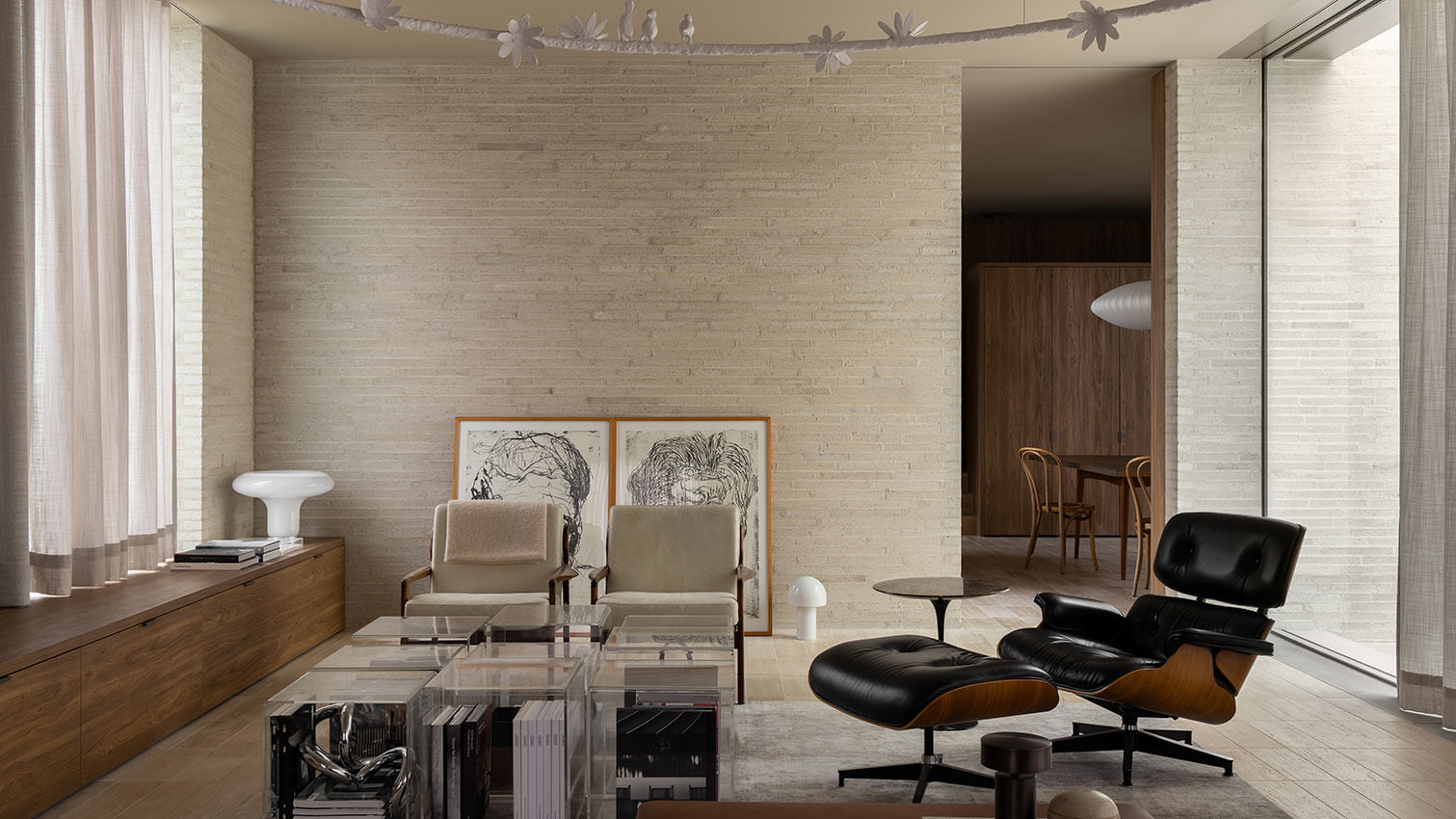
TBA
Memorial Drive Centre Court Stage 2 | Cox Architecture
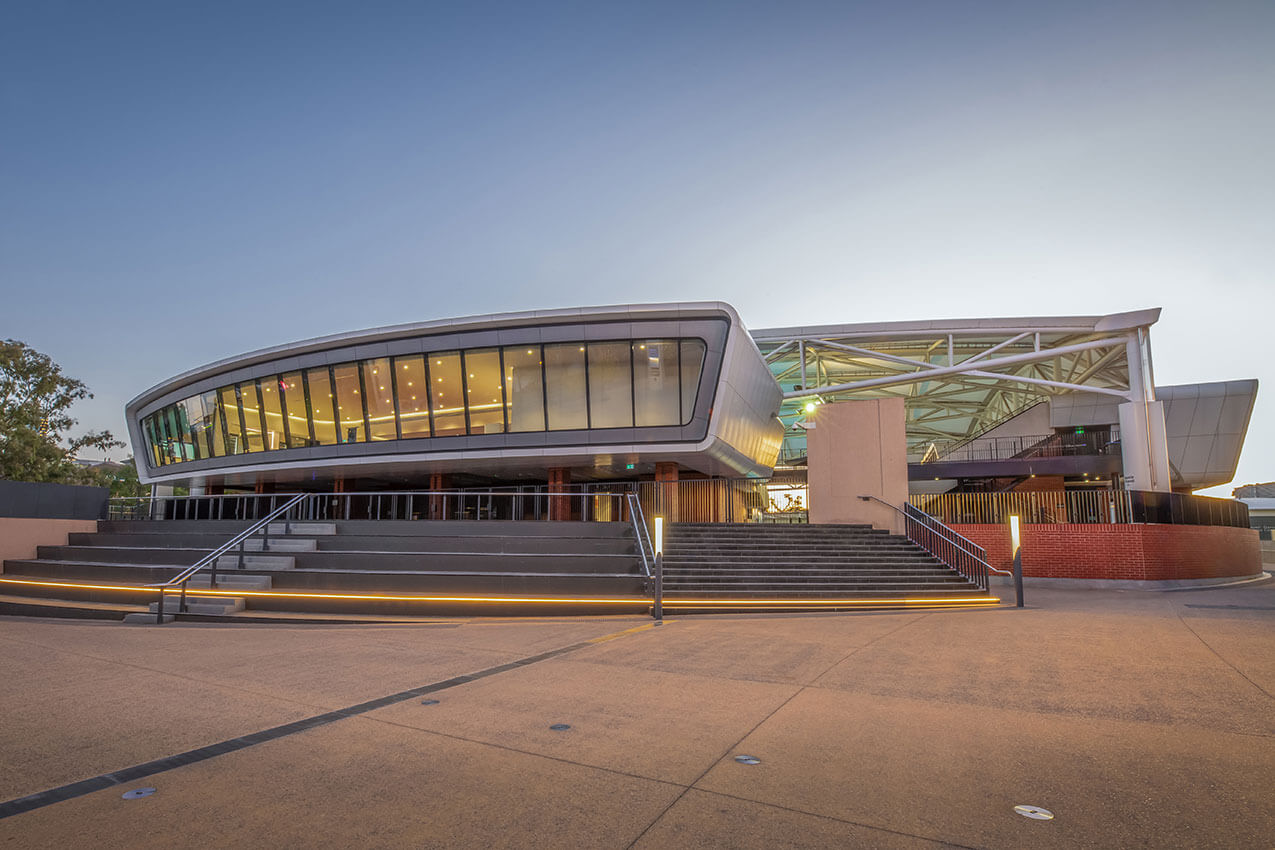
The redevelopment of Memorial Drive completes a 10-year transformation of one of Adelaide’s most loved sporting and performance venues.
Blending a rich history with contemporary new form, the re-imagined ‘Drive’ provides a major showcase of tennis and events, set within the context and intimacy of the existing southern stand and red brick arches that characterise the site. The project connects Memorial Drive to the Adelaide Oval Plaza, further enhancing the public realm offering and enhancing the activation of Riverbank.
This project marks a highly successful collaboration with our client Tennis SA. The Drive’s evolution has created a new benchmark for sporting and event facilities that celebrate their site, location and context.
Memorial Hall – Christ Church Grammar School | McIldowie Partners

The refurbishment of this 1920s Multipurpose Memorial Hall thoughtfully preserves its rich history and gothicrevival features to create an enduring space that is both safe and suitable for primary school children. As a core principle, the restoration has removed multiple later additions and alterations to the building fabric, delivering a remarkable, timeless mixeduse space ideal for theatre and music performances, wetweather sports, afterschool care, assemblies, and community events.
Meridian | TURNER

Meridian consists of two buildings of 6 storeys and 8 storeys set within a landscaped sequence of private and public spaces. The development comprise both private residential and affordable housing. The site is located along a natural ridgeline that follows the alignment of The Kingsway. The elevated location beside Miranda park allows for uninterrupted views to the north towards the Georges River and the City skyline beyond.
The organic building forms take their inspiration from the gentle curves of the surrounded elevated topography. The materials used are quality, low maintenance finishes such as concrete, brick, and metal cladding. The colours are chosen from a classic monochromatic palette of whites and dark greys that bring a sense of calmness to the composition and ensure a long term quality to the facades. The built form and landscape elements have been designed to embrace ESD principles, both passive and active.
Mesa Aldinga Beach | Architects Ink

Six dwellings located along the Aldinga Esplanade have stepped frontages, like birds in flight, each house is given their own identity.
The entrance is reminiscent of an underside of a jetty with exposed beams overhead, connecting the rear yard to the beach, where surfboards and towels can patiently wait until the next ocean visit.
Insertion of an internal courtyard brings ample light into the center of the dwelling. The skillion roof invites morning light over the kitchen, at its lowest point serves to shield the living areas from the afternoon sun. The combination of high-level windows and horizon views establishes a connection to both the sea and sky.
Material selections are humble. Exposed rafters unify internal and external spaces. The activities of the homes sit between robust concrete blockwork, offering a sense of permanence and protection.
Mesa encourages relaxation, where the sea breeze flows through and sandy footprints are welcomed.
MG House | Williams Burton Leopardi
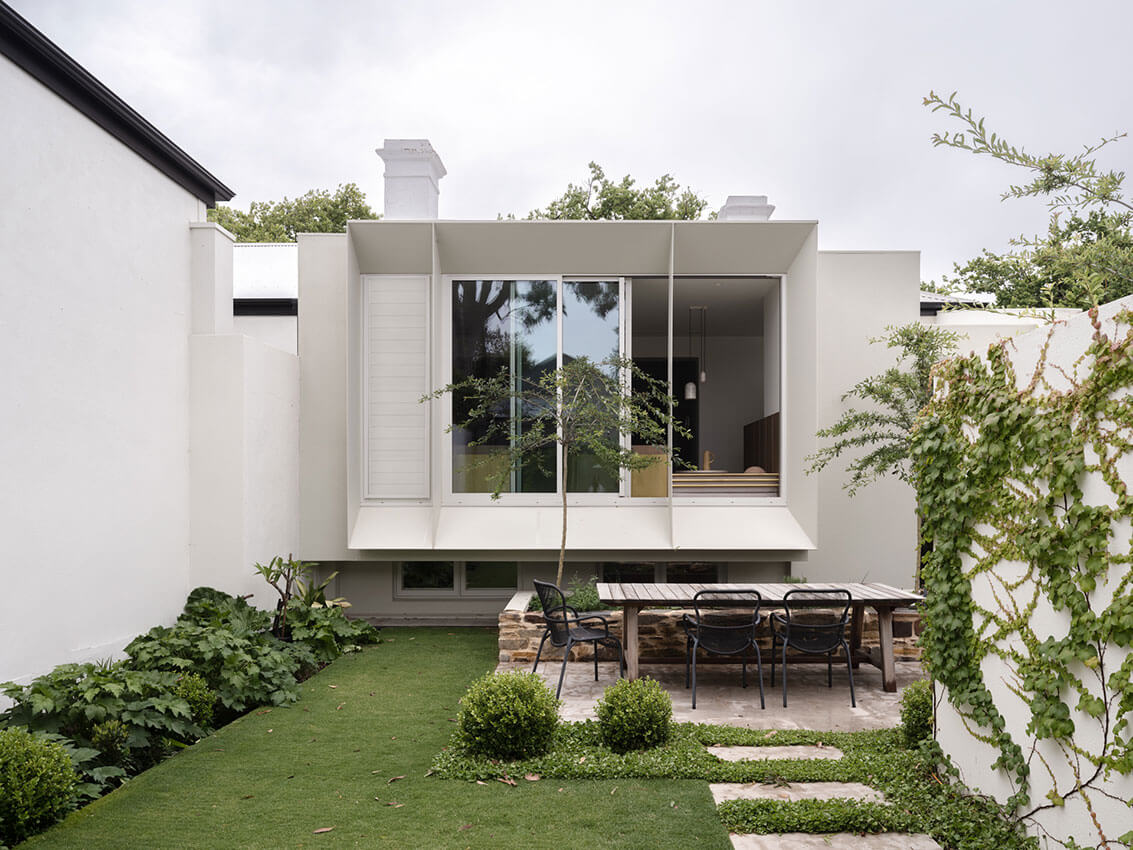
The layered nature of any heritage home is ultimately what makes its preservation so important. MG House – being one of the few of its style remaining in Adelaide – retained the memory of its past in so many ways and integrating reminders of that delicacy and filigree through a contemporary lens, became the focus. In crafting the interior to both connect and flow from inside-out, the curation and detailing of every element carries forward an homage to the past, emphasising a timelessness.
Opening up and reorienting the entry to the rear ensures the experience of the home (one that is light-filled and calm), is immediately present and all-consuming. Framed views and openings connect to the landscape, enriching a sense of seclusion. Throughout, personalised moments connect directly with the owners and the activities they love, while maintaining a sense of scale and grace.
Michael Kirby Building | Hassell

The Michael Kirby Building at Macquarie University tells a story of sustainable adaptation and growth, crafting new gathering spaces that encourage interaction and promote the exchange of ideas.
The design utilises the concrete framework of a pre-existing administration building as a foundation for a new timber structural system. The transformation extends beyond the structural, replacing the concrete shell with a transparent, glazed façade directly connecting the building to the tree canopy along Wally’s Walk.
A previously exposed courtyard is now transformed into an enclosed, naturally ventilated atrium space. A series of skylights provide controlled lighting, providing equal parts sun and shade.
The decision to re-use rather than fully demolish has extended the life of the building. Creating a high quality crafted timber interior speaks to Macquarie University’s ongoing commitment to a sustainable campus.
Little Young Street 4A & 4B | David Langston-Jones
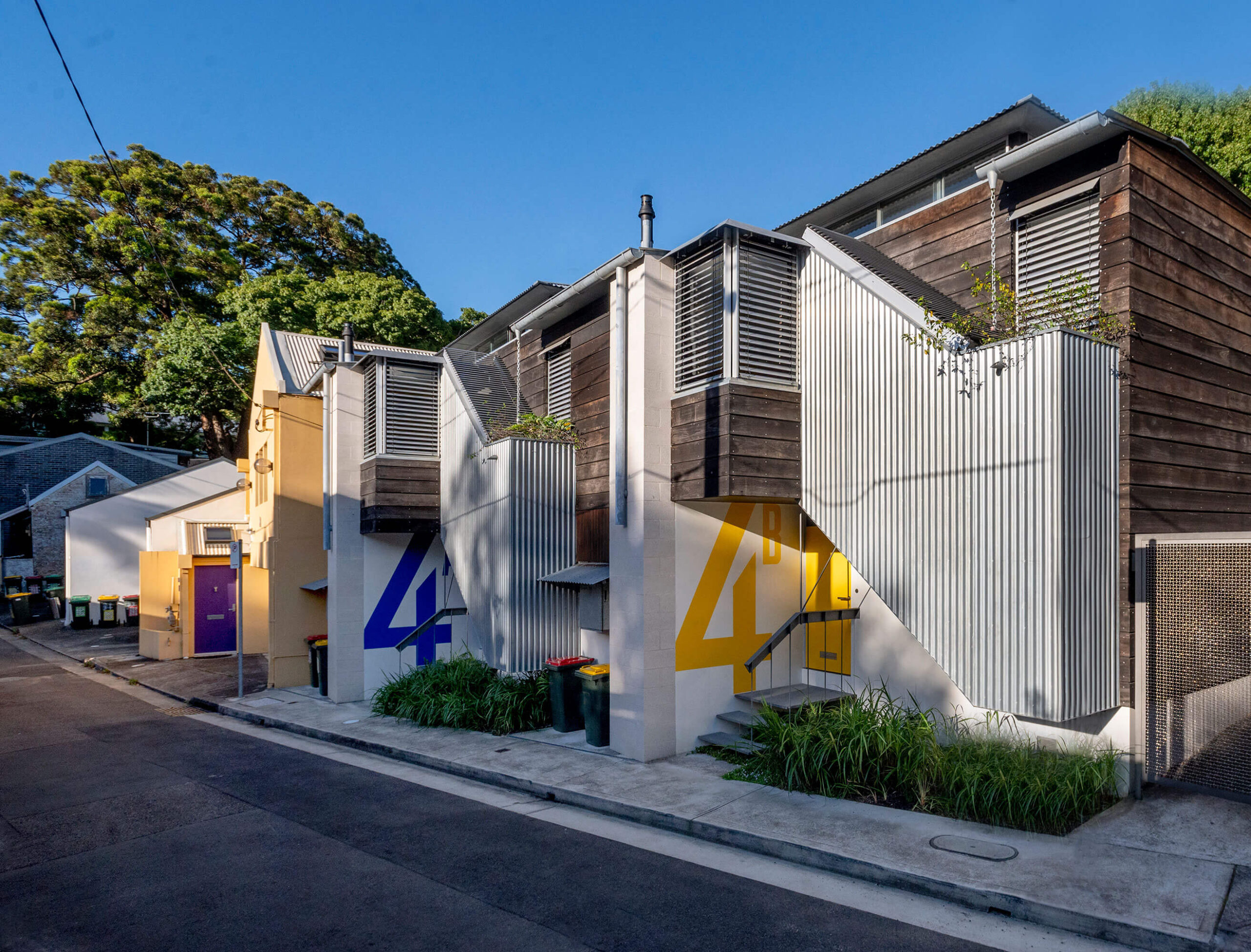
With a footprint little bigger than a pair of double garages, two 80 sq m houses have been fitted onto an awkward sloping site which most would expect to contain only one. Infilling a narrow inner city laneway, these replace the original asbestos ridden bungalow, which had outlived its usefulness, with two storey houses without garages taking advantage of their proximity to public transport.
The identical houses are ‘upside down’: bedrooms below and living areas above. All ‘machines’ bathrooms, stairs, kitchens, rubbish bins, etc are rowed in front concentrating the main massing away from the street. Articulate and expressive, the resulting external appearance contributes much to the streetscape.
Internally, the houses exhibit a spaciousness and grandeur that belie their size and are private yet transparent in spite of being cheek by jowl with neighbours. Carefully arranged openings frame views onto courtyard gardens, distant trees and the sky while filtered sunlight enliven the living areas throughout the day.
‘Littoralis’ Midway Point | Leigh Woolley Architect
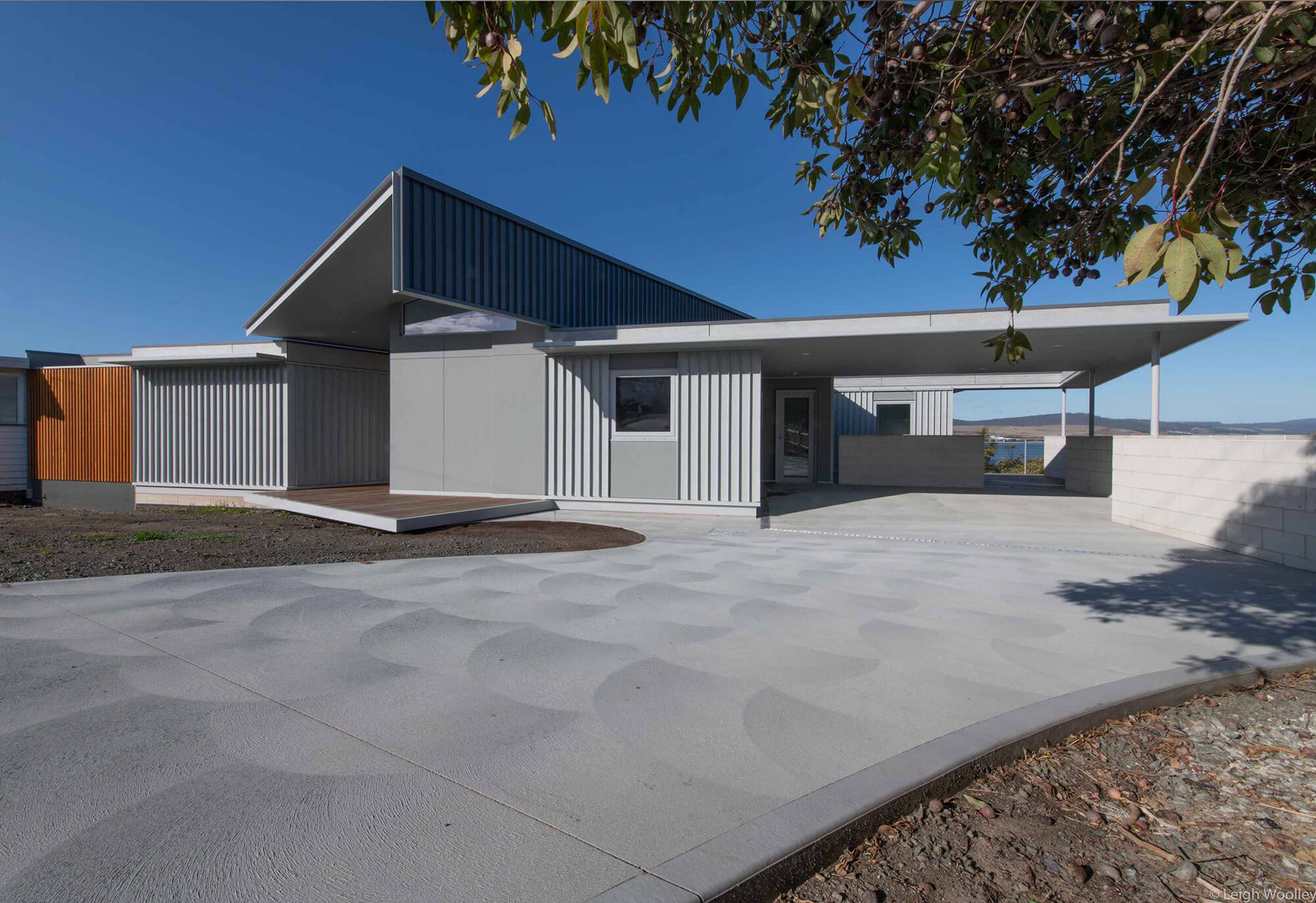
Attracted by the inter-tidal character and abundant bird life of the Pittwater embayment, the owners chose Midway Point, east of Hobart, to retire into. Maximising connection to the waterplane of the bay, the new dwelling provides both a living and viewing platform adjacent the coastal reserve and its abundant littoral shore.
In a compact plan providing diverse living spaces, the threshold between inside and outside is reinforced as a uniform datum. External edges in the sun, and out of the wind extend the interior outward providing local and regional orientation.
The design response has been to future proof the site for its retired owners by providing grade access via the driveway to the new dwelling, and its level living platform. Supplemented by vegetable and feature gardens, an existing dwelling provides ancillary accommodation (for a carer) to extend their longevity on the peninsula.