
Bindjali
South Australia
Within the framework of heritage projects there are many aspects to consider, particularly in relation to ongoing sustainability and the continued viability of cultural assets. The two key successes of the reimagining of Bob Hawke’s birth place lie firstly in the feasibility work; the investigation of alternate uses and business models, and secondly, the use of integrated and whimsical interpretation techniques.
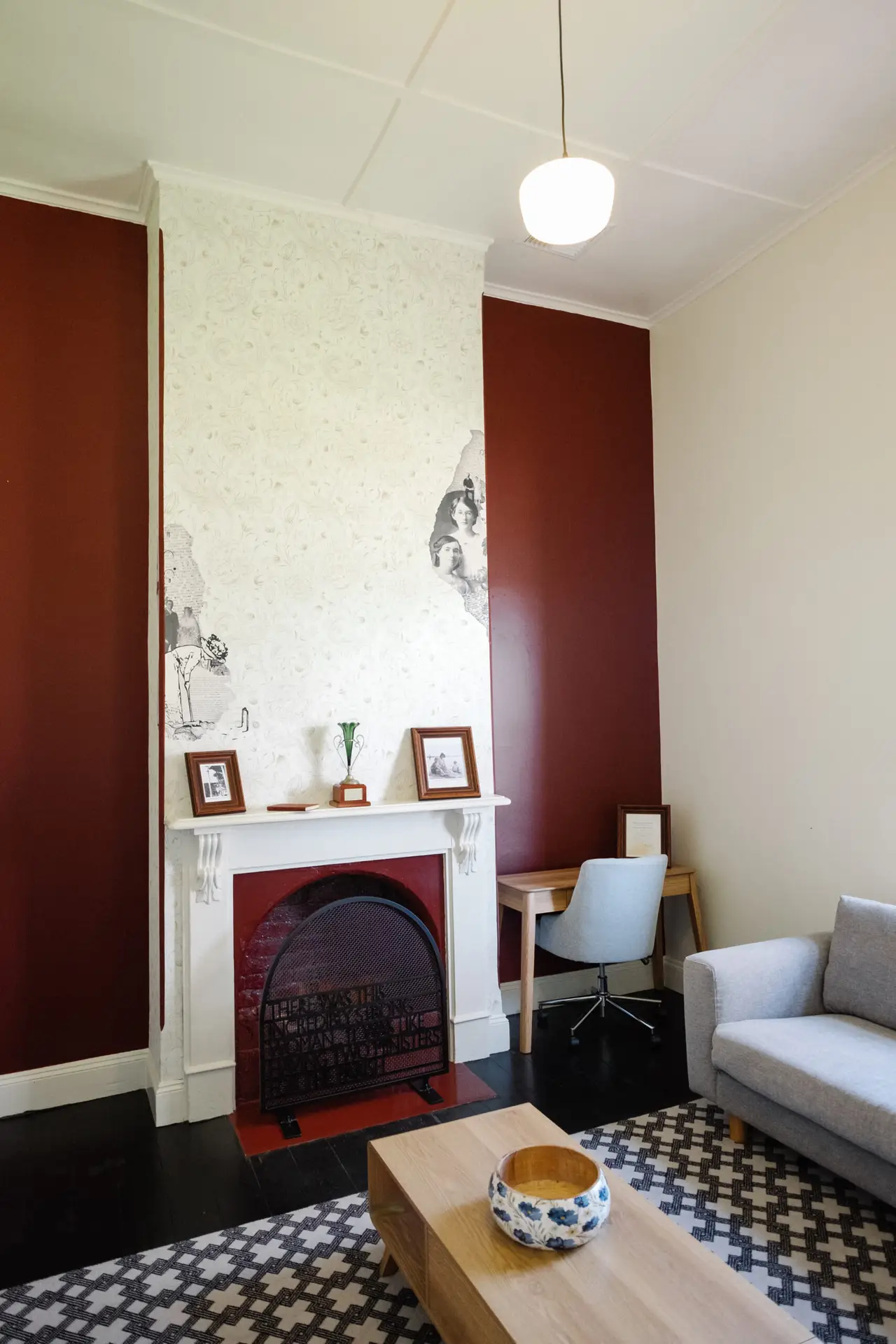
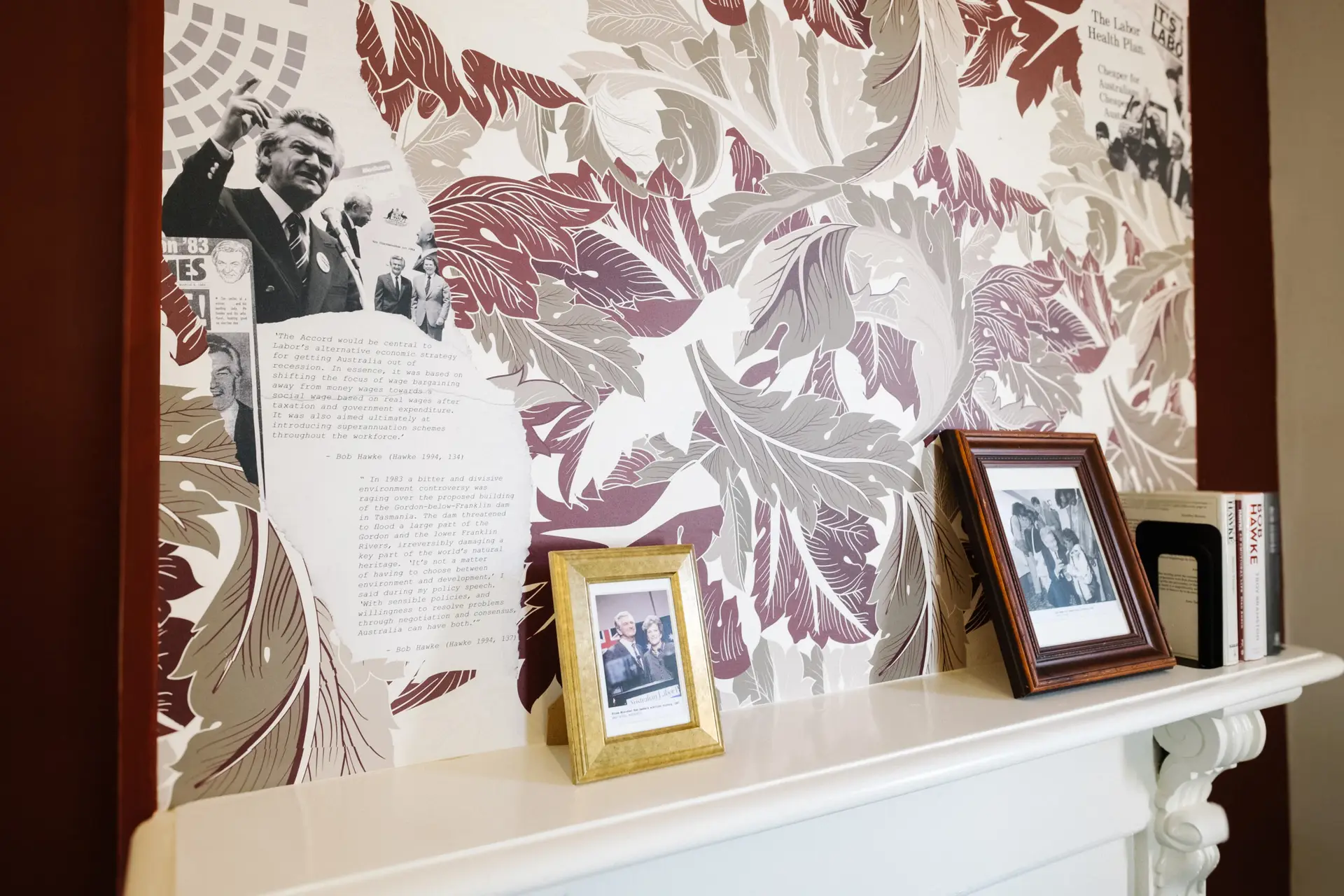
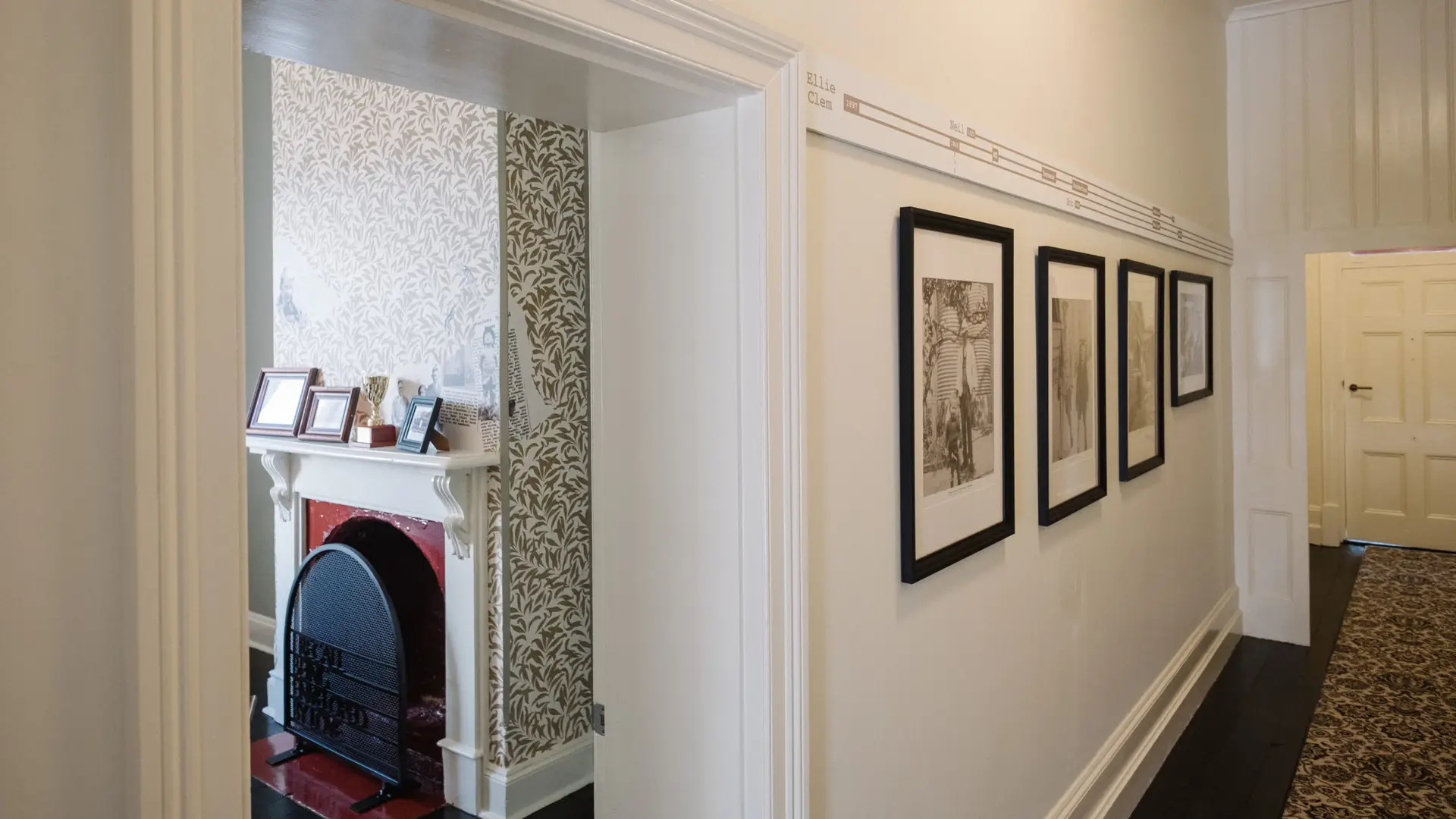
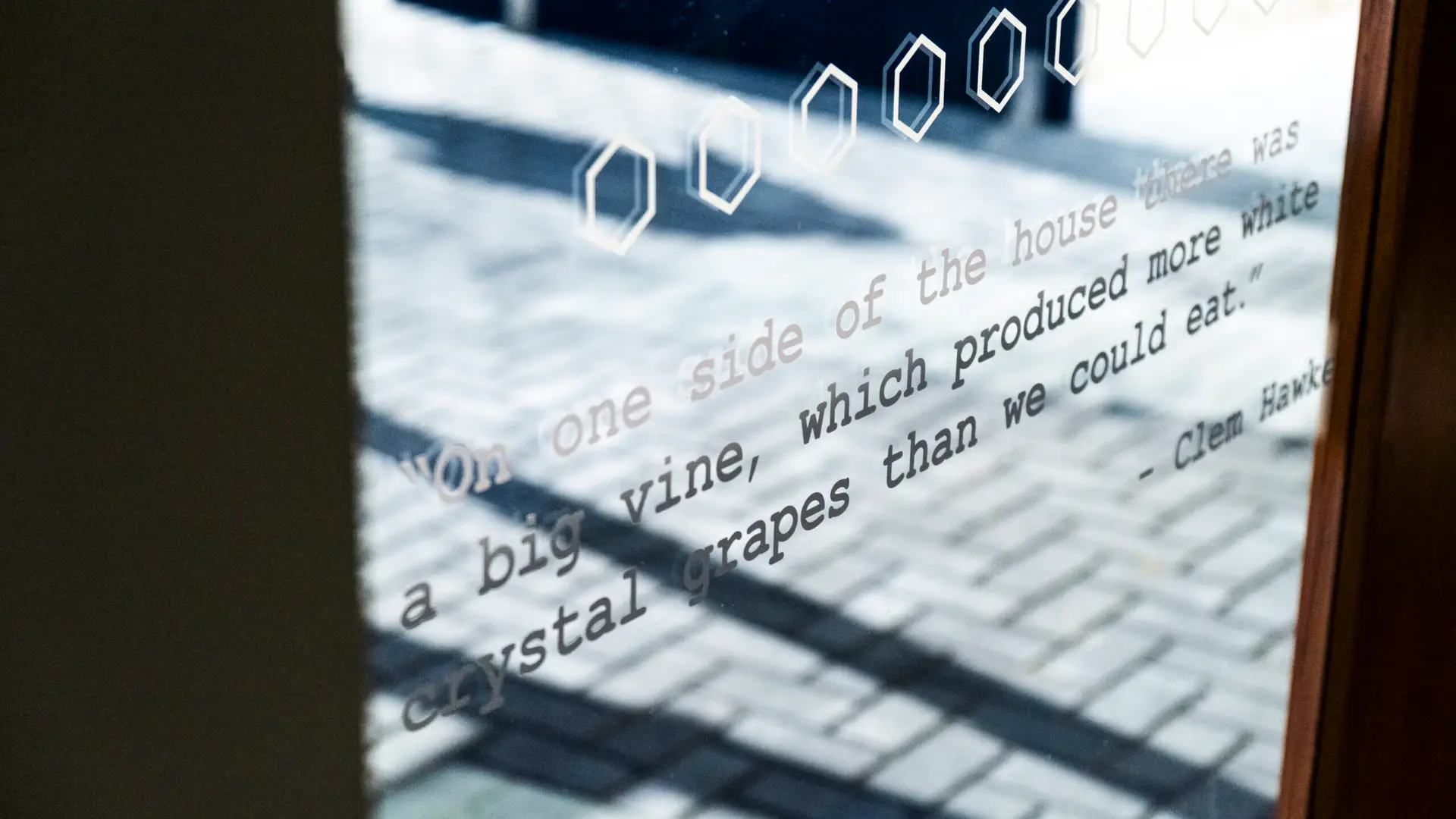
Finding ways to reveal the story creating a traditional museum setting was a key design challenge. The interpretive approach utilises a dispersed narrative that offers clues about the significance of the place. Utilising ‘torn’ wallpaper (revealing recollections, images and other stories), applied text, trophies and photographs, aspects of family life that contributed to the ‘making of’ the future Prime Minister are revealed. Focussing on fireplaces and chimney breasts, and casting these architectural elements as ‘characters’ underpins the idea of nurture and the role of architecture within the family setting.



Award For Heritage
Hawke House is a fascinating insight into what a skilled storyteller can bring to a project.
Not blessed with a large budget to play with or a significant architectural artifact to restore, Mulloway Studio have utilised a prosaic former bank and manse occupied by the Hawke family until 1935 as a stage on which to tell the story of Prime Minister Bob Hawke’s formative years. This includes the part played by the property and the wider role of the Bordertown community.
The award recognises the value that the architect’s involvement from feasibility through to resolution played in the successful interpretive nature of the project.
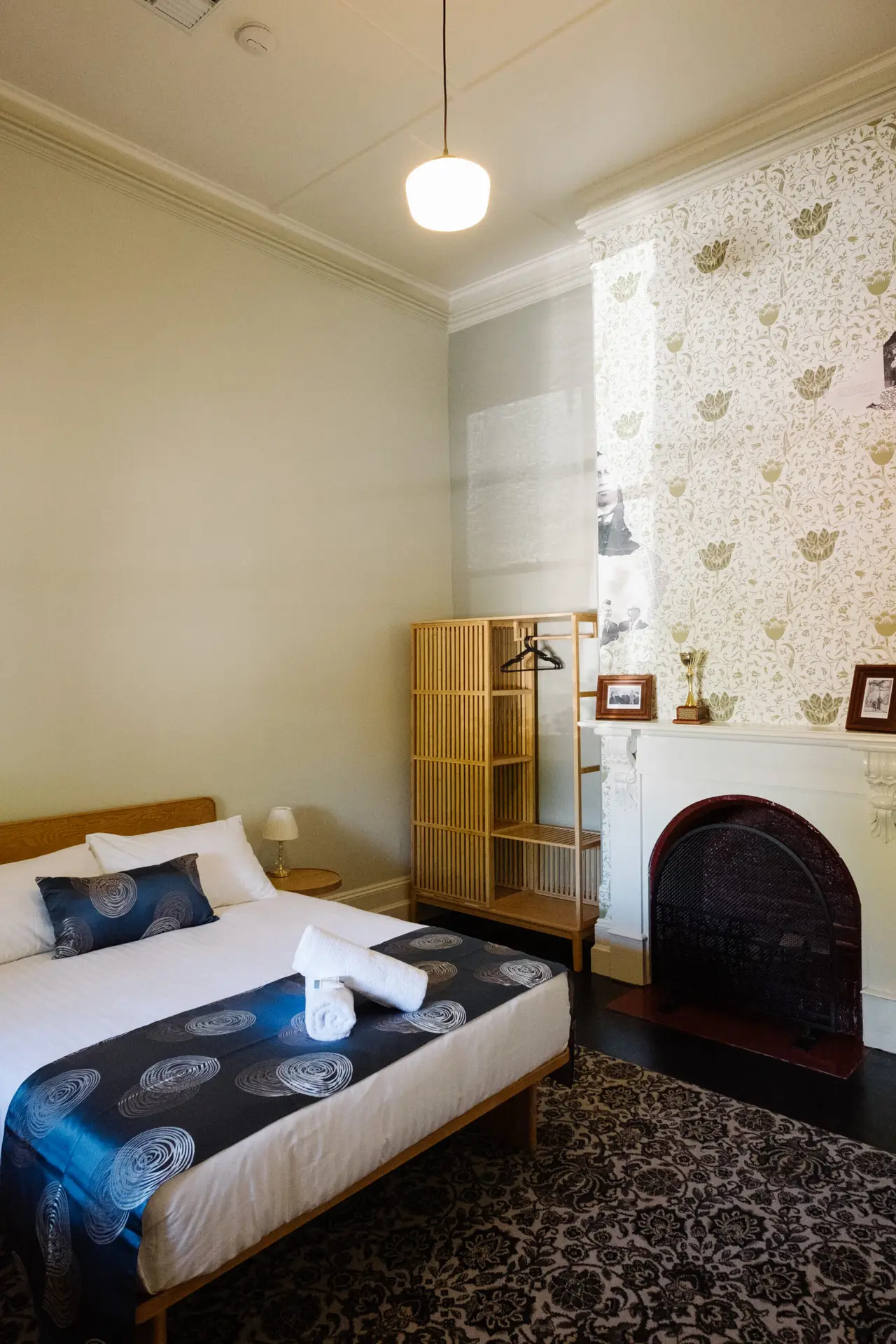
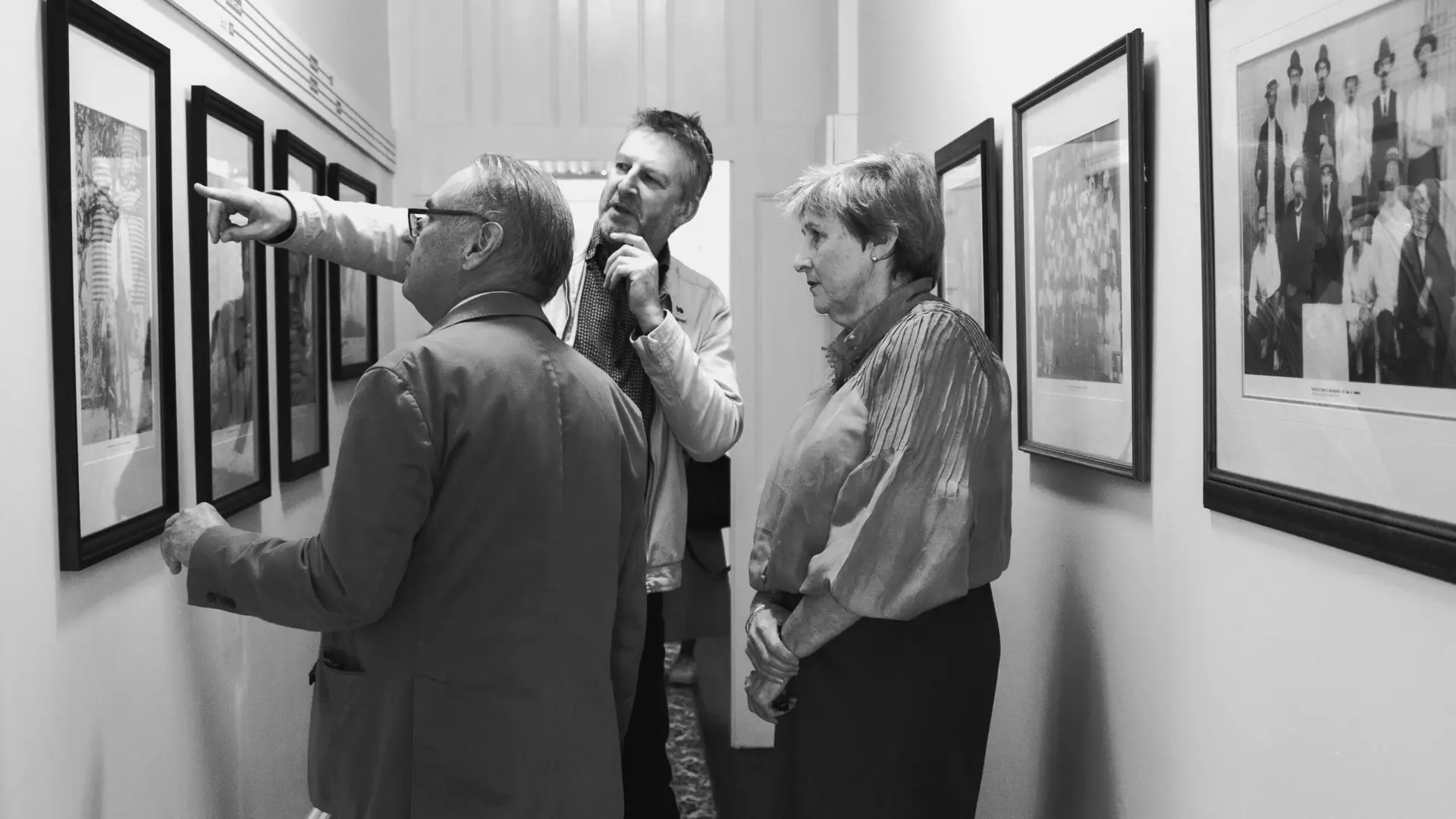
Without objects and furniture, Hawke House composes a storey via tropes such as torn wallpaper motifs thematically and subtly placed alongside painted timelines, photographic reproduction and object creation, united by a clear colour palette that differentiates function and life of the former residents. The house becomes a cabinet of curiosities available for exploration by the tourists staying there.
The jury recognises that this is a subtle but effective solution, showing that in the right hands, interpretive storytelling can add significantly to the value of heritage places in addition to the perceived architectural merit of a building alone.
Award For Heritage
Hawke House is a fascinating insight into what a skilled storyteller can bring to a project.
Not blessed with a large budget to play with or a significant architectural artifact to restore, Mulloway Studio have utilised a prosaic former bank and manse occupied by the Hawke family until 1935 as a stage on which to tell the story of Prime Minister Bob Hawke’s formative years. This includes the part played by the property and the wider role of the Bordertown community.
The award recognises the value that the architect’s involvement from feasibility through to resolution played in the successful interpretive nature of the project.
Without objects and furniture, Hawke House composes a storey via tropes such as torn wallpaper motifs thematically and subtly placed alongside painted timelines, photographic reproduction and object creation, united by a clear colour palette that differentiates function and life of the former residents. The house becomes a cabinet of curiosities available for exploration by the tourists staying there.
The jury recognises that this is a subtle but effective solution, showing that in the right hands, interpretive storytelling can add significantly to the value of heritage places in addition to the perceived architectural merit of a building alone.
The design included a detailed interpretive strategy recognising the building’s history as the Hawke family’s home, and telling the personal and political stories of Bob Hawke, his parents and brother. The clever and visually stunning, incorporation of snippets of these stories in wallpaper, images, quotes and ‘artefacts’ throughout the house, combined with its faithful restoration, have created an invaluable community asset. The design ensures that this asset will be preserved for the public for the long term, without creating a significant ongoing financial burden to this small regional Council and its community, and that it will be used frequently.
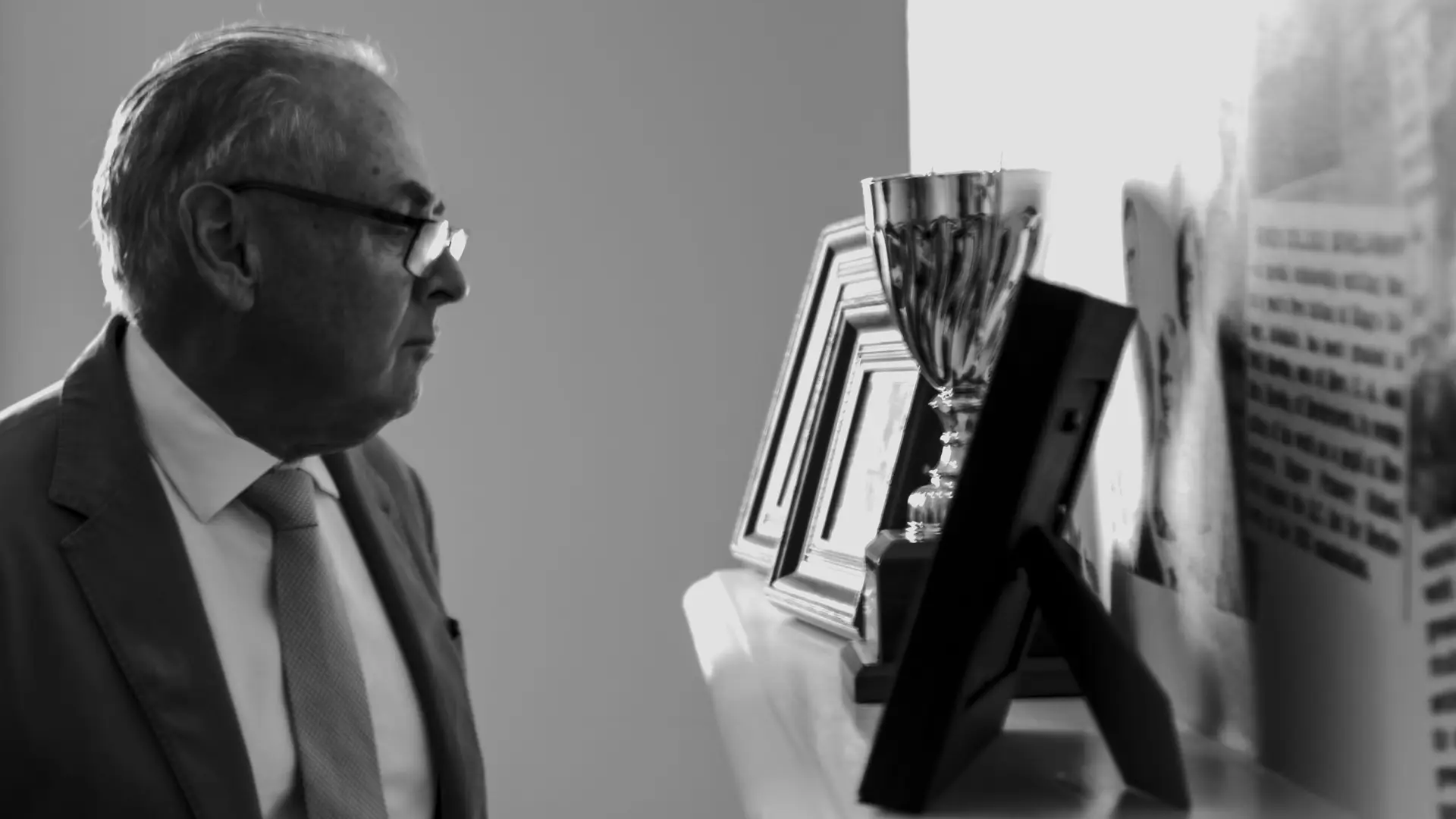
Client perspective
Anthony Coupe, Design Architect
Felicity Sando, Project Architect
James Baker, Project Architect
Emily Paech, Graduate of Architecture
Kate Maiden, Designer
Tatiara District Council, Building coordinator and construction manager for built fabric works
Hirst Projects, Business modelling and feasibility work
Heinrich Consulting, Cost Consultant
Tonkin Engineering, Structural Engineer