
Whadjuk Noogar
Western Australia
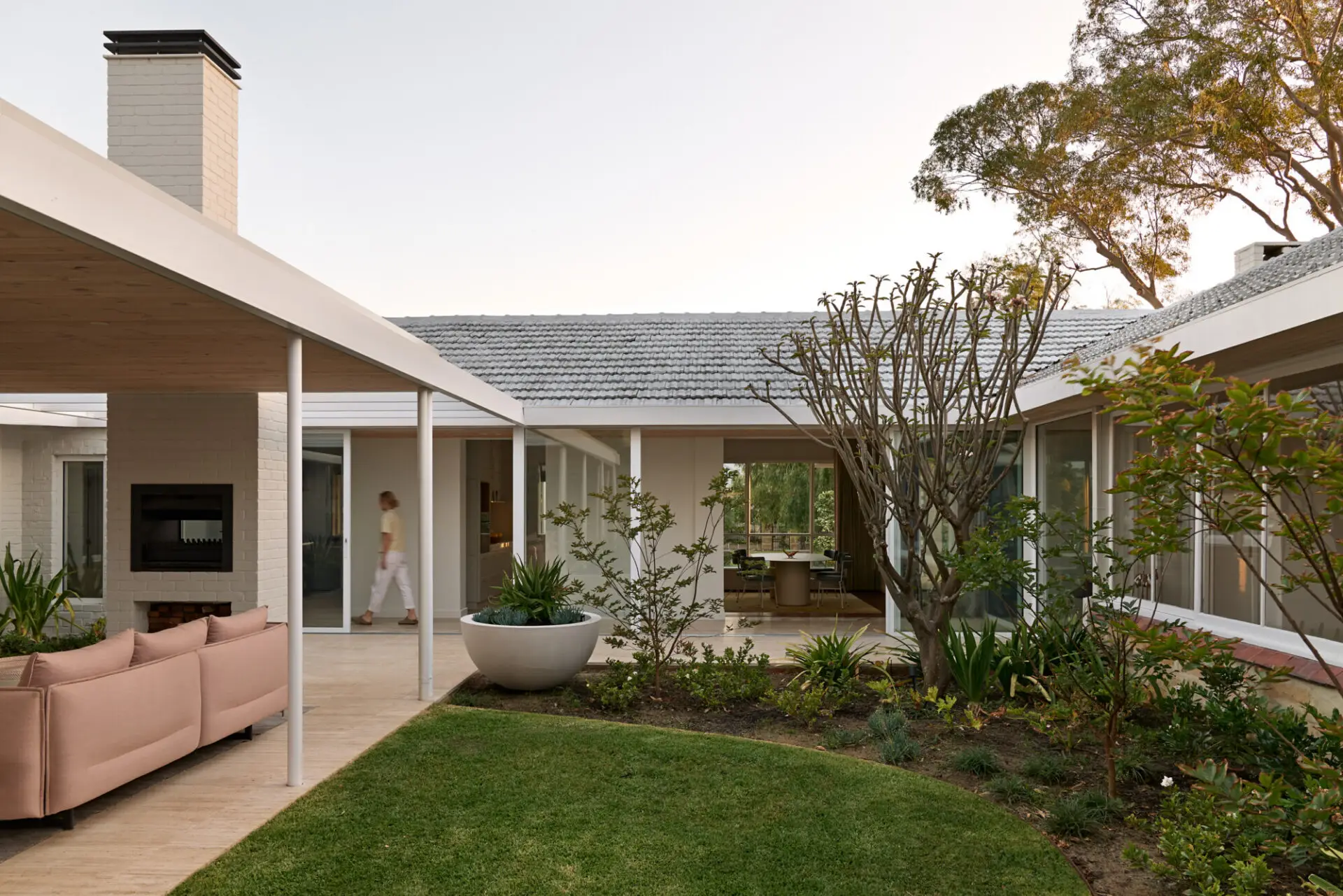
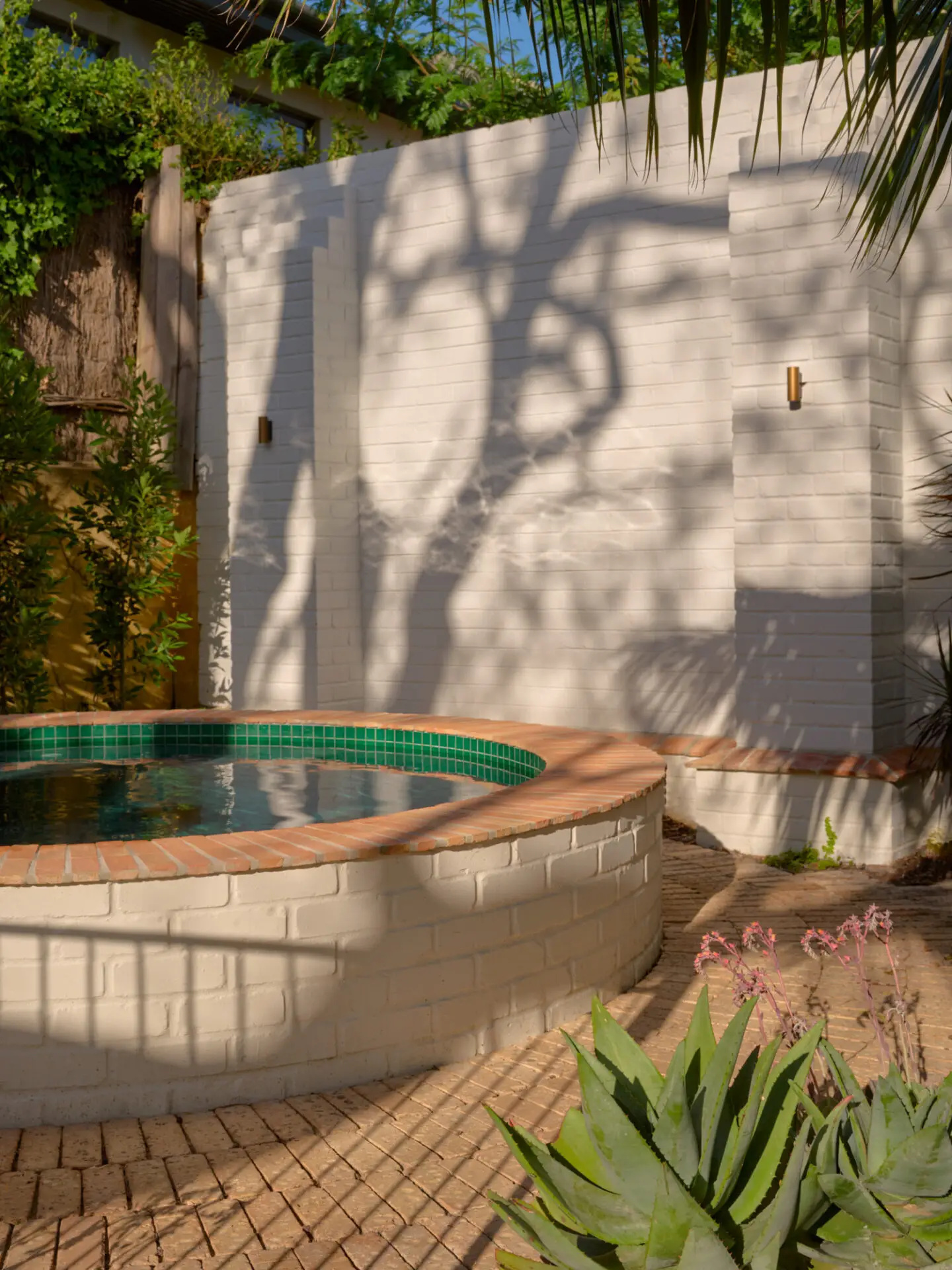
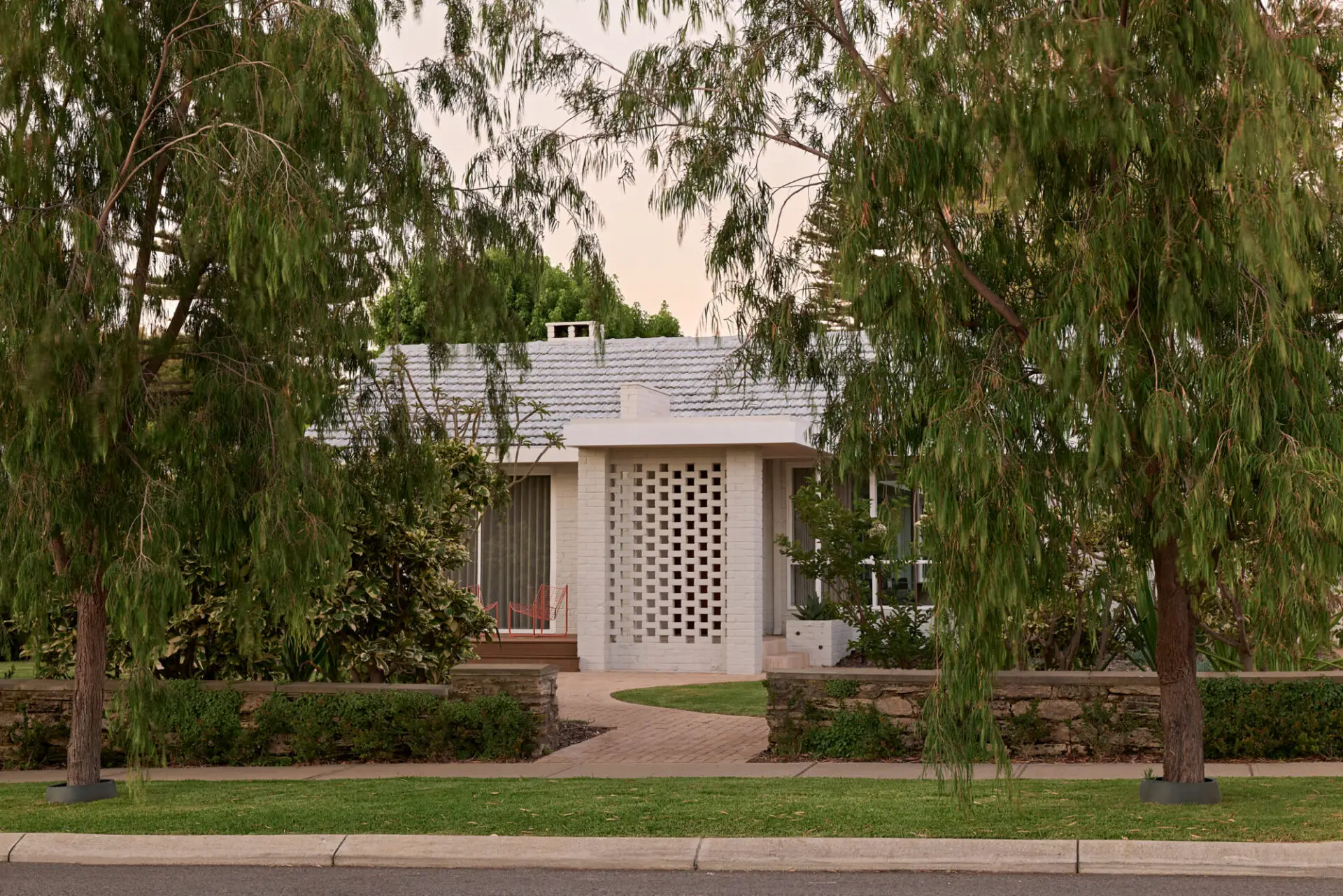
Clifton house was built in 1951 by Marshall Clifton and is an example of his approach of suburban vernacular with Spanish
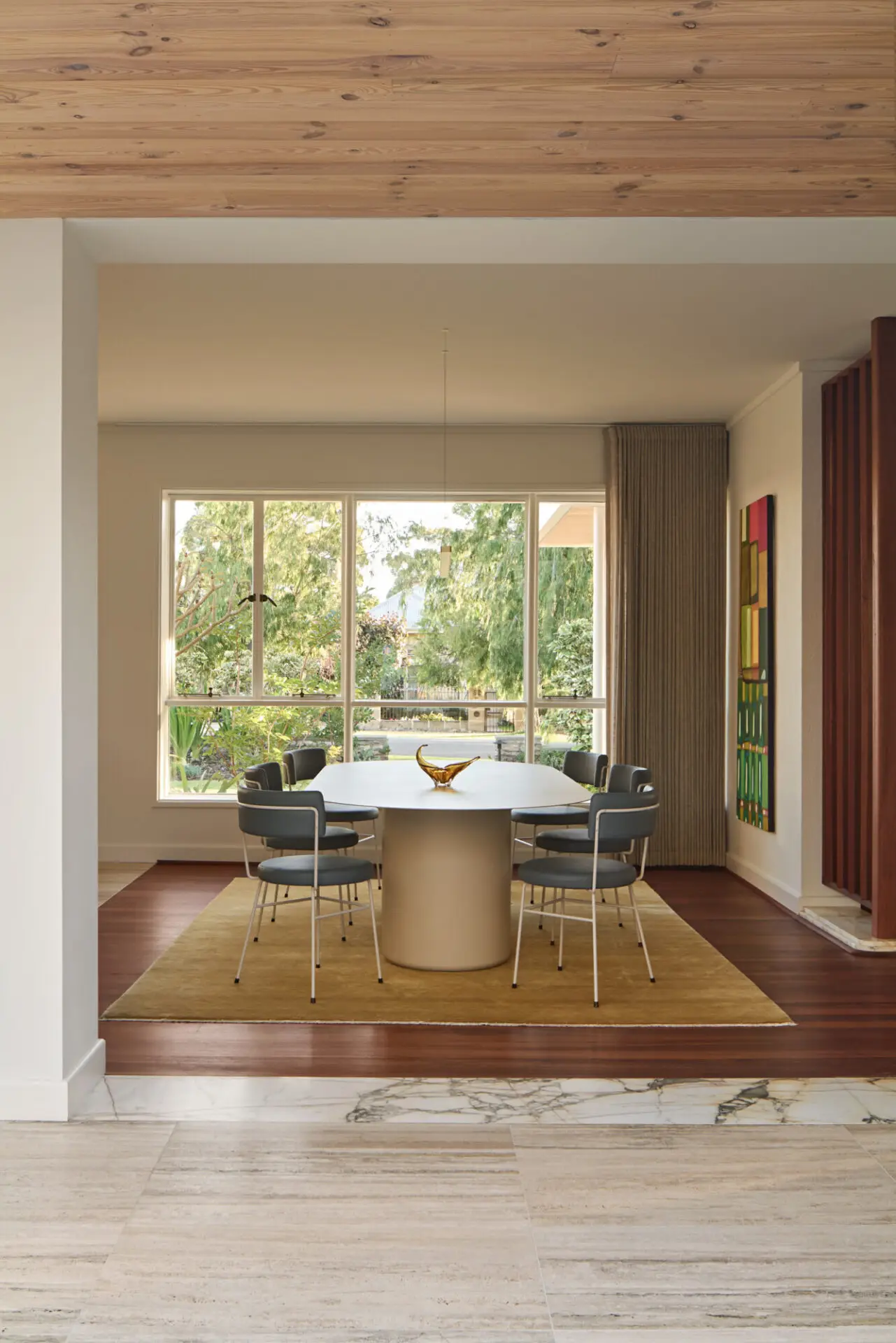
details. Constructed with clinker bricks painted white, terracotta window sills, white cement roof tiles and baltic pine eaves.
Renovations over the years had seen additions that layered the house and its reading to the street and the experience of
the courtyard.
Our task was to balance the careful peeling back of layers to the house while also providing new functional requirements for
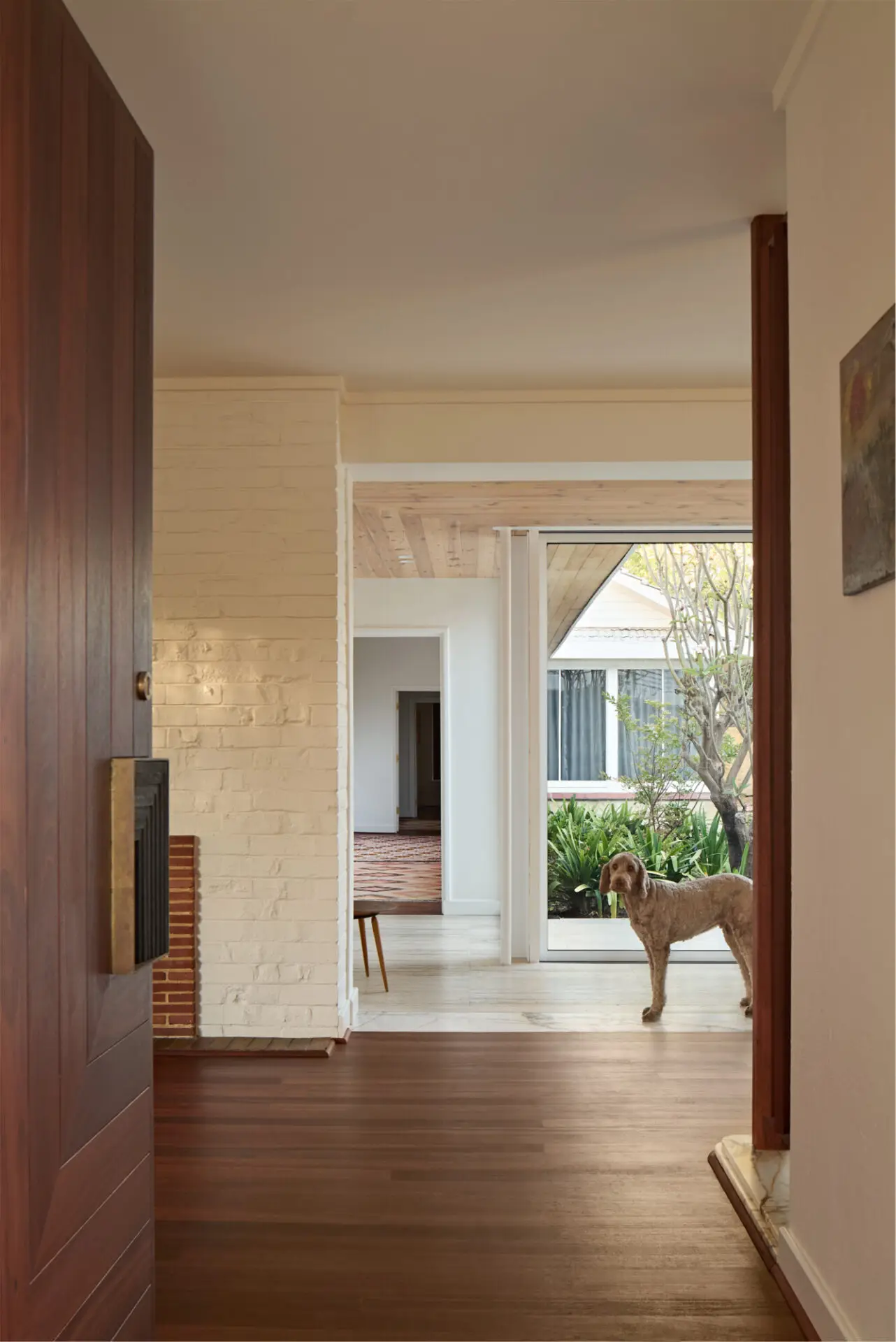
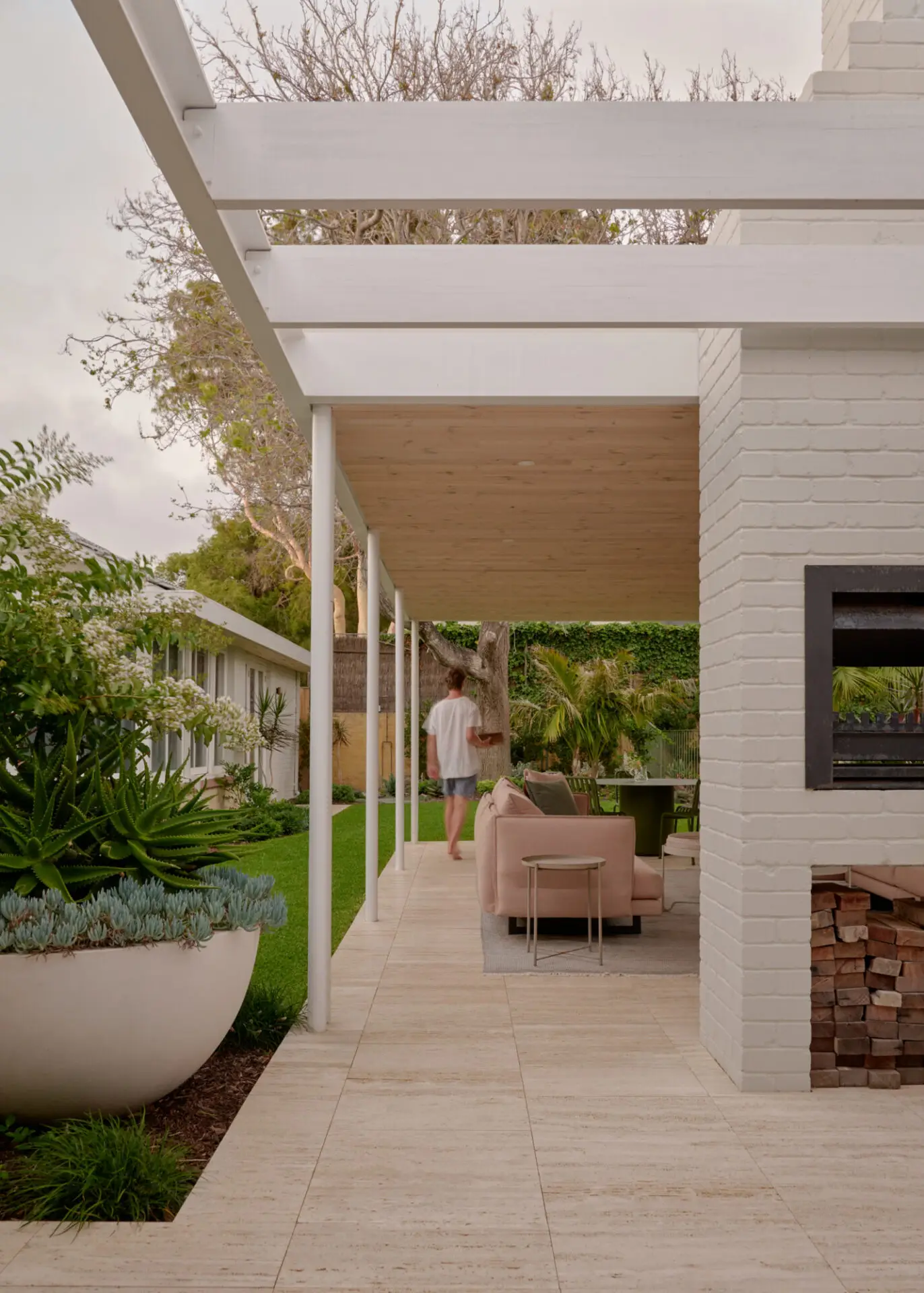
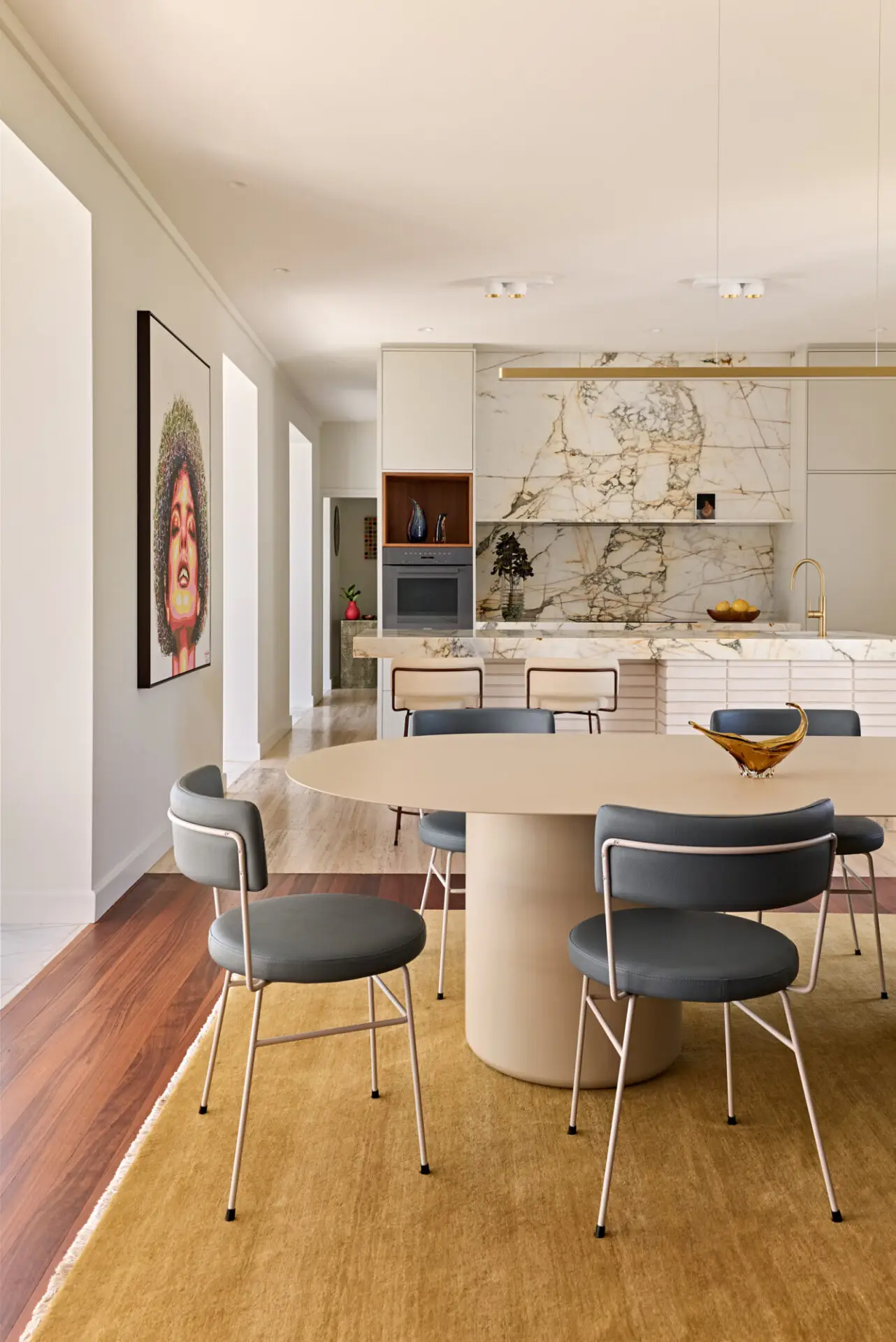
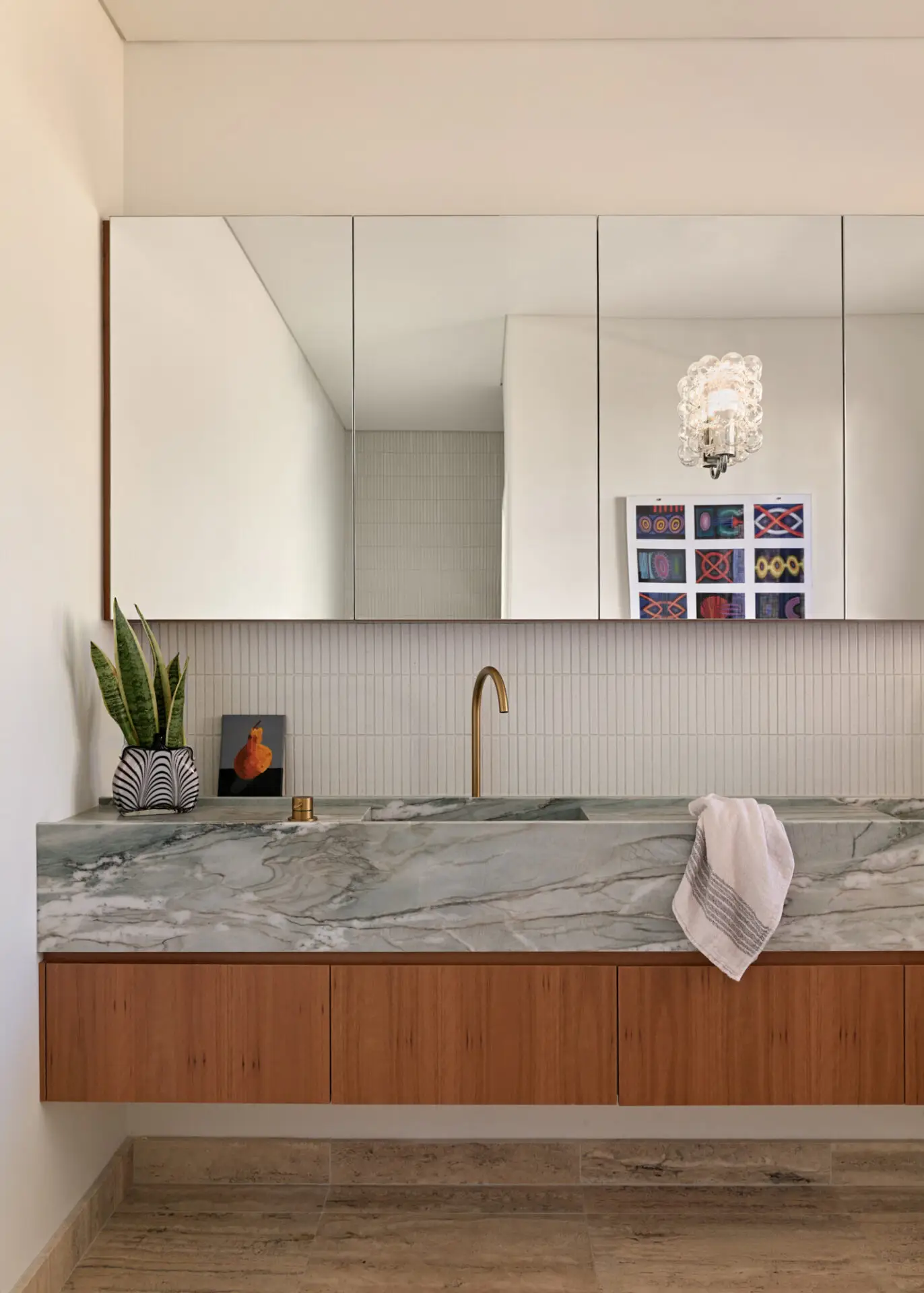
a modern family. Existing entry and carport were removed while new entry, alfresco and wet room spaces were added while
maintaining the condition of the courtyard and restoring the street presence. Adding new spaces while reinforcing
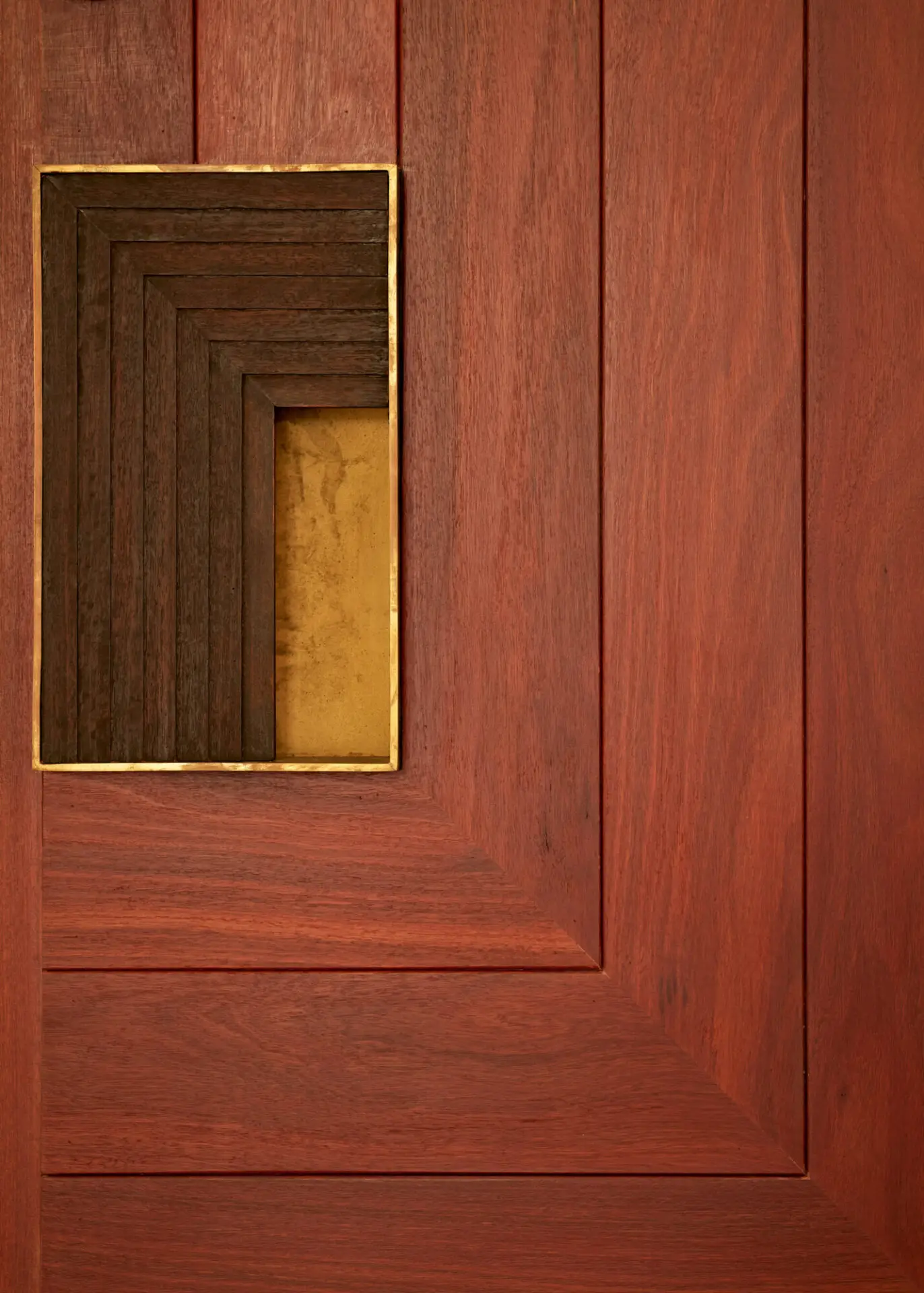
connections to the courtyard area through careful insertions and subtractions throughout the house. Materiality defines the
extent of new work and borrows from Clifton in an exchange of new and old.
Award for Residential Architecture – Houses (Alterations and Additions)
Clifton House demonstrates a considered and disciplined approach to the adaptation of an original 1951 Marshall Clifton-designed dwelling. The project retains the essential spatial and atmospheric qualities of the original courtyard house, allowing its simple linear form and vernacular character to remain clearly legible.
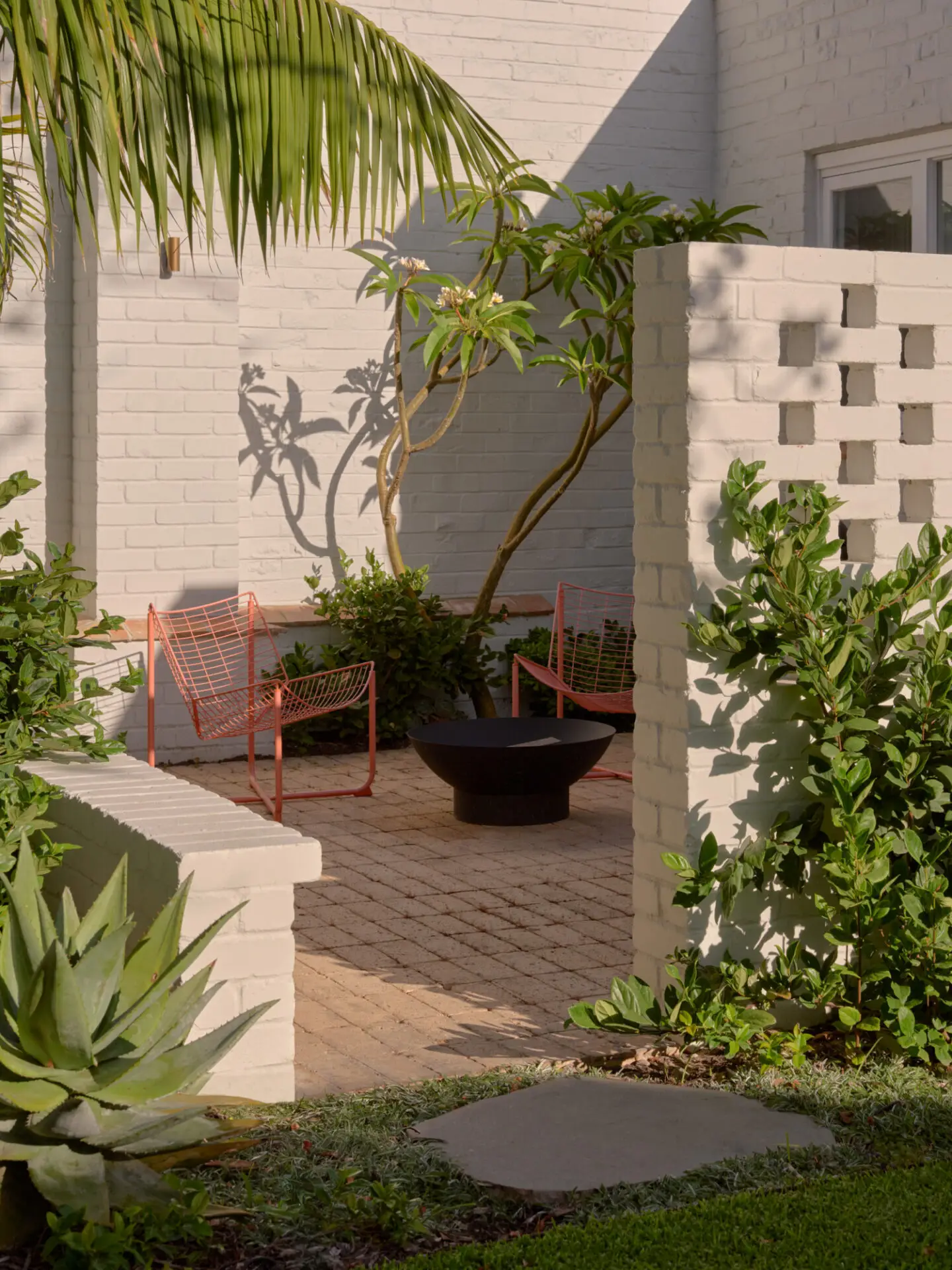
Reorganisation around the main courtyard, supported by new sympathetically designed landscape insertions, improves light, ventilation and connection to landscape, reinforcing the informal, garden-oriented domesticity inherent in Clifton’s work. These moves feel purposeful, extending the logic of the existing house while accommodating contemporary living.
As an alteration and addition, it extends the life of the house while maintaining its understated identity, demonstrating a measured and respectful approach to working with existing architecture. The project reflects a deep understanding of the original design intent, ensuring new interventions enhance rather than diminish the qualities that define the house.
Its strength lies in its clarity, restraint and sensitivity, offering a refined model for adapting mid-century architecture for contemporary use.
EmAGN Project Award
Clifton House is recognised for both the strength of its architectural outcome and the maturity of its project leadership, as demonstrated by project architect Jake Gethin. The project exemplifies how an emerging architect can combine considered design thinking with disciplined delivery, innovation, and clear communication to achieve lasting value for both client and practice.
Central to the jury’s assessment was Jake’s introduction of a refined methodology for project delivery that prioritised transparency, early education of the client, and rigorous cost management. This approach not only guided the successful delivery of Clifton House but has also had a broader impact on the way Matthew Crawford Architects approaches future projects, representing meaningful innovation within the practice.
The project balances sensitive heritage adaptation with contemporary living, achieved through careful insertions, material restraint, and a deep respect for the existing fabric. Equally compelling was the clarity and confidence with which the client was engaged throughout the process, fostering trust and informed decision-making.
Clifton House stands as a compelling example of emerging leadership, demonstrating how thoughtful methodology, communication maturity, and design intelligence can shape both an individual project and the future of practice.
Client perspective