
palawa
Tasmania
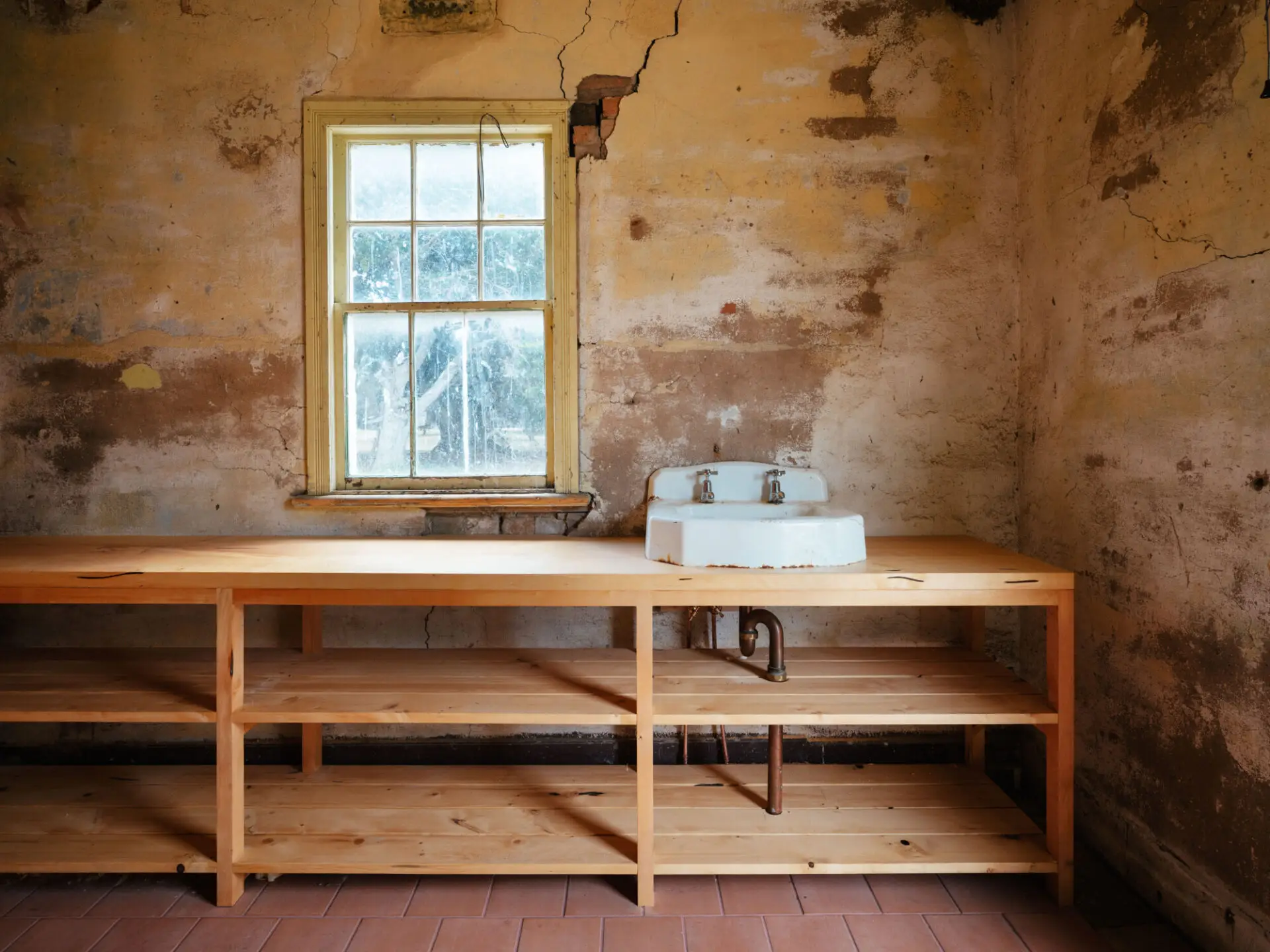
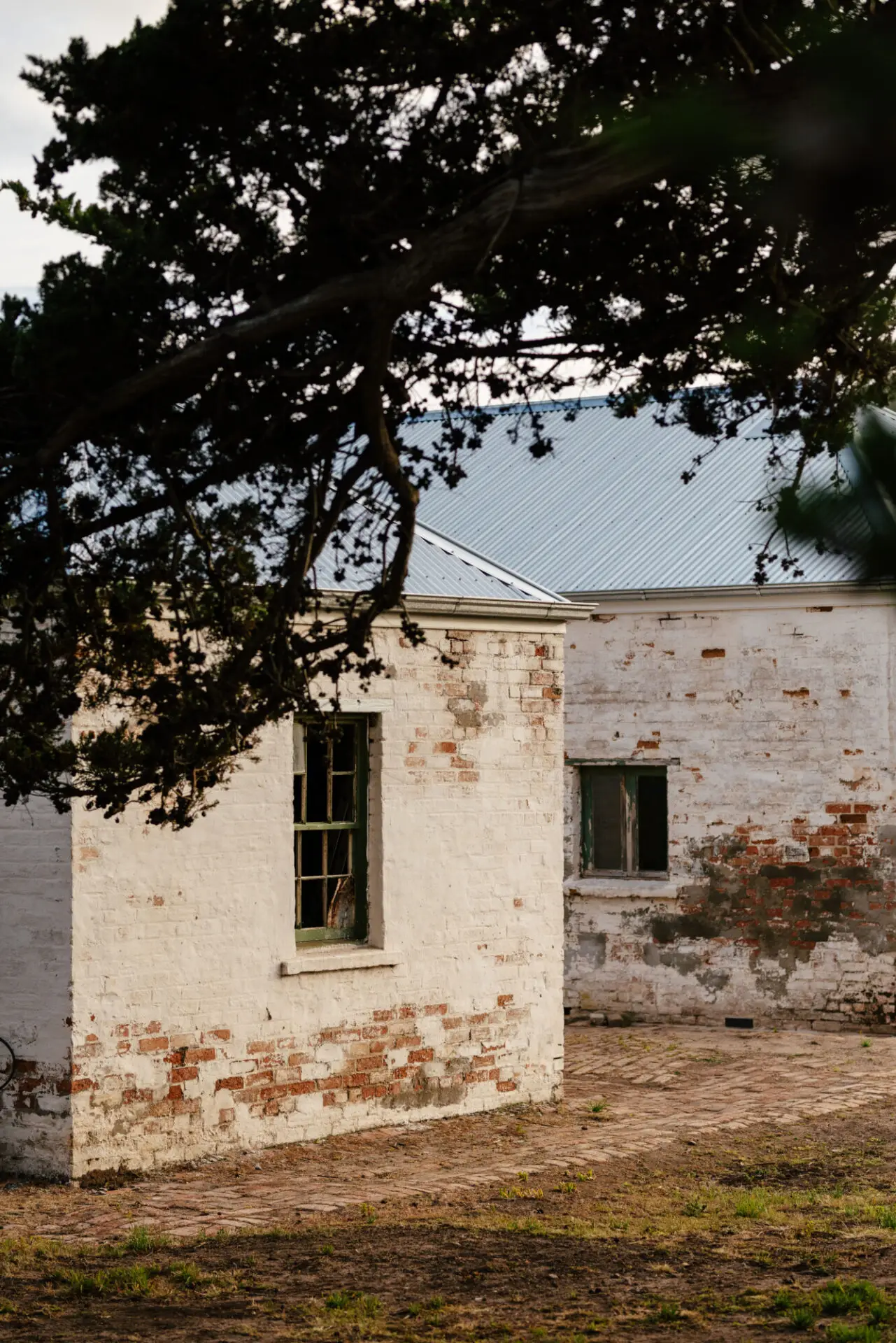
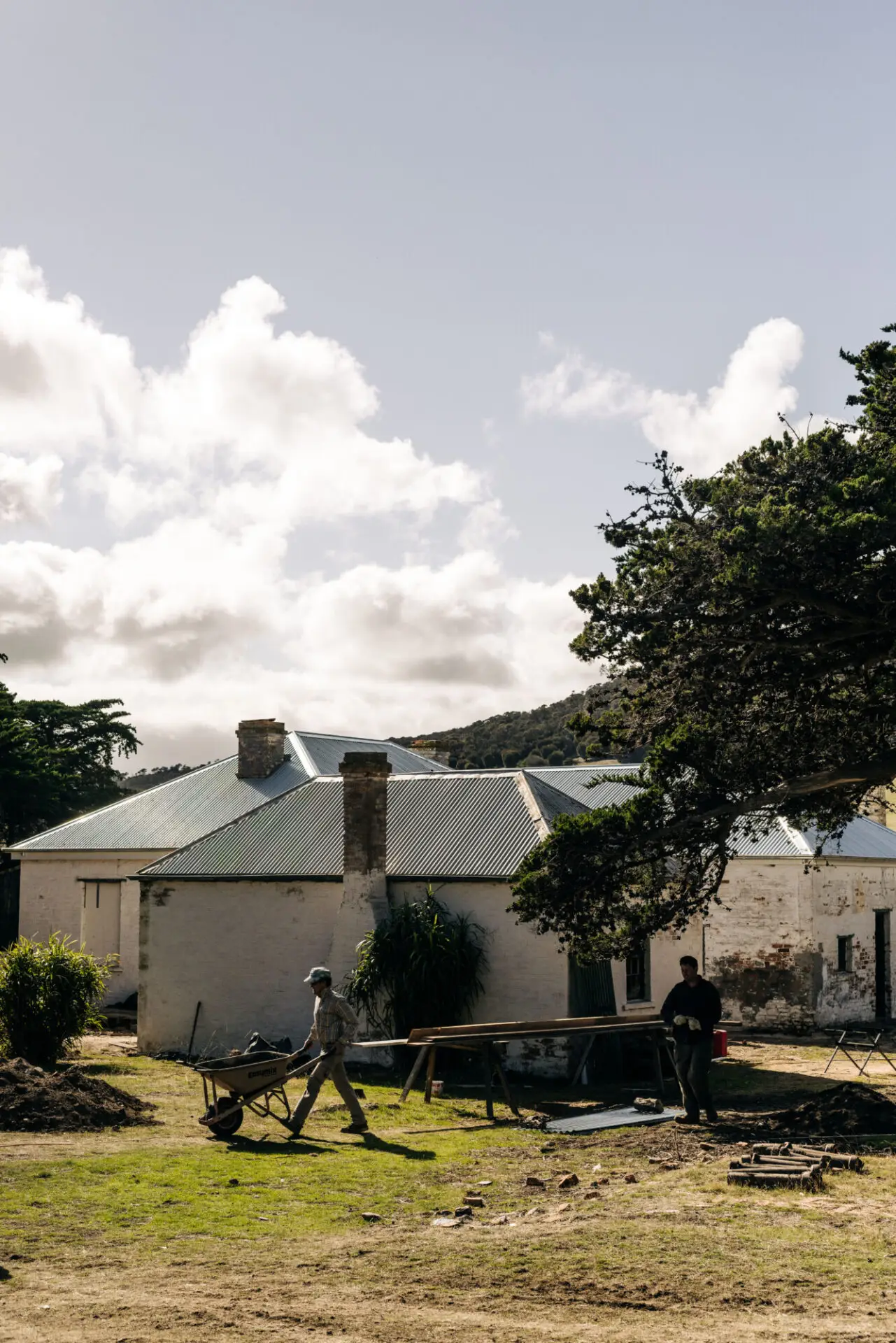
Wybalenna is a sacred and painful place. Australia’s First Mission site, it was an open-air concentration camp. Hundreds of Tasmanian Aborigines died and are buried there. After closure, Wybalenna’s history was suppressed. It moved through generations of agricultural use, with the chapel converted and burial grounds trampled for decades by grazing livestock. The current homestead, a Late Victorian cottage, stands atop the original ruins of the Commandant’s House. In the 1980s and 1990s, Aboriginal families staged a sit-in protest, leading to the return of Wybalenna in 1999. Despite its cultural significance, discomfort and inadequate amenity have limited community use. Recent truth-telling efforts by the Aboriginal Land Council of Tasmania have focussed on homestead remediation. Incorporating donated elements, the remediation prioritises cultural comfort. The architectural approach diverges from standard heritage practice, fostering a space that acknowledges and empathises, supports well-being, and centres Aboriginal perspectives.
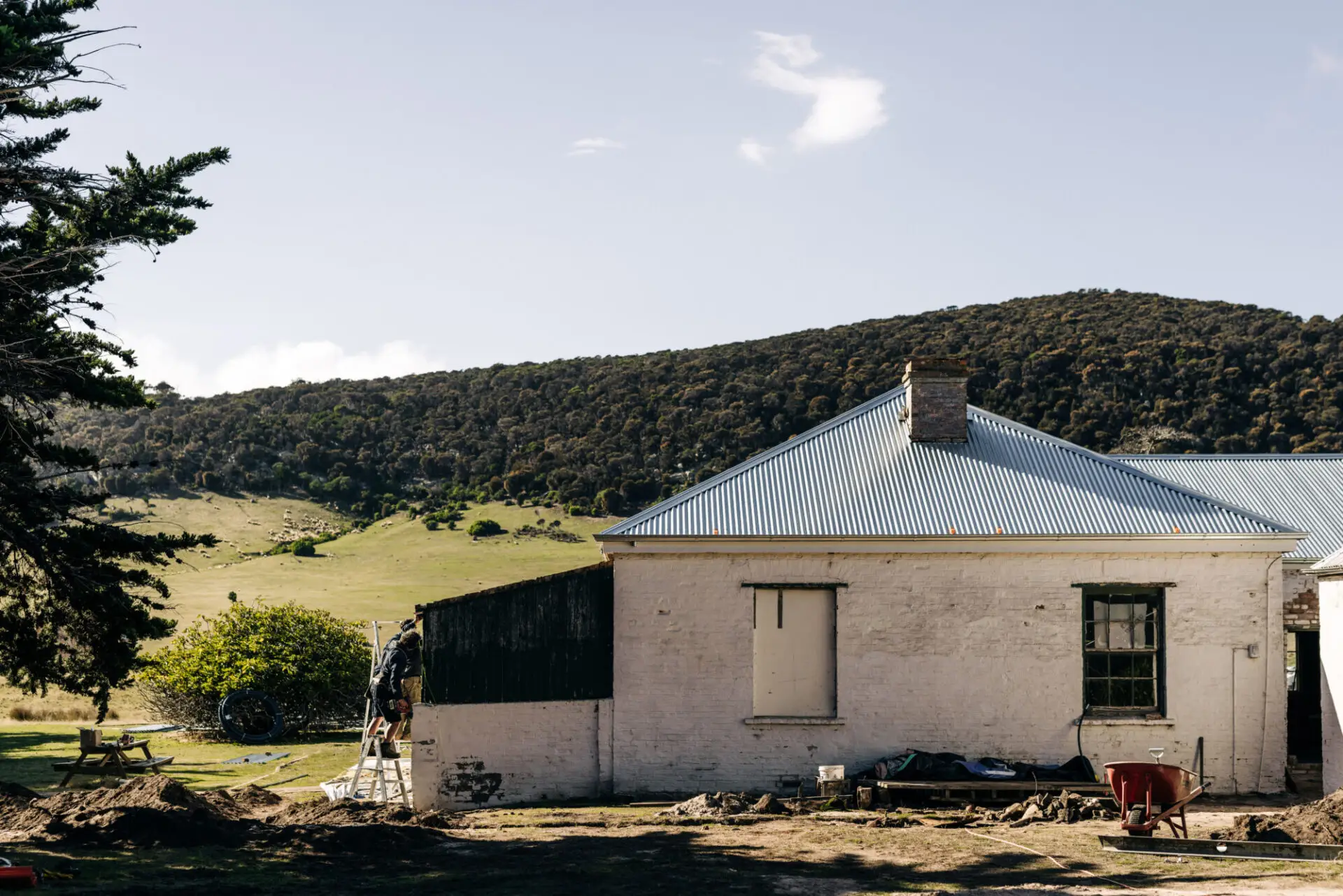
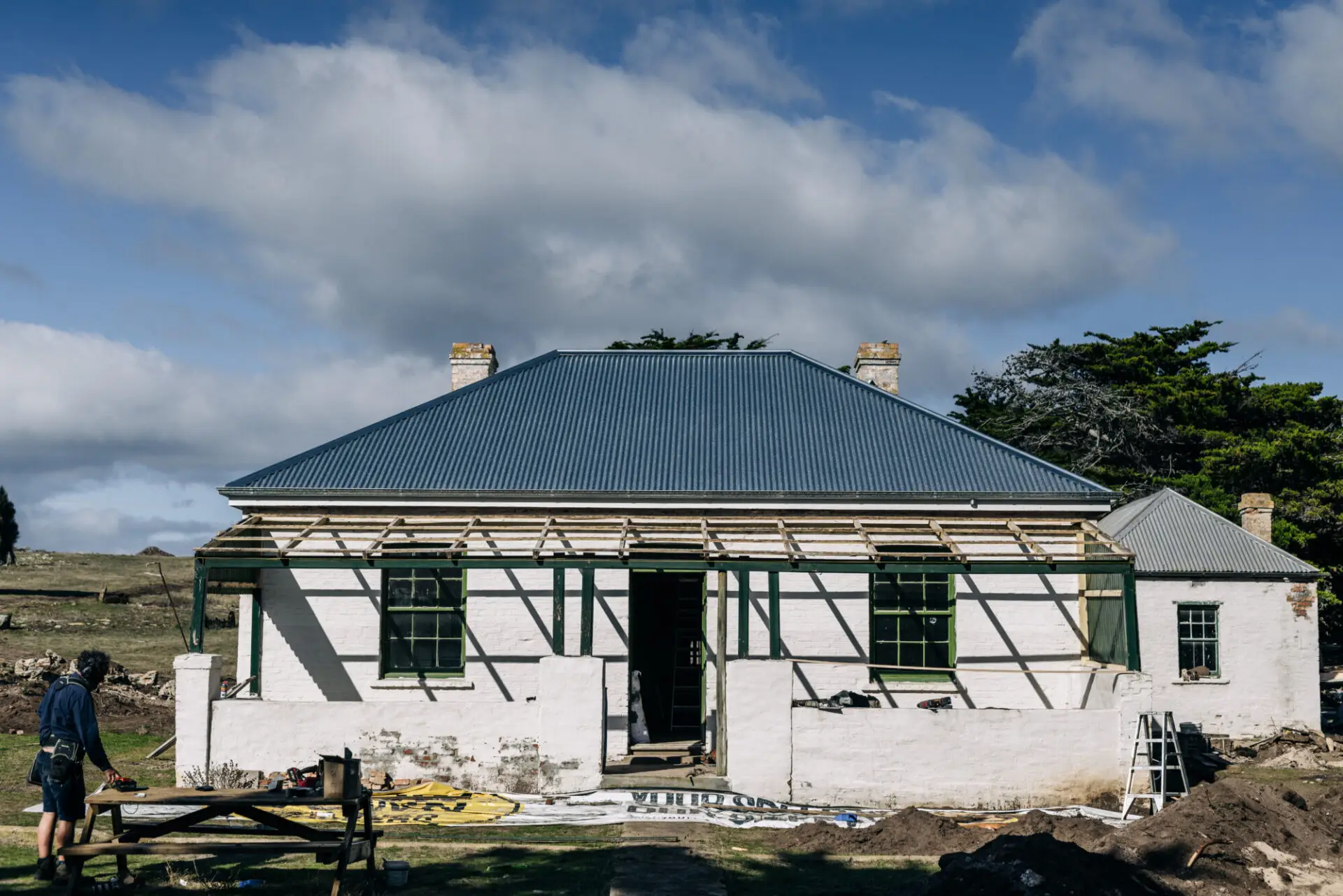
Wybalenna, on Flinders Island in the Bass Strait, is a site of genocide. It is the place to which the Indigenous survivors from the Black War of 1824-32 were systematically rounded up, transported, incarcerated, and left to die. Forty thousand years of an unbroken culture came to a grim terminus in unmarked graves on a windswept field. It is a haunted place.
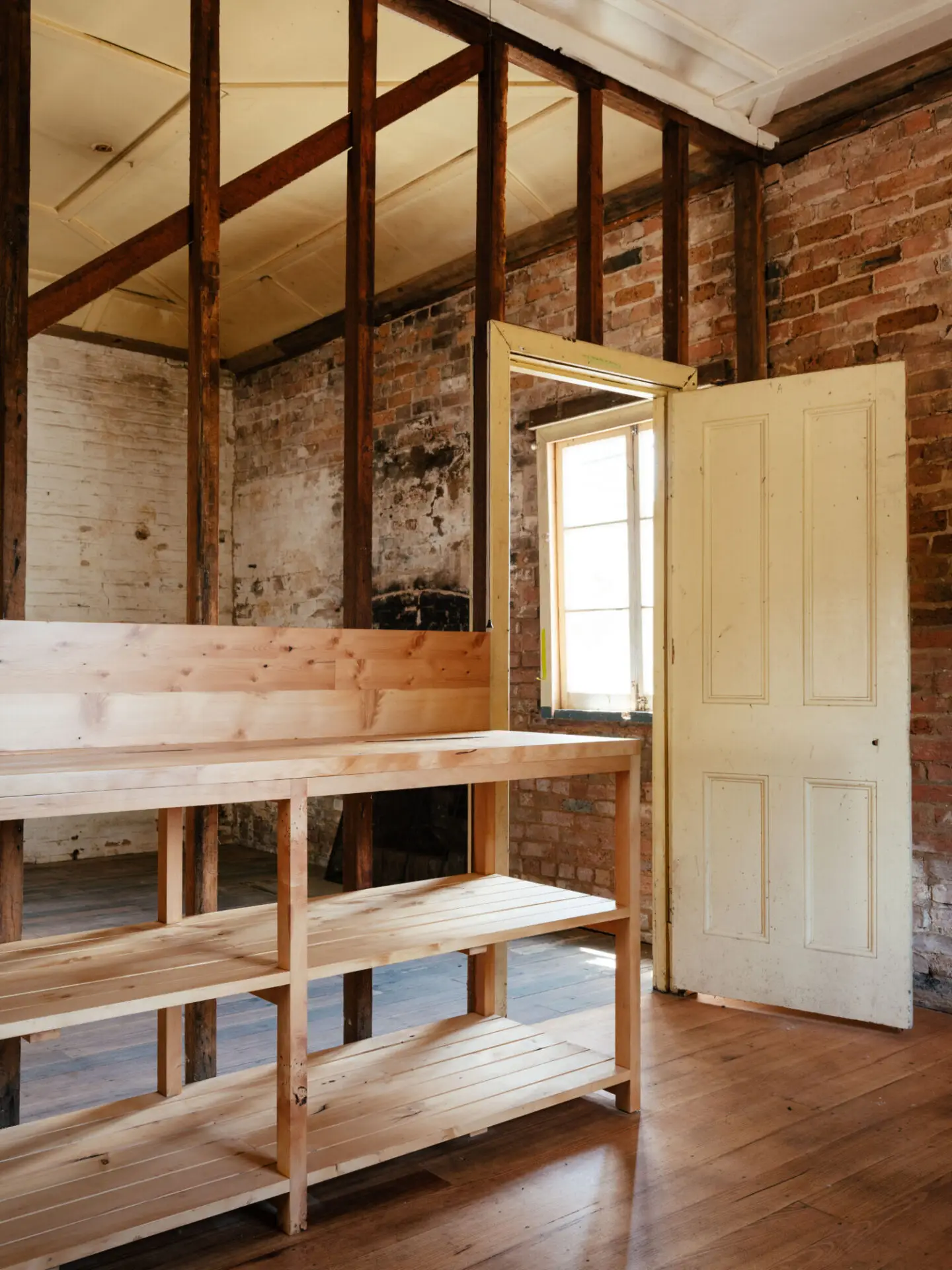
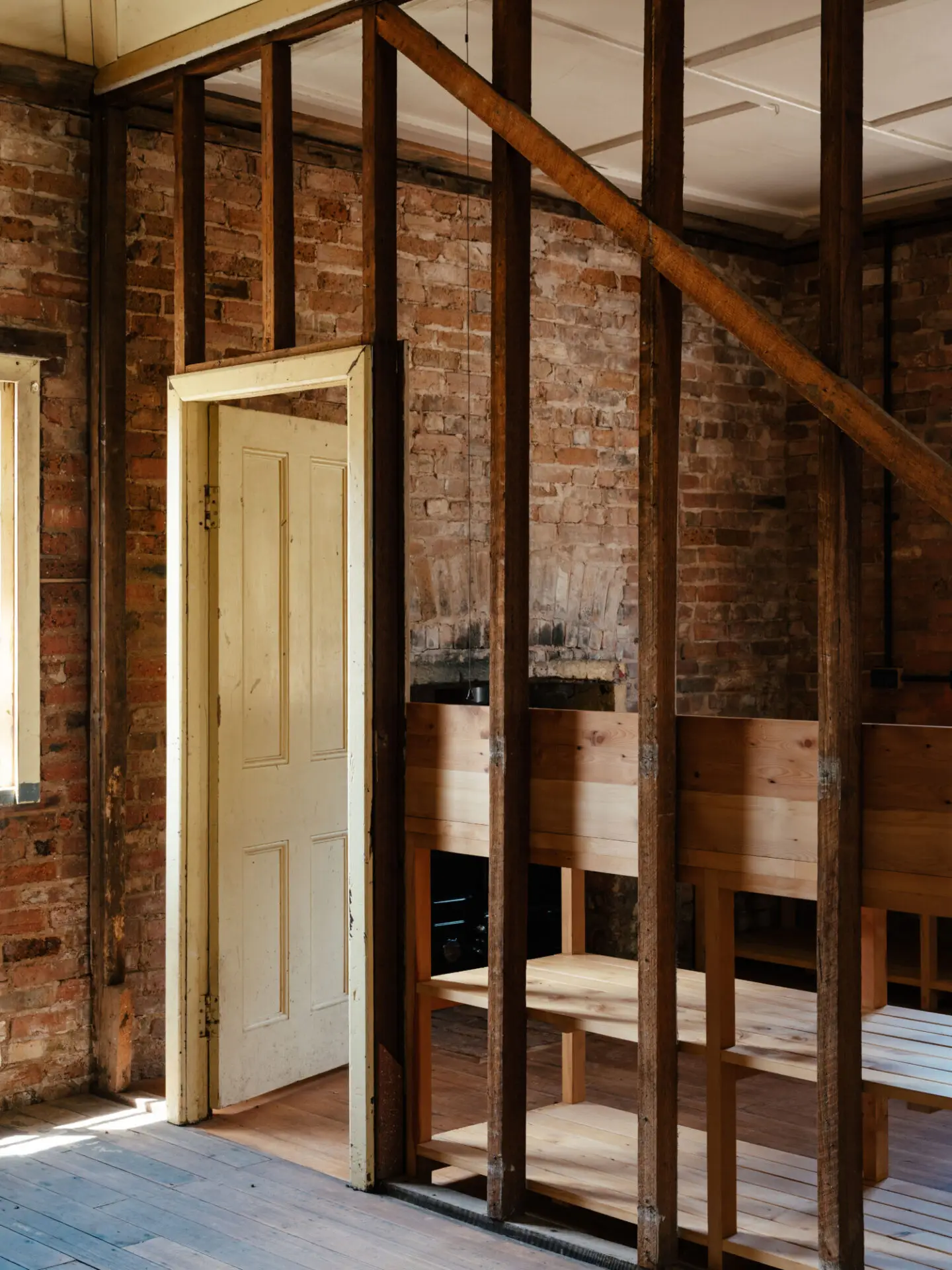
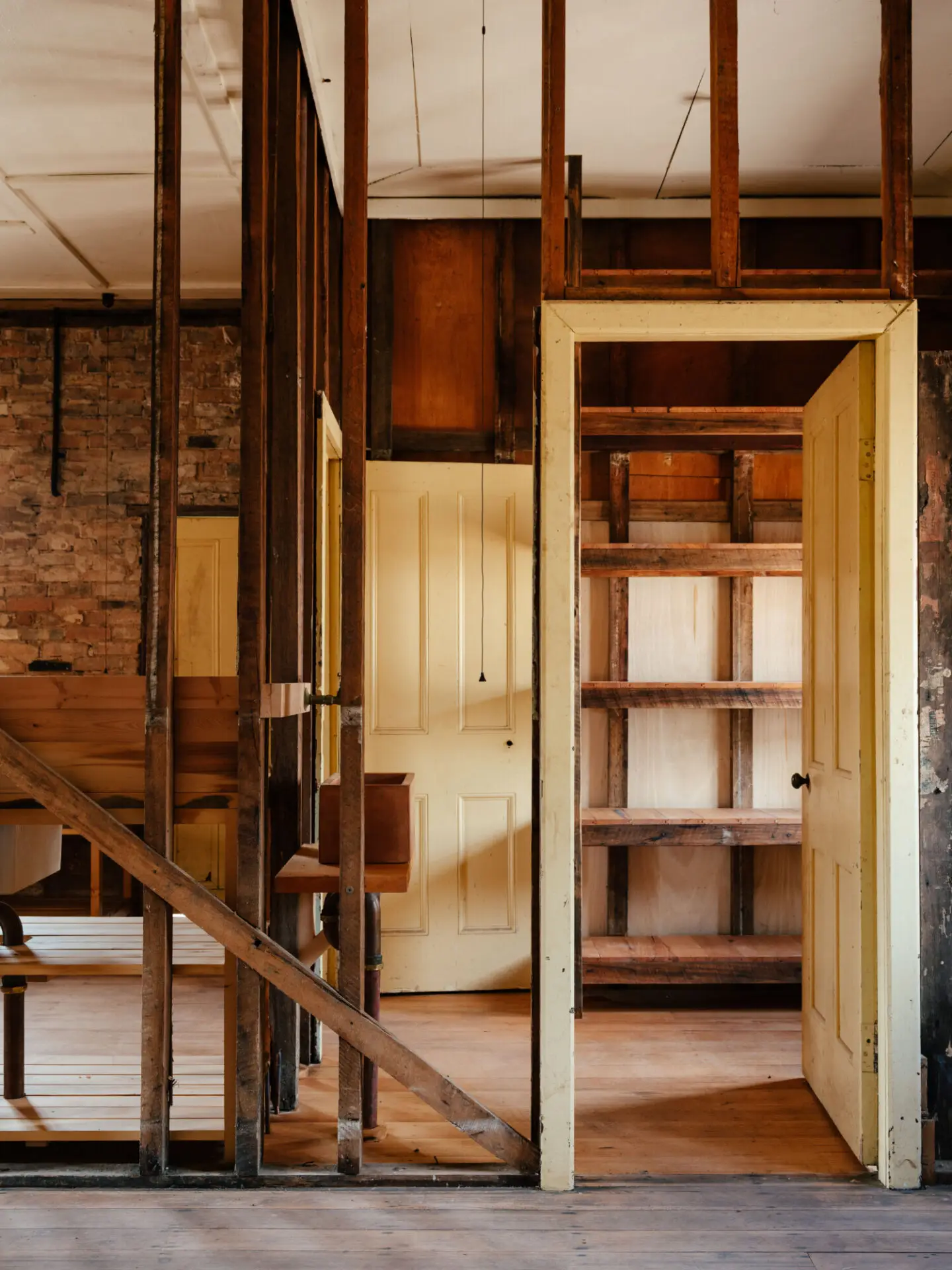
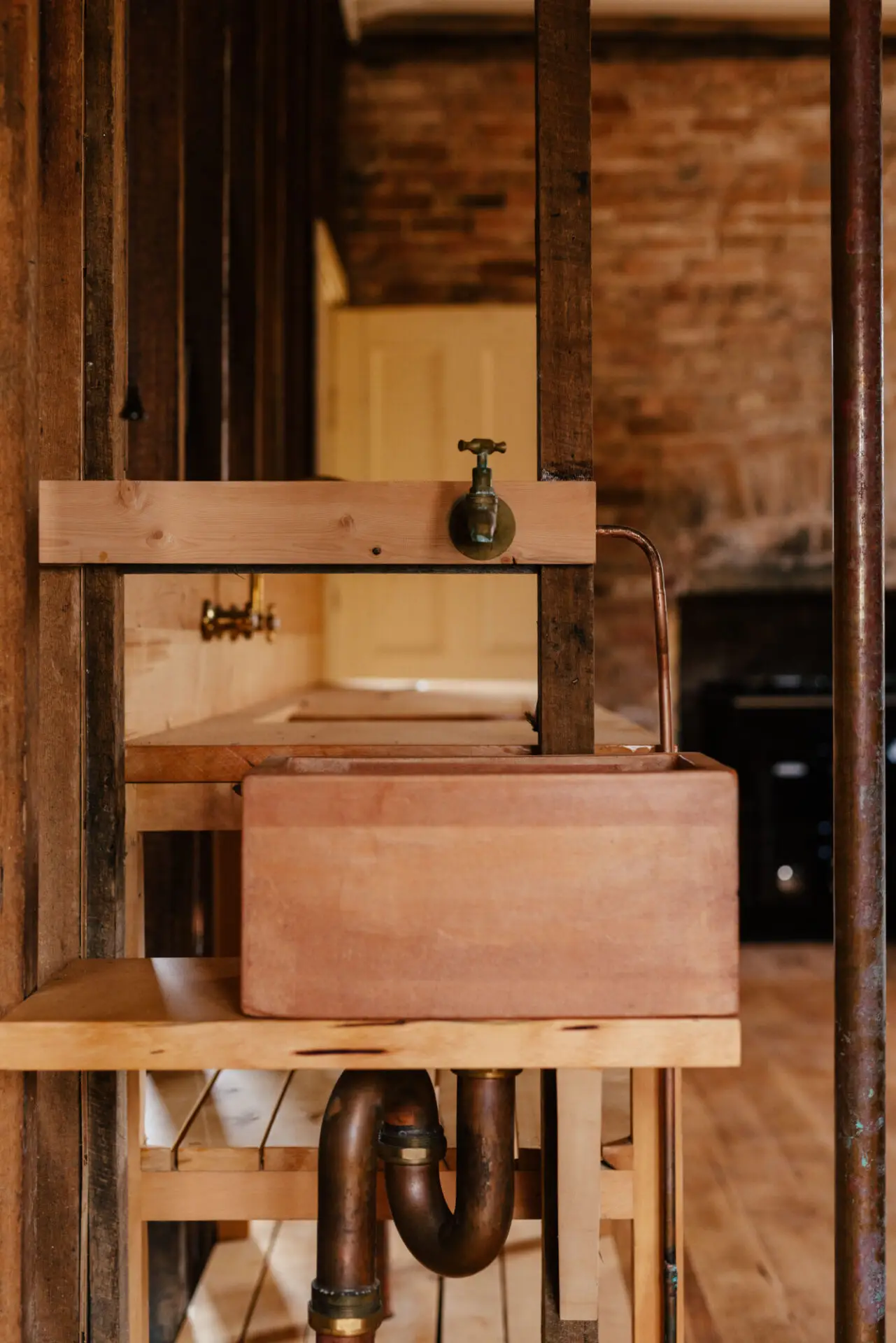
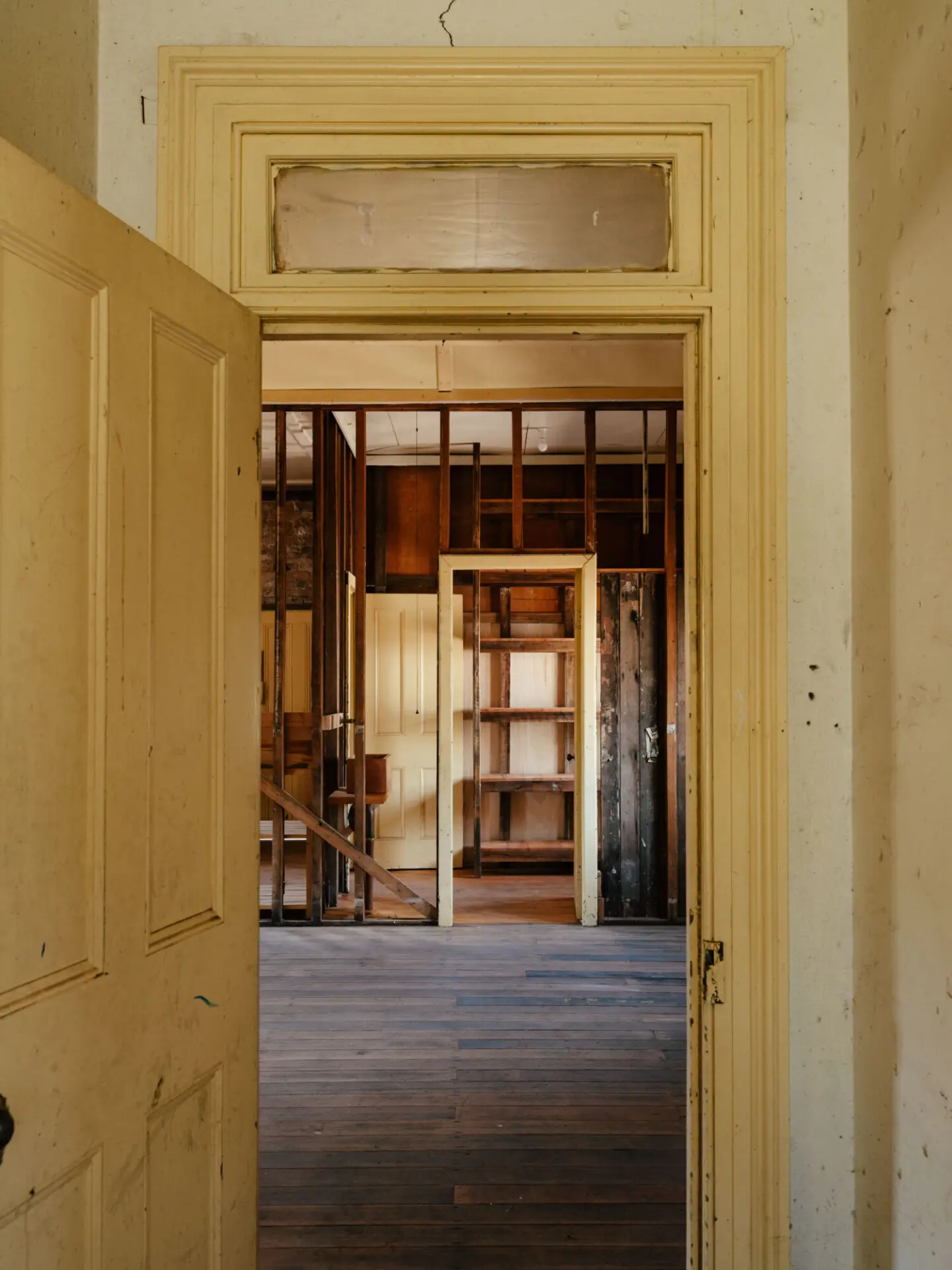
Heritage, at its core, is concerned with how the past is connected to and revalued in the present. At the homestead at Wybalenna, this is achieved through ‘unbuilding’ – the removal of plaster and wallboard, stabilisation of underlying brick and timber, and sleeving in the basic infrastructure of storage and ablutions noble in craft and material – to support temporary reoccupation. It is a painstaking unpicking of the Master’s house, directed by those who once were his prisoners.
In the stripping back of the original building, trauma is both re-enacted and exorcised. In removing the colonial layers to reveal the bricks that once confined the original people of lutruwita Tasmania, a direct human connection is reinstated across a gulf of pain and time through architecture. In awarding the named award in this category, the Jury seeks to acclaim an approach to heritage not as preservation, but as reclamation and redemption.
Tasmanian Architecture Medal
For too many nations, there is a place where the traumas of history congeal as architecture. For lutruwita/Tasmania, that place is Wybalenna, site of the colonial internment of Aboriginal Tasmanians – an Australian genocide.1
Two architectural acts have been made on this haunted ground: an unbuilding and a building.
The old Homestead has been unbuilt, its layers of colonial occupation peeled away, disinterring the timber bones and brick flesh of the building. Minimal insertions, made of raw and noble materials, are sleeved into the remnant spaces. This is architecture as excavation, a taking away in order to give back, making space for remembrance, reclamation and reoccupation.
The Ablutions, most humble of functions, enacts the counterpoint: building. This simple raised pavilion, built entirely of oxidised steel, has the bearing of a delicate monument. With ochre colour and rounded forms the structure evokes the skin of ancestors adorned by ceremony and ritual. Its precise geometries bear time, like an ancient shell washed up from the depths.
Together, these interventions enact a quiet manifesto of architecture’s profound duty and promise. To give the past presence. To make the future tangible. To connect one another. To bear meaning and to heal trauma. They create a new foundation for this sacred place.
For all these reasons, the jury awards the Tasmanian Architecture Medal to Taylor & Hinds with the Aboriginal Land Council of Tasmania for the Homestead and Ablutions at Wybalenna.
1 Wybalenna Aboriginal Mission was explicitly reference by the Polish-Jewish lawyer Raphael Lemkin during the post-war establishment of the UN Genocide Convention.
"The quality of work undertaken for Truth Telling at Wybalenna would not have been achieved without the commitment and unwavering support of Taylor and Hinds (T&H) Architects. This significant effort is made on behalf of Tasmanian Aborigines, and the sacred memory of our Old People at Wybalenna.
T&H have helped deliver important amenity for our people at Wybalenna. They have worked carefully with the sacred reality of this place and have a deep understanding of the needs and aspirations of Tasmanian Aborigines that is second to none. T&H have worked with us, not for us, along this entire journey"
Client perspective