

Wurundjeri People of the Kulin Nation
Victoria
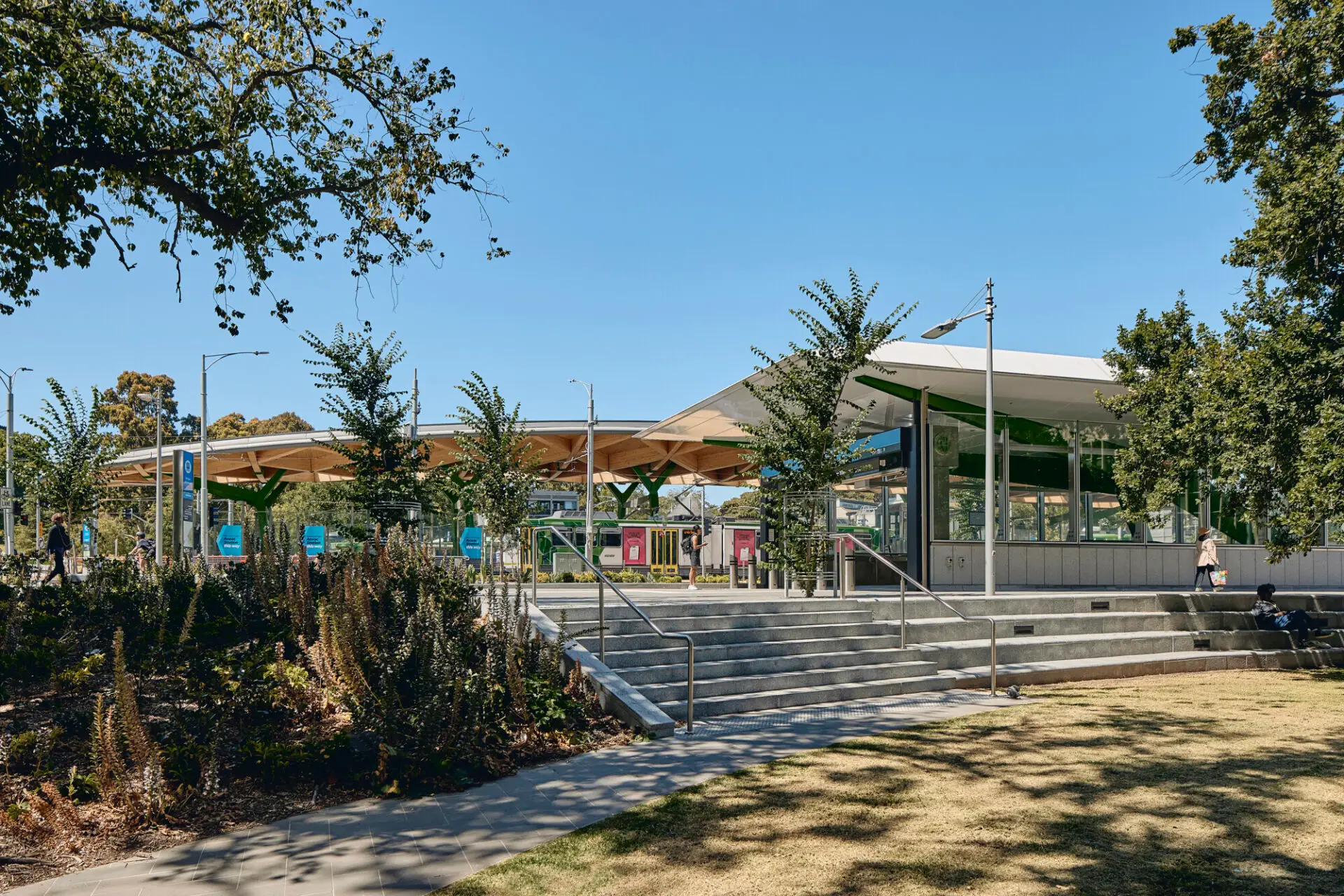
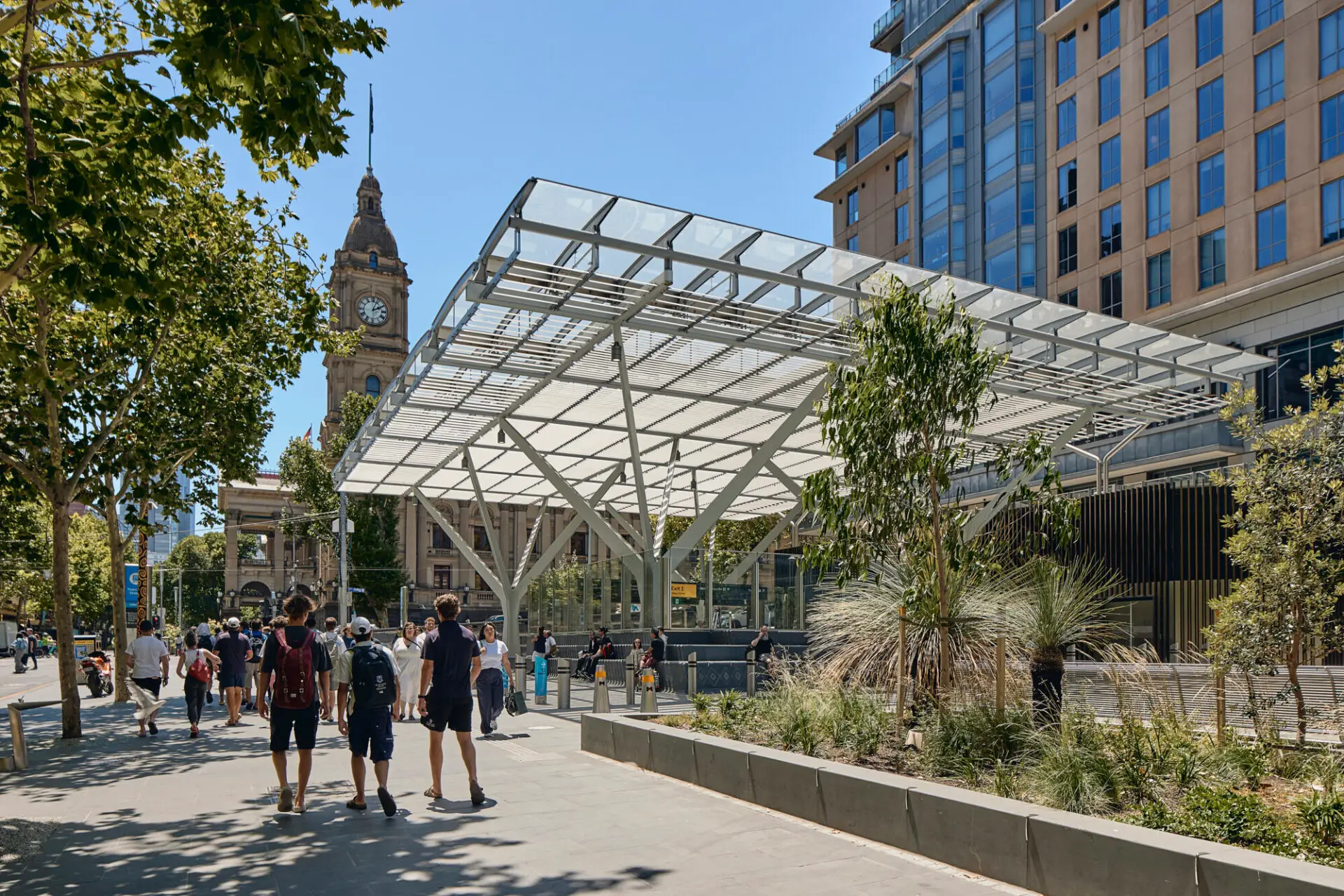
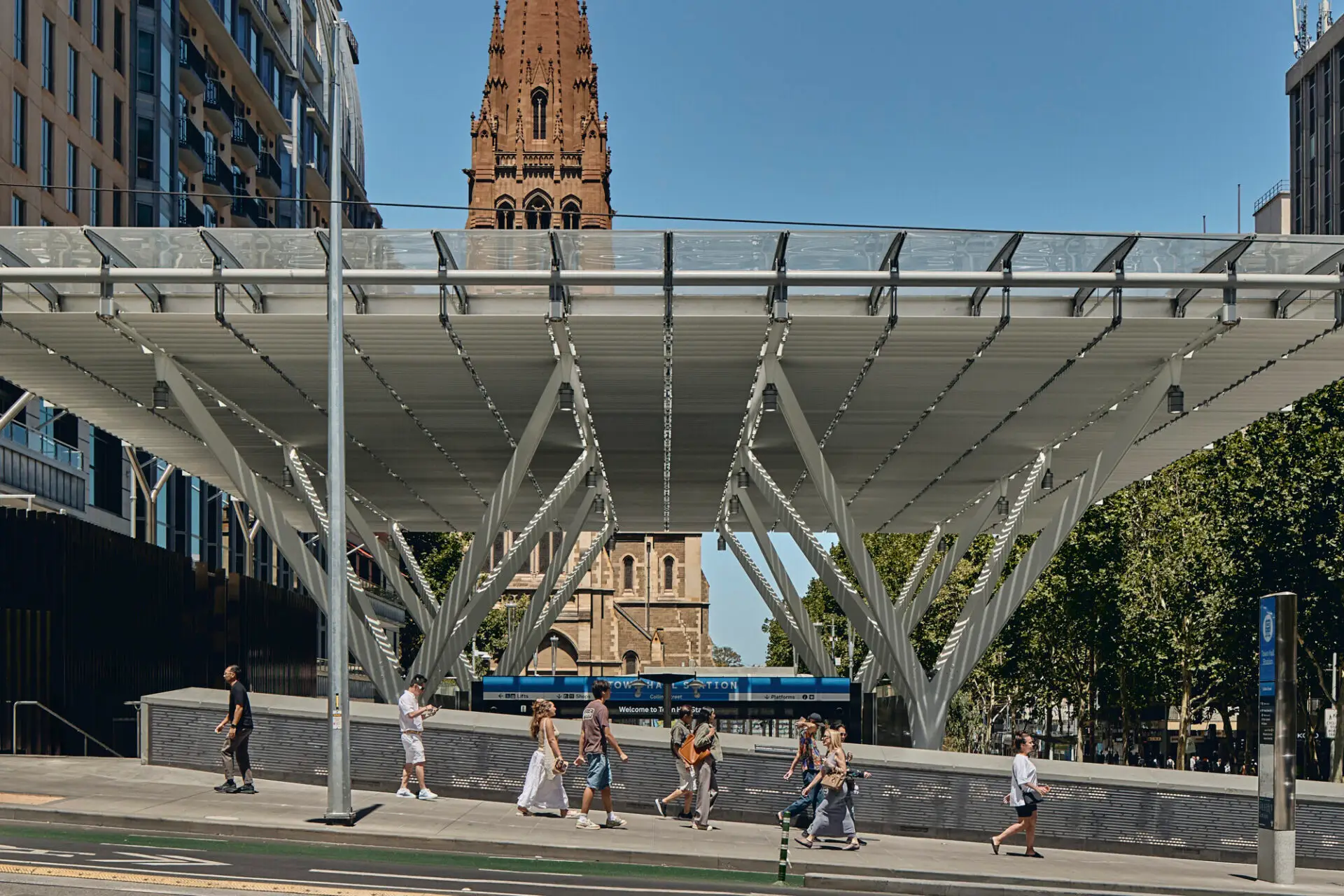
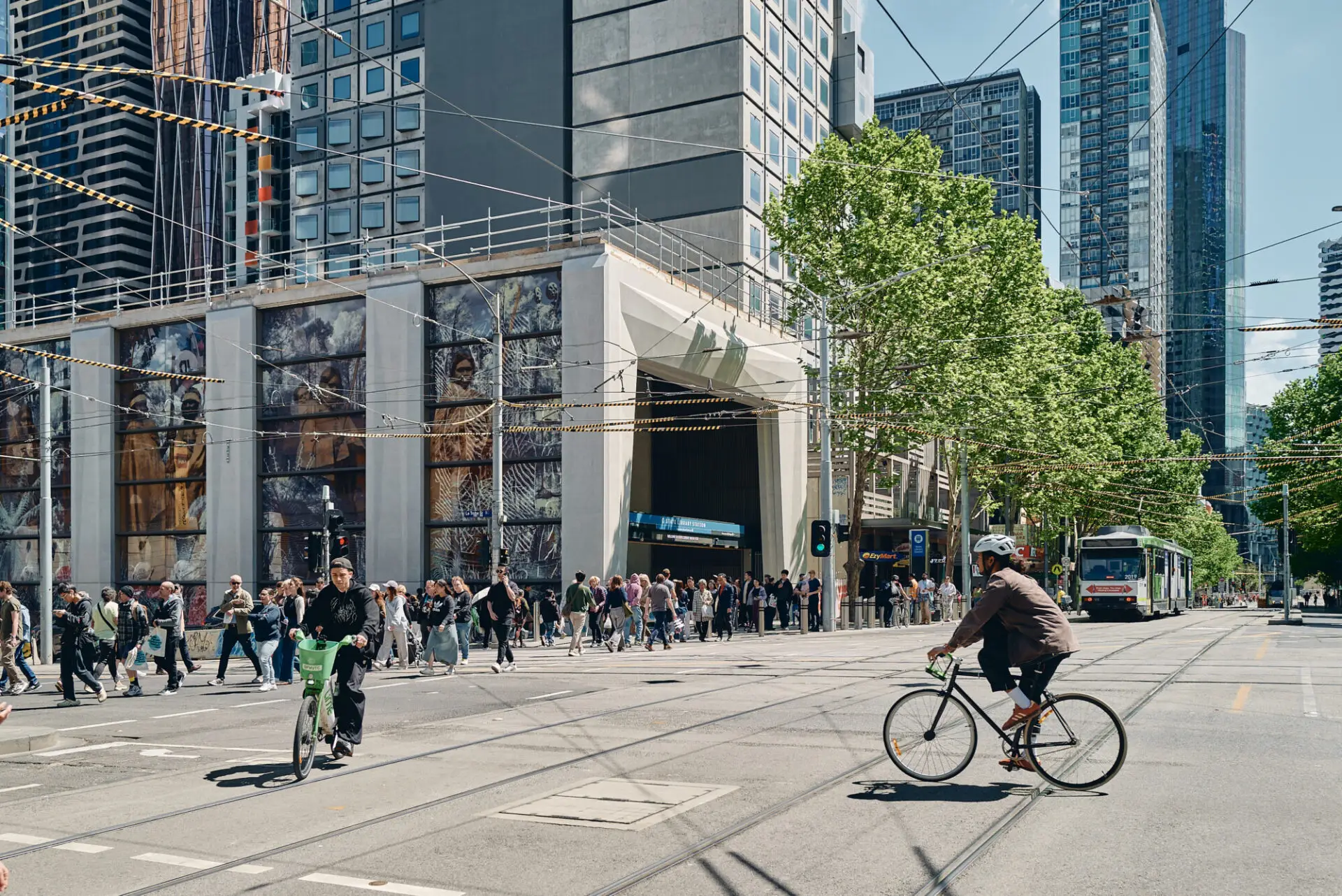
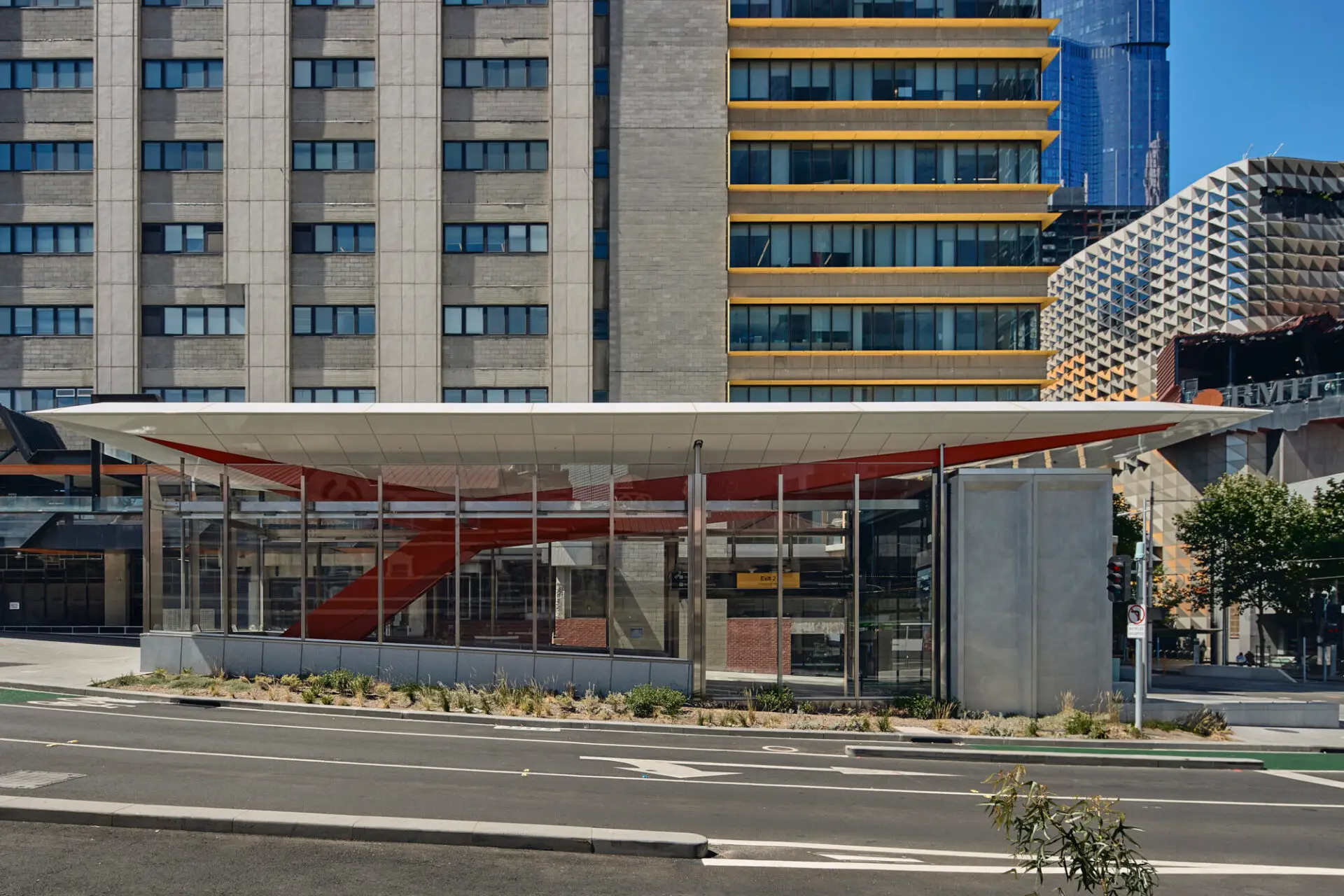
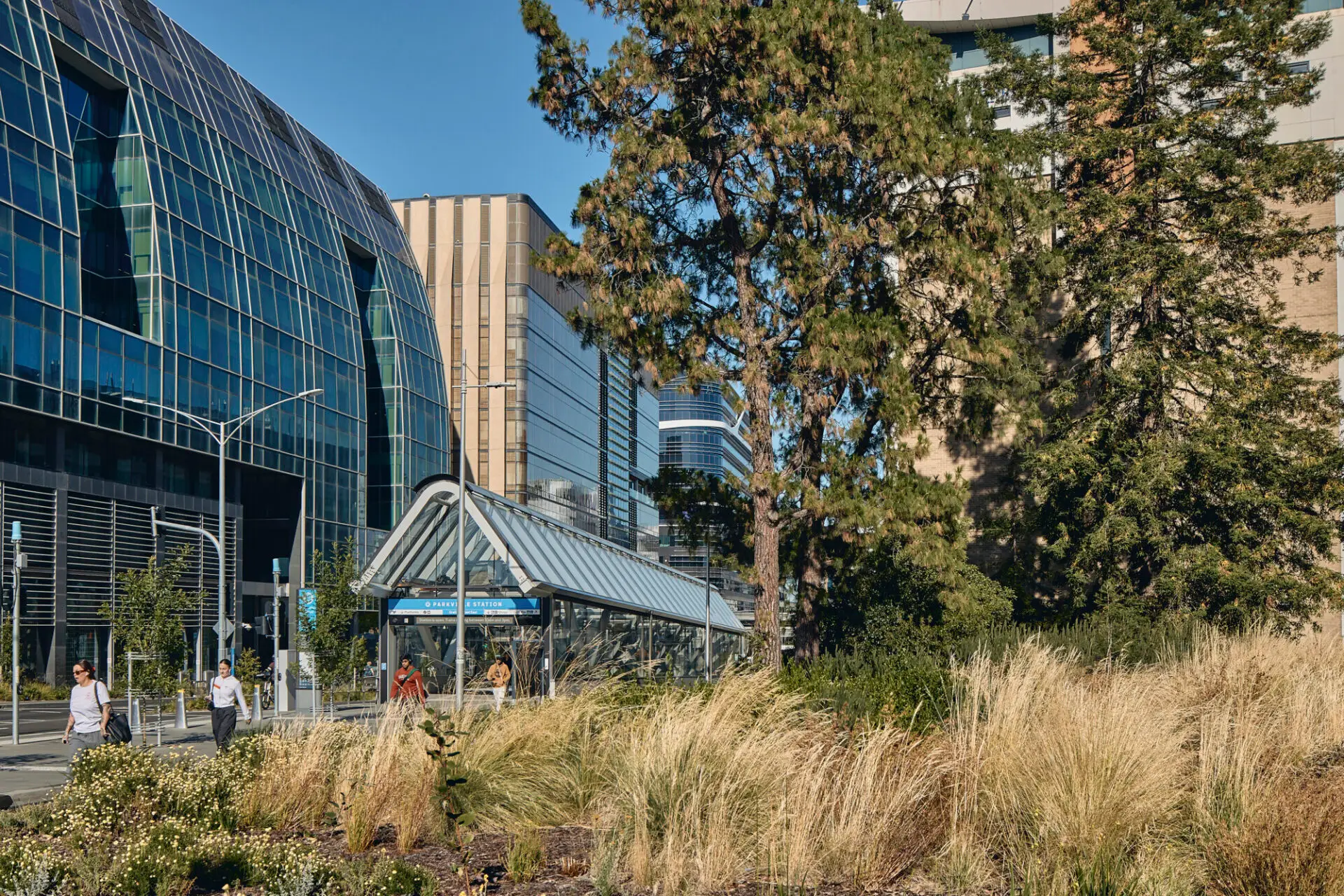
The Metro Tunnel, Melbourne represents the most significant transformation of Victoria’s rail network in 40 years. A collaboration between Hassell, WW+P Architects, and RSHP, the project delivers five new underground stations — Arden, Parkville, State Library, Town Hall, and Anzac, which features the city’s first direct tram-to-rail interchange.
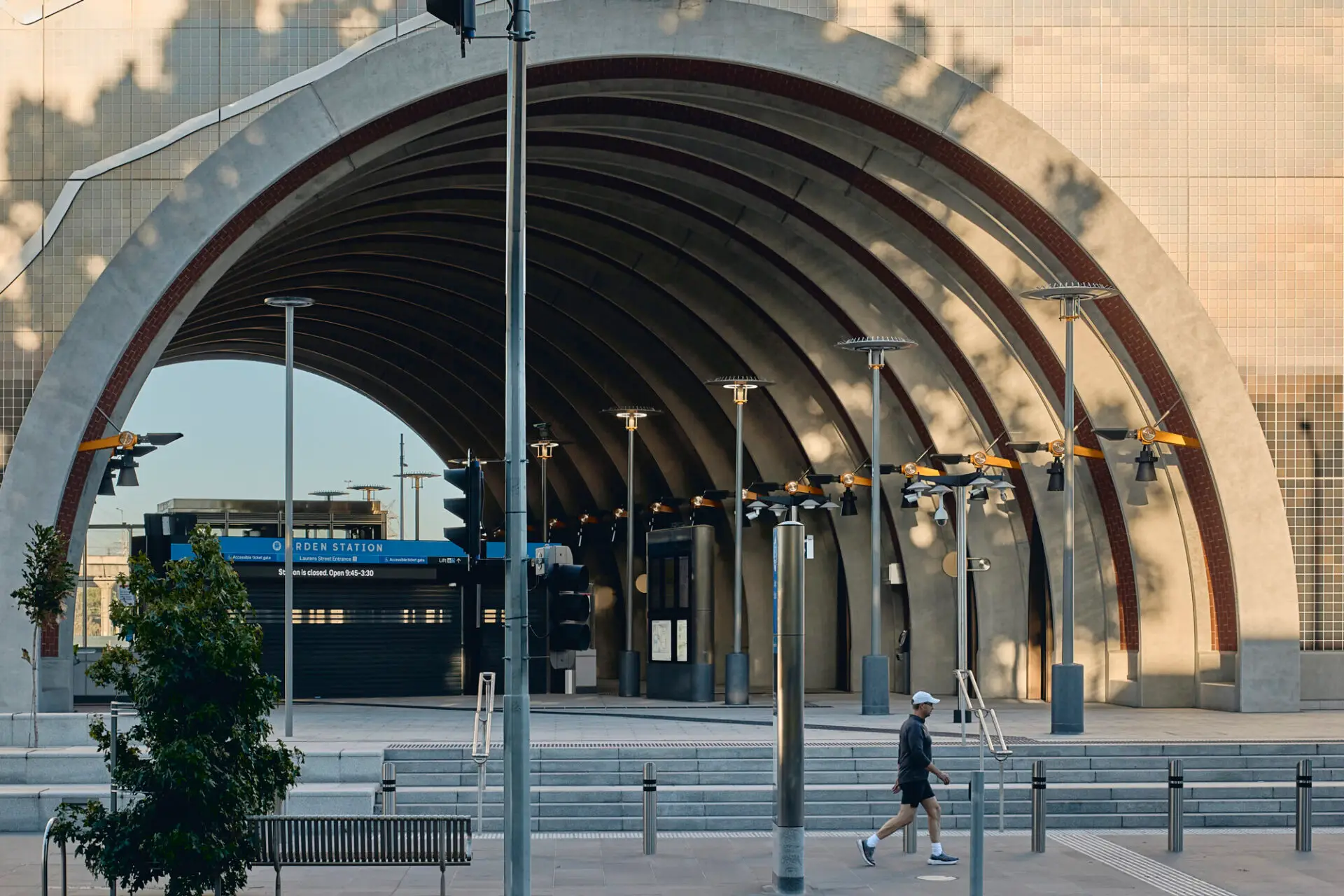
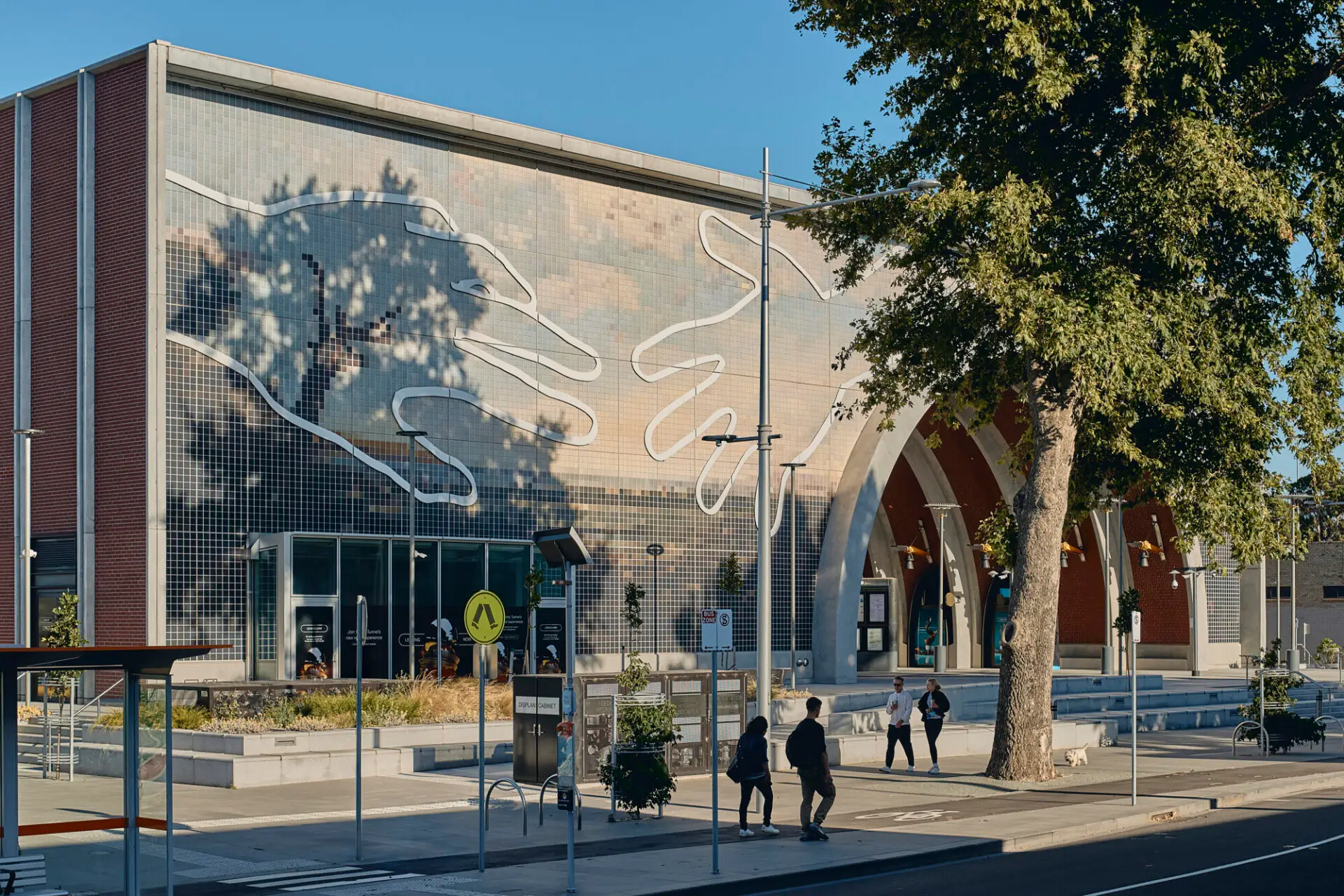
Departing from conventional, enclosed underground hubs, the ‘Open Metro’ design integrates natural light, fresh air, and intuitive wayfinding to foster commuter wellbeing. Each station functions as a distinctive civic landmark, responding to its unique urban context through materiality — such as the red brick arches of Arden and the timber canopy of Anzac.
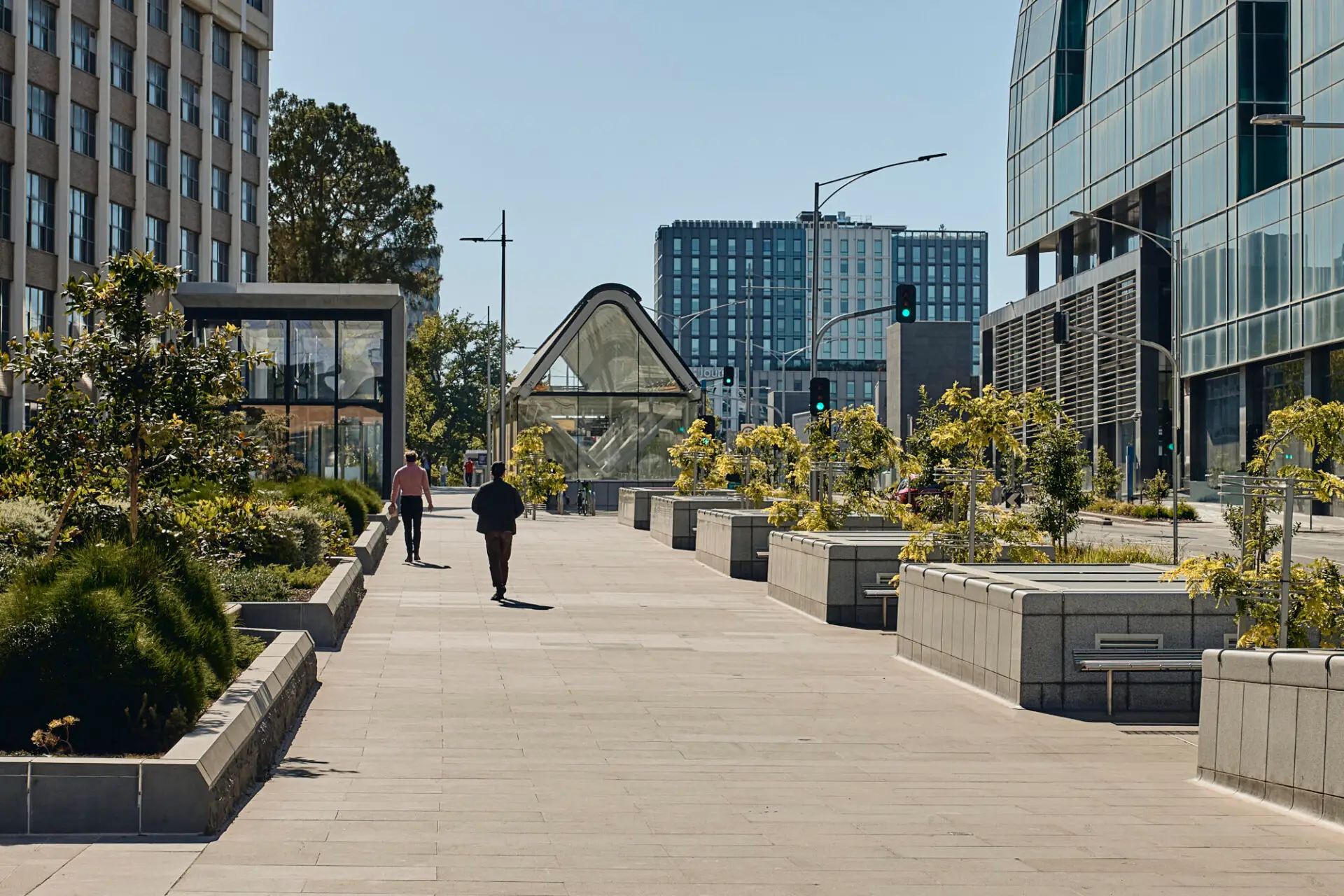
By creating 16,500 sqm of revitalised public realm, including a significant increase of landscaped parkland at Albert Road Reserve, the project transcends mere infrastructure. It creates a generous, uniquely ‘Melbourne’ experience, seamlessly weaving the transit network into the daily rhythm of the city’s public life for future generations.
Commendation For Urban Design
The complexity of navigating five new metro stations within the urban fabric of Melbourne was the challenge that was duly met by the team of the Melbourne Metro Tunnel project. The five distinct contexts necessitated a careful interplay of vertical circulation, expansion of public realm through subterranean concourses and the reimagining of civic space within the congested grain of the city. The team balanced technical resolution, considered material choices with the pragmatics of the need for light, intuitive movement and presence.
Commendation For Sustainable Architecture
Melbourne Metro Tunnel demonstrates civic ambition and careful placemaking across five new stations. Each station responds to its urban context, creating welcoming public spaces that improve movement, access and legibility. The jury valued the restrained architectural language, in which exposed concrete structure and visible services are used as finished elements, reducing the need for additional linings and material layers. Lower-impact concrete mixes, water-sensitive design, tempered air and improved public realm support a more sustainable approach to major transport infrastructure. The project demonstrates station architecture that is robust, site-specific and vigorous through world-leading Green Star and Infrastructure Sustainable Council Certifications.
The Metro Tunnel transforms Melbourne’s rail network, doubling the size of the city’s underground rail system, opening up new destinations across the city and enabling a ‘turn-up-and-go’ service on this line and future uplifts across the whole network.
The project delivers five new architectural landmarks for Melbourne that integrate natural light, world-class art, revitalised public realm and spacious, moninteriors to elevate the everyday passenger experience into something celebratory.
The stations are sensitive to their specific locations, and aren’t just about moving people; they create vibrant, enduring meeting places that Melburnians will embrace with pride for generations to come.
Client perspective
Ivan Harbour – RSHP, Design Architect
Avtar S Lotay – RSHP, Project Architect
Paul Thompson – RSHP, Project Director
Mark Loughnan – Hassell, Design Architect
Ingrid Bakker, Design Architect
Chris Lamborn – Hassell, Design Architect
Will Riley – WW+P, Project Architect
Rob Naybour – WW+P, Project Director
Geoff Bee – WW+P, Project Director
All other team members added via email to AIA VIC awards, Team Members (250++)
Arcadis/Arup/WSP Joint Venture, Engineer
Hassell, Landscape Consultant
Spiers Major, Lighting Consultant
Greenshoot Consulting, First Nations Consultant
Wurundjeri Woi-wurrung Cultural Heritage Aboriginal Corporation, Bunurong Land Council Aboriginal Corporation, Artwork Development
Maynard Design, Wayfinding
Purcell and GJM, Heritage Consultant
Steve Watson and Partners, Building Surveyor