
Whadjuk people of the Nyoongar nation
Western Australia
Eton explores the potential of allowing a collaborative engagement at the outset to shape the conception of the project, recognising the importance of learning from other disciplines and interpreting found knowledge through design.
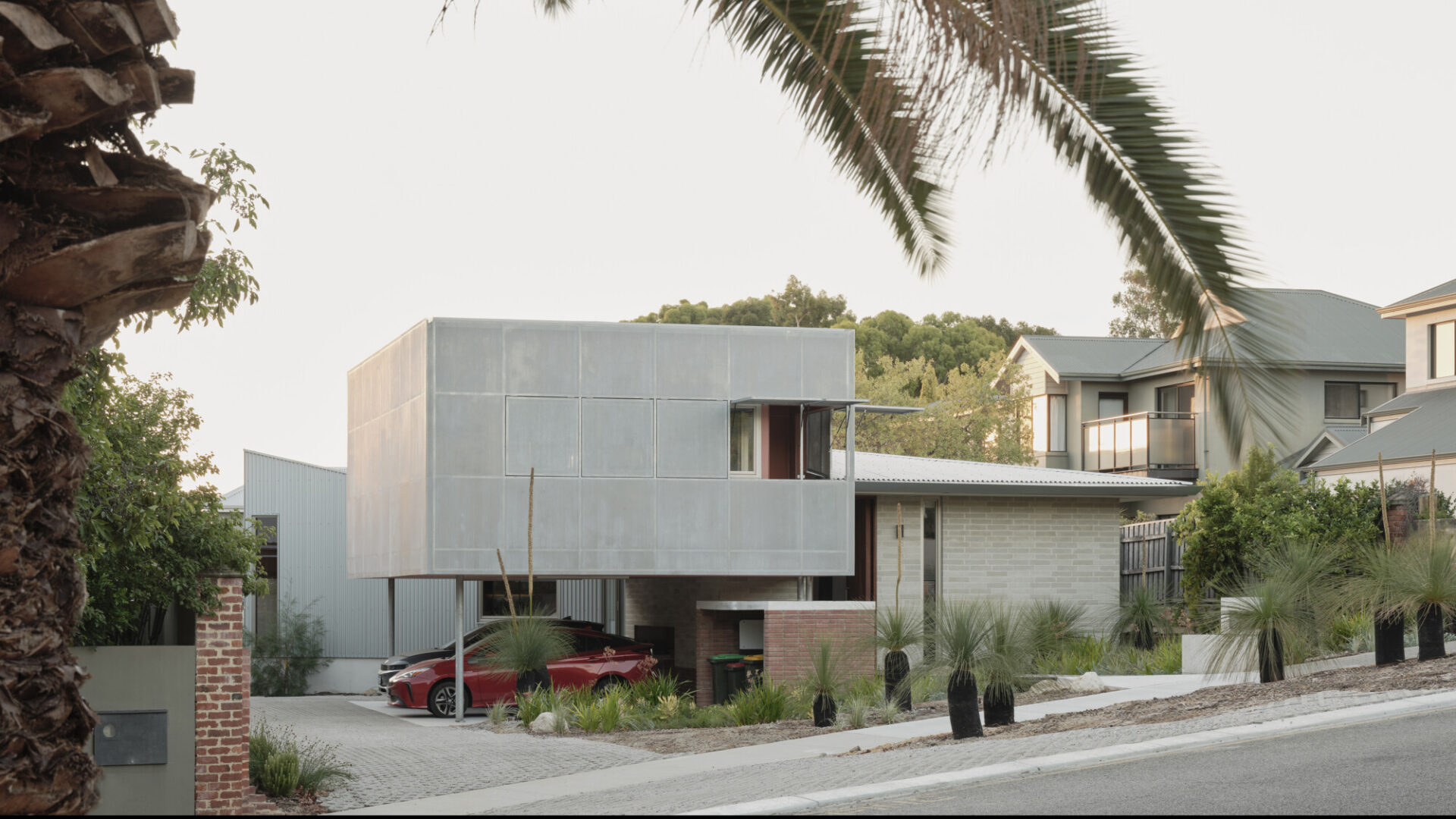
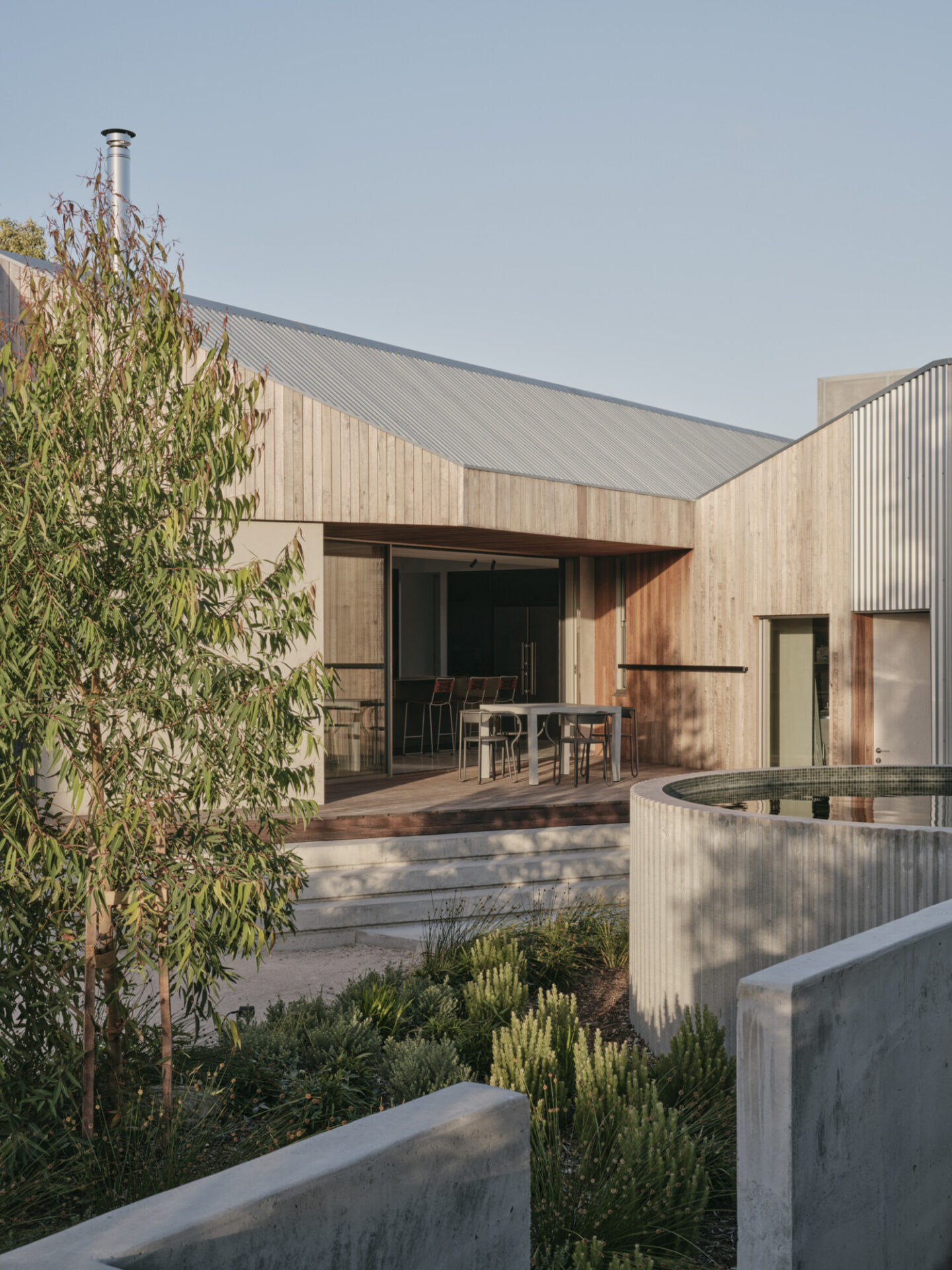
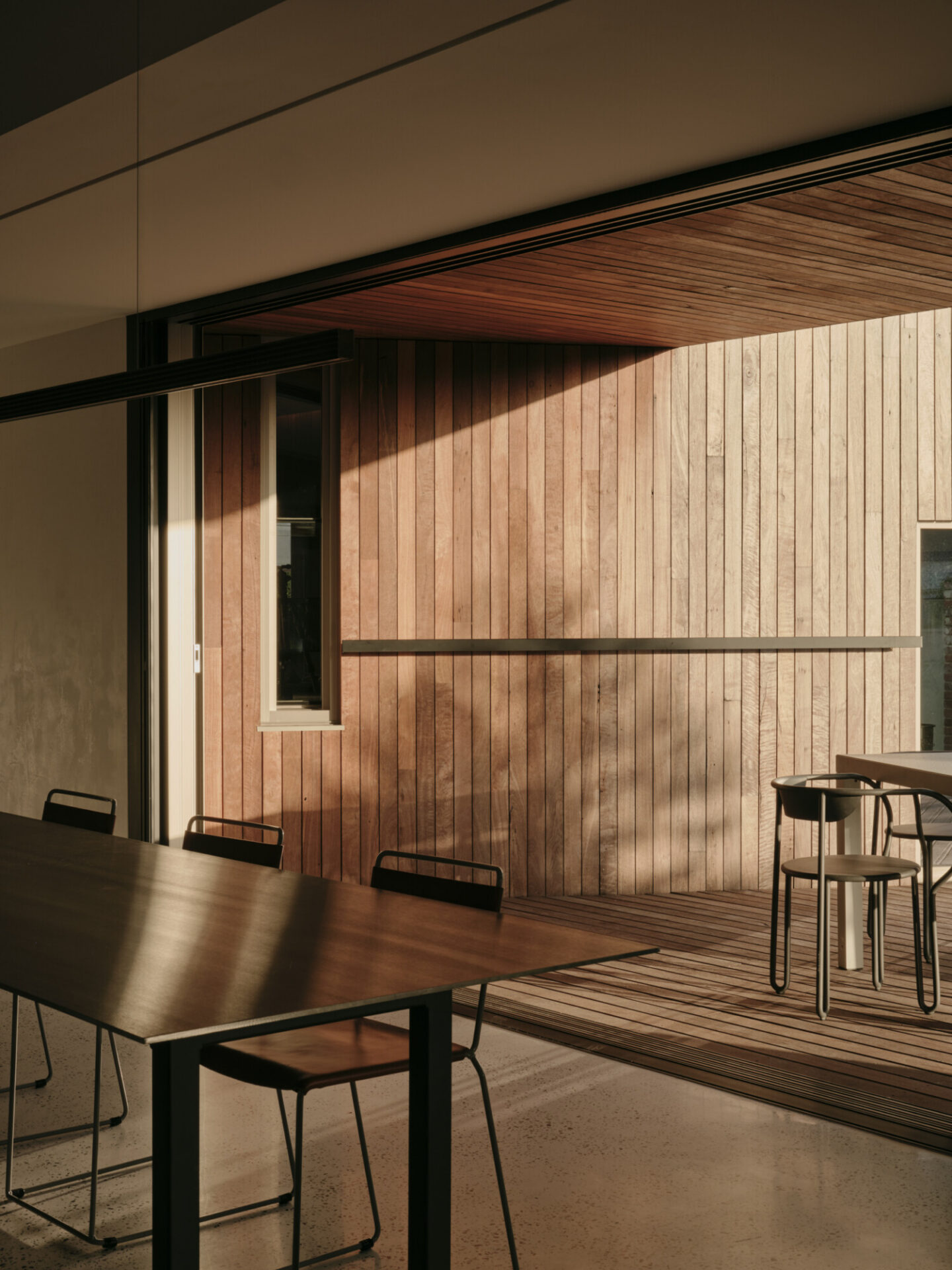
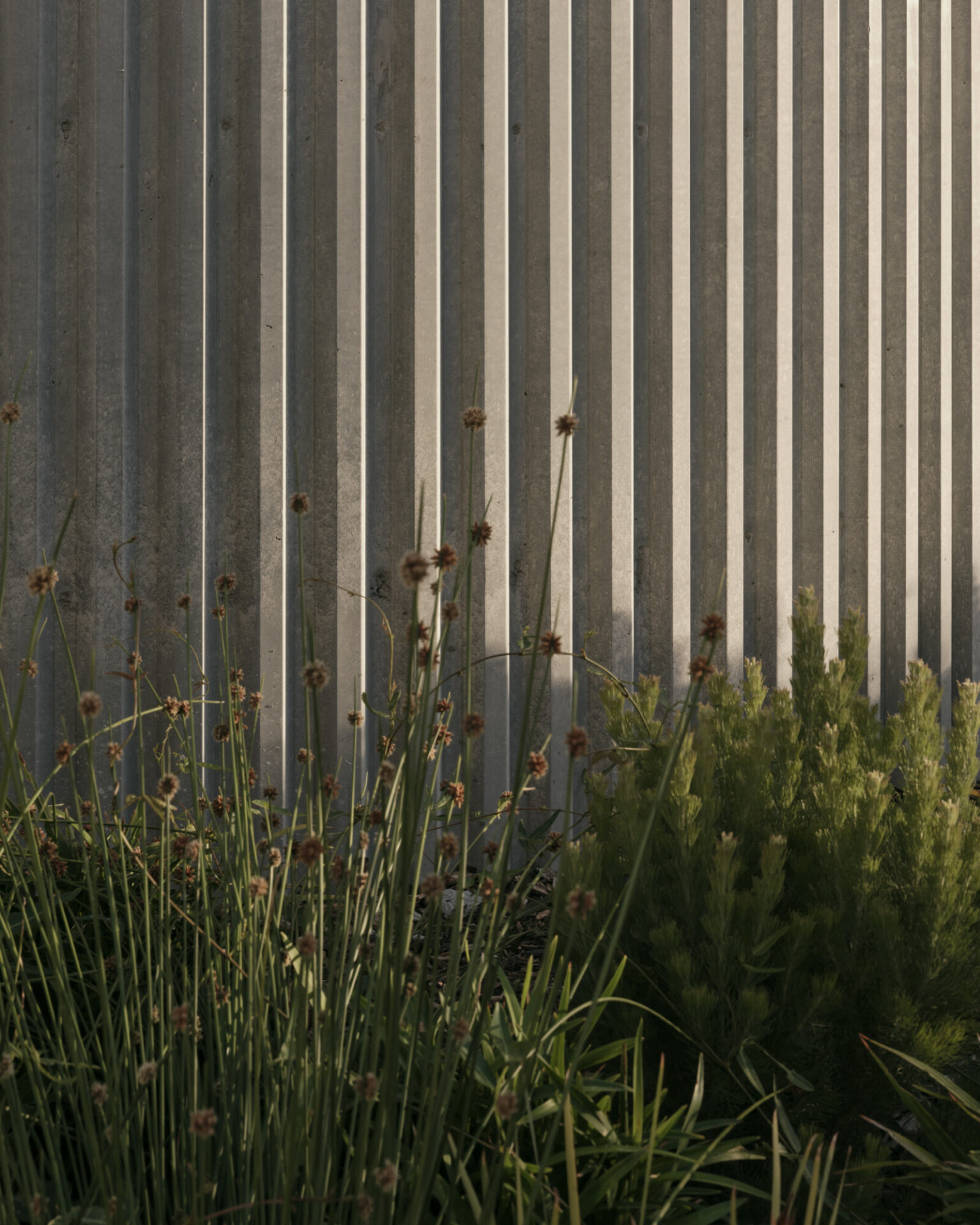
The house is subservient to the landscape proposition. This comes from a desire to repair the site and respond to environmental factors, attempting to re-establish a dialogue between Country, history, and building practice. Housing two people, it provides them with a dwelling and two distinct and particular working spaces. The strong relationship between interior and exterior is intensified by allowing the garden(s) to reign over the site.
The house addresses three garden typologies and responds by letting the ecosystem be the heroine. It is placed gently on the land and assists by harvesting water, utilising the sun, managing light and air, minimising the use of damaging materials, and connecting with the local community.
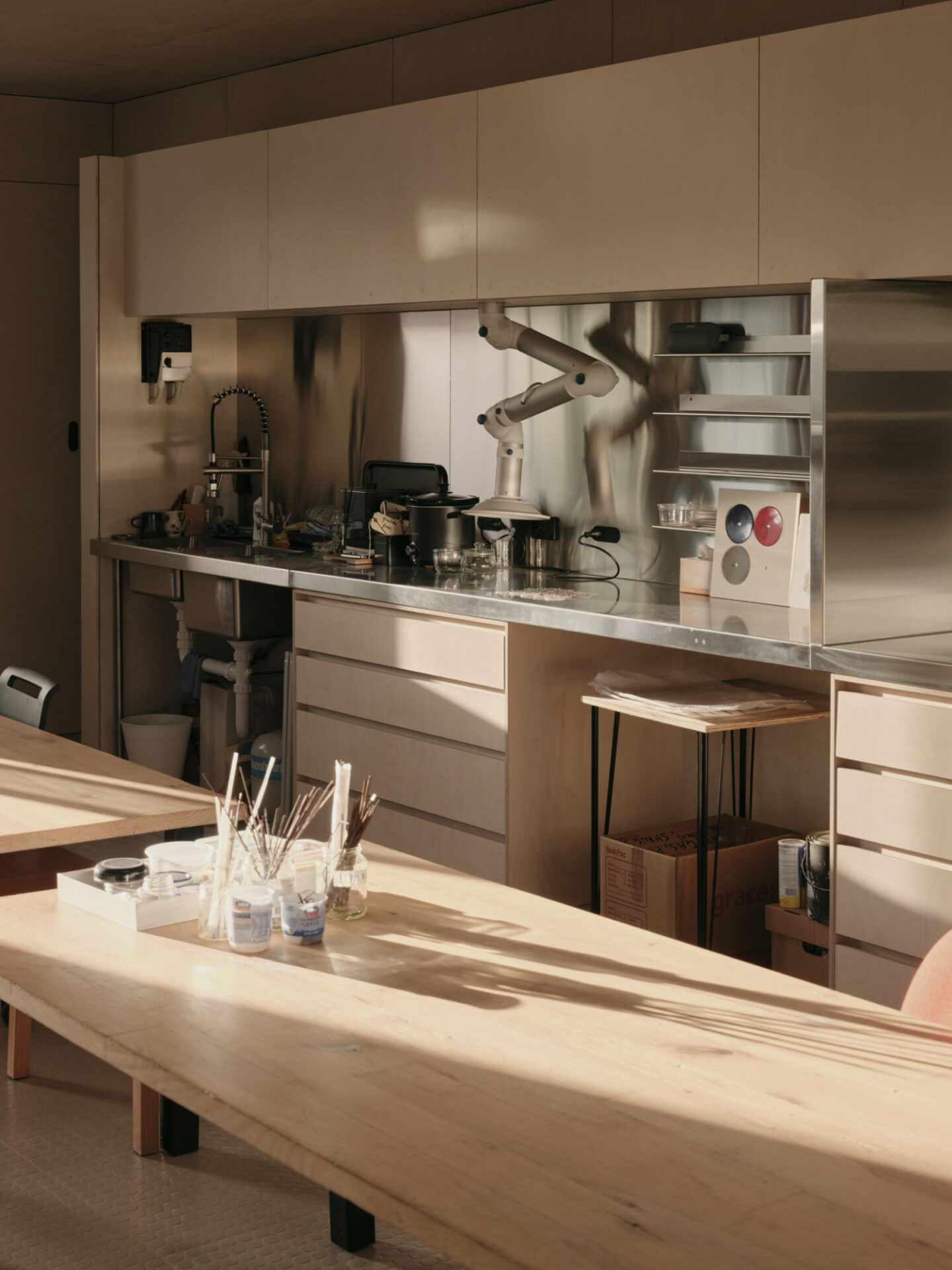
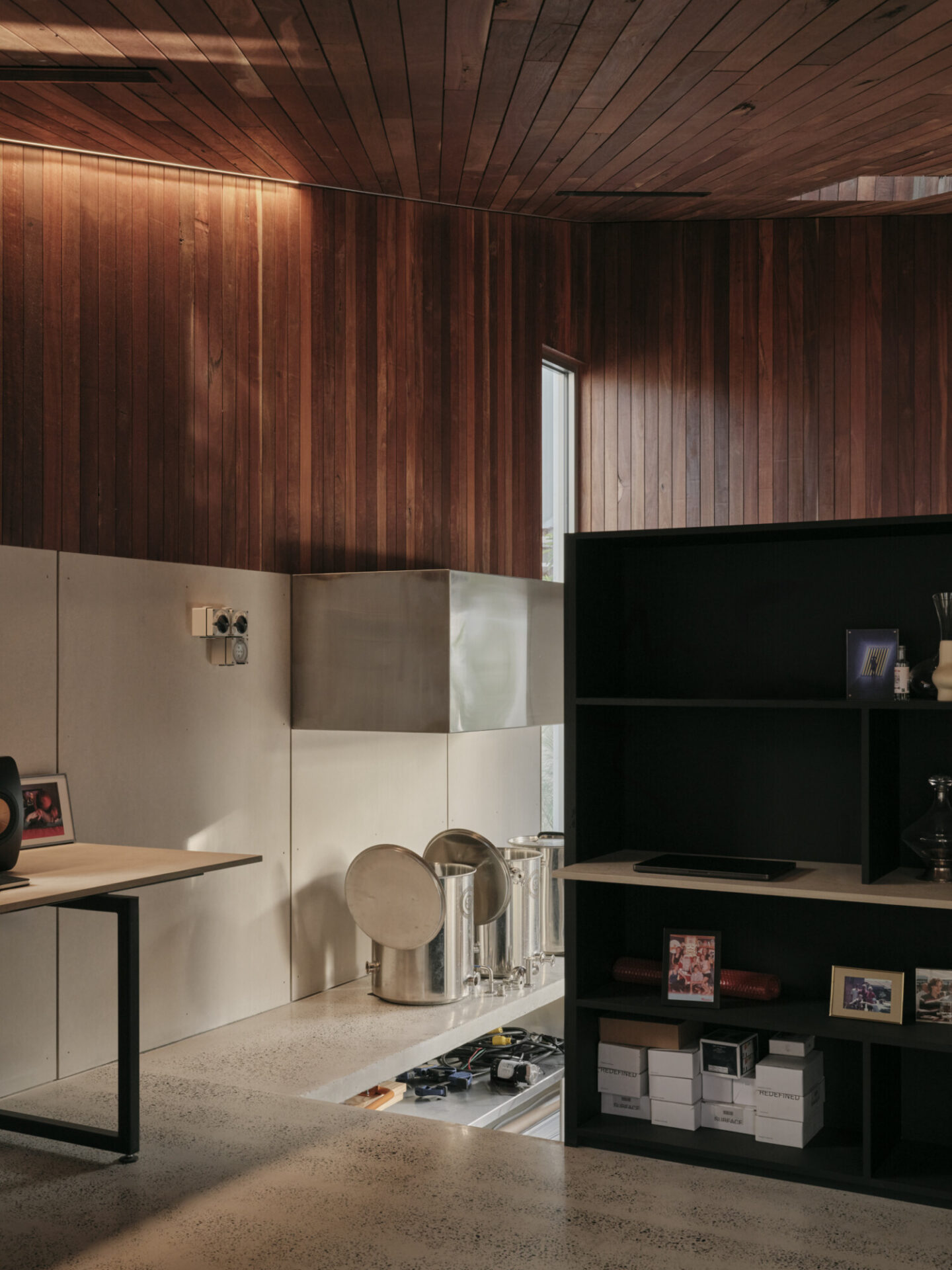
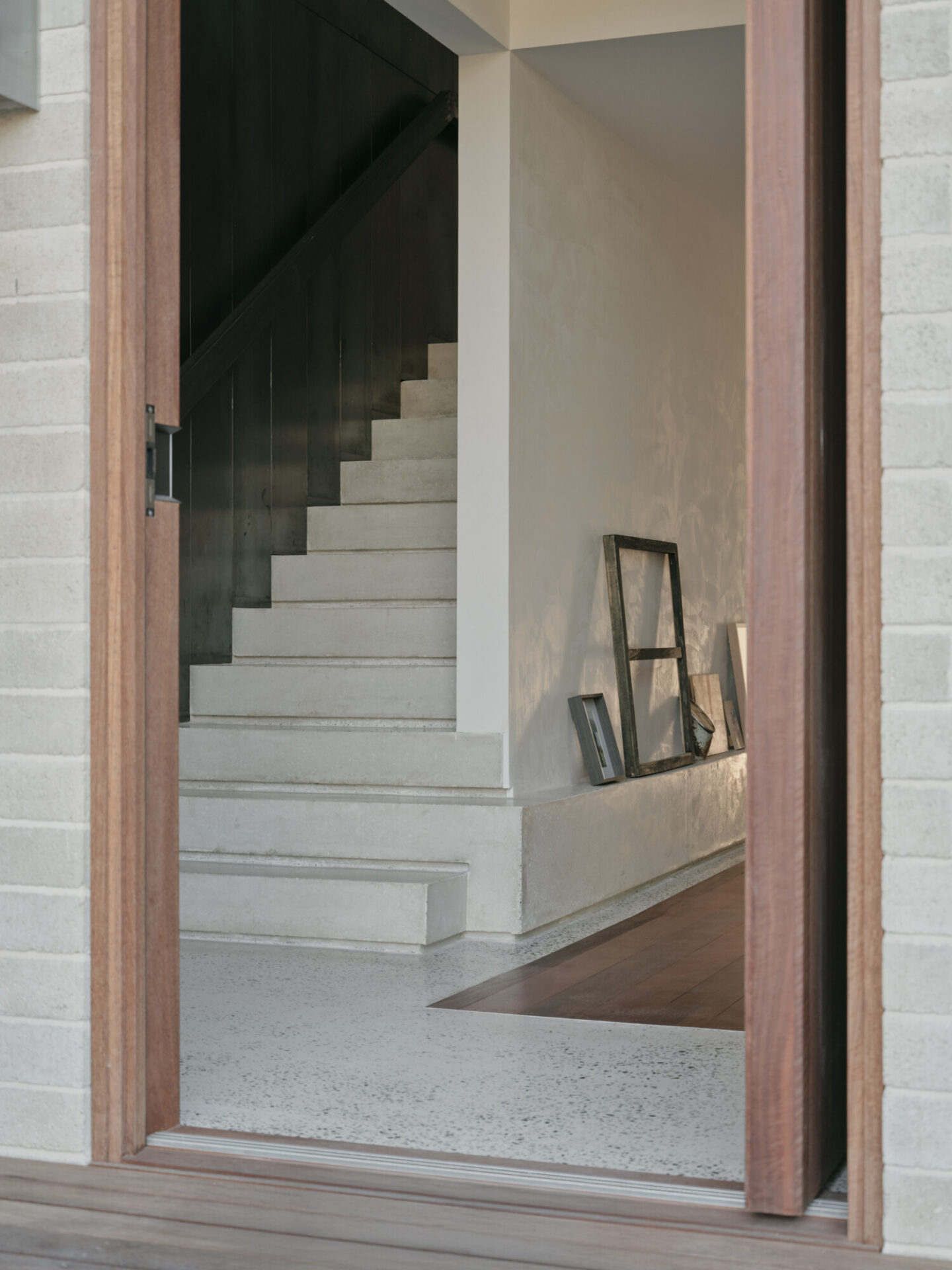

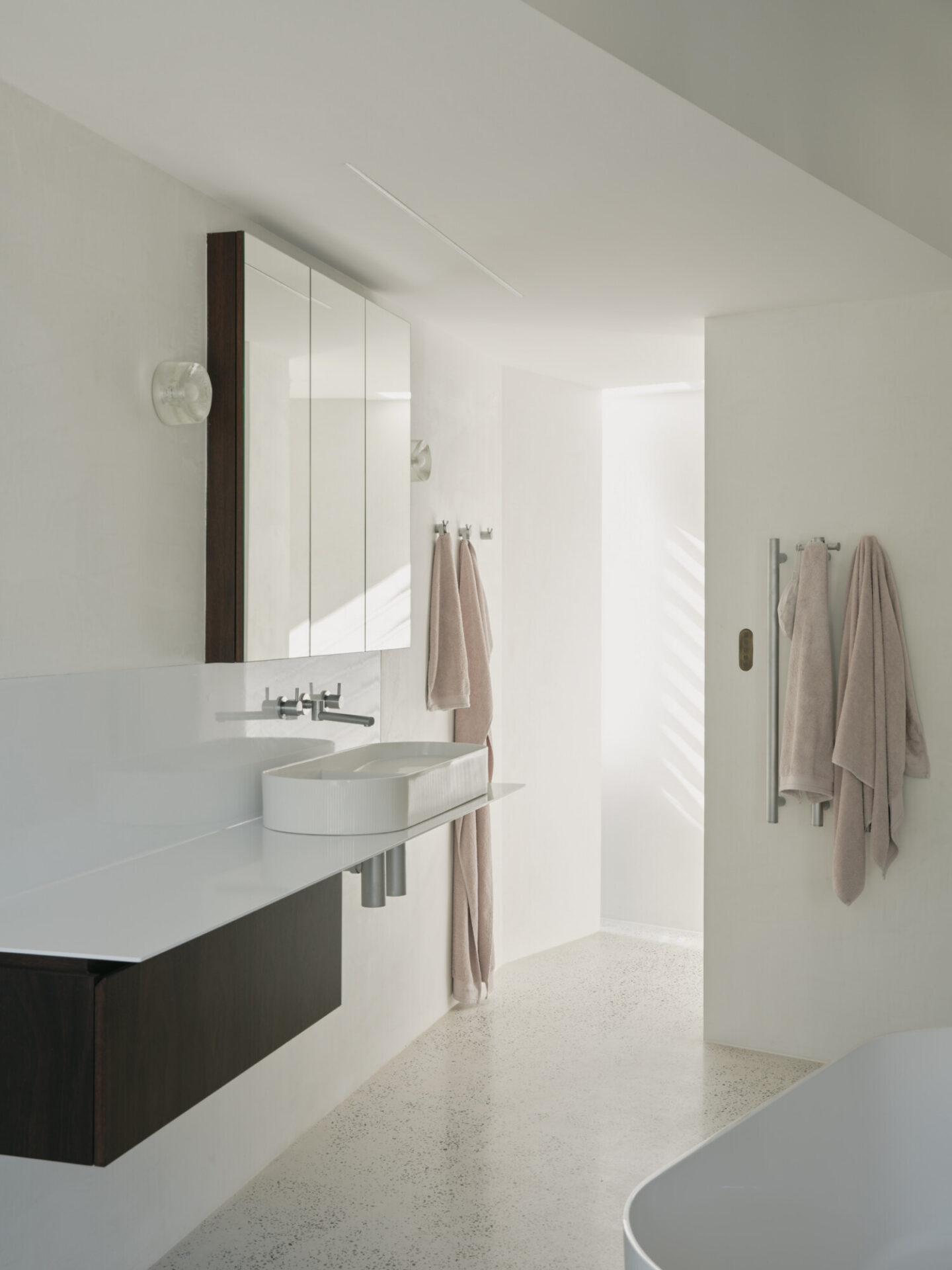
Award for Residential Architecture – Houses (New)
The design outcome stands as a testament to the time dedicated to developing the project brief and the critical importance of client-architect collaboration.
The dwelling is positioned thoughtfully within the landscape, responding to environmental conditions and fostering a strong connection between interior and exterior.
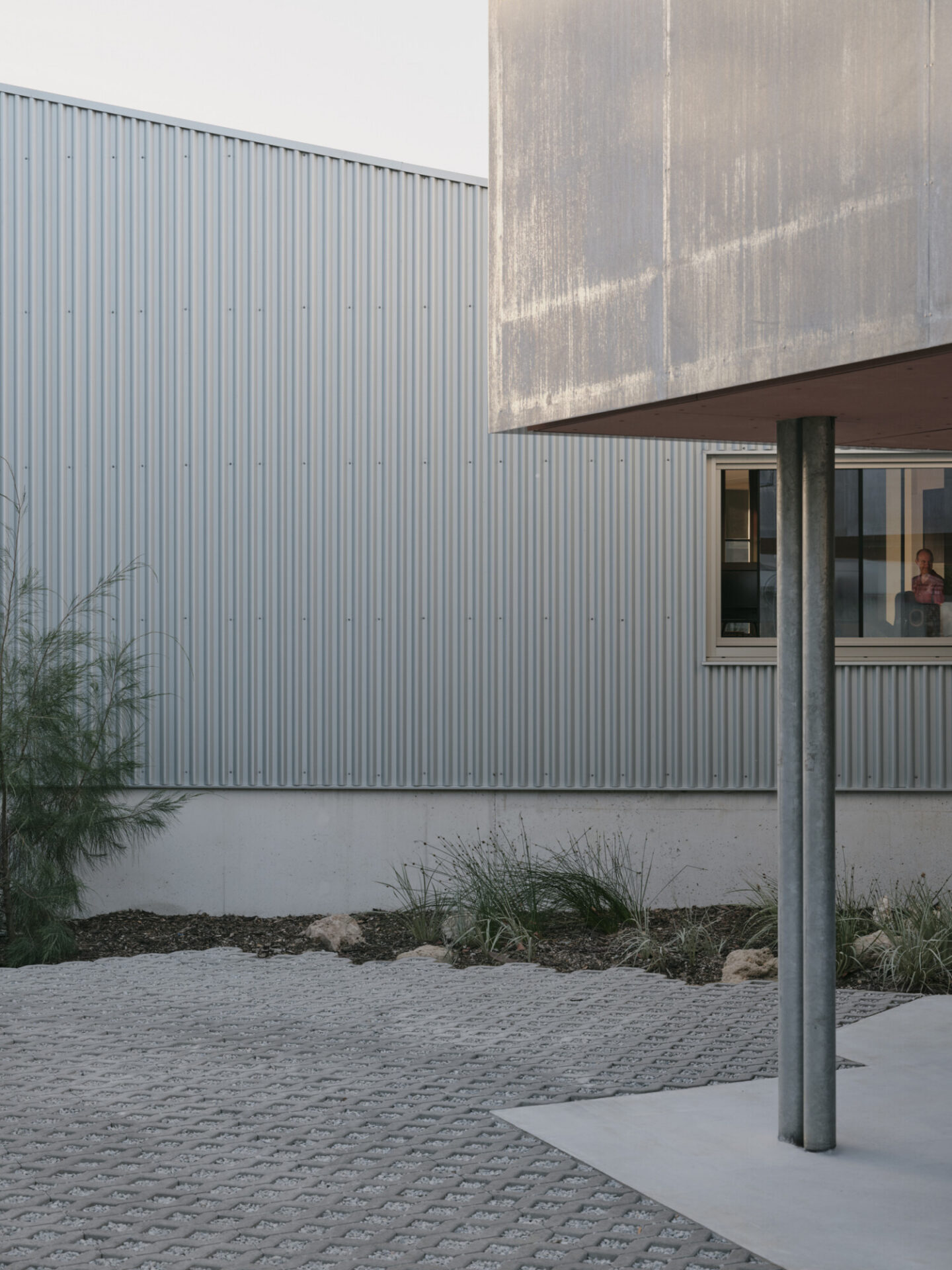
It represents a unique approach where residential life and specialized workspaces coexist seamlessly, each responding to highly specific functional and programmatic needs. The architectural volumes are carefully composed, revealing the conceptual narrative through their form, scale, and articulation. By integrating living and working environments, the design fosters a sense of fluidity between private and professional realms, allowing the occupants to inhabit spaces that are simultaneously personal, productive and adaptable.
The project intentionally challenges the surrounding residential typology, offering an innovative approach that both respects and reinterprets the local context.
The volumetric composition reflects an understanding of spatial hierarchy, circulation, and the interplay between house and context.
Through materiality, proportion, and spatial sequencing, the building conveys a clear narrative while responding to environmental conditions and site-specific opportunities.
The project ultimately redefines conventional domestic architecture, presenting a thoughtful and innovative resolution where residence and specialized workspace converge, offering a living environment attuned to contemporary needs and aspirations.
Commendation for Sustainable Architecture
eton is a beautifully resolved house in a deep setback, designed to bring back the endemic vegetation of its location, adopting a regenerative approach.
eton employs many of the tools for sustainable design which do not compromise the architecture. Commendable sustainable strategies include extensive rainwater capture fully electrifying the home, reusing recycled demolition materials, and selecting pre-finished, hard-wearing materials, heat pumps, and solar arrays.
This playful, flexible and adaptable lighting design has bespoke lighting selections that complement the client’s personality and jewellery-making artistry. External lighting built into building elements emits a subtle glow, while the journey from workspace to gallery and living spaces features lighting ranging from focused to fun to intimate.
Award for Residential Architecture – Houses (New)
The design outcome stands as a testament to the time dedicated to developing the project brief and the critical importance of client-architect collaboration.
The dwelling is positioned thoughtfully within the landscape, responding to environmental conditions and fostering a strong connection between interior and exterior.
It represents a unique approach where residential life and specialized workspaces coexist seamlessly, each responding to highly specific functional and programmatic needs. The architectural volumes are carefully composed, revealing the conceptual narrative through their form, scale, and articulation. By integrating living and working environments, the design fosters a sense of fluidity between private and professional realms, allowing the occupants to inhabit spaces that are simultaneously personal, productive and adaptable.
The project intentionally challenges the surrounding residential typology, offering an innovative approach that both respects and reinterprets the local context.
The volumetric composition reflects an understanding of spatial hierarchy, circulation, and the interplay between house and context.
Through materiality, proportion, and spatial sequencing, the building conveys a clear narrative while responding to environmental conditions and site-specific opportunities.
The project ultimately redefines conventional domestic architecture, presenting a thoughtful and innovative resolution where residence and specialized workspace converge, offering a living environment attuned to contemporary needs and aspirations.
Commendation for Sustainable Architecture
eton is a beautifully resolved house in a deep setback, designed to bring back the endemic vegetation of its location, adopting a regenerative approach.
eton employs many of the tools for sustainable design which do not compromise the architecture. Commendable sustainable strategies include extensive rainwater capture fully electrifying the home, reusing recycled demolition materials, and selecting pre-finished, hard-wearing materials, heat pumps, and solar arrays.
Commendation for Lighting Award
This playful, flexible and adaptable lighting design has bespoke lighting selections that complement the client’s personality and jewellery-making artistry. External lighting built into building elements emits a subtle glow, while the journey from workspace to gallery and living spaces features lighting ranging from focused to fun to intimate.
Client perspective
marco vittino, Project Architect
Katherine Ashe, Design Architect
Michelle Kar, Design Architect
Daniel Colley, Graduate of Architecture
Brendan Moore, First Nations Consultant
Supernatural, Landscape Consultant
Forth Consulting, Structural Engineer
The Study, ESD Consultant
Greenstar Solutions, Services Consultant
CM Engineering, Services Consultant
Landscape West, Living Pool
ANC Distribution, Rainwater storage